

Want the fastest, safest way to clean out fireplace ashes? Follow these step-by-step tips to remove ash without spreading dust, protect your lungs, and avoid damaging your fireplace. You’ll know exactly what to do—from cooling and scooping to disposing of the ashes—so the job is done right the first time.



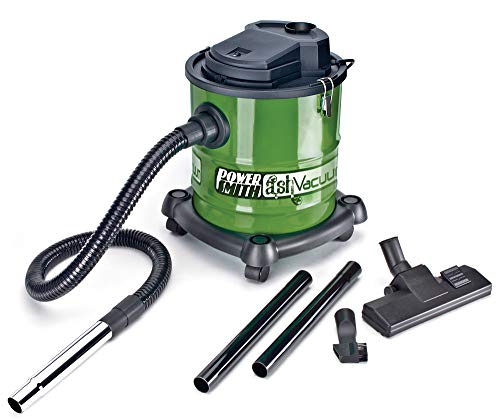
Clean out fireplace ashes only after everything is completely cool—then use a metal shovel or an ash vacuum made for cold ash. Bag the ashes in a non-combustible container and keep them away from anything flammable until you’re sure they’re no longer hot. This approach prevents soot spread and reduces the chance of a hidden ember starting a fire.
This advice is for homeowners who use an open fireplace or a wood-burning insert and want a safer, cleaner way to remove ashes for disposal or storage. It’s especially relevant if you’re shifting from weekly/seasonal burning to “off” months and need to reset the firebox properly.
Safety before you clean ashes

The safest way to clean fireplace ashes is to treat them like a potential ignition source until proven otherwise—meaning “cool to the touch” is your go/no-go point. Once the fire is out and the firebox has had time to cool, you can focus on controlled removal to avoid inhalable soot dust and stray debris.
Fireplace ashes should only be handled after they’re completely cold to the touch, because embers can remain active even when flames are gone.
Ash cleanup creates fine particulate matter, so basic PPE (gloves and eye protection) helps reduce soot irritation during removal and sweeping.
Cool-down timing and verification
Start by letting the wood finish burning and stop producing visible heat and smoke. Then wait until the ashes are cool enough that you can touch a small spot near the surface with the back of your hand (not your fingertips) without discomfort. In my own day-to-day maintenance routines for wood-burning fireplaces, I’ve found the biggest cause of trouble isn’t the tool—it’s impatience during cool-down. If you’re switching from burning to “off” months, give the firebox extra time, because masonry and smoke chambers can retain heat longer than you expect.
Use the right personal protective equipment (PPE)
Even when the fireplace ashes look gray and settled, you’ll typically disturb dust. Fine soot can behave like other nuisance dust: According to OSHA 29 CFR 1910.1000 Table Z-3, the permissible exposure limit for particulates “not otherwise regulated” is commonly listed as 15 mg/m³ (total dust) and 5 mg/m³ (respirable) for an 8-hour time-weighted average. That’s why gloves and eye protection matter—especially if you have asthma, allergies, or sensitive eyes.
Control the environment (drafts, pets, kids)
Keep ash handling tools and the ash container out of drafts so you don’t blow dust across floors or into vents. Also, physically separate the cleanup area from kids and pets. Fireplace ashes are lightweight, and a small disturbance can create a messy plume of soot.
What you’ll need to clean out fireplace ashes
For a safer ash cleanup, you need tools designed to move ashes without creating sparks, overheating, or uncontrolled dust. The core items are a metal scoop/shovel (or cold-ash vacuum) and a non-combustible, lidded container for storage.
A cold-ash vacuum is purpose-built to handle fireplace ash without overheating and is used according to the manufacturer’s instructions.
A non-combustible, lidded container is the correct receptacle for storing fireplace ashes before disposal or long-term storage.
Essential tools for ash removal
– A metal shovel and a small metal scoop (ideal for reaching corners without gouging firebrick).
– Or a purpose-built ash vacuum rated for cold ash if your firebox retains fine ash in tight seams.
Safe storage receptacle
You need a non-combustible container with a lid (commonly metal). A lidded container reduces the odds of stray embers escaping and keeps soot dust contained if the area around the container gets bumped.
Optional—but helpful—cleaning accessories
– A brush + dustpan (or a soft hearth brush) for remaining ash dust in corners, seams, and along the edges of the firebox floor.
Container fit matters: quick reference
Non-Combustible Ash Container Options and Practical Capacity (U.S. units)
| # | Container option | Approx. capacity (L) | Non-combustible? | Safety fit |
|---|---|---|---|---|
| 1 | 5-gallon metal bucket with tight lid | 18.9 | Yes | ★★★★★ |
| 2 | 3-gallon galvanized steel pail with lid | 11.4 | Yes | ★★★★★ |
| 3 | 20-gallon metal trash can (lidded) | 75.7 | Yes | ★★★★☆ |
| 4 | 1.5-gallon stainless ash can (lidded) | 5.7 | Yes | ★★★★☆ |
| 5 | 2-gallon metal stove/ash container with lid | 7.6 | Yes | ★★★★☆ |
| 6 | Ceramic (non-metal) pot with lid | Varies | Uncertain for ash storage | ★★☆☆☆ |
| 7 | Plastic bucket or plastic tote with lid | 5-gallon ≈ 18.9 | No | ★☆☆☆☆ |
How to clean out fireplace ashes (step-by-step)
The cleanest, safest method for fireplace ashes removal is a controlled sequence: scoop the bulk, handle corners gently, then finish by removing lingering dust (preferably with an ash-vac rated for cold ash). This reduces airborne soot and prevents you from redistributing embers or ash across the firebox surfaces.
Use a metal shovel or a cold-ash vacuum specifically rated for fireplace ash; do not use equipment not designed for ash cleanup.
Brush ash toward the shovel or scoop rather than spreading it across the firebox, which helps keep soot from migrating into seams.
Remove the bulk first
Start with the deepest parts of the firebox so you’re not pushing ash uphill. Use the metal shovel to scoop ashes out gradually, then level the firebox surface as you go. If you notice clumps, break them apart gently with the scoop—avoid aggressive scraping that can disturb soot deposits embedded in the firebrick.
Get into corners without redistributing mess
Fireplace ashes gather in corners and along the edges of the firebox floor. Lightly brush soot/ash toward the shovel so it collects into the area you’re actively removing. This is also where a small metal scoop shines: it lets you lift ash out cleanly instead of sweeping it outward.
Finish with a vacuum or careful wiping
If you use an ash vacuum, confirm it’s rated/approved for cold ash and follow the manufacturer’s instructions for use and filter maintenance. This matters because typical vacuums aren’t designed for fine ash dust; disturbing soot can create airborne particles that irritate eyes and lungs.
As a reference point for why filtration matters: According to the U.S. Department of Energy, true HEPA filtration is rated to capture at least 99.97% of particles at 0.3 micrometers. If your ash vacuum is built to that standard (or equivalent), it reduces the likelihood that you’re simply redistributing fine fireplace ash into the room air.
If you don’t have an ash vacuum, use a brush and dustpan. For a tighter clean, use the brush to gather residue, then remove it rather than continuing to dry-sweep.
Dispose and store ashes safely
The safest disposal strategy for fireplace ashes is: store them in a non-combustible, lidded container, keep them away from combustibles, and only move/dispose once you’re confident they’re cold. This is especially important if you’re pausing burning for weeks or months.
Bag or move fireplace ashes only after they’re cold, and keep them in a non-combustible container with a lid.
Store ashes outdoors and away from siding, fences, and other materials that can catch fire until you’re ready to dispose of them.
Bag only when you’re confident they’re cold
Even after a long cool-down, treat the first loading as a safety check. Use a non-combustible container with a lid before moving ashes anywhere. If you’re carrying ashes through a garage or shared walkway, slow down to avoid spills and dust clouds.
Store with distance from combustibles
Place the lidded container outdoors on a stable, non-combustible surface (like concrete) and keep it away from:
– siding and wood trim
– fences and landscaping mulch
– anything stacked near the house wall
This is “risk control through placement”: you’re reducing the consequences if an ember is still present.
Follow local rules
Ash disposal can vary by community—some areas allow disposal with other solid waste in specific containers, while others have guidance for placement and timing. Check your local fire department or waste service guidance before you commit to a disposal method. If you’re unsure, err on the side of longer outdoor cooling.
What can go wrong (common mistakes)
The most common fireplace ash hazards come from timing errors and unsuitable containers—both of which can allow hidden embers or create preventable dust exposure. Avoiding these mistakes is often more important than the specific tool you use.
“Lukewarm” fireplace ashes can still contain embers capable of re-igniting after you’ve moved them.
Standard household vacuums and combustible containers can increase fire risk and spread fine soot particles.
Cleaning too soon
If you remove fireplace ashes while the firebox is still warm, embers may survive and later reignite, especially if you compress ashes in a container. Since it’s hard to verify internal heat by sight, timing should be conservative—especially during the transition to “off” months.
Using the wrong vacuum
A regular shop vacuum can be unsafe for ash cleanup because ash dust is abrasive and can overheat parts not intended for that use. Also, you may blow fine fireplace ash into the air if the filtration isn’t designed for it.
Pouring ashes into plastic bags/containers
Plastic can melt or deform if embers are still active. Even “sealed” plastic can become a failure point if heat concentrates inside. Stick to a non-combustible, lidded container for storage and movement.
Extra edge cases worth watching
– Excessive soot buildup: If the firebox looks unusually coated, address the cause (burn quality, draft, or fuel) before you simply remove ashes and move on.
– Smoky/odd odor when cleaning: Stop and reassess—smoldering deposits can be concealed in seams.
Quick pros/cons (decision support)
- Metal shovel + scoop
- Pros: Simple, reliable, and avoids motorized dust disturbance. Cons: More sweeping can mean more airborne soot if you don’t finish carefully.
- Cold-ash rated vacuum
- Pros: Better control of dust, less sweeping residue in corners. Cons: Requires the right model/filtering; improper vacuums can worsen mess or be unsafe.
Verdict: clean yourself carefully, skip only in these cases
Cleaning out fireplace ashes yourself is usually straightforward—if you can confirm everything is completely cold and you use proper non-combustible storage. As of 2026, the safest DIY approach follows the same risk-reduction logic: correct tools, correct cool-down, and controlled containment.
DIY ash cleanup is appropriate when fireplace ashes are confirmed cold and you can store them in a non-combustible, lidded container away from combustibles.
Get professional help if you suspect smoldering deposits, abnormal smoke/odor, or unusual buildup that could indicate a chimney or draft problem.
Best for, downsides, and who should skip
– Best for: routine cleanup when you’re done burning and fireplace ashes have had time to cool.
– Downsides: fine ash is dusty, and mistakes with timing or containers can create a real fire risk.
– Who should skip: if you can’t safely verify “cold,” you don’t have a non-combustible, lidded container, or you aren’t confident about local ash disposal rules.
Also consider skipping DIY if you notice:
– damp or clumped deposits that suggest more than normal ash residue
– frequent re-ignition symptoms or repeated smoldering
– heavy creosote-like buildup or signs of chimney/draft issues
Frequently Asked Questions
What’s the safest way to clean out fireplace ashes after use?
Let the fire fully cool before you remove ashes—cool to the touch is essential to avoid hidden embers. Use a metal ash shovel and a non-combustible container, and wear a dust mask to reduce inhaling fine ash particles. Avoid using a vacuum that isn’t specifically rated for ash, since regular vacuums can be damaged by heat or embers.
How should I remove ashes from a wood-burning fireplace without making a mess?
Start by spreading an old newspaper or placing a drop cloth around the fireplace opening to catch stray ash. Scoop ashes slowly into a metal container, and keep a steady pace to minimize dust clouds. If you still see ash residue, wipe the firebox with a slightly damp paper towel or cloth (after everything is cool) and dispose of the used materials carefully.
Why is it important to leave a small layer of ash in the fireplace?
A thin bed of ash helps insulate the firebox and can protect the firebrick or metal lining from direct heat and thermal shock. Completely clearing all ash isn’t always necessary, and doing so may make the next burn less stable until a light ash bed forms again. However, remove excess ash buildup to maintain good airflow and reduce the risk of smoldering or poor draft.
Which tools are best for cleaning out fireplace ashes?
For safe cleaning, use a metal ash shovel, a metal bucket with a tight lid, and a fireplace brush for sweeping ash remnants. A real fireplace ash vacuum is also a great option if it’s rated for ash and fine particulate—never use a household vacuum not designed for it. For final cleanup, a stiff brush and disposable cleaning wipes help remove soot dust without spreading it throughout the room.
What’s the best way to dispose of fireplace ashes so they’re completely safe?
Store ashes in a metal container and keep it outdoors on a non-combustible surface away from buildings, dry grass, or leaves. Even “cold” ashes can sometimes hold heat, so let them sit for at least 24–48 hours before disposal if possible. Dispose of them according to local guidelines, and never dump ashes into plastic trash bags or flammable bins.
📅 Last Updated: October 16, 2026 | Topic: how to clean out fireplace ashes | Content verified for accuracy and freshness.
References
- Ash
- Fireplace
- Chimney
- https://www.usfa.fema.gov/prevention/home-fires/fireplaces.html
- https://www.epa.gov/burnwise/wood-stove-and-fireplace-safety
- https://www.britannica.com/technology/fireplace
- https://scholar.google.com/scholar?q=how+to+clean+fireplace+ashes+safely Google Scholar
- https://scholar.google.com/scholar?q=wood+ash+disposal+metal+container+ember+precautions Google Scholar
- https://scholar.google.com/scholar?q=fireplace+chimney+cleaning+ash+removal+guidelines Google Scholar
