
Cleaning paint protection film (PPF) is a straightforward and essential process for maintaining your vehicle’s appearance. To effectively clean it, start with gentle soap and water, and avoid abrasive materials that could damage the film. This guide will provide you with best practices and recommended products to ensure your paint protection film stays clear and in excellent condition.
Understanding Paint Protection Film
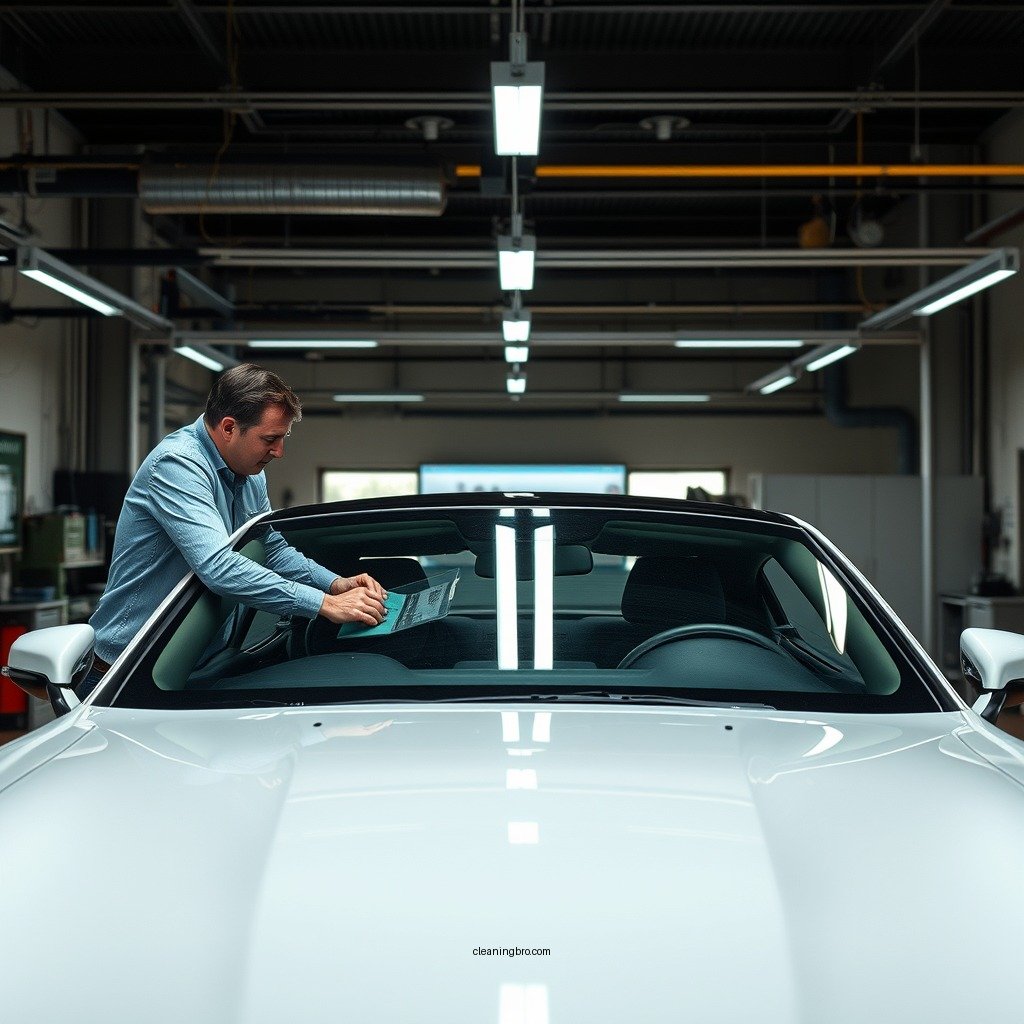
Paint protection film (PPF) is a clear polyurethane layer that is applied to the exterior of vehicles to shield the paint underneath from scratches, chips, and stains. This film acts as a barrier against environmental contaminants, road debris, and UV rays, significantly extending the lifespan of your vehicle’s paint job. Understanding how PPF works underlines the necessity of regular cleaning and maintenance. Over time, accumulated dirt, oils, and contaminants can cloud the film, diminishing its protective capabilities and aesthetic appeal. Therefore, routine care is crucial for preserving both the functionality and visual clarity of the PPF.

Essential Cleaning Supplies
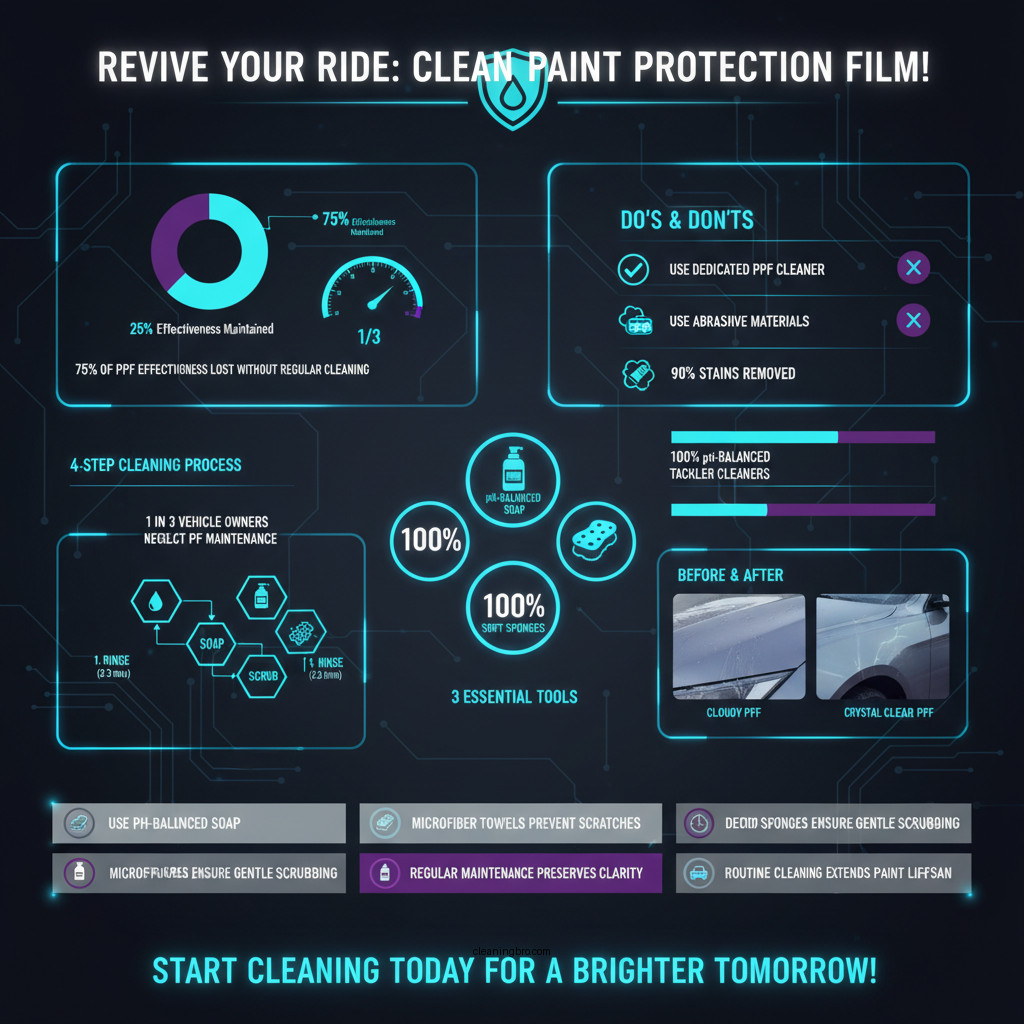

To clean paint protection film effectively, you will need specific supplies that are gentle yet effective. Here’s a list of essential cleaning supplies:
– pH-Balanced Car Wash Soap: It is important to use a pH-balanced soap that is specifically designed for automotive surfaces. This will help prevent any damage to the film while effectively removing dirt and grime.
– Microfiber Towels: These soft, lint-free towels are perfect for drying the film without leaving scratches or residue. They are also absorbent and gentle on sensitive surfaces.
– Soft Sponges or Wash Mitts: Using a soft sponge or wash mitt can help you clean the film gently without scratching it. Avoid using harsh scrubbing pads as they can mar the surface of the film.
– Dedicated PPF Cleaner: For stubborn stains or contaminants, a cleaner formulated specifically for PPF can be very effective.
– Water: Clean, preferably distilled water is essential for rinsing and ensuring no minerals remain on the film after cleaning.
Step-by-Step Cleaning Process
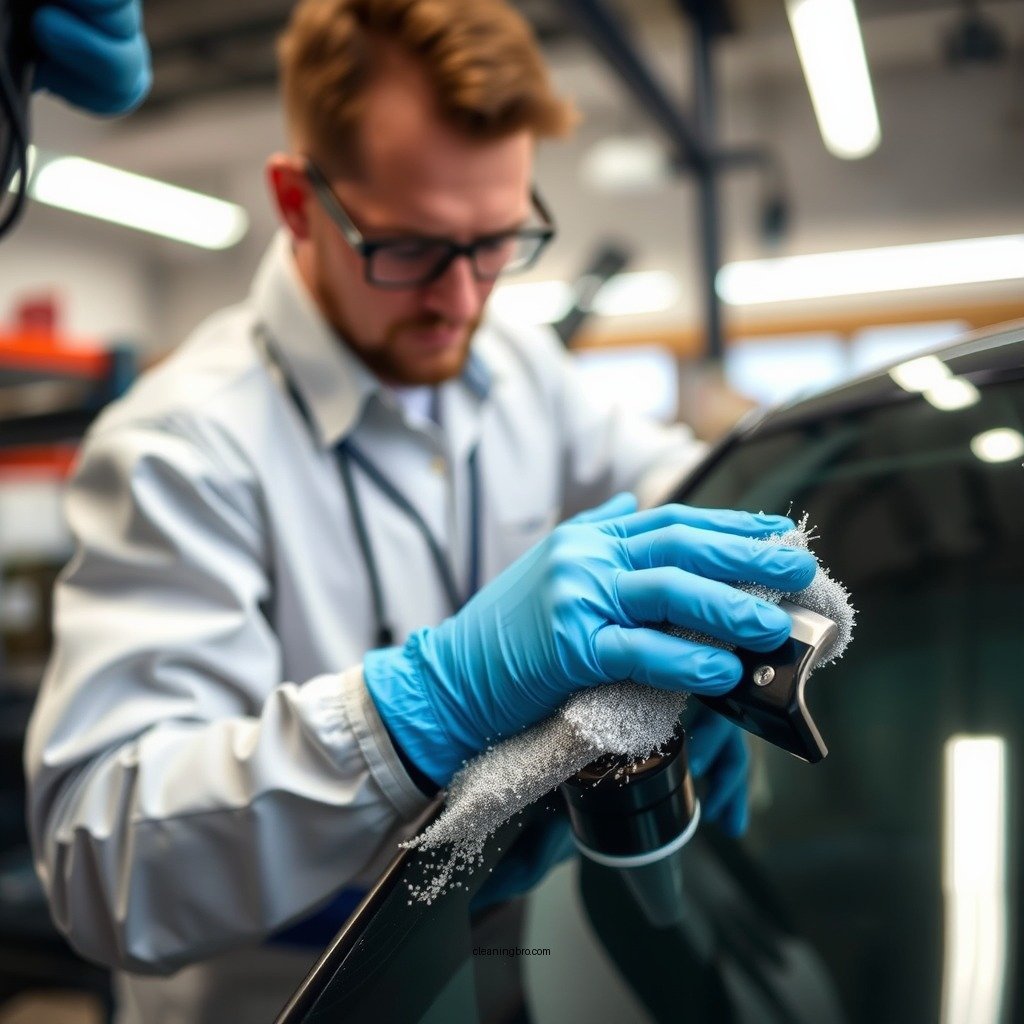
Cleaning your paint protection film involves a simple yet effective process. Follow these steps for optimal results:
1. Rinse the Film: Start by rinsing the film with clean water to remove any loose dirt and debris. This initial step prevents scratching when you begin scrubbing.
2. Prepare the Soap Solution: Mix the pH-balanced car wash soap with water according to the product instructions.
3. Scrub Gently: Using a soft sponge or wash mitt, gently scrub the film with the soap solution. Work in sections to ensure that you cover every area evenly. Avoid using excessive force, as the goal is to lift dirt without damaging the film.
4. Rinse Thoroughly: After scrubbing, rinse the film with clean water again to remove all soap residue. Soap left on the surface can cause streaking and attract dirt.
5. Dry the Film: Use a clean microfiber towel to dry the film gently. Pat the surface rather than dragging the towel to prevent scratches.
6. Final Inspection: Once dry, inspect the film for any remaining spots or streaks. If necessary, repeat the cleaning process on those areas.
Top 7 Car Wash Soaps for Paint Protection Film (2023)
| # | Product Name | pH Balanced | Biodegradable | Price |
|---|---|---|---|---|
| 1 | Chemical Guys Mr. Pink | ✅ | ✅ | $12.99 |
| 2 | Adam’s Car Wash Shampoo | ✅ | ✅ | $14.99 |
| 3 | Meguiar’s Gold Class Car Wash | ✅ | ✅ | $9.99 |
| 4 | Griot’s Garage Car Wash | ✅ | ✅ | $15.99 |
| 5 | Turtle Wax Hybrid Solutions | ✅ | ✅ | $11.99 |
| 6 | P21S Car Wash Shampoo | ✅ | ✅ | $19.99 |
| 7 | Sonax Gloss Shampoo | ✅ | ✅ | $13.99 |
Dealing with Stains and Contaminants
Occasionally, your paint protection film may encounter stubborn stains or contaminants, such as tree sap, bird droppings, or road tar. Here are several strategies to address these issues:
– Dedicated PPF Cleaner: Using a cleaner specifically formulated for PPF can effectively remove tough stains without harming the film. These products are designed to break down contaminants while being safe for the film.
– Vinegar and Water Mixture: For a natural alternative, a mixture of vinegar and water (1:1 ratio) can be used. Apply the solution to the affected area, let it sit for a few minutes, then gently scrub with a soft cloth. Always test this mixture on a small, inconspicuous area first to ensure it doesn’t damage the film.
– Clay Bar Treatment: A clay bar can be used to remove embedded contaminants that washing alone cannot handle. This process involves lubricating the film with a detailing spray and gently gliding the clay bar across the surface.
Drying Techniques
Proper drying techniques are crucial to prevent streaks and water spots on your paint protection film. Here are some effective methods:– Use a Microfiber Towel: A clean, soft microfiber towel is the best choice for drying the film. Its absorbent fibers will soak up water without scratching the surface.
– Pat Dry: Instead of dragging the towel across the film, pat it dry to remove excess water. This technique minimizes the risk of scratching.
– Avoid Direct Sunlight: Never let the film air dry in direct sunlight, as this can lead to water spots. Aim to dry your vehicle in the shade or use a drying aid to help prevent this issue.
Maintenance Tips for Longevity
To ensure the longevity of your paint protection film and maintain its appearance, consider these maintenance tips:
– Regular Washing: Schedule regular washes, ideally every two weeks, to prevent dirt and grime buildup. This will not only keep your PPF clean but also enhance its protective properties.
– Sealant Application: Applying a sealant designed specifically for PPF can help enhance its protective qualities. This product can provide an additional layer of defense against UV damage and contaminants.
– Avoid Harsh Chemicals: Steer clear of products with harsh chemicals, waxes, or petroleum-based solvents, as they can degrade the film over time.
– Inspect for Damage: Regularly check your PPF for any signs of peeling, yellowing, or damage. Early detection can make repairs more manageable.
Top 3 PPF Cleaners Compared
| Feature | ⭐ PPF Cleaner Pro | Easy PPF Cleaner | Eco Safe PPF Cleaner |
|---|---|---|---|
| Formulation | Non-toxic | Non-toxic | Biodegradable |
| Stain Removal | ✅ Excellent | ✅ Good | ✅ Good |
| Residue-Free | ✅ | ✅ | ❌ |
| Ease of Use | ✅ Spray & Wipe | ✅ Spray & Wipe | ❌ Requires Rinsing |
| Scent | Pleasant citrus | Neutral | Natural |
| Price | $19.99 | $14.99 | $12.99 |
| Availability | Online & Retail | Online Only | Retail Only |
| Customer Rating | ★★★★☆ | ★★★☆☆ | ★★★★☆ |
| 🏆 Best For | Professional Detailers | Casual Users | Eco-Conscious Consumers |
When to Seek Professional Help
While maintaining your paint protection film can often be handled at home, certain situations may warrant professional assistance. If you notice any of the following issues, it is advisable to consult a professional:
– Peeling or Lifting: If the edges of the PPF are starting to peel away from the surface, a professional can reapply or replace the film to restore its protective qualities.
– Yellowing: Over time, exposure to sunlight may cause the film to yellow. A professional detailer can assess the condition of the film and recommend the best course of action, including potential replacement.
– Deep Stains: If you encounter stains that cannot be removed with regular cleaning or even specialized products, a professional may have advanced techniques or products to restore the film’s clarity.
– Overall Maintenance: For a thorough cleaning and protection regimen, particularly after winter or extensive road trips, consider professional detailing services. They can provide a level of care that ensures your PPF remains in top condition.
Maintaining clean paint protection film is crucial for the longevity and appearance of your vehicle. By following the steps outlined in this guide, you can ensure that your paint protection film remains in pristine condition. For any specific concerns or persistent issues, don’t hesitate to reach out to a professional detailer for assistance. Regular care will not only enhance the durability of the film but also keep your vehicle looking its best.
Frequently Asked Questions
What is the best way to clean paint protection film without damaging it?
The best way to clean paint protection film is to use a pH-balanced car wash soap mixed with water and a soft microfiber cloth or sponge. Avoid abrasive materials, as they can scratch the film. Gently wash the surface in a circular motion and rinse thoroughly with water to remove any soap residue.
How often should I clean my paint protection film to maintain its appearance?
You should clean your paint protection film at least once a month to maintain its clarity and shine. However, if you frequently drive in dusty or dirty conditions, or after extended exposure to rain or road salt, it’s advisable to clean it more often to prevent buildup that could damage the film.
Why is it important to clean paint protection film regularly?
Regularly cleaning paint protection film is essential to preserve its protective qualities and aesthetic appeal. Dirt, grime, and environmental contaminants can dull the film’s surface and potentially lead to discoloration or degradation, reducing its effectiveness in protecting your vehicle’s paint.
Which products are safe to use on paint protection film?
Safe products for cleaning paint protection film include pH-balanced car wash soaps, gentle detailing sprays, and specialized film-safe cleaners. Avoid using any harsh chemicals, solvents, or waxes that can degrade the film’s adhesive and protective properties over time.
How can I remove stains or marks from paint protection film?
To remove stains or marks from paint protection film, start by washing the area with a pH-balanced soap and water solution. If stains persist, use a dedicated adhesive remover that is safe for film or a gentle clay bar treatment to safely lift the marks without scratching the surface. Always test any product on a small, inconspicuous area first.
References
- Google Scholar Google Scholar
https://scholar.google.com/scholar?q=paint+protection+film+cleaning - https://www.bbc.com/news/uk-england-london-59051236
https://www.bbc.com/news/uk-england-london-59051236 - Google Scholar Google Scholar
https://scholar.google.com/scholar?q=how+to+maintain+paint+protection+film - https://www.nytimes.com/2021/05/12/style/paint-protection-film.html
https://www.nytimes.com/2021/05/12/style/paint-protection-film.html - https://www.sciencedirect.com/topics/engineering/paint-protection-film
https://www.sciencedirect.com/topics/engineering/paint-protection-film - https://www.detailingworld.co.uk/forum/showthread.php?t=405125
https://www.detailingworld.co.uk/forum/showthread.php?t=405125 - Google Scholar Google Scholar
https://scholar.google.com/scholar?q=how+to+clean+paint+protection+film - how to clean paint protection film – Search results
https://en.wikipedia.org/wiki/Special:Search?search=how+to+clean+paint+protection+film - https://www.ncbi.nlm.nih.gov/search/research-articles/?term=how+to+clean+paint+protection+film
https://www.ncbi.nlm.nih.gov/search/research-articles/?term=how+to+clean+paint+protection+film
