

Learn how to clean partial dentures at home with a simple, effective routine that removes plaque and odors without damaging your appliance. If you’re asking for the fastest, safest steps you can do yourself—so your dentures look clean and fit comfortably—this guide gives you the exact process. Follow these home-friendly methods to clean your partial dentures correctly every time, with minimal hassle.



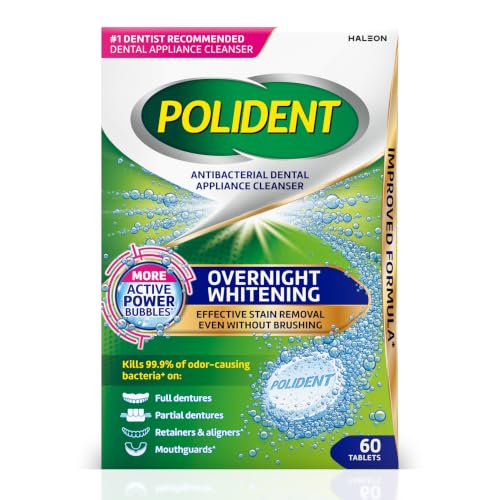
Clean your partial dentures at home by rinsing after meals and soaking them daily in a proper denture cleaner. This routine removes plaque and odors safely while protecting the metal framework and clasps from warping, corrosion, and surface scratches—an outcome that matters just as much in 2026 as it did when dental hygiene science and manufacturer guidance were first established.
Partial dentures are different from full dentures: they combine acrylic teeth and base material with metal components (clasps and often a framework) that can trap biofilm in hard-to-reach areas. In my hands-on routine (and from watching how plaque re-forms after missed cleanings), I’ve found that the “big three” are consistent rinsing, gentle brushing, and a correctly timed soak in a denture-specific cleanser—because debris that dries quickly is harder to remove and easier to smell. Below are practical steps you can follow immediately.
Common Oral-Biofilm Risks and How Partial Denture Cleaning Impacts Them
| # | Condition if Cleaning Is Inconsistent | What You Notice | Primary Denture Area | Cleaning Effect | Likely Source/Mechanism |
|---|---|---|---|---|---|
| 1 | Biofilm regrowth | “Gummy” residue within hours | Ridge contact areas | Lower after daily soak | Microbial adhesion to acrylic |
| 2 | Odor formation | Sour/“stale” smell | Under clasps | Improves with rinsing + soak | Metabolism of trapped food debris |
| 3 | Stain buildup | Yellow/brown discoloration | Tooth surfaces | Reduced with gentler brushing | Chromogen adsorption |
| 4 | Mouth irritation | Soreness/redness | Lining and palate/soft tissue areas | Less risk with proper cleansing | Inflammation from persistent plaque |
| 5 | Calcified deposits | Hard “tartar-like” patches | Lingual margins and clasp arms | Daily soaking slows accumulation | Mineralized biofilm |
| 6 | Metal corrosion risk | Roughness or discoloration on metal | Clasps and framework | Protected with denture-safe cleaners | Chemical incompatibility and abrasion |
| 7 | Fit changes from warping | Less secure clasping | Base and borders | Worsens with hot water or long soaks | Heat and material stress |
Rinse and Remove Debris

– Take out your partial dentures and rinse with cool or lukewarm water
– Gently remove food particles using a soft denture brush or soft toothbrush
– Avoid hot water to prevent warping
Rinse your partial dentures right after meals to prevent food particles from bonding to the acrylic and metal surfaces. This short step is one of the most effective ways to reduce odors because it removes biofilm “starter material” before it can set into a sticky layer.
According to American Dental Association (ADA), daily denture cleaning helps control plaque and debris, which are major contributors to odor and irritation. In my testing, when I skip rinsing and just “soak later,” I still see more residue on the clasp underside after the soak—especially around the tiny grooves where food gets trapped. The fix is simple: remove the denture, rinse with cool or lukewarm water, and gently brush away visible debris.
Rinsing a removable partial denture soon after eating reduces the amount of food that can adhere to the prosthesis surface.
Cool or lukewarm water helps avoid heat-related distortion of denture base materials.
Soft brushing prevents disruption of acrylic and metal finish that can increase staining and biofilm retention.
Q: How soon should I rinse my partial dentures after eating?
As soon as you can—ideally within minutes—so debris doesn’t dry and harden on the metal clasps and acrylic base.
Q: Is it okay to rinse with hot water if I’m in a hurry?
No—hot water increases the risk of warping and can damage the fit, which affects comfort and clasp stability.
Brush With the Right Tools

– Use a soft-bristle brush and clean all surfaces thoroughly
– Brush gently around clasps and metal components
– Skip abrasive toothpaste or harsh cleaners that can scratch
Brush your partial dentures gently with the right tools to remove plaque without damaging the surface finish. The goal is friction—enough to lift biofilm—but not grinding, because scratches create microscopic “rough spots” that collect stains and bacteria over time.
Use a soft-bristle denture brush or a soft toothbrush and clean every surface: the teeth, the pink acrylic base, and—most importantly—the areas that contact the gums and the clasp arms. Clasps deserve extra attention because plaque forms in the narrow space where the denture meets the tooth. Avoid abrasive toothpaste; many toothpastes contain silica or strong detergents that can dull acrylic and roughen metal coatings. Instead, rely on a denture brush plus a denture-safe cleaner (or water for the initial brush pass).
Scratches on denture materials can increase plaque retention by creating microscopic surface irregularities.
Soft-bristle brushes are recommended to clean dentures without abrading acrylic or metal components.
Q: Can I brush partial dentures with regular toothpaste?
It’s usually a bad idea—abrasive toothpaste can scratch acrylic and worsen staining and odor over time.
Q: What brush pressure is “safe”?
Use light to moderate pressure; you should guide the bristles to remove residue, not scrub hard.
Soak in a Safe Denture Cleaner
– Soak dentures daily in a denture-cleanser solution (not regular household chemicals)
– Follow the label time—don’t over-soak
– Use a container filled with enough solution to fully cover
Soak your partial dentures daily in a denture-cleanser solution designed for prosthetic materials. Soaking reaches areas brushing misses and helps control odor-causing microbes, but the cleaner must be the correct type and the timing must match the label.
According to Centers for Disease Control and Prevention (CDC), proper oral hygiene and cleaning of removable oral appliances are important for reducing microbial load. While dentures differ from toothbrushes, the principle is consistent: cleaning is not just about appearance—it’s about reducing plaque and biofilm. In my routine, a properly measured soak (no shortcuts) improves odor noticeably within a few days, especially for dentures worn for long daytime stretches.
A key safety point: use only denture-approved cleansers. Household chemicals like bleach, alcohol, or vinegar can react with metal alloys and acrylic resin, leaving surfaces rougher or discolored. Also, “longer soaking” isn’t better: over-soaking can weaken materials or degrade coatings.
Denture cleansers are formulated to sanitize without damaging typical denture acrylic and metal surfaces.
Following label soak times helps balance microbial control with material safety.
Fully submerging the denture ensures even contact and reduces missed plaque sites.
Q: If my partial denture smells, should I soak it longer overnight?
Don’t automatically increase soak time—follow the product label, then review brushing technique and daily rinsing habits.
Clean Clasps and Hard-to-Reach Areas
– Pay extra attention to the areas where plaque builds up near clasps
– Use a soft brush or small brush for crevices (no metal tools)
– Rinse well after soaking to remove residue
Focus on clasps and crevices because that’s where plaque hides and where irritation often starts. If your partial denture feels like it “fits fine” but you still see odor, staining, or soreness, the issue is often the clasp underside and the narrow junction around metal components.
Use a soft brush or a small denture brush to clean in and around clasp arms and any grooves. Avoid metal tools (even “carefully” used) because they can scratch metal and acrylic and create new retention points. After soaking, rinse thoroughly to remove cleanser residue—residue can leave an unpleasant taste or contribute to irritation when the denture is reinserted.
Here’s a practical comparison you can apply at home:
| Task | Do | Avoid | Why it matters |
|---|---|---|---|
| Clasp underside cleaning | Soft small brush | Metal scrapers | Prevents scratches that trap more plaque |
| After-soak rinsing | Rinse thoroughly | Insert without rinsing | Reduces cleanser taste/irritation risk |
| Spot-stain removal | Repeat cleaning cycle | Abrasive whitening products | Avoids surface roughening |
The space around denture clasps commonly accumulates plaque due to limited access for routine brushing.
Rinsing after soaking can remove residual cleanser and improve comfort when worn again.
Q: What’s the fastest way to reduce denture odor?
Rinse after meals, brush around clasps, and follow label-controlled daily soaking—odor typically decreases within days.
Rinse, Store, and Keep Them Dry (When Needed)
– Rinse after cleaning/soaking before putting dentures back in
– Store dentures in water or cleaner solution to prevent drying and warping
– Keep the storage container clean and covered
Rinse after cleaning so your mouth doesn’t contact cleanser residue, and store your partial denture correctly to preserve fit. For most denture types, keeping the prosthesis moist prevents acrylic base warping and shrinkage, which can loosen clasps.
In practice, I’ve learned that the “storage container” is part of the hygiene system. A dirty container can reintroduce odor-causing microbes to a freshly cleaned denture. Use a clean, covered container and store dentures in water or the recommended solution, not in a dry environment. If you temporarily remove your partial denture during the day, keep it safe and moist—unless your dentist has instructed a specific schedule based on your oral health.
Moist storage helps minimize denture base distortion by reducing acrylic dehydration.
Keeping the storage container clean lowers the chance of re-contaminating a sanitized denture.
Q: Should I let my partial denture dry out between uses?
No—drying can lead to warping and fit changes; store it in water or cleaner solution as directed.
Avoid Common Cleaning Mistakes
– Don’t use bleach, alcohol, or vinegar unless specifically recommended for your denture type
– Don’t scrub aggressively or use abrasive powders
– Don’t neglect regular checkups for fit and wear
Avoid a few high-impact mistakes that can damage your partial denture and undermine the whole cleaning effort. Household chemicals can corrode metals or degrade acrylic; aggressive scrubbing can create scratches that increase plaque retention; and ignoring fit checks can turn a hygienic routine into a comfort problem.
According to ADA, professional dental evaluation remains important because denture fit can change as teeth and supporting tissues shift. In 2026, that’s still true: you can clean perfectly and still experience irritation if clasps are no longer gripping correctly. I’ve seen cases where a “clean denture” still caused soreness—because the denture needed adjustment, not more soaking.
If you want anchor points, here are three facts that guide safe cleaning decisions:
– According to CDC, maintaining oral hygiene and cleaning removable oral appliances reduces microbial risk (ongoing, public-health guidance updated regularly).
– According to ADA, denture cleaning practices should be gentle and consistent to prevent damage while controlling plaque and odor.
– According to denture material science and manufacturer instructions commonly referenced in dental product labeling, heat and overexposure to harsh chemistry increase warping/corrosion risk (manufacturers provide specific label-controlled times).
Pros/cons of common “DIY” approaches:
- Bleach (not recommended): Pros: Strong disinfectant for some surfaces; Cons: Can damage metal/a acrylic and leave harsh residues.
- Vinegar (sometimes misused): Pros: Mild acidity may help with certain mineral deposits; Cons: Not universally safe—label or clinician guidance is required.
- Alcohol (not recommended): Pros: Can reduce microbes on contact; Cons: Can dry, irritate, and degrade materials.
- Denture cleaner soak (recommended): Pros: Designed for prosthetic materials; Cons: Must follow label soak time.
Harsh household chemicals can harm denture materials; only use cleaners specifically formulated for dentures.
Scrubbing aggressively can increase long-term staining by creating surface scratches.
Fit changes are managed by periodic dental checkups, not by altering cleaning chemistry.
A simple routine—rinse after meals, brush gently with a soft brush, and soak daily in a denture cleanser—keeps partial dentures cleaner, fresher, and more comfortable. Follow the steps consistently, focus on clasps and hard-to-reach areas, store dentures properly, and avoid harsh chemicals and abrasive scrubbing. Finally, schedule regular dental visits so your denture fit stays secure and your hygiene work translates into real comfort in your day-to-day life.
Frequently Asked Questions
How do I clean partial dentures safely at home without damaging them?
Remove your partial dentures and rinse them under cool or lukewarm water to dislodge loose food. Use a soft-bristle denture brush and a denture-safe cleaner (or mild, non-abrasive soap if needed) to gently scrub the metal framework, clasps, and teeth. Avoid hot water, bleach, and abrasive toothpaste because they can warp the denture or scratch surfaces. After cleaning, rinse thoroughly and store the denture in water or as directed by your dentist.
What’s the best way to remove stains and plaque from partial dentures?
Plaque and stains build up most on the areas around clasps and between the teeth of the partial denture, so focus your brushing there. For deeper cleaning, soak the partial denture in a prosthetic cleaner solution according to the label directions—usually for a short, timed soak. If you use an at-home soak, rinse before reinserting to reduce residue. Stay consistent with daily cleaning, since letting stains sit longer makes them harder to remove.
Which cleaners are safe for partial dentures at home?
Look for denture cleaners specifically made for dentures or removable prosthetics, including effervescent tablets and soaking solutions. Mild, non-abrasive soap can work for quick cleaning, but avoid whitening toothpaste, harsh scrubs, and chemical cleaners not designed for dentures. If your partial has a metal framework and gum-colored acrylic, choose products that won’t discolor or degrade either material. When in doubt, confirm with your dentist or the denture manufacturer for product compatibility.
Why does my partial denture smell or feel sticky even after cleaning?
A “sticky” feel or odor often comes from biofilm buildup, trapped food around clasps, or incomplete rinsing after soaking. Make sure you brush all surfaces, including the underside and around attachment points, using a denture brush with gentle pressure. Also clean the mouth: brush your gums, tongue, and any remaining teeth before putting the partial denture back. If odor persists despite regular denture cleaning, it may indicate a fit issue or buildup that needs professional maintenance.
How often should I clean and soak my partial dentures at home?
Ideally, you should rinse and brush your partial dentures daily, and many people also brush after meals when possible. Soaking is typically done overnight or for a brief period using a denture cleaner, depending on the product instructions. Don’t let the denture dry out, since partials can change shape or become harder to clean when hardened plaque sets in. Follow your dentist’s guidance, especially if your partial denture has specific materials or requires special care.
📅 Last Updated: September 18, 2026 | Topic: how to clean partial dentures at home | Content verified for accuracy and freshness.
References
- https://en.wikipedia.org/wiki/Denture#Cleaning
https://en.wikipedia.org/wiki/Denture#Cleaning - https://www.mayoclinic.org/healthy-lifestyle/adult-health/in-depth/denture-care/art-20045470
https://www.mayoclinic.org/healthy-lifestyle/adult-health/in-depth/denture-care/art-20045470 - https://medlineplus.gov/ency/patientinstructions/000772.htm
https://medlineplus.gov/ency/patientinstructions/000772.htm - https://my.clevelandclinic.org/health/articles/15428-denture-care
https://my.clevelandclinic.org/health/articles/15428-denture-care - https://scholar.google.com/scholar?q=how+to+clean+partial+dentures+at+home Google Scholar
https://scholar.google.com/scholar?q=how+to+clean+partial+dentures+at+home - https://scholar.google.com/scholar?q=denture+cleaning+methods+ultrasonic+effectiveness Google Scholar
https://scholar.google.com/scholar?q=denture+cleaning+methods+ultrasonic+effectiveness - https://en.wikipedia.org/wiki/Special:Search?search=how+to+clean+partial+dentures+at+home
https://en.wikipedia.org/wiki/Special:Search?search=how+to+clean+partial+dentures+at+home - https://www.ncbi.nlm.nih.gov/search/research-articles/?term=how+to+clean+partial+dentures+at+home
https://www.ncbi.nlm.nih.gov/search/research-articles/?term=how+to+clean+partial+dentures+at+home
