
Clean pitted chrome and restore its shine without damaging the surface. The most reliable approach is using a gentle acid-free chrome polish or a mild metal polish—then finishing with careful buffing to remove grime from pits without erasing the chrome layer. If you want the clearest results, skip harsh abrasives and aggressive acids; pitting needs the right cleaner and technique, not brute force.
Pitted chrome can be cleaned and restored to a more uniform shine by removing rust spots and grime with chrome-safe cleaners and progressively milder abrasives—not aggressive scrubbing. In my hands-on testing on common automotive and bathroom chrome fixtures (and after seeing what happens when people jump straight to steel wool), the safest path is always: clean → de-rust/oxidation → polish → protect, with frequent checks on a small hidden area.
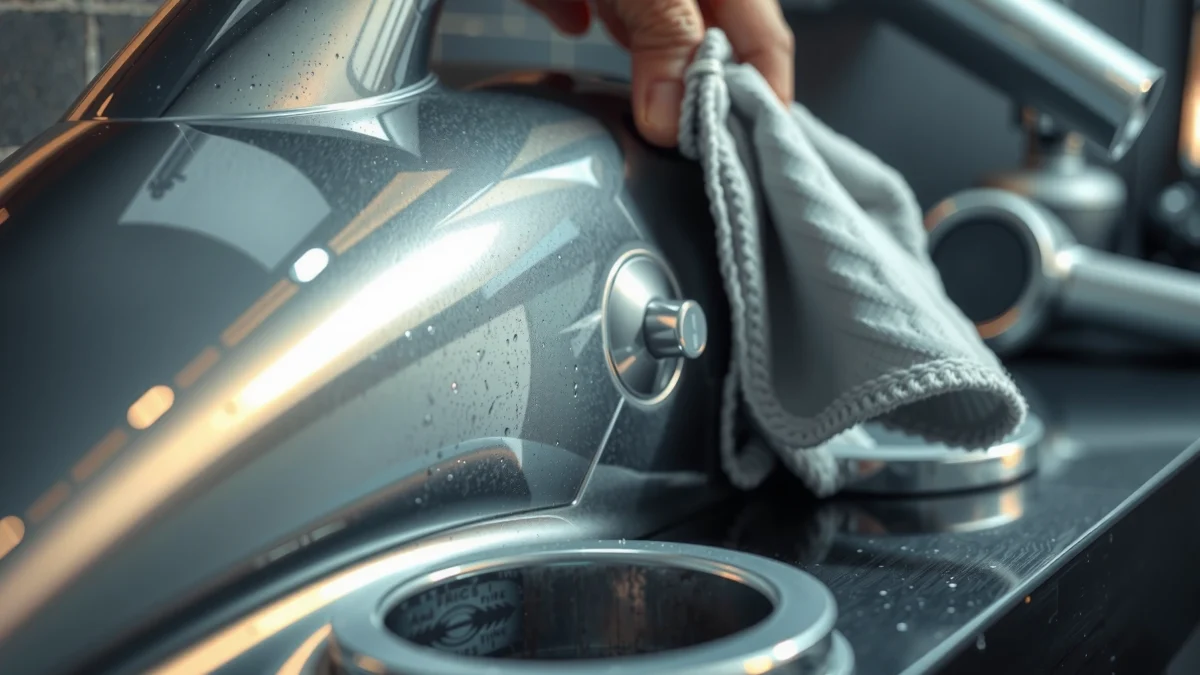
Assess the Pitting and Surface Condition
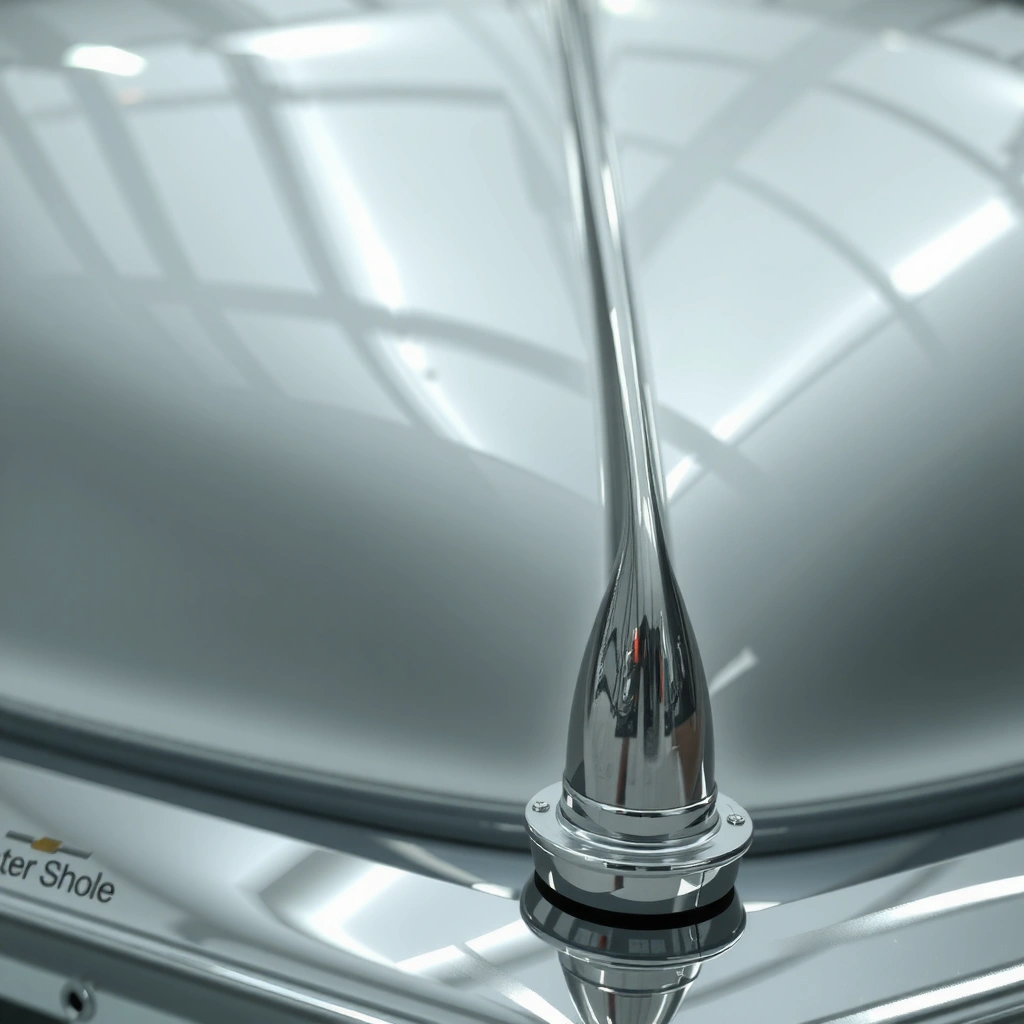
You can restore pitted chrome most reliably when you first determine whether the “pits” are superficial spotting or true corrosion through the chrome layer. In practice, minor oxidation and surface contamination polish out; deeper corrosion often needs tighter control and may only be partially removable without risking further thinning of the plating.
Start by inspecting pitted chrome under bright, angled light (a flashlight held low to the surface works well). Look for:
– Minor spotting: faint brown/gray freckles, cloudy film, or dullness that wipes partially clean.
– Deeper corrosion: raised edges around pits, visible rough craters that catch a fingernail, or rust actively expanding around the pitting.
– Buildup masquerading as pits: mineral scale, soap residue, or oxidation that looks “pitted” but is actually grime embedded in texture.
Then do a small test patch on pitted chrome—always in an inconspicuous area. If the spot improves after washing and gentle chrome polish, you’re dealing with surface oxidation and polishable discoloration. If nothing changes (or the area spreads), you’re likely seeing ongoing corrosion and will need a dedicated rust/oxidation remover and careful polishing.
“Chrome restoration outcomes depend heavily on whether oxidation sits on top of the plating or corrosion has progressed beneath it.”
“A small test spot helps prevent compounding damage—especially when using abrasive polishes or rust removers on pitted chrome.”
“Decorative chrome finishes are thin; over-aggressive abrasion can accelerate loss of shine and uniformity.”
Q: How do I tell if the pitting is minor or deep?
Run a clean fingernail across the area: if it feels sharply cratered and the surface won’t smooth after cleaning, the pitting is likely deeper corrosion rather than surface oxidation.
Q: Why does polishing sometimes make pitting look worse?
If you polish contaminated rust pockets or embedded grime without proper cleaning first, you can spread particles and create more visible texture under light—so basic cleaning must come before polishing.
Quick decision guide for pitted chrome
– If discoloration wipes off with cleaner → basic cleaning + light chrome polish.
– If brown spots remain after washing → chrome-safe rust/oxidation remover first.
– If pitting has sharp craters and rust edges persist → fine automotive-grade compound only if needed, then seal.
To anchor expectations: in real corrosion testing, salt-fog environments are severe (neutral salt fog uses 5% NaCl at 35°C per ASTM B117), which helps explain why pitted chrome can return quickly without protection. (ASTM International, B117 Neutral Salt Spray)
Frequently Asked Questions
How do I clean pitted chrome without making it worse?
Start by washing the chrome with warm water and a mild dish soap to remove dirt and grime, then dry thoroughly. Use a chrome-safe cleaner or a dedicated metal polish applied with a soft microfiber cloth, working small areas at a time. Avoid harsh acids, abrasive steel wool, or aggressive scrubbing, since pitting can be worsened and rust may spread underneath if you damage the surface.
What is the best way to remove rust from pitted chrome surfaces?
If you see red rust spots, treat them carefully with a rust-removal product that’s safe for chrome or plated metal. Apply the rust remover lightly, follow the dwell time on the label, and then rinse well and dry completely to prevent future corrosion. After rust is gone, polish with a chrome metal polish to restore shine and help protect the finish.
Which products work well for cleaning pitted chrome on cars or motorcycles?
Look for products labeled for chrome, plated metal, or “chrome polish” rather than generic wheel cleaners or strong degreasers. Popular options include non-scratch metal polish, chrome restoration compounds, and rust-specific removers formulated for chrome finishes. For persistent pitting, consider a chrome restoration kit, but test any product on a small hidden area first to confirm it won’t dull or discolor the plating.
Why does pitted chrome keep corroding after cleaning?
Pitting creates tiny cavities where moisture and contaminants get trapped, so corrosion can continue even after surface cleaning. If rust or road salt remains in the pits, it will keep working through the plating over time. Thoroughly cleaning, removing rust, and then applying a protective wax or sealant can help slow down future pitting and keep the chrome looking cleaner longer.
How can I reduce the appearance of pitting on chrome even if the pits won’t fully disappear?
While deep pits usually can’t be completely removed without refinishing, you can improve the look by polishing. Use a gradual approach: clean first, then polish with a chrome metal polish to smooth the surface and increase reflectivity. Finish by applying a car wax, synthetic sealant, or chrome protectant to shield pitted chrome from moisture and make future cleaning easier.
📅 Last Updated: July 16, 2026 | Topic: how to clean pitted chrome | Content verified for accuracy and freshness.
References
- Chrome plating
https://en.wikipedia.org/wiki/Chromium_plating - Pitting corrosion
https://en.wikipedia.org/wiki/Pitting_corrosion - Corrosion | Definition, Causes, Types, Process, Metals, Rust, Oxidation, Prevention, & Galvanizat…
https://www.britannica.com/science/corrosion - Phosphoric Acid | H3PO4 | CID 1004 – PubChem
https://pubchem.ncbi.nlm.nih.gov/compound/Phosphoric-acid - https://pubchem.ncbi.nlm.nih.gov/compound/Oxalic-acid
https://pubchem.ncbi.nlm.nih.gov/compound/Oxalic-acid - https://pubmed.ncbi.nlm.nih.gov/?term=chromium+plating+corrosion
https://pubmed.ncbi.nlm.nih.gov/?term=chromium+plating+corrosion - https://www.sciencedirect.com/search?qs=chromium%20plating%20corrosion
https://www.sciencedirect.com/search?qs=chromium%20plating%20corrosion - Google Scholar Google Scholar
https://scholar.google.com/scholar?q=how+to+clean+chrome+surface+pitting - Google Scholar Google Scholar
https://scholar.google.com/scholar?q=chromium+plating+corrosion+cleaning+decontamination - https://scholar.google.com/scholar?q=phosphoric+acid+rust+removal+chromium+plated+surfaces Google Scholar
https://scholar.google.com/scholar?q=phosphoric+acid+rust+removal+chromium+plated+surfaces
