
Cleaning plaster walls requires a gentle approach to avoid damaging the surface. The best methods include using mild cleaning solutions and non-abrasive materials. In this article, you’ll learn the essential steps and tips for effectively cleaning plaster walls while preserving their integrity.
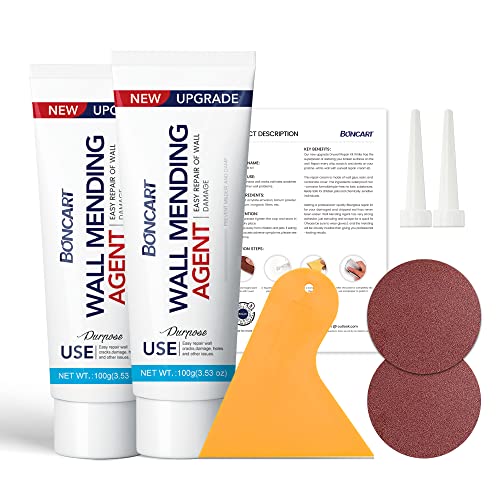



Understanding Plaster Walls

Plaster walls are typically made of lime, cement, or gypsum, which gives them a unique texture and finish. Unlike drywall, plaster is more durable and provides better sound insulation, but it is also more delicate. This means that cleaning methods must be tailored specifically to avoid damaging the surface. Over time, plaster walls can accumulate dust, stains, and even mold, making regular maintenance essential for preserving their aesthetic appeal and structural integrity. Understanding the composition of your plaster walls will help you choose the right cleaning techniques and products, ensuring that you maintain their beauty for years to come.

Preparing for Cleaning


Before diving into the cleaning process, preparation is key. Start by gathering all necessary supplies. You will need soft cloths or sponges, a mild detergent, warm water, and a bucket. Avoid any abrasive materials such as steel wool or harsh scrubbing pads that could scratch or damage the plaster surface.
Additionally, it’s wise to protect your floors and any nearby furniture. Lay down drop cloths or old towels to catch any drips or debris that may fall during the cleaning process. This precaution helps prevent additional cleaning tasks later on and keeps your space tidy.
Cleaning Light Stains

For light stains and general dirt, a simple mixture of warm water and a mild soap is usually sufficient. Start by dampening a soft cloth or sponge with the solution, making sure it’s not overly wet to prevent moisture damage. Gently wipe the stained area in a circular motion, applying minimal pressure.
It’s important to remember that excess moisture can seep into the plaster, potentially causing it to weaken or become discolored. After cleaning, use a separate damp cloth with plain water to rinse the area, followed by a dry cloth to absorb any remaining moisture. Regular gentle cleaning can significantly enhance the appearance of plaster walls and prevent the need for more intensive cleaning later.
Tackling Tough Stains
Stubborn stains such as grease, crayon marks, or water spots may require a more focused approach. One effective method is to create a paste using baking soda and water. Mix three parts baking soda to one part water until you achieve a thick paste. Apply this paste directly to the stain and let it sit for about 10-15 minutes.
Once the time has elapsed, use a damp cloth to gently rub the area in a circular motion. Baking soda acts as a mild abrasive, which helps lift stains without scratching the plaster surface. Be sure to rinse the area thoroughly with a damp cloth to remove any residual baking soda, and dry it with a soft towel to prevent water damage.
Dealing with Mold and Mildew
Mold and mildew can be particularly concerning on plaster walls, especially in areas with high humidity. To tackle these issues effectively, create a solution of equal parts water and white vinegar. Vinegar is a natural disinfectant and is safe for cleaning plaster surfaces.
Using a spray bottle, apply the vinegar solution directly to the affected areas and let it sit for about 10 minutes. After allowing the solution to penetrate the mold, use a soft brush or cloth to scrub the area lightly. It’s crucial to avoid using excessive force, as this can damage the plaster. Once done, wipe the area clean with a damp cloth and dry it thoroughly to discourage future mold growth.
Common Cleaning Solutions and Their Effectiveness on Plaster Walls
| # | Cleaning Solution | Effectiveness | Recommended For |
|---|---|---|---|
| 1 | Warm Water & Mild Soap | Good | General Cleaning |
| 2 | Baking Soda Paste | Excellent | Tough Stains |
| 3 | White Vinegar Solution | Very Good | Mold & Mildew |
| 4 | Commercial Plaster Cleaner | Excellent | Heavy Stains |
| 5 | Hydrogen Peroxide | Good | Stains & Disinfection |
| 6 | Olive Oil & Vinegar | Good | Dust & Cleaning |
| 7 | Dish Soap & Water | Good | Light Cleaning |
Finishing Touches
Once you have completed cleaning the plaster walls, it is essential to perform some finishing touches. Start by wiping down the walls with a dry cloth to eliminate any remaining moisture. This step is crucial, as lingering dampness can lead to mold growth and other issues.
If your walls are frequently exposed to water or stains, consider applying a protective sealant designed specifically for plaster. This can help create a barrier that repels dirt and moisture, making future cleaning easier. Always ensure that the sealant is compatible with your plaster type to avoid any adverse reactions.
Maintenance Tips
To keep your plaster walls looking pristine, regular maintenance is key. Dust the walls weekly with a soft, dry microfiber cloth to prevent buildup. Additionally, perform spot cleanings as soon as you notice stains to minimize their impact.
Avoid using harsh chemicals or abrasive tools that can damage the delicate surface of plaster. Instead, opt for natural cleaning remedies or commercial products specifically designed for plaster surfaces. Lastly, ensure proper ventilation in your home to reduce humidity and prevent mold growth in the first place.
Cleaning plaster walls can be straightforward if approached with care. By following these steps, you can maintain the beauty and longevity of your walls. Start by gathering your supplies and choose the appropriate cleaning method for the stains and dirt on your walls. Regular maintenance will keep your plaster walls looking fresh and clean.
Frequently Asked Questions
What is the best way to clean plaster walls without damaging them?
The best way to clean plaster walls is to use a soft cloth or sponge with a mixture of warm water and a mild detergent. Avoid harsh chemicals or abrasive cleaners, as they can damage the delicate surface of the plaster. For tougher stains, a mixture of vinegar and water can be effective, but always test in a small area first.
How do you remove stains from plaster walls?
To remove stains from plaster walls, start by gently wiping the area with a damp cloth to see if the stain lifts. For more stubborn stains, create a paste of baking soda and water, apply it to the stain, and let it sit for a few minutes before gently scrubbing with a soft brush. Rinse the area with clean water afterward to ensure no residue remains.
Why do plaster walls require special cleaning techniques?
Plaster walls require special cleaning techniques because they are porous and can absorb moisture, which may lead to damage or mold growth if not handled correctly. Additionally, plaster is more fragile than painted drywall, so using abrasive tools or harsh cleaners can cause scratches or chips. Proper cleaning methods help maintain the integrity and appearance of the plaster.
How often should you clean plaster walls to maintain their condition?
It is advisable to clean plaster walls at least once every six months to prevent dust buildup and maintain their appearance. However, high-traffic areas or spaces prone to moisture, such as kitchens or bathrooms, may need more frequent cleaning. Regular maintenance helps prevent stains and keeps the plaster looking fresh.
Which tools are best for cleaning plaster walls effectively?
The best tools for cleaning plaster walls include soft microfiber cloths, sponges, and soft-bristled brushes. These tools minimize the risk of scratching the surface while effectively removing dirt and grime. For larger areas, a vacuum with a soft brush attachment can also be helpful in removing dust without damaging the plaster.
References
- Plaster
https://en.wikipedia.org/wiki/Plaster - Plaster | Definition, Uses, Types, & Facts | Britannica
https://www.britannica.com/art/plaster - https://www.sciencedirect.com/topics/engineering/plaster
https://www.sciencedirect.com/topics/engineering/plaster - https://www.nature.com/articles/s41570-020-00283-5
https://www.nature.com/articles/s41570-020-00283-5 - 25red-About Lead-based Paint | HUD.gov / U.S. Department of Housing and Urban Development (HUD)
https://www.hud.gov/program_offices/healthy_homes/healthyhomes/lead - About Childhood Lead Poisoning Prevention | Childhood Lead Poisoning Prevention | CDC
https://www.cdc.gov/lead/lead-exposure.html - https://www.ow.ly/0z9N50GWh8T
https://www.ow.ly/0z9N50GWh8T - https://www.ow.ly/y7OZ50GWh8U
https://www.ow.ly/y7OZ50GWh8U - Google Scholar Google Scholar
https://scholar.google.com/scholar?q=cleaning+plaster+walls - Google Scholar Google Scholar
https://scholar.google.com/scholar?q=how+to+clean+plaster+surfaces
