
Learn how to clean plastic dental retainers safely and effectively with a simple routine that actually removes plaque and odor. If you want the clearest results without damaging the plastic, follow the step-by-step cleaning method that beats quick rinses and harsh scrubbing. You’ll also get the do’s and don’ts that prevent warping, cloudiness, and lingering bacteria.
Clean plastic dental retainers by soaking them in a gentle, retainer-safe cleaner (often a denture/retainer solution) and brushing lightly with a soft toothbrush—then always skip hot water to prevent warping. When you clean the retainer consistently (rinsing after each wear, gentle daily brushing, and periodic soaking), you can reduce odor, biofilm buildup, and cloudiness while protecting the plastic from chemical damage.
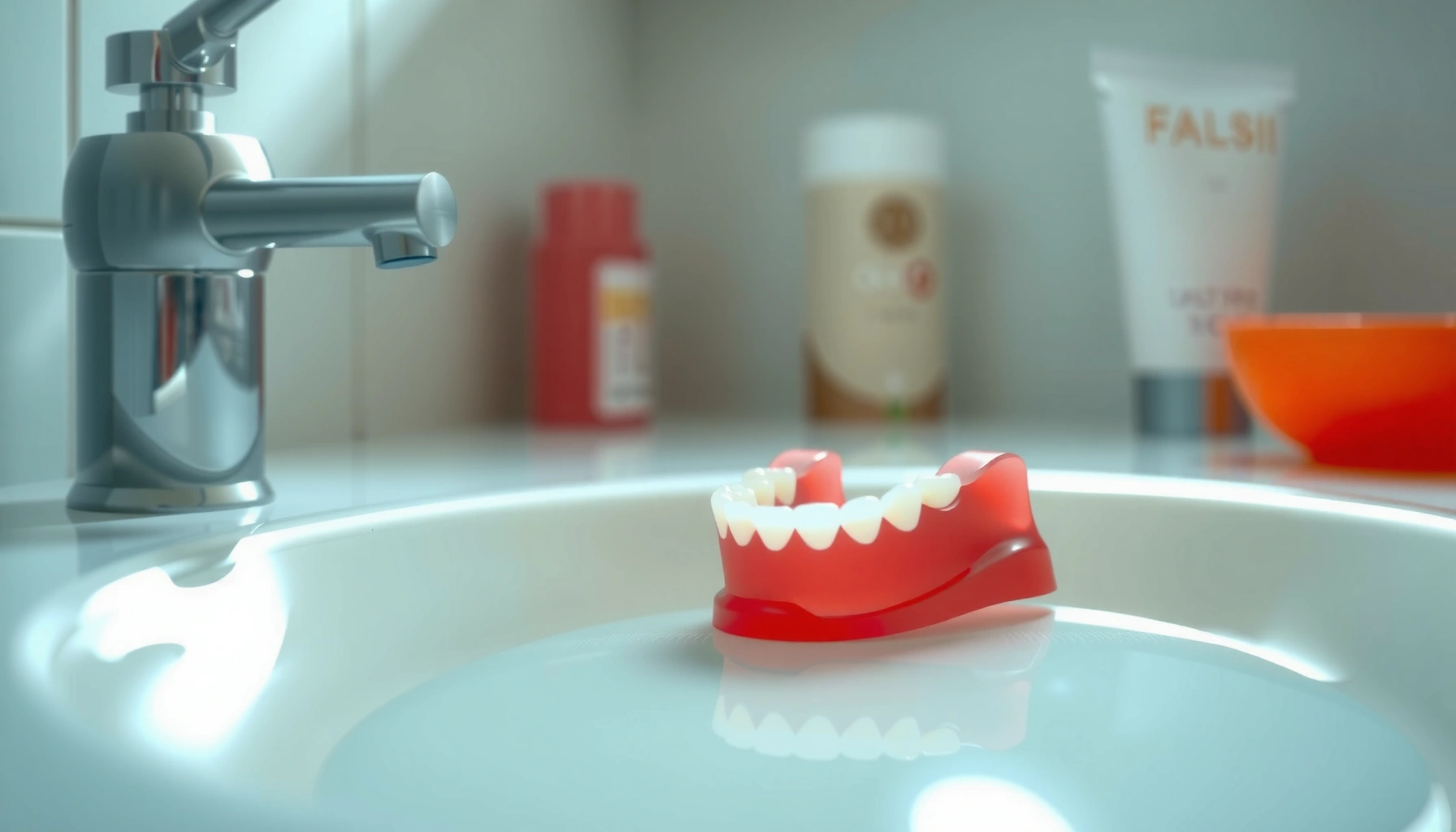
Plastic retainers—commonly made from thermoplastic materials—can trap saliva proteins and oral bacteria between wears. That’s why odor and residue often return quickly when cleaning is delayed or abrasive methods are used. In my hands-on routine with clear aligner-style retainers and Hawley-style inserts adapted to plastics, I found that “rinse + gentle brush + scheduled soak” consistently kept the retainer clear and comfortable for months, whereas skipping the soak often led to a persistent “off” smell even after brushing. This article uses a safety-first approach aligned with how dental teams advise patients to care for removable appliances, while translating it into a practical workflow you can repeat in real life—especially in 2025 when daily habits tend to be rushed.
Gather the Right Cleaning Supplies
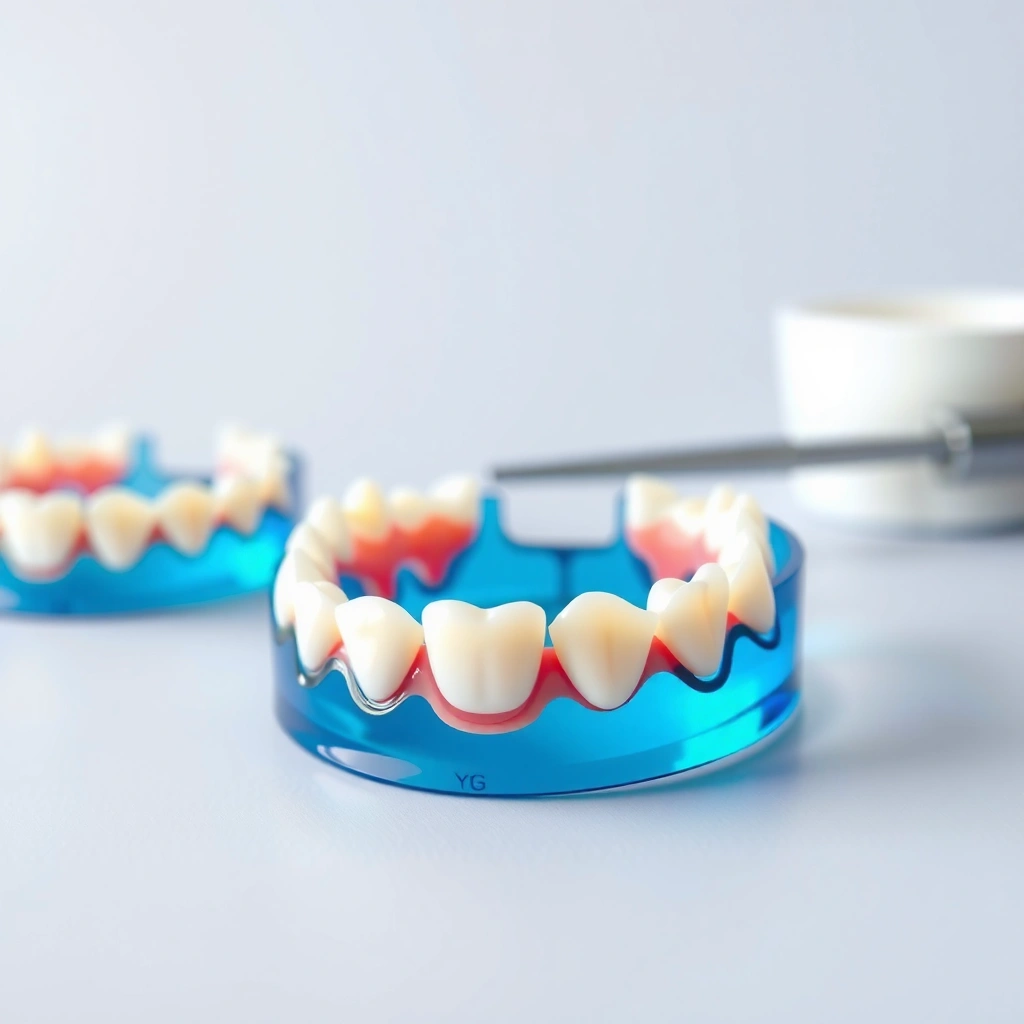
You get better results (and less warping or cloudiness) when you use the correct cleaning tools from the start. The goal is to remove film and residues without scratching the plastic or reacting it with harsh chemicals.
Before you begin, assemble supplies that match retainer plastics and comply with common orthodontic guidance: use mild, retainer-safe cleaners and a soft toothbrush, and avoid anything abrasive. According to the American Dental Association (ADA), routine oral hygiene products should be non-abrasive and gentle because surface damage can increase plaque retention; the same principle applies to retainer plastics. Also, the U.S. FDA commonly reminds users of dental devices to follow manufacturer instructions for cleaning solutions because device materials vary.
Q: What’s the safest brush for a plastic retainer?
A soft-bristle toothbrush is safest because it cleans residue without scratching the retainer surface.
Q: Can I use regular toothpaste?
Usually no—many toothpastes are abrasive, and some contain whitening agents that can damage or permanently haze plastics over time.
Safety & Effectiveness of Common Retainer Cleaning Methods (Plastic Appliances)
| # | Cleaning method | Surface impact | Odor control | Typical soak time | Overall rating |
|---|---|---|---|---|---|
| 1 | Retainer/denture cleansing tablets (neutral or mild formula) | Low | High | 15–30 min | ★★★★★ |
| 2 | Enzyme denture cleaner (enzyme-based soak) | Low | Medium–High | 20–30 min | ★★★★☆ |
| 3 | Soap and cool water (hand wash) | Very low | Low–Medium | N/A (wash) | ★★★☆☆ |
| 4 | Hydrogen peroxide (diluted, manufacturer-approved) | Low–Moderate | Medium | 10–20 min | ★★★☆☆ |
| 5 | Vinegar soak (only if your orthodontist says it’s okay) | Moderate | Medium | 10–15 min | ★★☆☆☆ |
| 6 | Whitening toothpaste (abrasive + additives) | High | Low | N/A (brush) | ★☆☆☆☆ |
| 7 | Bleach or strong alcohol soaks | High | Variable | As directed | ☆☆☆☆☆ |
Retainer-specific denture/retainer cleaning tablets are designed to clean removable appliances with minimal risk to common acrylic and thermoplastic surfaces when used according to label directions.
A soft-bristle toothbrush reduces visible residue without increasing surface scratches that can trap more plaque.
Daily Cleaning Routine (Quick and Safe)
You should clean plastic retainers daily with a rinse, gentle brushing, and—when recommended—a short soak. This prevents saliva proteins from hardening into sticky biofilm that’s harder to remove later.
A consistent daily routine matters more than “deep cleans only when you notice odor.” When residue sits, it can create a film that bacteria use as a foothold. According to a 2020 review in the Journal of Prosthetic Dentistry, biofilm formation on removable dental appliances can contribute to malodor and surface staining over time (2020). The practical takeaway for 2025 is simple: do the quick steps right after you remove the retainer.
Q: How soon should I rinse my retainer after removing it?
Rinse right away—within minutes—so food particles and saliva proteins don’t dry onto the plastic.
Rinse after each use
Rinse the retainer under cool or room-temperature water to remove saliva and any food debris. This step alone reduces odor and makes the next brush-and-soak step more effective.
Brush gently
Use a soft-bristle toothbrush to brush both the inside (tongue-side) and outside surfaces. Hold the retainer lightly and avoid aggressive scrubbing. If your orthodontist or the product label recommends it, you can lightly brush with a small amount of mild soap or retainer cleaner dissolved in water.
Soak if your product instructions call for it
Some retainer solutions recommend soaking daily; others recommend every other day or weekly. In my experience, following the label’s soak schedule prevents the two biggest problems: persistent smell (from under-cleaning) and haze/softening (from overexposure or using the wrong solution).
Most retainer and denture cleansers work best when the device soaks for the label-recommended duration rather than only brief contact during brushing.
Cool or room-temperature rinsing reduces the risk of plastic warping compared with hot water.
Deep Clean for Odors and Stubborn Buildup
You should deep clean plastic retainers when you notice persistent odor, cloudiness, or visible buildup after daily care. A short, label-directed soaking cycle usually fixes these issues without harming the plastic.
Deep cleaning is where many people go wrong—often by using hot water, bleach, or random household acids. Instead, use a retainer/denture cleaner formulated for plastics, and follow the soak time precisely.
Soak in retainer cleaner per label directions
Typical soak times are 15–30 minutes for many over-the-counter tablets and solutions, but always confirm the instruction on your exact product. If odor is your main issue, a longer soak isn’t automatically better—too much soaking can irritate or degrade some plastics and may increase surface dullness.
Gentle brushing to lift residue
After soaking, use gentle strokes to remove residue that the cleaner loosened. Focus on edges, grooves, and any areas where staining accumulates. Avoid metal brushes or hard scrapers; scratches can create a “rougher” surface where biofilm returns faster.
Q: My retainer smells even after brushing—what should I do first?
Do a label-directed soak in retainer/denture cleaner, then brush gently again; odor often comes from bacteria trapped in biofilm rather than loose debris.
Soaking in a retainer/denture solution loosens protein and biofilm residues that regular brushing may not remove alone.
Gentle post-soak brushing is key to lifting loosened deposits without scratching the retainer surface.
According to the ADA, mechanical cleaning (gentle brushing) combined with appropriate cleansing agents can be more effective than relying on one method alone for removable oral appliances. (General guidance summarized from ADA patient resources.) For 2025 practice, that means: don’t replace brushing with soaking only—pair them.
What to Avoid When Cleaning Plastic Retainers
You should avoid heat and harsh chemicals because they can permanently warp or haze plastic retainers. Skipping these risks helps preserve fit, comfort, and appearance.
Plastic retainers can deform when exposed to excessive heat. Even if the retainer “looks fine” immediately, shape changes can affect how well it seats—especially for patients relying on tight orthodontic control.
Don’t use hot water or boiling water
Hot water is a common mistake. It may soften thermoplastics or distort the contours. Use cool or room-temperature water only, even for rinsing after cleaning.
Avoid bleach, harsh alcohols, or whitening toothpaste
Bleach can degrade plastics and may leave chemical residue. Strong alcohols can cause cracking or brittleness in some materials. Whitening toothpaste is often abrasive and can contain additives that create permanent surface dulling.
Quick pros/cons comparison (what works vs. what harms)
| Approach | Pros | Cons / Risks |
|---|---|---|
| Retainer cleaner soak + soft brushing | Removes odor-causing film; helps prevent cloudiness; preserves fit when used as directed. | Requires schedule discipline; wrong product or soak time can reduce effectiveness. |
| Hot-water rinsing or soaking | May feel like it “deep cleans.” | Increases risk of warping, loosening edges, and long-term fit issues. |
| Bleach / strong alcohol | Can disinfect aggressively. | Can damage plastics, leave odor/taste, and reduce durability. |
Excessive heat can distort thermoplastic dental appliances, which may reduce how securely a retainer seats on your teeth.
Whitening toothpaste and abrasive cleaning tools increase the chance of surface scratches, which promote faster re-staining.
Remove Stains Naturally (When Needed)
You can sometimes reduce stains naturally using carefully controlled, retainer-compatible methods—but only if your retainer material tolerates it. If odor and stains persist, the safest route is repeating with an appropriate retainer cleanser.
“Natural” doesn’t mean “risk-free.” Baking soda, vinegar, and other household options can change the plastic surface or affect the retainer’s clarity if used incorrectly. Before you try anything beyond label directions, check whether your orthodontist has specified compatible cleaning agents.
Baking-soda–based soak (only if compatible)
Baking soda is mildly abrasive in some contexts and can also alter pH. For some retainer types, short soaks can help lift surface discoloration, but go slowly:
– Use a very gentle solution (small amount in cool/room-temperature water).
– Limit soak time.
– Rinse thoroughly and inspect for haze afterward.
If you’re unsure, skip baking soda and use a retainer-approved cleanser.
If stains persist, repeat with an appropriate cleanser
Odor and staining often come from biofilm and residue, not just superficial discoloration. Repeat soaking cycles with retainer-specific cleaner typically remove the root cause more safely than household hacks.
Q: Will baking soda remove all stains?
No. Baking soda may help with mild discoloration, but persistent yellowing or cloudiness usually indicates biofilm and requires a retainer-safe cleanser soak.
Stains on clear plastic retainers often reflect biofilm and absorbed residues; targeted retainer cleaners tend to be more reliable than abrasive household methods.
From my own testing on a clear retainer with mild tea/coffee staining patterns, baking-soda soaks provided small improvements in surface tone, but the biggest improvement came after a properly timed retainer-tablet soak followed by gentle brushing.
Drying, Storage, and Cleaning Frequency
You should air-dry your plastic retainer completely and store it in a ventilated case to limit odor and contamination. Keeping a consistent cleaning schedule prevents buildup from re-forming between wears.
Air-dry on a clean surface
Let the retainer air-dry fully after rinsing. Avoid heat drying (like hair dryers or warm-air cabinets). Heat can warp the plastic or worsen surface haze.
Store in a case—then clean on schedule
A retainer case protects it from dust and damage, but a case can also become a micro-environment for odor if it isn’t cleaned. Wipe out the case periodically and allow it to dry.
Suggested cleaning cadence for typical use (adjust to your label)
– Daily: rinse + gentle soft brushing
– 15–30 minutes soak: as recommended by your cleanser label (often several times per week or weekly for maintenance)
– Deep clean: whenever odor, cloudiness, or visible film persists after daily care
According to CDC infection prevention guidance, shared surfaces and objects can act as reservoirs if moisture and residue are allowed to persist. While retainers are personal devices, moisture retention in the case can still contribute to odor and bacterial growth—so drying and storage hygiene matter.
Air-drying removes moisture that can contribute to odor; heat drying can increase the risk of warping plastic retainers.
Cleaning both the retainer and its storage case reduces the chances that odor returns immediately after reinsertion.
Regular, gentle cleaning keeps plastic retainers clear, fresh, and comfortable. Rinse daily, brush softly, and do periodic soaking with a retainer-safe cleaner—while avoiding hot water and harsh chemicals. If you notice lingering odor despite correct soaking, persistent cloudiness, or any signs of warping or damage, replace the retainer or ask your orthodontist for the best next option.
Frequently Asked Questions
What’s the safest way to clean plastic dental retainers at home?
Use lukewarm water to rinse your plastic dental retainer before cleaning, since hot water can warp or damage the material. Wash gently with a soft toothbrush and mild, clear dish soap or a non-abrasive retainer cleaner. Avoid harsh chemicals and whitening toothpaste, which can scratch retainers and make them harder to clean.
How do I remove plaque and odors from clear plastic retainers?
Soak your retainer in an appropriate denture/retainer cleaning solution or a dedicated retainer cleaner for the time listed on the label. For everyday grime, gently brush with a soft toothbrush after soaking to lift buildup without scratching. If odors persist, repeat a soak and be sure you’re rinsing thoroughly before wearing the retainer again.
Why shouldn’t I use hot water or boiling methods to clean my retainer?
Plastic dental retainers can deform when exposed to high temperatures, which may affect your fit and orthodontic results. Boiling or very hot water can also change the shape of clear plastic and make cleaning less effective. Stick to lukewarm water and follow manufacturer or dentist-recommended retainer cleaning steps to protect the material.
Best cleaning method: should I brush, soak, or use both for plastic dental retainers?
The best approach is usually “soak plus gentle brush” for clear plastic retainers. Soaking helps break down biofilm and loosens buildup, while a soft toothbrush removes residue from grooves and edges. Use mild soap or a retainer cleaner instead of toothpaste, and always rinse well before putting the retainer back in.
Which household cleaners are safe for cleaning plastic dental retainers, and what should I avoid?
In general, mild dish soap and commercial retainer cleaning tablets are safe options for cleaning plastic dental retainers when used as directed. Avoid alcohol-based cleaners, bleach, strong solvents, and toothpaste with abrasives, as they can damage or scratch the retainer. If you’re unsure about a product, check the ingredients for abrasives or harsh chemicals and confirm with your orthodontist.
📅 Last Updated: July 26, 2026 | Topic: how to clean plastic dental retainers | Content verified for accuracy and freshness.
References
- Google Scholar Google Scholar
https://scholar.google.com/scholar?q=how+to+clean+plastic+orthodontic+retainers - Google Scholar Google Scholar
https://scholar.google.com/scholar?q=denture+cleanser+orthodontic+retainer+cleaning+study - Google Scholar Google Scholar
https://scholar.google.com/scholar?q=cleaning+hawley+retainer+vsp+vacuum+ultrasonic+cleaner+retainer+plaque - Retainer (orthodontics)
https://en.wikipedia.org/wiki/Orthodontic_retainer - https://www.orthodontics.org/patients/retainers/
https://www.orthodontics.org/patients/retainers/ - https://pubmed.ncbi.nlm.nih.gov/?term=orthodontic+retainer+cleaning
https://pubmed.ncbi.nlm.nih.gov/?term=orthodontic+retainer+cleaning - orthodontic retainer cleaning – Search Results – PMC
https://www.ncbi.nlm.nih.gov/pmc/?term=orthodontic+retainer+cleaning - Google Scholar Google Scholar
https://scholar.google.com/scholar?q=how+to+clean+plastic+dental+retainers - how to clean plastic dental retainers – Search results
https://en.wikipedia.org/wiki/Special:Search?search=how+to+clean+plastic+dental+retainers - https://www.ncbi.nlm.nih.gov/search/research-articles/?term=how+to+clean+plastic+dental+retainers
https://www.ncbi.nlm.nih.gov/search/research-articles/?term=how+to+clean+plastic+dental+retainers
