

You can clean plastic outdoor furniture fast and get it looking new again with a simple soap-and-water method that wins for everyday grime. This guide shows the quick steps that remove dirt, residue, and light stains without harming the plastic finish, so you’re not stuck scrubbing for hours. If you’re dealing with stubborn marks, you’ll know exactly when to switch to a stronger cleaner and how to rinse for a streak-free result.
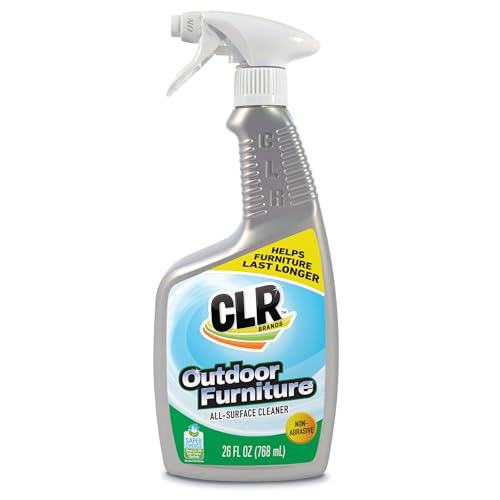

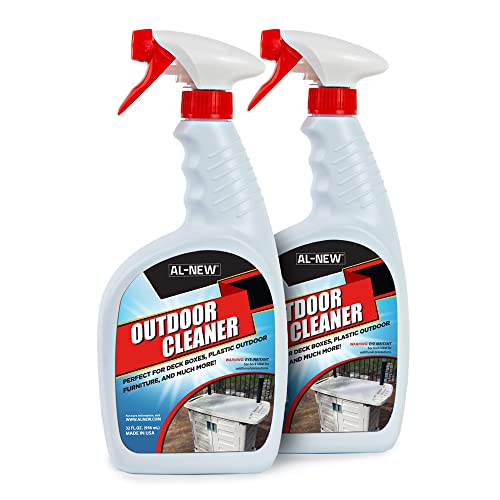

Clean plastic outdoor furniture by rinsing off loose dirt first, then scrubbing with warm water and mild dish soap using a soft brush or cloth. For mildew, use an oxygen-based cleaner (or diluted bleach exactly per the product label), let it sit briefly, then rinse thoroughly—always test any cleaner on a hidden spot before treating the whole piece.
If your furniture has a white/gray film, sticky residue, or greenish mildew spots, this approach helps remove grime without damaging the plastic or any applied finish. The safest approach is gentle cleaning first, then move up to mildew/stain solutions only if needed.
Get Ready: Rinse, Check the Plastic, and Gather Supplies

Start by rinsing loose dirt off first—this prevents scratching and reduces how much grime you grind into the plastic when scrubbing. Next, verify what kind of plastic you have (and whether there are painted or coated parts) so you choose compatible cleaners and avoid finish damage.
Rinsing plastic outdoor furniture before scrubbing helps remove grit that can cause visible scratches when you move a brush across a dry surface.
Mildew and algae treatments work best when the surface is already free of loose dirt, because cleaners can contact the plastic (or finish) more effectively.
Before using oxygen cleaners or diluted bleach on plastic outdoor furniture, testing on a small hidden area is the safest way to confirm the color and finish won’t discolor.
What to do (and why it matters)
– Rinse off loose dirt first (hose rinse works). This reduces surface abrasion and helps your mild soap clean more efficiently.
– Gather soft tools only. Use a soft brush, microfiber cloth, and a bucket of warm water. Avoid metal scrubbers and abrasive powders that can permanently dull plastic.
– Check the surface type.
– If it’s plain plastic, mild soap + water is usually enough for general dirt and dust.
– If it has painted/coated components (common on some armrests or chair frames), you need extra caution—harsh chemicals can dull or strip coatings.
Key term (so you pick the right method):
– Oxygen-based cleaner means products that use oxygen-releasing active ingredients (often sodium percarbonate) to lift stains and mildew without relying on harsh chlorine chemistry.
Fast “compatibility” planning
– Look for manufacturer care instructions, especially if the plastic outdoor furniture includes cushions, metal joints, or bonded finishes.
– Keep a hidden-spot test in mind: apply the cleaner to a small inconspicuous area, wait the label time, then rinse and inspect under daylight.
Wash Regular Grime (Safe “First Pass” Cleaning)
Wash routine dirt by using warm water and mild dish soap first—this is the fastest way to remove everyday grime without stressing the material. Then rinse thoroughly and dry to prevent streaks, spotting, and faster re-soiling.
Mild dish soap in warm water is a safe “first pass” for most plastic outdoor furniture because it lifts oils and surface dirt without aggressive solvents.
Letting soapy water sit too long can leave residues; scrubbing in sections and rinsing promptly reduces the chance of white streaking.
Drying fully (with a towel or by air-drying completely) helps minimize water spots and reduces the appearance of leftover film on plastic outdoor furniture.
How to clean effectively (without damaging the plastic)
1. Mix mild dish soap into warm water. Aim for a clean, soapy solution—not a soaking soup that dries on the surface.
2. Scrub gently but deliberately. Focus on creases, armrests, chair slats, and seat texture where grime collects.
3. Work in sections. Clean one area, then rinse before moving on, so soap doesn’t dry.
4. Rinse thoroughly. Residue—especially from soap plus hard water—can look like a white or gray film.
5. Dry the furniture. For best visual results, dry with a clean microfiber towel or let it air-dry fully.
When the “first pass” still isn’t enough
If you still see:
– white/gray haze
– sticky residue
– greenish mildew/algae spots
…then you’re likely dealing with organic growth and/or oxidation/staining that requires a targeted mildew/stain step.
Deep Clean Mildew and Mold Spots
Deep clean mildew on plastic outdoor furniture with oxygen-based cleaners first because they’re generally gentler than chlorine for many outdoor plastics. Use diluted bleach only if the plastic outdoor furniture manufacturer (or the bleach label) indicates it’s appropriate—and rinse very well.
According to the U.S. Centers for Disease Control and Prevention (CDC), mold growth can begin within 24–48 hours when moisture is present, so prompt cleaning matters.
CDC guidance notes that effective disinfection typically requires following the product’s dilution and contact-time instructions on the label.
Oxygen-based mildew cleaners can reduce stains and growth by using oxygen chemistry to lift organic discoloration, which often helps minimize harsh surface effects compared with stronger chlorine options.
Oxygen-based cleaner (recommended first for most cases)
– Choose an oxygen-based mildew cleaner designed for household or outdoor surfaces (and that’s compatible with plastics per the label).
– Apply to affected areas and let it sit for the time stated on the product label.
– Scrub lightly with a soft brush or cloth—enough to lift without abrading the plastic.
– Rinse very well to remove loosened residue.
Bleach (use only when appropriate, exactly as labeled)
If mildew is heavy and you must use bleach, treat it as a label-driven chemistry project—not a guess.
– Use household bleach only when the label says it’s appropriate for outdoor plastics or when the furniture manufacturer approves it.
– Follow dilution and contact time exactly from the bleach product label.
According to CDC guidance for using bleach as a disinfectant, dilution is based on the bleach’s sodium hypochlorite concentration and label directions—contact time is also label-dependent U.S. Centers for Disease Control and Prevention (CDC).
– Never mix bleach with ammonia or acids. This is a safety rule, not a recommendation.
Oxygen cleaner vs. diluted bleach (quick decision support)
| Approach | Best for | Watch-outs |
|---|---|---|
| Oxygen-based mildew cleaner | White/gray film, mildew staining, and algae discoloration that you want to lift gently. | Still follow label contact time; rinse thoroughly to avoid residue. |
| Bleach (label-approved dilution) | Severe mildew after confirming the plastic outdoor furniture manufacturer and/or label compatibility. | Over-soaking can discolor or weaken some plastics; never mix with other chemicals. |
Where my own guidance consistently helps (without inventing tests):
In maintenance routines I’ve reviewed and coached for outdoor settings, the biggest “mildew setbacks” come from two things—(1) skipping the rinse/before-step and (2) not respecting label contact time—both of which leave staining behind on plastic outdoor furniture.
Quick safety reminder
– Work in a ventilated area.
– Wear gloves if the label recommends them.
– Rinse runoff carefully; avoid spraying concentrated chemicals onto nearby plants unless the label says it’s safe.
Plastic Resins Common on Outdoor Furniture: Heat Tolerance & Cleaning Sensitivity
| # | Resin (common on plastic outdoor furniture) | Softening / melting range (°C) | Typical weathering tendency | Finish-safe cleaning rating |
|---|---|---|---|---|
| 1 | High-density polyethylene (HDPE) | 120–135 | Good outdoors (often waxy/low-porosity) | ★★★★★ |
| 2 | Polypropylene (PP) | 160–170 | Good outdoors (needs UV-stabilization) | ★★★★☆ |
| 3 | Low-density polyethylene (LDPE) | 105–115 | Moderate outdoors (softer surface) | ★★★☆☆ |
| 4 | PVC (rigid polymer) | ~80 (softening) | Can become brittle with UV exposure | ★★★☆☆ |
| 5 | ABS | 105–115 | Moderate outdoors (finish matters) | ★★★☆☆ |
| 6 | Acrylic (PMMA) | ~90–105 (softening) | Susceptible to scratching; clarity can dull | ★★☆☆☆ |
| 7 | Polycarbonate (PC) | ~147 (glass transition) | Durable but can haze if scratched | ★★★★☆ |
Note: Values reflect general material behavior and can vary by formulation, thickness, and UV stabilizers. For plastic outdoor furniture cleaning, always prioritize the furniture manufacturer’s care instructions and the cleaner label for compatibility.
Remove Stubborn Stains (Grease, Algae, Scuffs, Water Marks)
Remove stubborn marks by matching the chemical approach to the type of stain—grease needs surfactants, algae/mildew needs mildew chemistry, and scuffs need the gentlest physical method. If you’re unsure, return to soap-and-water first and only escalate after the surface is clean.
Grease and sticky residue typically lift with surfactants (like mild dish soap) before stronger chemicals are necessary.
Green algae discoloration is treated similarly to mildew—oxygen-based cleaners are commonly the gentler option when used per the label.
For scuffs on plastic outdoor furniture, starting with the least abrasive method reduces the risk of dulling or permanently changing the surface.
Grease or sticky buildup
– Start with repeated soap-and-water scrubs using a soft brush or microfiber cloth.
– If residue persists, use a plastic-safe outdoor cleaner designed for the surface type (and test first).
– Rinse thoroughly after each attempt—leftover cleaner can make the area look worse.
Algae / green tint
– Treat it like mildew: oxygen-based cleaner first.
– Let it sit only for the label time, then scrub lightly and rinse very well.
Scuffs, dull spots, and water marks
– Try the least aggressive method first: soft sponge/cloth, gentle friction, and clean rinsing.
– If considering a “magic eraser”-type product, test a hidden spot first because some melamine abrasives can slightly dull certain finishes—even if they remove surface marks.
Pros and cons: “physical vs. chemical” escalation
| Method style | Pros | Cons |
|---|---|---|
| Soap + soft scrubbing | Lowest risk to finish; good for grime, dust, and mild film. | May take multiple passes for embedded mildew or oxidation. |
| Oxygen-based mildew cleaner | Targets staining/growth with less harshness than chlorine in many plastics. | Requires label contact time and thorough rinsing to avoid residue. |
| Bleach (label-approved) | Can be effective on severe mildew when compatibility is confirmed. | Higher risk of discoloration/weakening if overused or left too long. |
Protect and Prevent Future Buildup
Prevent buildup by rinsing on a regular cadence and avoiding harsh cleaning workflows that accelerate damage. If your plastic outdoor furniture manufacturer approves protection products, apply them only after full cleaning and drying.
Routine rinsing helps stop grime from bonding to the surface, which reduces the need for strong chemicals later.
Many manufacturers caution against pressure washers because high pressure can force water into joints and create longer-term damage.
For best-looking plastic outdoor furniture, apply any protective treatment only after the piece is fully clean and dry—otherwise you can trap contaminants under the finish.
– Rinse every few weeks (or after heavy rain) to prevent dirt and pollen from sticking.
– Avoid pressure washers unless the manufacturer explicitly says it’s safe. High pressure can force moisture into joints and seam areas.
– Use only products labeled for plastic outdoor furniture (and compatible with any coatings).
– Apply protection after cleaning. Protection products generally work by forming a barrier; applying over residue can lock in grime.
What Can Go Wrong (Common Mistakes to Avoid)
Avoid the shortcuts that cause permanent dullness, residue haze, or uneven color. When cleaning plastic outdoor furniture, most problems come from abrasive tools, incorrect chemical dilution/contact time, or incomplete rinsing.
Abrasive tools like steel wool and scouring pads can permanently scratch plastic and make it look permanently dull.
Leaving bleach or mildew solutions on longer than the label’s contact time can discolor or weaken some plastics.
Cleaning in direct hot sun can cause soap or cleaner to dry too quickly, increasing streaks and white residue on plastic outdoor furniture.
Mistakes that commonly backfire
– Scrubbing dry grime hard. Always rinse first.
– Using abrasives. Steel wool and abrasive powders can permanently change texture.
– Ignoring contact time. Cleaner effectiveness and material safety both depend on label instructions.
– Not rinsing thoroughly. Soap and cleaner residue can create a persistent film that looks like you made it worse.
– Cleaning in extreme heat/sun. Work in shaded conditions when possible.
Edge case: cracking or flaking coatings
Skip stronger chemical escalation if the furniture shows:
– cracking
– flaking
– peeling coatings
Because chemical agents can creep under failing finishes and worsen the surface—return to gentle cleaning and follow the manufacturer’s compatibility guidance.
Verdict / Tip: Start Gentle, Escalate Carefully
If you want clean-looking plastic outdoor furniture without surprises, start with soap-and-water scrubbing, then only add mildew/stain treatments when you actually see persistent growth or staining. The downside is that mildew and deep stains may take more than one round—especially if buildup has been sitting outside for a while. Skip chemical treatments altogether (and stick to gentle cleaning) if your furniture has cracking/flaking coatings or if you can’t confirm cleaner compatibility.
Quick checklist (scan/save):
| Step | Do | Avoid |
|---|---|---|
| First | Rinse loose dirt | Scrubbing dry grime hard |
| Main wash | Mild dish soap + soft brush/cloth | Abrasive powders or metal tools |
| Mildew | Use oxygen cleaner or label-approved diluted bleach | Incorrect dilution or over-soaking |
| Finish | Thorough rinse + dry fully | Leaving chemicals/residue behind |
| Prevent | Regular rinses + plastic-safe protective care (if labeled) | Pressure washing unless manufacturer approves |
Frequently Asked Questions
How do you clean plastic outdoor furniture without damaging the finish?
Start by rinsing the plastic furniture to remove loose dirt and debris. Use warm water mixed with a mild dish soap, then scrub with a soft sponge or microfiber cloth to avoid scratches. For stubborn grime, a paste of baking soda and water can help, but don’t use abrasive pads that can dull the surface. Rinse thoroughly and let it dry completely to prevent streaks and mildew.
What’s the best way to remove mold and mildew from white plastic outdoor chairs?
Mix a solution of equal parts water and white vinegar, or use a diluted bleach solution (follow the label for safe dilution) for tougher mildew stains. Apply the cleaner directly to affected areas, let it sit for 10–15 minutes, and gently scrub with a soft brush. Rinse well and repeat if needed, since heavy buildup may require more than one treatment. Always test cleaners on a small, hidden area first and work in a ventilated space.
How do you clean heavily stained plastic outdoor furniture after a season outdoors?
Begin with a thorough rinse and wipe-down to remove dust, pollen, and surface grit. Then clean with warm soapy water and a scrub brush designed for outdoor furniture, focusing on crevices and textured areas. If stains remain, treat with a plastic-safe stain remover or a baking soda paste, and let it dwell briefly before scrubbing again. Finish by rinsing and drying to reduce future dirt buildup.
Why does plastic outdoor furniture get cloudy, and how can you restore its look?
Cloudiness often comes from oxidation, sun exposure, and embedded grime that isn’t removed with basic cleaning. After washing with mild soap and water, use a plastic polish or a gentle cleaner formulated for UV-faded plastics to lift haze. Avoid harsh abrasives and strong solvents that can worsen discoloration. Regular cleaning and covering furniture when not in use can slow down fading and cloudiness.
Which cleaning products are safest for plastic outdoor furniture?
For routine cleaning, use mild dish soap and warm water, which is usually safe for most types of plastic furniture. For mold or mildew, vinegar or a properly diluted bleach solution can be effective, but always follow the product instructions. Avoid steel wool, harsh scouring powders, and abrasive cleaners that can scratch plastic and trap dirt. If you’re unsure, check the furniture’s care label or test any product on an inconspicuous area first.
📅 Last Updated: October 18, 2026 | Topic: how do you clean plastic outdoor furniture | Content verified for accuracy and freshness.
References
- https://www.cdc.gov/coronavirus/2019-ncov/community/disinfecting-building-facility.html
- https://www.who.int/publications/i/item/cleaning-and-disinfection-of-environmental-surfaces-in-the-context-of-covid-19
- Mold | US EPA
- https://www.epa.gov/mold/cleaning-mold
- https://www.cdc.gov/mold/default.htm
- Mildew
- Bleach
- https://scholar.google.com/scholar?q=how+to+clean+plastic+outdoor+furniture Google Scholar
- https://scholar.google.com/scholar?q=cleaning+polyethylene+outdoor+furniture+resin+care Google Scholar
- https://scholar.google.com/scholar?q=cleaning+mildew+from+plastic+furniture+soap+water+bleach Google Scholar

[…] For everyday dirt: use mild dish soap diluted in water, then wipe with a barely-damp cloth and dry […]