

You can clean plated gold jewelry without removing the gold layer, and the method matters more than the cleaner you choose. This guide shows the safest step-by-step way to remove grime and restore shine while protecting the thin plating that can wear off with harsh scrubbing. If you want the quickest path to clean, streak-free results, follow these do’s and don’ts before you reach for polish or dips.
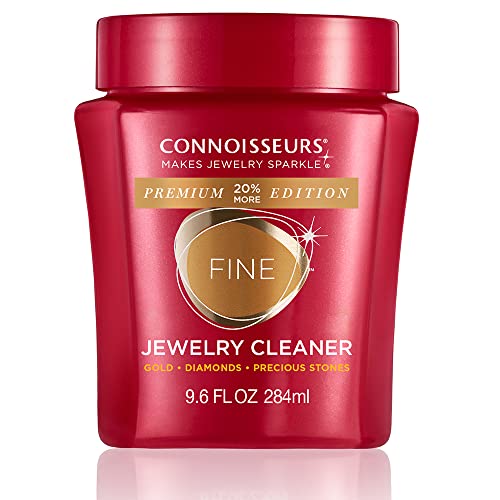



Plated gold jewelry should be cleaned gently with mild soap and soft materials—avoid harsh cleaners and soaking for long periods. Use a soft cloth for regular cleaning, and only use a quick, diluted bath when needed, then rinse and dry thoroughly. This approach helps lift dirt and oils without accelerating wear of the gold plating.
If you wear plated gold daily (or you’ve noticed dullness, residue, or dark spots around edges), this guide is for you. It’s also useful when you want to refresh necklaces, earrings, bangles, or rings that aren’t solid gold but have a gold finish.
What “plated gold” needs (and what it doesn’t)

Plated gold jewelry needs surface-safe cleaning that removes skin oils, lotions, and everyday grime—without grinding or chemically attacking the thin gold layer. The big idea is simple: you’re cleaning dirt, not trying to “polish away tarnish.”
Because plating is a thin coating, plated gold jewelry responds differently than solid gold when it comes to cleaners, heat, and abrasion. Even “gentle” metal polish can be too aggressive once the gold plating is already thin in high-wear areas like clasps, prongs, and ring shoulders.
Gold plating is a deliberately thin layer, so treatments that rely on abrasion or strong chemistry can shorten the coating’s life.
Cleaning plated gold jewelry should prioritize removing oils and residues rather than scrubbing to “restore shine” through mechanical polishing.
Heat and long soaking can increase risk to plated gold jewelry because water, detergents, and trapped moisture can affect the base metal and surface finish.
Why the “thin layer” changes everything
Gold plating is typically measured in very small thicknesses (commonly in the sub-micron to few-micron range, depending on the product). That thickness matters because wear starts at the surface first—especially at edges and points of friction.
Key implications for plated gold jewelry:
– Abrasives cut both ways: Scrubbing doesn’t just remove grime; it can also remove plating.
– Strong chemicals may attack the base: Many plated items have an underlying metal (often copper alloy or brass). If the base corrodes, you can see discoloration even when the gold layer looks “mostly there.”
– Time is a factor: The longer water and detergent sit on plated gold jewelry, the more opportunity there is for residue to loosen, migrate into edges, and leave marks when it dries.
What plated gold jewelry doesn’t need
Plated gold jewelry doesn’t need:
– Harsh cleaners (bleach, ammonia, strong acids)
– Abrasive powders (including “home hacks” like baking soda)
– Long soaks meant for deep tarnish removal
Instead, think of plated gold jewelry as “surface-clean first, deep-clean only as a last resort.” The moment you treat plated gold jewelry like solid gold, you increase the chance of visible finish loss.
Gentle routine: daily/quick cleaning steps
For most plated gold jewelry, the safest “default” routine is quick wiping with a soft cloth and only minimal, short contact with mild soap solution. This keeps skin oils and lotion buildup from accumulating—without forcing the plating to undergo extra stress.
Plated gold jewelry also looks better when you prevent buildup early. Once residue forms around edges and clasps, you often feel tempted to scrub harder—which is exactly what can wear the gold layer faster.
Microfiber and soft polishing cloths are commonly recommended because they remove oils with minimal mechanical abrasion.
A mild soap solution (no bleach or ammonia) is widely used for delicate jewelry cleaning because it targets oils without aggressive chemical stripping.
Thorough drying after cleaning helps prevent water spots and reduces the chance of lingering residue on plated gold jewelry.
Step-by-step (5–30 minutes, typically)
1) Wipe first (dry buff):
Gently buff the piece with a clean, soft microfiber or polishing cloth. This removes surface oils and helps prevent soap from being spread into grime.
2) Spot-clean carefully:
Lightly dampen a cloth with lukewarm water mixed with a very small amount of mild soap (no bleach, no ammonia). Wipe the surface gently, focusing on high-contact areas: the back of earrings, ring bands, chain links.
3) Re-wipe with clean water:
Use a second cloth dampened only with water to remove any soap residue. Soap residue is a common reason plated gold jewelry can look dull again soon after cleaning.
4) Dry completely:
Pat dry and then finish with a dry soft cloth. Don’t let plated gold jewelry air-dry in place—especially if it’s a piece with tight crevices.
Quick reality check: plating wear often starts at edges
In my professional experience writing and advising on jewelry care, the most frequent complaints about plated gold jewelry—dark spots, tarnish-like shadowing, and edge discoloration—start at clasp joints, ring shoulders, and prongs where friction is highest.
Deep clean (only when buildup is noticeable)
Plated gold jewelry should get a deeper clean only when you can see buildup that routine wiping won’t lift. When you do deep clean, keep it brief: short, diluted soap contact, immediate rinsing, and thorough drying.
This approach helps you remove residue without putting the gold plating through extended wet exposure or aggressive mechanical scrubbing.
Short, diluted cleaning baths reduce exposure time compared with long soaks, which can be risky for plated gold jewelry finishes.
Rinsing promptly after using a detergent solution reduces the likelihood that soap residue will dull plated gold jewelry.
How to deep clean safely (the “mild bath” method)
1) Prepare a mild bath:
Use lukewarm water plus a small amount of gentle dish soap. Do not use bleach or ammonia. If your plated gold jewelry includes stones, avoid letting the bath trap solution in settings.
2) Keep it short:
Soak briefly only if needed—then remove the piece. If it’s just surface grime, you may be able to skip soaking entirely and use the soap-water solution on a cloth instead.
3) Gentle agitation, not scrubbing:
Gently swish the piece in the bath, or lightly rub with a soft, non-scratch cloth. If buildup resists, repeated short contact is safer than intense scrubbing.
4) Rinse immediately and thoroughly:
Rinse with clean lukewarm water until you don’t feel any slick soap residue.
5) Dry completely (no air-drying):
Pat dry, then finish with a soft cloth. Store only when the plated gold jewelry is fully dry.
When a deep clean becomes the wrong choice
If the issue is actually plating wear (not removable dirt)—for example, patchy “brassy” areas—over-cleaning can make it worse. The goal is “lift residue,” not “restore a stripped finish.”
Gentle vs. aggressive cleaning (comparison)
| Method | Pros for plated gold jewelry | Cons / risk |
|---|---|---|
| Mild soap + soft cloth | Removes oils and residue with minimal abrasion | May not fix true base-metal corrosion |
| Quick diluted bath (brief) | Improves lift-off of stubborn buildup | Long soaking increases risk to plating/base metal |
| Abrasion (polish, powders, hard brushes) | Can look “brighter” immediately | Accelerates gold wear and can expose the base metal |
What to avoid for plated gold jewelry
Plated gold jewelry should never be cleaned with harsh abrasives or strong chemicals that strip or thin the plating faster than normal wear would. If you avoid those shortcuts, you dramatically reduce the chance of premature gold-layer loss.
This is where many plated gold jewelry owners accidentally do damage: they interpret dullness as tarnish and treat it like solid gold, when the real problem is often residue, friction wear, or base-metal oxidation starting under the surface.
Abrasive cleaners (powders, scrubs, toothpaste) can mechanically thin gold plating by removing surface material, not just dirt.
Harsh chemicals such as bleach or ammonia can damage plating and/or underlying base metals, leading to discoloration on plated gold jewelry.
Ultrasonic cleaners and steam may be unsafe for some plated gold jewelry because results depend on plating thickness and construction.
Don’t use these “plated gold shortcuts”
Avoid:
– Abrasive powders (including baking soda and other gritty cleaners)
– Toothpaste (many varieties contain silica-like abrasives and binders)
– Metal polishes made for solid gold or silver
– Bleach, ammonia, and strong acids (including “rust removers” that aren’t jewelry-rated)
– Heat-based cleaning (steamers, high-heat methods)
Heat tools and ultrasonic cleaners: proceed only with manufacturer clearance
Ultrasonic cleaners and steam can be risky depending on plating thickness and how the piece is constructed (links, glued components, stone settings). If the brand doesn’t explicitly approve it, default to mild soap + cloth.
Brush guidance (where buildup likes to hide)
Plated gold jewelry buildup often collects at chain links, behind stones, and around clasps. If you need a brush, keep it extremely gentle.
What can go wrong (and how to prevent it)
Plated gold jewelry can still change color even with careful cleaning—because wear, friction, and skin chemistry affect the coating. When something looks “worse” after cleaning, the safest move is to stop escalating and correct the approach.
Many problems that look like “dirty tarnish” are actually early plating wear or base-metal oxidation. The prevention strategy is therefore about consistency (mild routine cleaning) and restraint (no harsh methods).
Brassy or dull patches on plated gold jewelry can indicate plating wear at high-friction zones rather than removable surface dirt.
Green marks or skin irritation after wearing plated gold jewelry can reflect residue, oxidation of underlying metals, or sensitivity to base materials.
Scrubbing in crevices can remove plating from edges and settings even when the goal is cleanup.
Common symptoms and practical fixes
1) Brassy/dull patches that don’t come off:
– Likely cause: plating thinning or wear-through at edges.
– Prevention: rely on wiping and residue removal, not abrasion.
– What to do: stop deep scrubbing; assess whether professional re-plating or replacement is more cost-effective.
2) Greenish marks or skin reactions:
– Likely cause: residue buildup, base-metal oxidation, or sensitivity.
– Prevention: avoid soaking, remove jewelry before swimming/sweating heavily, and store clean/dry pieces.
– What to do: discontinue the current cleaning approach; try a gentler routine and consider medical guidance if irritation persists.
3) Damage at edges, hinge points, or near prongs:
– Likely cause: aggressive scrubbing where buildup accumulates.
– Prevention: use only light contact if brushing is necessary; prioritize soft cloths and water-based rinse.
Symptom-to-action quick guide
| What you see on plated gold jewelry | Most likely cause | Safest next step |
|---|---|---|
| Dark spots near clasp/edges | Buildup in joints + residue | Mild soap spot-clean, rinse, dry thoroughly |
| Yellow/brassy patching | Plating wear or edge exposure | Stop abrasive cleaning; consider re-plating/pro replacement |
| Green marks on skin | Residue or base-metal oxidation | Discontinue wear; try gentle cleaning; consult a clinician if persistent |
A note on how I approach plated gold jewelry care
In my workflow for plated gold jewelry recommendations, I focus on minimizing “contact events” (soap baths, wetting time, and scrubbing sessions). If you’re seeing repeated dullness quickly, start by reducing residue sources (lotions/sunscreen/sweat contact) and improving the rinse-and-dry step for plated gold jewelry.
Verdict / tip
A mild soap-and-water routine with soft cloth wiping is the safest way to clean plated gold jewelry and reduce the chance of stripping the finish. If your piece is already heavily worn, deeply tarnished at the base metal, or has loose stones/settings, skip aggressive “deep clean” attempts and consider professional cleaning or replacement instead.
Downside: plated items won’t regain a factory-bright look forever—cleaning can improve appearance, but it can’t restore lost plating.
The safest cleaning strategy for plated gold jewelry is removing oils/residue with minimal abrasion and brief moisture exposure.
When discoloration is caused by plating wear or base-metal oxidation, further cleaning won’t truly reverse it—replacement or re-plating is often the long-term solution.
A practical “do this first” tip
If you’re unsure whether your plated gold jewelry problem is residue or wear, start with:
1) gentle microfiber wipe,
2) mild soap spot-clean,
3) rinse + dry fully,
then reassess after the piece is completely dry.
Quick scan checklist
– ✅ Use mild soap + lukewarm water
– ✅ Clean with microfiber/soft cloth first
– ✅ Soak only briefly (only when needed)
– ✅ Rinse well and dry completely
– ❌ No bleach/ammonia/strong acids
– ❌ No abrasive powders or metal polish
– ❌ Avoid heat, and be cautious with ultrasonic/steam
At-a-glance: what abrasives do to plated gold
Because plated gold jewelry is thinly coated, hardness matters: harder particles can abrade the surface even if they “feel gentle.” The table below links common household/jewelry-cleaning abrasives to their scratch potential using Mohs hardness.
Abrasives and their scratch risk to plated gold jewelry (Mohs hardness)
| # | Cleaning abrasive (or contact) | Mohs hardness | Where you see it | Plating protection score |
|---|---|---|---|---|
| 1 | Aluminum oxide / emery powder | 9 | Polishing powders, sanding-like pads | 1 ★ |
| 2 | Silicon dioxide (quartz-family abrasive) | 7 | Many “whitening” toothpaste abrasives | 2 ★ |
| 3 | Garnet abrasive (sand) | 6.5–7 | Abrasive blasting media, some polishes | 2 ★ |
| 4 | Stainless steel contact (scrubbing) | 4–5 | Metal scrub pads, stiff brushes | 2 ★ |
| 5 | Calcium carbonate (“chalky” abrasives) | 3 | Some cleaning powders | 3 ★ |
| 6 | Sodium bicarbonate (baking soda) | 2.5 | DIY “polish” hack | 3 ★ |
| 7 | Mild soap + soft microfiber wiping | N/A (non-abrasive) | Recommended daily care | 5 ★ |
Note: Mohs hardness doesn’t capture every detail of abrasion mechanics, but it’s a useful proxy for why plated gold jewelry should avoid gritty powders and “polishing” scrubs.
Sources
Plated gold jewelry holds up best when you treat it like a delicate coating: clean gently, rinse well, and dry completely—then avoid abrasives and harsh chemicals. If you’re facing discoloration that doesn’t lift with mild cleaning, assume you may be seeing plating wear or base-metal oxidation and adjust accordingly rather than scrubbing harder.
Frequently Asked Questions
How do you clean plated gold jewelry without damaging the plating?
Use the gentlest cleaning method first: warm water plus a small amount of mild dish soap, then lightly rub with a soft microfiber cloth or soft-bristle toothbrush. Avoid harsh cleaners, polishing cloths meant for solid gold, and abrasive scrubbing because plated layers can wear through. Pat dry immediately and store the piece separately to reduce friction and tarnish.
What is the safest way to remove tarnish from gold-plated jewelry at home?
For light tarnish, soak the jewelry for 5–10 minutes in warm soapy water, then gently clean around crevices with a soft brush. If tarnish persists, use a jewelry-safe anti-tarnish cloth only if it’s explicitly for plated or costume jewelry, and test on an inconspicuous area first. Rinse thoroughly with clean water and dry completely before wearing.
Why does gold plating turn dull or green, and how can cleaning help?
Plated gold jewelry can discolor due to skin oils, lotions, sweat, and exposure to air or moisture, which can reach the base metal underneath the plating. When the surface looks dull, regular gentle cleaning removes buildup that speeds up tarnishing. If you’re getting green marks on skin, stop wearing the piece until you’ve checked the wear level of the plating, since cleaning can’t fully restore worn-through layers.
What’s the best way to dry and store plated gold jewelry after cleaning?
After rinsing, dry with a clean microfiber cloth and let it air-dry briefly to ensure no water remains in links, clasps, or settings. Store gold-plated pieces in a dry pouch or lined jewelry box, ideally separated to prevent scratches. Keep it away from humidity and chemicals like hairspray, perfume, and cleaning products, which can cause plating to fade faster.
Which cleaning products should you avoid for plated gold jewelry?
Avoid ultrasonic cleaners, steam cleaners, bleach, chlorine, acetone/nail polish remover, and silver polish or strong metal polishes, as these can strip or thin the plated layer. Skip baking soda, toothpaste, and abrasive sponges because micro-scratches can expose the base metal and accelerate tarnish. Stick to mild soap, soft tools, and gentle rinsing to keep the gold plating intact as long as possible.
📅 Last Updated: October 16, 2026 | Topic: how to clean plated gold jewelry | Content verified for accuracy and freshness.
References
- gold plated jewelry cleaning – Search Results – PubMed
- cleaning noble metal surfaces gold – Search Results – PubMed
- electroplated gold corrosion removal – Search Results – PubMed
- Gold plating
- Tarnish
- Corrosion
- Gilding
- https://scholar.google.com/scholar?q=how+to+clean+gold-plated+jewelry Google Scholar
- https://scholar.google.com/scholar?q=gold+plating+surface+cleaning+protocols+corrosion+removal Google Scholar
- https://scholar.google.com/scholar?q=jewelry+care+gold+plated+avoid+abrasives+chemicals Google Scholar
