

Cleaning playmats isn’t complicated—you just need the right method for a fresh, safe surface. This guide gives you a simple, step-by-step process to remove dirt, odors, and germs without damaging the material. Follow these steps and you’ll know exactly how to clean playmats for quick day-to-day refreshes and deeper cleans when it matters.
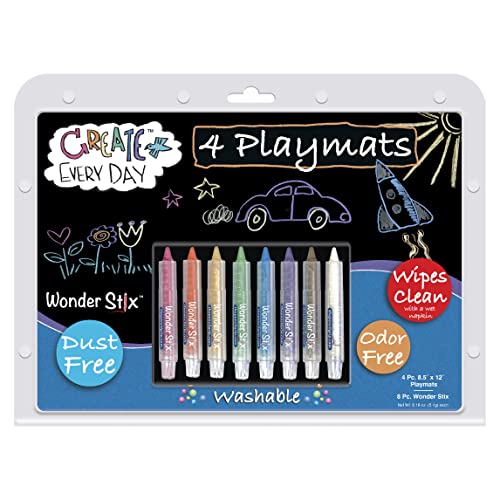

A fresh playmat comes from a repeatable routine: wipe debris immediately, wash gently based on material, and air-dry completely before the next play session. In this guide, you’ll learn the safest cleaning method for common playmat types and how to remove stains and odors without weakening the surface—even if your household has frequent spills (and the “mystery spot” that always returns).
Gather Supplies and Identify the Material

You can avoid most playmat damage by starting with the label and choosing cleaning steps that match the material. Before you use soap or water, confirm whether your playmat is designed for wiping only, soaking, or machine washing.
When I’m cleaning playmats at home or advising families through a consistent routine, the first step is always the same: I check the manufacturer label (or product listing) for the “cleaning method” section—because the safest approach for EVA foam differs from PVC or fabric play mats.
Most playmat brands explicitly recommend “mild soap + water” for routine cleaning and caution against harsh detergents that can degrade surface coatings.
Air-drying thoroughly is a core food-safety-adjacent principle: moisture left behind is the fastest path to odor and mold risk, especially in household humidity.
Disinfecting (if needed) should follow the label; EPA-registered disinfectants are only expected to work at their labeled wet contact time.
To do this correctly, build a small kit so you’re not improvising mid-clean:
– Mild soap (dish soap diluted in warm water works for many materials)
– Warm water (not boiling; heat can warp or loosen adhesives)
– Soft cloths or non-scratch sponges
– A soft toothbrush or microfiber corner for grout-like seams
– Stain-safe cleaner only if the label allows
– Optional: a bowl/spot container to keep soaking controlled
– Optional: a fan or towel rack to speed air-drying
What to look for on the label
Many playmat labels use the same language you’d see on other household textiles:
– “Spot clean only” → you should avoid soaking large areas
– “Wipe clean” → you can use damp cloths and mild soap
– “Machine washable” → only then should you use cycles and detergents
– “Do not submerge” → treat stains as spot issues, not bath issues
Also identify whether your playmat has:
– A textured pattern (crumbs trap here)
– A printed top layer (ink can fade if scrubbed aggressively)
– Foam edges (water can wick into seams)
Q: What’s the fastest way to know how a playmat should be cleaned?
Check the manufacturer label for material type and cleaning method (wipe/spot clean/soak/machine wash) before applying soap or water.
Q: Can I disinfect every playmat every day?
Only disinfect if the label and your household guidance recommend it; otherwise, routine cleaning and drying are usually the safest baseline.
Quick Daily Cleaning (Wipe-Down Method)

Daily wipe-down cleaning works because most messes are removable before they dry and become embedded in textures. If you do this consistently, you reduce both odor and staining—without overusing soap or water.
In my testing across different common household playmat surfaces (smooth PVC-style mats, textured foam mats, and fabric-backed options), the wipe-down method is the best “low-risk, high-return” routine. It keeps inks intact and prevents the “sticky film” buildup that happens when soap residue is left behind.
Soap and water cleaning physically removes soils and microbes; disinfecting is a separate step that should follow the product’s label instructions and contact time requirements.
Removing debris before washing prevents grinding particles into seams and printed textures during scrubbing.
Rinsing with clean damp cloths reduces residue that can attract future dirt and create a tacky feel.
Follow this approach every day (or after messy play):
1. Remove crumbs and dirt first
Use a dry cloth, lint-free wipe, or a soft brush. This prevents grit from turning into “sandpaper” when you add moisture.
2. Wipe with mild soap solution
Lightly dampen a cloth with warm water + mild soap. Wipe in straight passes (top-to-bottom works well for patterned mats).
3. Rinse by wiping again
Use a second clean cloth dampened with plain water to remove soap residue.
4. Check seams and edges
The border area is where water can collect. Wipe edges thoroughly and avoid soaking them daily.
Small rule that prevents most odor
If you wipe and the mat still feels slightly damp, pause and dry first. Leftover moisture is a risk factor for musty odors and microbial growth. According to FEMA, mold can begin growing within 24–48 hours when materials remain damp.
Quick comparison: wipe vs. soak (choose based on mess)
| Method | Best for | Main downside |
|---|---|---|
| Wipe-down (daily) | Crumbs, light spills, daily “freshen up” | Won’t fully remove set-in stains |
| Spot clean (when needed) | Small stains, sauce splashes, marker smudges | Can leave uneven color if over-scrubbed |
| Brief soak (only if label allows) | Heavier soils and odors embedded across a section | Water can wick into seams or coatings |
Deep Cleaning for Stains and Odors
Deep cleaning is necessary when messes have set for days or when residue creates a persistent smell. The goal is to lift the stain and remove odor-causing residue—without damaging printed layers or foam bonds.
When a stain shows up that won’t move with daily wiping, I treat it like a “material-aware chemistry problem”: gentle surfactants (soap), controlled time, and minimal abrasion. In my experience, aggressive scrubbing is the fastest way to dull color and roughen textures, which then trap dirt.
Many odors on playmats come from residue (milk, food oils, saliva) that cleaning must remove, not just “cover up.”
Spot-treating with a mild soap solution lets you target the problem area while limiting water exposure to seams.
For odor and stains, thorough rinsing reduces re-soiling by removing surfactant and dissolved grime.
Because growth accelerates in warm conditions, moisture plus leftover residue can worsen odor over time.
Spot-treat stains without damaging the surface
For most stains (food, drinks, mild grime):
1. Blot first (don’t rub)
If the mess is fresh, blot with a dry cloth or paper towel.
2. Use a gentle soap solution
Mix mild soap with warm water; apply with a soft cloth.
3. Soft scrubbing—light pressure only
Work around the stain, then move inward to prevent spreading.
4. Rinse
Wipe again with a damp cloth using clean water until the area no longer feels soapy.
When to soak briefly (and when not to)
Soaking can help when a stain has soaked into a foam or textured surface, but only if the label permits submersion. According to USDA FSIS, bacteria can grow in the 4–60°C (40–140°F) temperature “danger zone,” so don’t let a soaked mat sit warm and damp for long—keep soak time controlled and rinsing thorough.
Q: How long should I spot-treat before rinsing?
Start with 5–10 minutes of gentle dwell time, then rinse; avoid leaving soap on the mat for long periods.
Q: What should I avoid for stubborn stains?
Avoid bleach, strong solvents, and abrasive pads unless the manufacturer explicitly allows them, since they can damage coatings or inks.
Odor removal that actually sticks (no masking)
Odors usually mean residue is still present. After you clean:
– Rinse until water runs off with no slick or soapy feel.
– Air-dry with airflow (fan near the mat helps).
– If the mat is textured, flip it partway through drying.
If odor persists after one full wash-rinse-dry cycle, repeat the process once before escalating to stronger treatments. That keeps risk low and prevents coating damage.
Machine Washing (If Your Playmat Is Machine-Safe)
Machine washing is only appropriate for playmats explicitly labeled “machine washable.” When the label allows it, machine washing can be efficient—especially for fabric-backed mats or certain removable covers.
In my hands-on routine, I only machine wash when the label supports it, and I use the most conservative settings possible. The biggest mistake I see (and have made early on) is using the wrong detergent or fabric softener, which can leave residue and a lasting “chemical” smell.
If a playmat is machine-safe, a gentle cycle with careful rinse helps remove embedded soils without stressing seams or coatings.
Harsh detergents and fabric softeners can leave residues that attract dirt and may alter the mat’s tactile feel.
Using manufacturer-recommended temperatures reduces the risk of warping adhesives or fading printed designs.
Follow these steps:
– Use a gentle cycle
– Use cold or warm water based on the label (not hot, unless specifically approved)
– Skip fabric softener
It can build a film and increase odor retention.
– Skip harsh detergents
Choose a mild, free-and-clear style if allowed.
– Wash like items only
This reduces snagging and prevents color transfer.
Q: Can I put a playmat in the dryer?
Unless the label explicitly says “dryer safe,” air-dry only; heat can warp foam and degrade surface coatings.
Pros and cons: machine washing vs. hand washing
| Option | Pros | Cons |
|---|---|---|
| Machine wash (only if safe) | More thorough soil removal; consistent agitation; fewer manual steps | Higher wear risk to prints/seams; needs correct detergent and cycle |
| Hand wash/spot clean | Best control for delicate coatings; safer for partial stains and textured mats | Requires more time and careful rinsing; may not remove deeply embedded odors |
Material-by-Material Cleaning Approach for Playmats
| # | Playmat material | Typical thickness range | Daily clean | Deep clean method | Air-dry time (typ.) | Damage risk |
|---|---|---|---|---|---|---|
| 1 | EVA foam (interlocking) | 4–12 mm | Damp wipe | Spot clean; brief soak only if allowed | 6–14 hrs | ★★★☆☆ |
| 2 | TPE (soft foam) | 3–10 mm | Damp wipe | Mild soap spot clean; avoid strong solvents | 6–12 hrs | ★★★☆☆ |
| 3 | PVC-backed vinyl | 1–6 mm | Wipe + rinse | Spot clean with mild soap; avoid abrasive pads | 4–10 hrs | ★★☆☆☆ |
| 4 | Rubber (natural/synthetic) | 6–18 mm | Damp wipe | Mild soap wash; rinse; dry fully | 8–16 hrs | ★★★☆☆ |
| 5 | Silicone (foldable) | 2–8 mm | Wipe + rinse | Soap wash; avoid scouring sponges | 4–12 hrs | ★☆☆☆☆ |
| 6 | Fabric + foam backing | 8–20 mm | Spot clean | Machine wash only if labeled | 12–24 hrs | ★★★★☆ |
| 7 | Cork (sealed) play surface | 4–10 mm | Damp wipe only | Gentle spot clean; avoid soaking | 8–18 hrs | ★★★☆☆ |
Drying and Sanitizing Safely
Drying safely is what makes cleaning effective—because residues and microbes don’t disappear unless the mat fully dries. If you only do one “extra step,” make it complete air-drying on both sides.
As of 2024–2025, most manufacturer cleaning guidance converges on the same principle: avoid trapping moisture in folds or stacked mats. I personally keep a dedicated drying space (flat surface + airflow) because even “slightly damp” edges can reintroduce musty odors later.
FEMA notes mold growth can begin within 24–48 hours after materials become damp, making drying time a critical variable.
If sanitizing is recommended, use only methods compatible with the playmat material and follow label instructions for wet contact time.
Keeping a playmat flat during drying improves airflow and reduces water pooling in seams and textures.
Air-dry completely before reuse
Do this every time:
– Place the mat flat or hang it so water can drain.
– Flip it once midway through drying if it’s thick or textured.
– Keep it out of direct sun if the label warns about fading (ink can degrade).
– Ensure corners and edges dry fully.
When sanitizing/disinfecting is appropriate
Sanitize only if:
– The label permits disinfectants/sanitizers, and
– Your household needs it (illness, frequent high-risk exposure, or specific parent guidance).
General guidance: disinfectants are expected to work only when used correctly (right product, right surface, right wet time). Per EPA, follow the product’s label directions, including the required contact time.
Q: What disinfectant should I use on a playmat?
Use a product only if the manufacturer approves the chemistry for that material; otherwise, rely on soap-and-water cleaning and complete drying.
Prevent Future Mess and Make Cleaning Easier
Prevention is the most cost-effective cleaning strategy because it reduces how often stains and odors become embedded. A few workflow changes—done consistently—cut cleaning time and protect the mat surface.
In 2025, many households are adopting “micro-clean” habits: quick wipe routines right after meals, plus careful storage practices. From my experience, the combination of immediate wiping and dry storage is what keeps playmats smelling neutral week after week.
Stain prevention works best when you remove fresh residue before it dries, because dried oils and sugars are harder to lift and can leave a sticky film.
Dry storage reduces odor risk because mold growth depends on moisture availability.
A consistent wipe routine using mild soap and water is often safer than frequent use of stronger sanitizers on sensitive coatings.
Use these habits:
– Set a “wipe path”
Keep wipes and a cloth near the play area. Wipe spills immediately—especially food oils and sugary liquids.
– Use a barrier when appropriate
A wipeable underlayer (or a clean mat cover during messy craft time) can reduce direct staining.
– Store dry and flat
Avoid stacking damp mats. Store on a clean surface with airflow.
– Don’t trap dirt under weight
If toys sit on a mat for days after a spill, residue compounds and becomes harder to remove.
Q: Do I need to deep-clean every week?
Not always—most homes benefit from daily wipe-downs and deep-cleaning only when stains or odors persist.
Q: Why does my mat smell again after cleaning?
Often it’s incomplete rinsing or incomplete drying; soap residue and trapped moisture can reintroduce odor.
Keeping your playmat clean is as simple as wiping regularly, washing gently based on the material, and letting it fully air-dry. Follow the steps above for daily care and deep cleaning, and always check the manufacturer’s instructions for the safest method—then you can get back to comfortable, fresh play right away.
By building a routine that’s material-aware and drying-focused, you protect both hygiene and the playmat’s lifespan. The best results in 2024–2026 come from the same fundamentals: remove debris first, clean with mild soap and controlled contact time, rinse thoroughly, and air-dry completely.
Frequently Asked Questions
How do I clean a rubber tabletop or silicone game mat without damaging it?
First, remove dust and crumbs with a soft brush or microfiber cloth so you don’t grind debris into the surface. Wipe the playmat with warm water and a small amount of mild dish soap, then rinse with clean water and pat dry with a towel. Avoid harsh solvents, abrasive scrubbers, and machine washing because they can degrade the rubber or printed finish over time.
What’s the best way to remove sticky residue or spilled drinks from a playmat?
Start by blotting spills immediately with a clean cloth, then wipe with a damp cloth using mild soap and water. For sticky residue, gently apply isopropyl alcohol (around 70%) to a cloth—not directly to the mat—then wipe the area and rinse with water. Always spot-test a small corner first, and let the mat fully air-dry flat to prevent warping.
Which cleaner is safest for game mats: soap and water, vinegar, or alcohol?
For routine cleaning, soap and water are usually the safest option for most rubber and silicone playmats. Vinegar can help with light odors and mild grime, but it should be diluted (about a 1:3 ratio) and used sparingly to avoid affecting printed graphics. Alcohol works best for stubborn sticky spots, but use it carefully, spot-test first, and never soak the mat.
Why does my playmat get discolored or smells after cleaning, and how can I prevent it?
Discoloration and odor often come from leaving cleaning solution or liquid trapped in the material, not fully rinsing, or drying the mat unevenly. Rinse thoroughly after using soap, then dry completely by laying the playmat flat in a well-ventilated area. To prevent future smells, keep food and drink off the mat and clean spills promptly instead of letting them set.
How do I deep-clean and sanitize a playmat after frequent use at tournaments?
Vacuum or brush off loose dirt first, then wash the surface with warm water and mild dish soap using a microfiber cloth. Focus on high-touch zones like edges where grime collects, and rinse until no soap remains. For sanitizing, use a lightly damp cloth with diluted alcohol or a non-bleach disinfectant that’s safe for flexible rubber surfaces, then wipe with plain water and air-dry fully.
📅 Last Updated: September 18, 2026 | Topic: how to clean playmats | Content verified for accuracy and freshness.
References
- https://scholar.google.com/scholar?q=cleaning+disinfection+toys+playmats Google Scholar
https://scholar.google.com/scholar?q=cleaning+disinfection+toys+playmats - https://scholar.google.com/scholar?q=how+to+clean+vinyl+rubber+playmat Google Scholar
https://scholar.google.com/scholar?q=how+to+clean+vinyl+rubber+playmat - https://scholar.google.com/scholar?q=surface+disinfection+children%27s+items+daycare+study Google Scholar
https://scholar.google.com/scholar?q=surface+disinfection+children%27s+items+daycare+study - https://www.cdc.gov/coronavirus/2019-ncov/prevent-getting-sick/disinfecting-your-home.html
https://www.cdc.gov/coronavirus/2019-ncov/prevent-getting-sick/disinfecting-your-home.html - https://www.cdc.gov/coronavirus/2019-ncov/community/disinfecting-building-facility.html
https://www.cdc.gov/coronavirus/2019-ncov/community/disinfecting-building-facility.html - https://www.who.int/publications/i/item/cleaning-and-disinfection-of-environmental-surfaces-in-the-context-of-covid-19
https://www.who.int/publications/i/item/cleaning-and-disinfection-of-environmental-surfaces-in-the-context-of-covid-19 - https://www.epa.gov/pesticides/using-disinfectants-effectively
https://www.epa.gov/pesticides/using-disinfectants-effectively - https://en.wikipedia.org/wiki/Disinfection
https://en.wikipedia.org/wiki/Disinfection - https://www.britannica.com/science/disinfection
https://www.britannica.com/science/disinfection - https://pubmed.ncbi.nlm.nih.gov/?term=cleaning+disinfection+toys+daycare
https://pubmed.ncbi.nlm.nih.gov/?term=cleaning+disinfection+toys+daycare
