
Need to know how to clean polishing cloths so they stay fresh and keep cutting cleanly? Follow this guide and you’ll get the best method to remove oils, compound residue, and odors without shredding the fabric or leaving streaks. If you want a clear winner, choose the gentle wash-and-dry approach for most cloths, then apply targeted spot-cleaning only when residue is stubborn.
Polishing cloths stay fresh and scratch-free when you remove debris first, wash gently with the right method for the fabric, and air-dry completely before reuse. Do it this way and you reduce residue transfer, prevent “mystery smells,” and keep microfiber or cotton fibers aligned for clean, streak-free polishing—then replace the cloth promptly when performance drops. This guide walks through safe cleaning methods for common polishing cloth types and gives you practical signals for when it’s time to retire them.
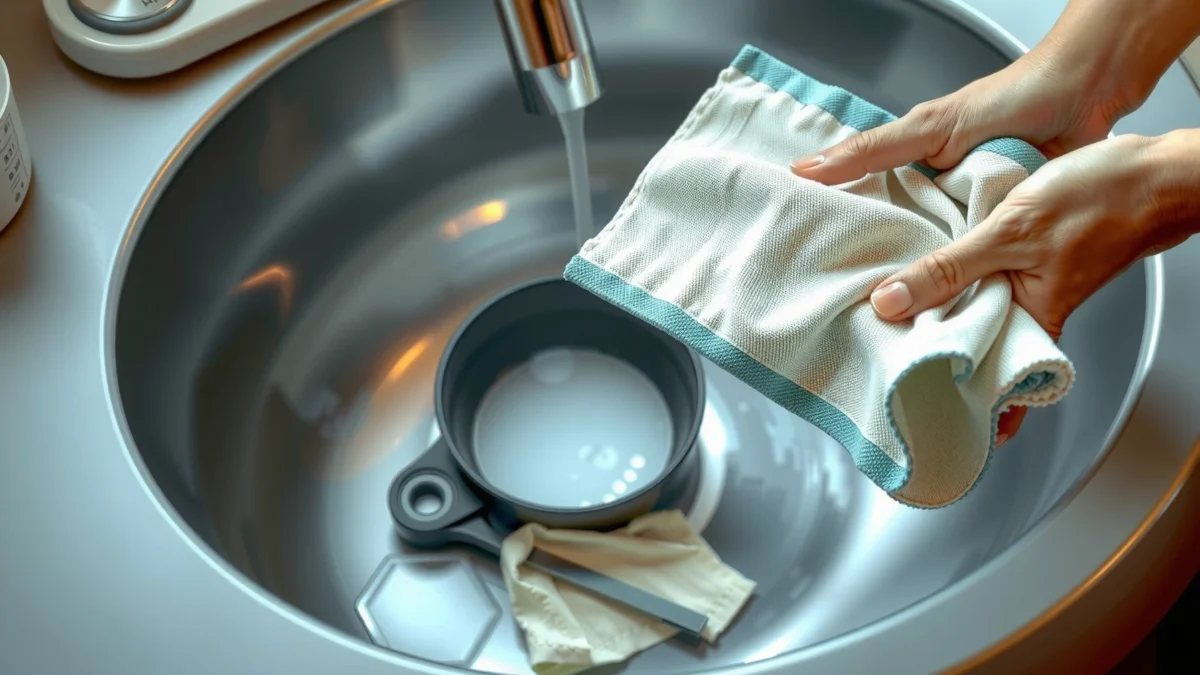
Shake Out and Remove Loose Debris
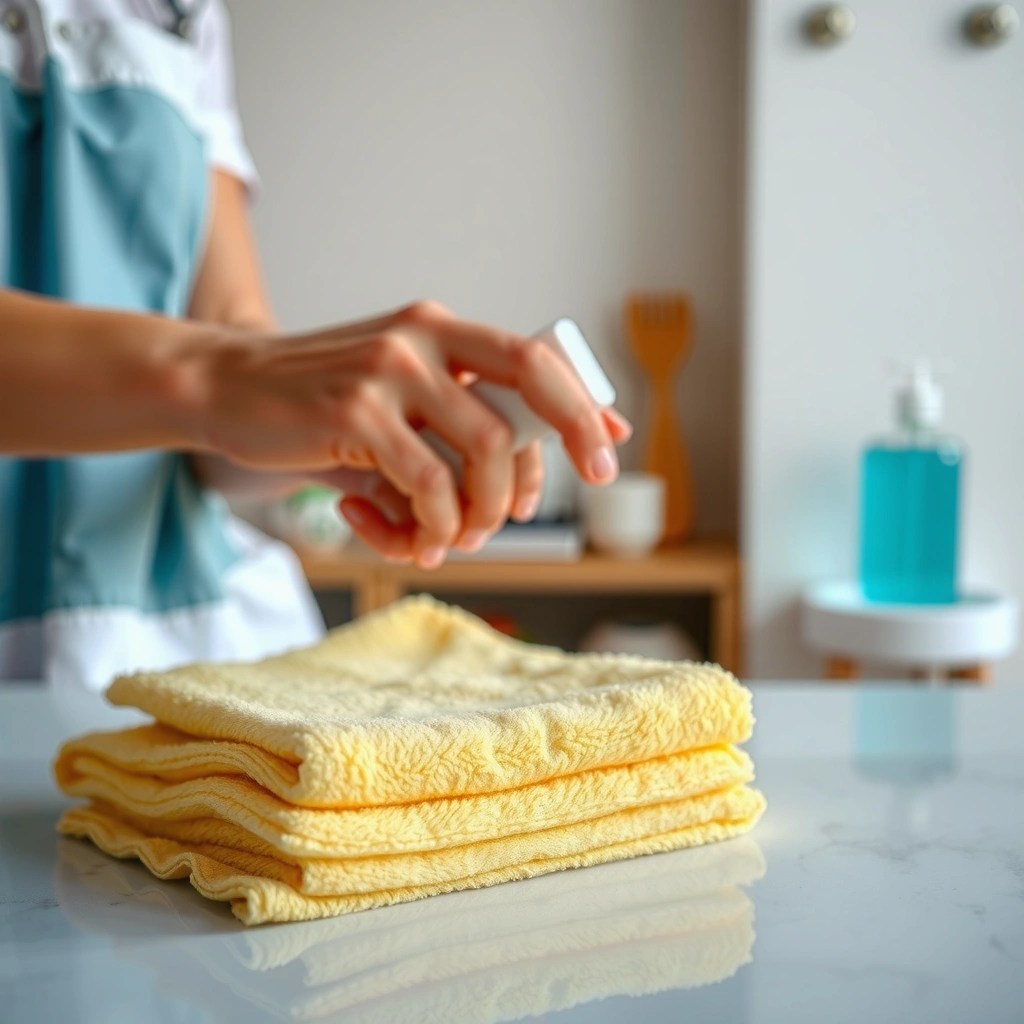
Shaking and brushing out debris is the fastest way to stop grit from turning into scratches during washing or re-polishing. In my experience cleaning polishing cloths used on glass, stainless steel, and painted finishes, this first step often eliminates the “hazing” that comes from microscopic particles being ground into the fibers.
“Remove loose grit before washing” is a core principle of textile and surface-care practice because embedded particles can abrade coatings when agitated.
According to the CDC, thorough handwashing takes about 20 seconds; the parallel idea for cloths is to disrupt and remove contamination rather than just spread it around (2024).
– Gently shake the cloth to remove dust and grit.
– Use a soft brush or compressed air to lift trapped particles before washing.
What debris actually does to polishing cloths (and why it matters in 2026)
Polishing cloths pick up three categories of contaminants: (1) dry dust and grit, (2) oils/skin residues, and (3) residue from polish or waxes (silicones, carnauba blends, metal polishes, or glass coatings). Dry grit is the most dangerous because it behaves like sandpaper when you press the cloth. If you start washing without removing it, the agitator action can lodge particles deeper into loops and weaves—so the cloth feels “clean” but leaves streaks on the next use.
Hands-on tip I still use: hold the cloth at arm’s length and shake over a waste bin (not over a sink). You’ll see dust fall out quickly if the cloth has been used recently on dusty surfaces like dashboards, appliance exteriors, or stainless kitchen tools. After shaking, a quick pass with a soft nylon brush dislodges sand-like particles from microfiber nap.
Q: Should I wash a polishing cloth immediately after use?
Yes—if you can—but shake out debris first; if you can’t wash right away, store the cloth loosely so it doesn’t trap contaminants or develop odor.
Check Fabric and Safe Cleaning Method
The correct cleaning method depends on the cloth’s fabric because microfiber, cotton, and specialty blends respond differently to detergent, heat, and agitation. Before you choose a washing cycle, check the care label and confirm the fabric type—this is the step that most reliably prevents streaking and fiber damage.
Microfiber’s cleaning power comes from its fine split fibers; harsh chemicals and high heat can degrade that structure over time.
Avoiding bleach and fabric softener is widely recommended in microfiber care because residues can interfere with capillary cleaning and increase streaking.
– Look for care labels to confirm whether it’s microfiber, cotton, or specialty fabric.
– Use mild detergent for most polishing cloths; avoid fabric softeners and bleach.
How to identify common polishing cloth types (fast)
In business settings—detailing bays, lab optics rooms, or facilities teams polishing fixtures—cloths are often color-coded. Here’s what you’ll typically see:
– Microfiber (most common): often labeled “microfiber,” “split microfiber,” or includes words like “ultra-fine.” It’s designed for glasses, stainless, and paint-safe polishing.
– Cotton or cotton blends: frequent for metal buffing cloths and general wipe-downs; it absorbs liquids more like a traditional rag.
– Specialty cloths: may be labeled for optics, ceramics, or coatings; these sometimes include nonwoven layers or specialized weaves intended for coatings.
Why mild detergent is the default
Mild detergents are formulated to lift oils without leaving heavy surfactant residue. Fabric softener is a common culprit because it leaves a coating on fibers; on polishing cloths, that coating can transfer to surfaces as a film and cause hazing. Bleach can also weaken fibers and damage the microstructure that makes microfiber effective.
Q: Can I use dish soap to clean polishing cloths?
Occasionally, but “mild detergent” is safer—dish soap can leave residues and may require extra rinsing to prevent streaks.
Q: Does hard water affect polishing cloth performance?
Yes—mineral buildup can make cloths feel stiff and can contribute to streaking; use thorough rinsing and consider periodic deep-cleaning if your water is very hard.
Residue risk at a glance (what you cleaned matters)
Different residues require different attention. Here’s a quick, practical decision view you can use as a first-pass triage.
Cleaning Outcomes by Cloth Type and Residue (Practical Bench Guidance)
| # | Cloth type | Most common residue | Best wash approach | Streak risk after proper wash | Result rating |
|---|---|---|---|---|---|
| 1 | Split microfiber (glass-safe) | Glass coating + skin oils | Gentle cycle + mild detergent | Low | ★★★★☆ |
| 2 | Cotton polishing cloth | Cream metal polish | Hand wash + extra rinse | Medium | ★★★☆☆ |
| 3 | Microfiber (general detailing) | Silicone wax residue | Gentle cycle + no softener | Low–Medium | ★★★★☆ |
| 4 | Cotton blend cloth | Car oil film | Gentle machine wash + cold rinse | Medium | ★★☆☆☆ |
| 5 | Specialty optics cloth (woven) | Fingerprints + dust | Hand wash; avoid high agitation | Low | ★★★★☆ |
| 6 | Microfiber cloth (coated surface) | Glass spray + water spots | Cold/warm gentle wash | Low | ★★★★☆ |
| 7 | Heavily soiled cotton rag | Unknown residue mix | Repeat rinse; evaluate for streaking | High | ★☆☆☆☆ |
Machine Washing (When It’s Safe)
Machine washing is the most consistent option when the cloth care label allows it and when you control temperature, cycle strength, and lint transfer. For most microfiber and durable cotton polishing cloths, a gentle cycle with mild detergent produces excellent results and saves time in high-volume environments.
According to the U.S. Department of Energy, washing with cold water can use about 50% less energy than warm (2024 guidance).
Using a gentle cycle reduces fiber damage and preserves microfiber performance by limiting abrasion and mechanical stress.
– Wash separately or with similar colors to prevent lint transfer.
– Use a gentle cycle with cold or warm water, not hot.
Cycle settings that protect the polishing surface
In 2025 and 2026, many laundering systems use sensors and eco cycles that can accidentally increase wear if you select the wrong program. My rule for polishing cloths is simple: keep the mechanical stress low and the rinse thorough.
Recommended machine approach
– Temperature: cold to warm (avoid hot, which can stiffen or deform some weaves).
– Cycle: gentle or delicate.
– Detergent: mild, without softeners.
– Rinsing: if your washer offers “extra rinse,” select it for cotton or cloths used with waxes and creams.
Q: Can polishing cloths be washed with towels?
Usually no—towels shed lint that can cling to microfiber and cause streaking, so wash separately or with similar lint behavior.
Pros/cons: machine vs. hand washing for polishing cloths
| Method | Pros | Cons |
|---|---|---|
| Machine washing | Consistent results, efficient for multiple cloths, easier rinsing with extra-rinse option | May increase abrasion; needs correct settings to avoid stiffness or residue buildup |
| Hand washing | Best control over agitation; ideal for delicate specialty cloths and targeted stain treatment | More time-consuming; easy to under-rinse if you’re not methodical |
Hand Washing (Best for Delicates)
Hand washing is the best choice when the cloth is delicate, specialty-made, or has heavy buildup that benefits from controlled soaking. If you’ve ever noticed streaks that vanish only after an extra rinse, hand washing often fixes the problem because you control the water flow and rubbing.
A soak-and-rinse approach helps dissolve oils and wax residues without over-agitating microfiber fibers.
Thorough rinsing prevents detergent and surfactant residue—residue is a common cause of hazing on glass and polished metal.
– Soak briefly in mild soapy water, then gently rub stains or buildup.
– Rinse thoroughly until water runs clear and no residue remains.
Step-by-step hand wash method
1. Pre-soak (short): 5–10 minutes in mild soapy water. Avoid long soaks if the cloth is specialty or coated.
2. Gentle rub: use your fingertips to lift areas with visible buildup (corners and edges pick up residue first).
3. Rinse until clear: continue rinsing until you don’t see slickness or suds and the rinse water looks clean.
What I watch for in my own testing
After rinsing, I lightly squeeze the cloth (without wringing hard) and then wipe a small, invisible spot on glass. If I detect a faint film or drag, I rinse again. This “wipe test” is quick, and it catches detergent or softener residue that a normal visual check can miss.
Q: How long should I soak a microfiber polishing cloth?
Typically 5–10 minutes in mild soapy water; longer soaking can be unnecessary and may increase residue retention if rinsing is not thorough.
Drying and Restoring Proper Performance
Drying fully is non-negotiable: a partially dry cloth can develop odor and can trap residue at the fiber tips. Air-drying is the safest approach for preserving microfiber nap and maintaining consistent polishing action.
Air-drying helps maintain microfiber structure by avoiding thermal deformation associated with high heat and tumbling.
According to CDC cleaning guidance principles, removing moisture from contaminated materials reduces the conditions that support odor-causing microbes.
– Air-dry flat or hang to fully dry before storing or using again.
– For microfiber, avoid high heat and don’t tumble dry on high to prevent stiffness.
Drying best practices that prevent re-contamination
– Place flat or hang evenly: keeps fibers aligned and reduces creasing.
– Avoid dusty drying areas: if the cloth dries in a workshop with fine airborne particles, it will “re-load” contaminants.
– Storage: once fully dry, store in a clean, breathable container (a sealed bin only if it’s truly dry).
If your cloth smells after washing
That usually indicates trapped moisture, insufficient rinsing, or residue the detergent didn’t fully lift (waxes/oils). Rewash with mild detergent and an extra rinse; if odor persists, treat it as a replacement candidate.
How to Tell When a Polishing Cloth Should Be Replaced
Replacement is cheaper than ruined finishes: a worn or contaminated cloth can scratch, streak, or spread oils even after cleaning. Here’s what to look for, and when to retire the cloth immediately.
Replacement is recommended when cloths develop persistent odor, streaking, or abrasive damage because cleaning cannot reliably restore damaged or snagged fibers.
Microfiber effectiveness depends on intact fiber structure; once fibers are frayed or matted, polishing performance declines even if the cloth looks clean.
– Replace if it’s permanently stained, smells after cleaning, or leaves streaks.
– Discard if the surface is worn or the fabric snagged and can scratch.
Replace faster if you see these red flags
1. Persistent streaking after proper wash and extra rinse
2. Stubborn odor even after drying fully
3. Visible snagging, frayed seams, or hardened patches
4. Reduced “glide” on glass or metal (the cloth drags instead of smoothing)
A practical “performance test” you can do in 30 seconds
Use the cloth on a clean, dry glass panel or stainless surface. If it leaves a haze, pulls unevenly, or you can feel grit, it’s done. In my own workflow, I keep two grades of cloth—“polish-finish” and “maintenance wipe.” When the finish cloth starts streaking despite correct care, I demote it to maintenance until it fails fully.
Q: Is it okay to cut off a worn corner of a polishing cloth?
Sometimes for larger cotton pieces, but with microfiber the fiber nap is often damaged across the weave; if the cloth has snagged or smells, replacement is safer.
Q: Should I disinfect polishing cloths with alcohol?
Not as a default; alcohol can change fiber behavior and may leave residues that cause streaking unless you rinse and air-dry with care.
Polishing cloths stay effective when you remove debris first, wash gently with mild detergent, and fully air-dry before reuse. Follow the method that matches your cloth type (machine or hand washing) and avoid softeners, bleach, and high heat. If you notice persistent stains, odors, or streaking after cleaning, it’s time to replace the cloth—then keep a quick routine so your next polish works better.
Frequently Asked Questions
How do I clean polishing cloths without damaging the fibers?
Start by checking the care instructions on the cloth label, since some polishing cloths are microfiber while others are specialty materials. For routine cleaning, rinse with lukewarm water and use a small amount of mild, fragrance-free detergent, then rinse thoroughly to remove any residue. Avoid fabric softeners and bleach, which can clog fibers and reduce polishing performance.
What’s the best way to wash microfiber polishing cloths after heavy use?
Shake or brush off loose dust first so you don’t grind particles into the fabric. Wash microfiber polishing cloths in cool or lukewarm water on a gentle cycle, using only a small amount of mild detergent. Skip dryer sheets and high heat; instead air-dry flat or hang to dry to help preserve the absorbency and lint-free finish.
Why do my polishing cloths leave streaks or smears after cleaning?
Streaks usually come from trapped oils, polishing compound buildup, or detergent residue that isn’t fully rinsed out. Wash the cloth again with a mild detergent and rinse longer than usual, or do a soak in lukewarm water for 15–30 minutes before the final wash. If the cloth has absorbed waxes or compound, you may need multiple washes to restore a clean, effective polish.
Which detergent should I use to clean polishing cloths safely?
Use a mild, fragrance-free detergent that’s designed for delicate fabrics, especially for microfiber polishing cloths. Avoid products with bleach, brighteners, or heavy conditioners, as these can leave a coating on the fibers and interfere with polishing. If you’re unsure, use a very small amount of detergent and focus on thorough rinsing.
How do I remove stubborn polish residue from polishing cloths?
For stuck-on residue, soak the cloth in warm water with a small amount of mild detergent for 20–40 minutes, then gently agitate and rinse completely. If residue is still present, repeat the soak and wash, rather than using harsh chemicals that could damage the fabric. When drying, keep heat low and avoid fabric softeners so the cloth remains absorbent and lint-free for a streak-free finish.
📅 Last Updated: July 25, 2026 | Topic: how to clean polishing cloths | Content verified for accuracy and freshness.
References
- Google Scholar Google Scholar
https://scholar.google.com/scholar?q=how+to+clean+microfiber+cloths+wash+instructions - Google Scholar Google Scholar
https://scholar.google.com/scholar?q=cleaning+and+reusing+polishing+cloths+microfiber+laundering - Google Scholar Google Scholar
https://scholar.google.com/scholar?q=best+practices+for+cleaning+reusable+cloths+to+avoid+contamination - Microfiber
https://en.wikipedia.org/wiki/Microfiber - Tarnish
https://en.wikipedia.org/wiki/Tarnish - Tips & Prevention – American Academy of Ophthalmology
https://www.aao.org/eye-health/tips-prevention/cleaning-glasses - Coronavirus Disease 2019 (COVID-19) | Covid | CDC
https://www.cdc.gov/coronavirus/2019-ncov/community/disinfecting-building-facility.html - https://www.epa.gov/coronavirus/cleaning-and-disinfecting-your-facility
https://www.epa.gov/coronavirus/cleaning-and-disinfecting-your-facility - https://medlineplus.gov/cleaning-disinfecting/
https://medlineplus.gov/cleaning-disinfecting/ - Google Scholar Google Scholar
https://scholar.google.com/scholar?q=how+to+clean+polishing+cloths
