

Cleaning polyurethane foam is straightforward, requiring just a few simple steps and the right materials. This guide will help you maintain your foam items, ensuring they stay fresh and in good condition. You’ll learn how to tackle stains, odors, and general dirt effectively.
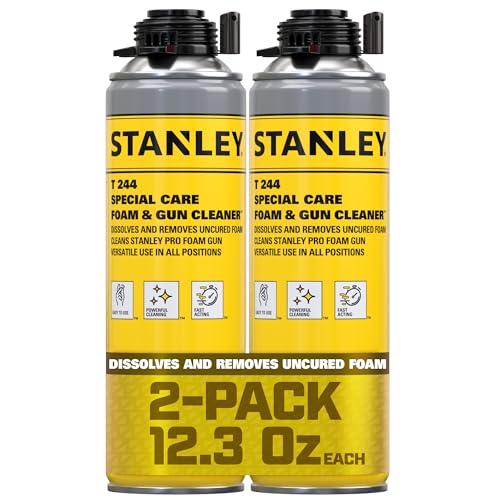



Polyurethane foam is a versatile material commonly used in a variety of products, including cushions, mattresses, and insulation. While it offers excellent comfort and support, it also requires proper care to ensure longevity. Cleaning polyurethane foam effectively not only helps to maintain its appearance but also its functionality. Regular cleaning can prevent the buildup of dust mites, allergens, and odors, ensuring a healthier environment.
Understanding Polyurethane Foam

Polyurethane foam is a synthetic material used in various applications due to its lightweight, durable, and flexible properties. It can be found in items such as furniture cushions, mattresses, and soundproofing insulation. This foam comes in different densities and firmness levels, making it suitable for a range of uses including bedding, automotive seating, and packaging materials.
Cleaning this type of foam is essential because improper cleaning methods can lead to degradation of the material, resulting in a shorter lifespan. Additionally, dirt and stains can accumulate over time, affecting both the aesthetic and functional aspects of the foam. Understanding how to clean polyurethane foam properly can help maintain its integrity and prolong its usability.
Supplies Needed for Cleaning


Before you begin the cleaning process, gather the essential supplies necessary for the task. Here’s a list of items you will need:
– Mild detergent: A gentle detergent is crucial as harsh chemicals can break down the foam material.
– Water: Use lukewarm water for mixing with detergent.
– Soft brush: A soft-bristled brush will help in loosening dirt without damaging the foam.
– Vacuum cleaner: A vacuum with a brush attachment will effectively remove dust and debris.
– Soft cloth or sponge: For applying the cleaning solution and rinsing.
– Baking soda: An effective natural deodorizer for absorbing odors.
Avoid using bleach or any abrasive cleaners, as they can harm the foam’s structure and appearance.
Basic Cleaning Steps

To begin the cleaning process, follow these basic steps:
1. Vacuum the Foam: Start by using a vacuum cleaner with a brush attachment to remove any loose dirt, dust, or debris from the surface of the foam. Be gentle to avoid damaging the foam.
2. Prepare Cleaning Solution: In a bowl, mix a solution of mild detergent and lukewarm water. The ratio can be roughly one tablespoon of detergent to about two cups of water, but adjust as necessary based on the amount of foam you are cleaning.
3. Test the Solution: Before applying the solution to the entire foam piece, conduct a patch test in an inconspicuous area to ensure it does not damage the material.
4. Clean the Foam: Using a soft brush, dip it into the cleaning solution and gently scrub the foam. Focus on stained or heavily soiled areas.
5. Rinse the Foam: After cleaning, use a damp cloth to wipe away any detergent residue. Ensure that the foam is not overly saturated with water to prevent mold and mildew growth.
Common Cleaning Solutions for Polyurethane Foam
| # | Cleaning Solution | Effectiveness | Recommended Use |
|---|---|---|---|
| 1 | Mild Detergent | High | General Cleaning |
| 2 | Vinegar Solution | Medium | Deodorizing |
| 3 | Baking Soda | High | Odor Removal |
| 4 | Enzyme Cleaner | Medium | Stains & Odors |
| 5 | Rubbing Alcohol | Low | Spot Cleaning |
| 6 | Hydrogen Peroxide | Medium | Stain Removal |
| 7 | Dish Soap | High | Grease Stains |
Spot Cleaning Techniques
For specific stains or localized dirt, spot cleaning is an effective method. Here’s how to do it:
1. Identify the Stain: Determine the type of stain you are dealing with, whether it’s food, drink, or body oils. This helps in selecting the right cleaning solution.
2. Apply Cleaning Solution: Use a soft cloth or sponge to apply the detergent solution directly onto the stained area. Avoid soaking the foam, as excess moisture can lead to mold growth.
3. Gently Scrub: Using a soft brush or cloth, gently scrub the stained area, working from the outside of the stain toward the center to prevent spreading.
4. Rinse: Wipe the area with a clean, damp cloth to remove any soap residue. It is essential to ensure no detergent is left behind, as it may attract dirt in the future.
5. Dry Thoroughly: Allow the foam to air dry completely. If possible, place it in a well-ventilated area to speed up the drying process.
Dealing with Odors
Odors can often linger in polyurethane foam, especially in cushions and mattresses. Here are effective methods to eliminate unwanted smells:
1. Baking Soda Treatment: Sprinkle a generous amount of baking soda over the foam surface. Baking soda is a natural deodorizer that absorbs odors effectively.
2. Let It Sit: Allow the baking soda to sit for several hours or overnight for best results. This gives it time to absorb the odors trapped within the foam.
3. Vacuum Thoroughly: After letting it sit, vacuum the baking soda off using a vacuum cleaner. Ensure that all residues are removed to avoid a gritty feel.
4. Repeat if Necessary: For persistent odors, you may need to repeat the process or consider additional treatments such as enzyme cleaners specifically designed for odor removal.
Drying and Maintenance Tips
Proper drying and maintenance are crucial for maintaining the condition of polyurethane foam:
1. Air Dry Completely: After cleaning, allow the foam to air dry in a well-ventilated area. Avoid direct sunlight, which can cause fading and deterioration of the material.
2. Regular Vacuuming: To keep the foam fresh, vacuum it regularly to remove dust and debris. This will help prevent allergens and extend the life of the foam.
3. Spot Clean as Needed: Address spills and stains promptly with spot cleaning to prevent them from setting in. Quick action can often save you from a more extensive cleaning process later.
4. Use Protective Covers: Consider using removable, washable covers on foam items like mattresses and cushions. This can greatly reduce the amount of cleaning needed.
5. Store Properly: If storing foam items, ensure they are kept in a dry, cool place, away from moisture and extreme temperatures.
When to Seek Professional Help
While most foam cleaning can be done at home, certain situations may require professional intervention:
1. Persistent Stains: If you encounter stubborn stains that do not budge despite your best efforts, it might be time to call in professionals who have specialized equipment and products.
2. Strong Odors: For persistent odors that linger even after home treatment, professional cleaning services may have access to deeper-cleaning solutions that can effectively neutralize smells.
3. Damage Assessment: If your foam has been damaged due to water exposure, mold, or excessive wear, seeking professional help can provide you with an assessment of whether cleaning, repair, or replacement is necessary.
4. Replacement Consideration: In cases where the foam is beyond cleaning or repair, such as severe degradation or loss of shape, it may be more cost-effective to replace the foam item altogether.
In summary, keeping your polyurethane foam items clean and well-maintained is essential for their durability and functionality. Following the outlined steps—ranging from basic cleaning to odor management—will help ensure your foam remains in great shape. Regular maintenance, including vacuuming and spot cleaning, is key to preserving the integrity of the material. When in doubt, don’t hesitate to seek professional assistance or consider replacement if the foam is damaged beyond repair. Start your cleaning process today for a fresher, cleaner foam!
Frequently Asked Questions
What is the best way to clean polyurethane foam?
The best way to clean polyurethane foam is to use a gentle approach. Start by vacuuming the foam with a soft brush attachment to remove dust and debris. For stains, use a mixture of mild soap and warm water on a soft cloth, gently blotting the area without soaking the foam. Always allow the foam to air dry completely to prevent mold growth.
How do I remove stains from polyurethane foam?
To remove stains from polyurethane foam, first identify the type of stain you’re dealing with. For water-based stains, a mixture of mild soap and water can be effective. Apply the solution with a soft cloth, blotting rather than scrubbing to avoid damaging the foam. For tougher stains, consider using a fabric cleaner specifically designed for upholstery.
Why is it important to clean polyurethane foam regularly?
Regular cleaning of polyurethane foam is important to maintain its longevity and hygiene. Dust, allergens, and bacteria can accumulate over time, potentially affecting your health and the foam’s integrity. Keeping the foam clean not only enhances the appearance but also ensures a longer lifespan for your foam products.
Which cleaning products are safe for polyurethane foam?
The safest cleaning products for polyurethane foam are those that are mild and non-abrasive. Look for gentle upholstery cleaners or mild dish soap mixed with water. Avoid bleach or harsh chemicals, as these can break down the foam material and lead to deterioration over time.
How can I prevent odors in polyurethane foam?
To prevent odors in polyurethane foam, ensure it is kept dry and well-ventilated. Regularly vacuum the foam to remove dust and debris that can contribute to smells. If odors persist, sprinkle baking soda over the foam, let it sit for a few hours, and then vacuum it up to help absorb unwanted smells.
References
- Foam
https://en.wikipedia.org/wiki/Foam - https://www.ncbi.nlm.nih.gov/pmc/articles/PMC5803020/
https://www.ncbi.nlm.nih.gov/pmc/articles/PMC5803020/ - https://www.sciencedirect.com/topics/engineering/polyurethane-foam
https://www.sciencedirect.com/topics/engineering/polyurethane-foam - https://www.ncbi.nlm.nih.gov/pmc/articles/PMC7100325/
https://www.ncbi.nlm.nih.gov/pmc/articles/PMC7100325/ - Google Scholar Google Scholar
https://scholar.google.com/scholar?q=cleaning+polyurethane+foam - Google Scholar Google Scholar
https://scholar.google.com/scholar?q=polyurethane+foam+maintenance - https://www.washington.edu/doit/cleaning-and-maintaining-foam-products
https://www.washington.edu/doit/cleaning-and-maintaining-foam-products - https://www.cdc.gov/niosh/docs/2013-144/pdfs/2013-144.pdf
https://www.cdc.gov/niosh/docs/2013-144/pdfs/2013-144.pdf - Polyurethane | Foam, Synthesis, Plastics | Britannica
https://www.britannica.com/science/polyurethane - https://www.nature.com/articles/s41598-020-76582-8
https://www.nature.com/articles/s41598-020-76582-8
