

Learn how to clean reptile carpet safely to remove odors and stains without harming your animals. Follow the proven steps for spot-cleaning, deep-cleaning, and drying so the carpet stays hygienic and doesn’t retain chemical smells. If you’re battling lingering stink or set-in stains, this guide gives the fastest reliable method.



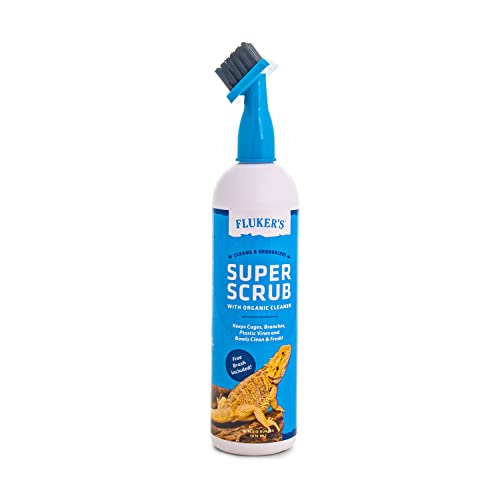
Remove the reptile carpet and do a quick spot clean with warm water and a gentle, reptile-safe cleaner, then fully deep-clean and disinfect as recommended for the carpet material. Let it dry completely before putting it back to avoid lingering odor and irritation. This guide walks you through what to do step-by-step, including what to avoid.
If you’re dealing with stuck-on messes, lingering smell, or regular buildup under a heat lamp/UTH area, these steps will help you clean without risking residue on your animal’s habitat. The key is matching your method to the carpet type and following disinfectant label directions.
Gather Supplies & Prep the Area

Warm water and gentle, reptile-safe cleaners are the first line for reptile carpet spot cleaning because they help lift grime without adding harsh residues.
For any disinfectant on reptile carpet, the label contact time is the part that makes the product effective—so you need the exact cleaner and dilution you plan to use.
– Use a soft brush (or old toothbrush), clean towels/paper towels, and a bucket/spray bottle of warm water.
– Choose a cleaner/disinfectant that’s labeled as safe for reptiles or as directed by your carpet manufacturer.
– Put the reptile in a temporary enclosure while you clean, so they’re not exposed to fumes or wet surfaces.
Why “prep” matters for reptile carpet hygiene
Reptile carpet collects more than visible waste. Under heat lamp/UTH areas, warm surfaces can increase odor and may accelerate the breakdown of organic material in the carpet fibers—making “rinse it later” a common failure point. Cleaning is easiest when you treat the process as two stages for the reptile carpet: (1) remove soils (washing) and (2) use disinfectants only after the soil is gone and the product label conditions can be met.
Also, many disinfectants are more effective when the surface is already clean, because organic residue can reduce disinfectant performance. For the same reason, you should plan on rinsing well after any disinfection step.
Disinfectant safety note (reptile carpet specific)
Disinfectants are not interchangeable. Follow the EPA-registered label for dilution, “surface must remain wet for X time,” and any rinse guidance—especially on porous, textured materials like many reptile carpets. According to the U.S. EPA’s disinfectant guidance, effectiveness depends on using the product according to label directions, including contact time (). If the label says to rinse, rinse—no exceptions.
Spot Clean Reptile Carpet (Daily or As Needed)
Spot cleaning is the fastest way to prevent odor from becoming permanent in the reptile carpet fibers. The safest approach is blotting first, using minimal cleaner, and drying thoroughly before the carpet returns to the enclosure.
Blotting and wiping remove liquid waste with less fiber disruption than scrubbing, which reduces the chance of spreading residue through the reptile carpet.
After spot cleaning a reptile carpet, drying fully is critical because damp fibers are a common cause of recurring odor and skin irritation.
– Blot messes first (don’t scrub immediately), then wipe with warm water and a small amount of gentle cleaner.
– For sticky spots, use the brush gently in small circles and rinse until the surface feels residue-free.
– Dry the area with towels, then check that it’s not damp before the carpet goes back in use.
Step-by-step: what “residue-free” should feel like
When you clean reptile carpet, residue often looks like “nothing”—it’s the smell, tackiness, or film you notice later. After you rinse, run a clean, dry white towel lightly across the area. If the towel comes away with a visible sheen or smell, repeat the rinse with warm water.
From a practical standpoint, the best spot cleaning method for reptile carpet is also the one you’ll repeat consistently:
1. Remove solids first (gloves on; paper towel lift).
2. Blot, don’t grind (gentle pressure).
3. Wipe with warm water and a minimal amount of gentle, reptile-safe cleaner.
4. Rinse.
5. Dry thoroughly.
Where people go wrong during spot cleaning
Scrubbing immediately is the most common mistake. When you scrub a wet stain into reptile carpet texture, you spread the contamination deeper into the pile. Another issue is using too much cleaner: even “gentle” cleaners can build up if you don’t rinse enough.
Practical timing for reptile carpet
As of 2026, many keepers are building cleaning routines around predictable schedules (especially for UTH/heat lamp zones). In practice, a 2–5 minute spot clean followed by full towel drying usually beats a “save it for laundry day” approach, because prevention is what keeps odor from bonding to reptile carpet.
Deep Clean & Disinfect (Weekly or When Odor Builds)
Deep cleaning keeps reptile carpet hygienic when odor, waste buildup, or textured grime starts to persist. The correct sequence is: wash thoroughly first, disinfect only if needed, then rinse based on the label—and don’t reinstall until the carpet is fully dry.
Cleaning and disinfecting are different steps: removing soil requires washing first, while disinfectant effectiveness depends on label dilution and wet contact time on the cleaned surface.
If the disinfectant label requires rinsing, you must rinse the reptile carpet to reduce residue that can irritate skin and respiratory tissue.
– Remove the carpet and wash thoroughly with warm water and the gentle cleaner, focusing on seams and textured areas.
– Apply a reptile-safe disinfectant only as directed on the product label (contact time matters).
– Rinse well—especially if your disinfectant label requires it—because residue can irritate skin and respiratory systems.
Deep-clean sequence that works for most reptile carpets
For most reptile carpet materials (especially pile-textured ones), this order produces the least risk:
1. Wash to remove soils: Warm water + gentle cleaner; pay special attention to seams and underside edges.
2. Disinfect only when soils are removed: Apply disinfectant per label.
3. Rinse as required: If the label says rinse, rinse until there’s no chemical odor and no visible residue.
4. Air-dry completely: Never reinstall while damp.
Why contact time matters (and why “spray and wipe” may fail)
Disinfectants typically need a wet dwell/contact time to work. If you wipe too quickly, you may leave the reptile carpet “clean-looking” but not disinfected. According to the U.S. EPA, disinfectant labels specify required conditions for performance, including contact time on the treated surface (). That’s why you should time your process rather than guess.
Odor buildup near heat lamp/UTH: what to target
When odor builds under a heat lamp or UTH area, the problem often starts in the carpet base and underside edges—where moisture and waste residues linger. During deep cleaning, flip the reptile carpet and focus on:
– Under-surface corners
– Seams around edges
– Texture areas that hold liquid
Carpet-specific caution: some carpet backings can trap liquids and slow drying. If your reptile carpet has a foam or treated backing, assume it can retain moisture longer and plan extra drying time.
Rinse, Dry, and Reinstall Safely
Rinse and drying are the final safety steps that prevent lingering odor and chemical residue from affecting your reptile. Reinstall the reptile carpet only after it’s fully dry and you’ve confirmed there’s no lingering smell.
Putting a reptile carpet back while damp can cause recurring odor because trapped moisture supports lingering microbial growth.
Reinstalling only when fully dry reduces the risk of skin irritation for reptiles that contact the substrate for extended periods.
– Rinse until there’s no cleaner/disinfectant smell and no visible residue on the fibers.
– Air-dry completely; if you can, use good airflow so moisture doesn’t get trapped underneath.
– Reinstall only when fully dry, and monitor for a day for any odor changes or behavioral reactions.
How to confirm the reptile carpet is truly dry
“Dry on top” is not enough for many reptile carpets. For a practical check:
– Press a clean, dry towel against the underside and along seams.
– Lift a corner: if the carpet fibers feel cool or the backing feels damp, keep drying.
– Use airflow (fan, open air, or a well-ventilated area) to speed drying evenly.
What to monitor after reinstalling the reptile carpet
Over the next day, watch for:
– Avoidance of the carpet (reptiles often signal discomfort by relocating)
– Increased rubbing/irritation behaviors (consistent, not a one-off)
– Persistent chemical odor in the enclosure air
If anything seems off, remove the reptile carpet again and repeat rinse/dry. When in doubt, err toward rinsing more than less—odor is often a sign of residue, not just “old waste.”
What Can Go Wrong (and How to Avoid It)
Even with good intentions, reptile carpet cleaning can go wrong when the method doesn’t match the material or label instructions. These mistakes are usually preventable by following a simple logic: soil out first, disinfect properly second, rinse when required, then dry completely.
Using more disinfectant or stronger dilution than the label requires can increase residue risk on reptile carpet even when the active ingredient is “reptile-safe” in general.
Skipping required rinse steps after disinfection increases the chance that residues remain in reptile carpet fibers and irritate the animal.
– Using harsh chemicals (or too much cleaner): residue can build up in fibers—stick to reptile-safe guidance and label directions.
– Not fully rinsing after disinfection: even “safe” disinfectants can leave residues if contact/rinse steps aren’t followed.
– Putting it back damp: trapped moisture can lead to persistent odor and can raise the risk of skin irritation for some reptiles.
Comparison: safest cleaning approach vs common shortcuts (reptile carpet)
| Approach | Best for | Key risk | Safer alternative |
|---|---|---|---|
| Spray-only disinfection | Odor emergencies (limited time) | Disinfectant can’t reach microbes under visible soil; residue may remain | Wash first, then disinfect per label; rinse if required |
| Too much cleaner, no rinse | Stains “looks better” | Fiber buildup causes lingering chemical odor | Use minimal cleaner, then rinse until residue-free |
| Reinstalling damp | When you’re rushing | Recurring odor + potential skin irritation | Air-dry with airflow; reinstall only when fully dry |
A note on bleach (why “it disinfects” isn’t enough for reptile carpet)
Bleach can be effective for general disinfection, but reptiles are more sensitive to residues than many household surfaces. According to CDC cleaning guidance, bleach-based disinfecting commonly uses a measured dilution of household bleach and emphasizes preparing fresh solutions rather than relying on old mixtures (). Because carpet is porous and contact with the animal is continuous, bleach is only appropriate if your carpet manufacturer explicitly approves it and you can follow label dilution, dwell time, and complete rinsing.
Verdict: Best Approach for Most Reptile Carpet Setups
If you want the safest, most repeatable routine, do this: spot-clean often, then deep-clean + disinfect on a schedule that matches your habitat mess level—always following the carpet’s care instructions and the disinfectant label for dilution and contact time. This approach reduces both odor persistence and the chance of chemical residue affecting your reptile.
That said, skip this DIY approach if your carpet is damaged, heavily soiled in a way you can’t fully remove, or if the manufacturer explicitly says not to disinfect/wash with certain methods—those cases may require replacement.
For reptile carpet, the lowest-risk method is consistent: blot and wash small messes promptly, then deep-clean and disinfect only when needed with label-compliant contact time.
Odor after cleaning typically indicates either insufficient rinsing or incomplete drying on reptile carpet fibers, especially in heat lamp/UTH zones.
Materials, washability, and odor-control reliability (verify your exact label)
| # | Carpet / Backing Type | Best First Step | Disinfectant Approach | Odor-Control Reliability |
|---|---|---|---|---|
| 1 | Nylon / synthetic pile (machine-washable) | Wash + rinse | Disinfect only per label; rinse if required | ★★★★★ |
| 2 | Polyester fleece (washable) | Blot + wash area | Use gentle disinfectants if label allows; rinse well | ★★★★☆ |
| 3 | Polypropylene / low-pile rug | Quick wash + rinse | Disinfect if needed; avoid over-wetting seams | ★★★★☆ |
| 4 | Rubber-backed synthetic fabric | Wash, then underside focus | Disinfect only if manufacturer approves; rinse underside | ★★★☆☆ |
| 5 | Cork / textured foam-backed mats | Spot wash + controlled rinse | Generally prefer washing only; disinfect only with approval | ★★☆☆☆ |
| 6 | Natural fiber mats (jute/hemp blends) | Blot; avoid heavy soaking | Disinfection is often not recommended | ★☆☆☆☆ |
| 7 | Adhesive-lined carpets / delaminating backings | Replace if backing fails | Disinfecting can trap residue in seams | ★☆☆☆☆ |
> Note: This compatibility table is a practical “what tends to work” guide. Your reptile carpet manufacturer’s care/disinfection instructions always override general expectations.
As of 2026, many enclosure owners are moving toward label-compliant, rinse-focused protocols because carpets hold onto both odor molecules and chemical residues longer than hard surfaces. If your reptile carpet still smells immediately after reinstall, that’s usually a sign that something remains trapped in the fibers or backing—often solved by repeating rinse steps and extending dry time.
Quick Checklist (Scan & Save)
| Task | What to do | When |
|---|---|---|
| Spot clean | Blot → gentle wash with warm water → rinse → dry | As needed (often daily) |
| Deep clean | Wash thoroughly → disinfect per label/contact time → rinse | Weekly or when odor builds |
| Dry fully | Air-dry with airflow until completely dry (check seams/underside) | Before reinstall |
| Replace if needed | If odors return quickly or cleaning can’t remove buildup | When cleaning fails |
Sources
A safe reptile carpet routine is straightforward: remove soils quickly with warm-water spot cleaning, deep-clean on a schedule, disinfect only per label instructions, rinse when required, and reinstall only when the carpet is fully dry. If odors persist after correct washing/drying, treat that as a material-management signal—either adjust your rinse/dry steps or replace the carpet rather than escalating harsh chemicals.
Frequently Asked Questions
How do you deep clean reptile carpet without damaging it?
Start by removing the reptile carpet and shaking off loose debris outdoors. Rinse it with warm water, then wash using a reptile-safe cleaner or a small amount of mild, unscented detergent—avoid harsh chemicals, bleach, or strong fragrances. Scrub high-soil areas gently, rinse thoroughly, and dry completely before placing it back in the enclosure to prevent lingering odors and moisture.
What is the best way to spot clean reptile carpet between full cleanings?
Blot messes right away with paper towels to absorb urine or feces before they set into the fibers. Use warm water and a reptile-safe cleaner, then gently scrub the affected spot with a soft brush. Rinse well and dry fully; if the area stays damp, bacteria can grow even if the carpet looks clean.
Which cleaning products are safe for reptile carpets?
Choose reptile-safe disinfectants that are specifically labeled for use around animals, and follow dilution directions exactly. Avoid bleach, ammonia, citrus oils, essential oils, and scented household cleaners because residues can irritate reptiles or disrupt their respiratory health. If you’re unsure, stick to warm water plus mild unscented detergent for routine cleaning and use a manufacturer-approved disinfectant only when needed.
Why does my reptile carpet smell even after washing, and how do I fix it?
Lingering odor usually means waste residue wasn’t fully removed or the carpet wasn’t dried completely. Rewash the carpet with warm water and a reptile-safe cleaner, then rinse multiple times to remove any remaining detergent. Ensure the carpet dries completely—ideally in a warm, well-ventilated area—before returning it to the enclosure.
Best practices: how often should you clean reptile carpet?
Spot clean daily or as needed to remove droppings and urine buildup, since waste can quickly soak into the fibers. Plan a full clean on a regular schedule based on the number of reptiles and their habits—many keepers aim for weekly washing. If you see discoloration, persistent odor, or frequent messes, increase cleaning frequency and consider adding a separate “backup” carpet so you can rotate while one dries.
📅 Last Updated: October 18, 2026 | Topic: how do you clean reptile carpet | Content verified for accuracy and freshness.
References
- Reptiles and Amphibians | Healthy Pets, Healthy People | CDC
- Preventing Salmonella Infection | Salmonella Infection | CDC
- Salmonella
- reptile enclosure disinfection salmonella – Search Results – PubMed
- https://pubmed.ncbi.nlm.nih.gov/?term=reptile+substrate+cleaning+disinfection
- https://pubmed.ncbi.nlm.nih.gov/?term=salmonella+reptile+handling+environmental+contamination+cleaning
- reptiles salmonella disinfectants bleach – Search Results – PubMed
- https://scholar.google.com/scholar?q=reptile+carpet+cleaning+disinfection Google Scholar
- https://scholar.google.com/scholar?q=reptile+enclosure+cleaning+salmonella+guidelines Google Scholar
- https://scholar.google.com/scholar?q=laundering+contaminated+textiles+salmonella+guidance+cdc Google Scholar
