
Learn how to clean retainers with baking soda the safe, effective way—especially if you want to remove everyday film and odors without harsh chemicals. Follow a simple soak-and-gentle-scrub routine, then rinse thoroughly to keep your retainer clear and comfortable. This step-by-step method is the quick winner for routine cleaning, not deep sanitizing or long-term stain removal.
Cleaning retainers with baking soda is straightforward: soak the retainer in a lukewarm baking soda solution, brush gently, then rinse thoroughly. This approach lifts everyday buildup and helps reduce odors without relying on harsh chemicals—so your retainer stays fresher between orthodontist check-ins.
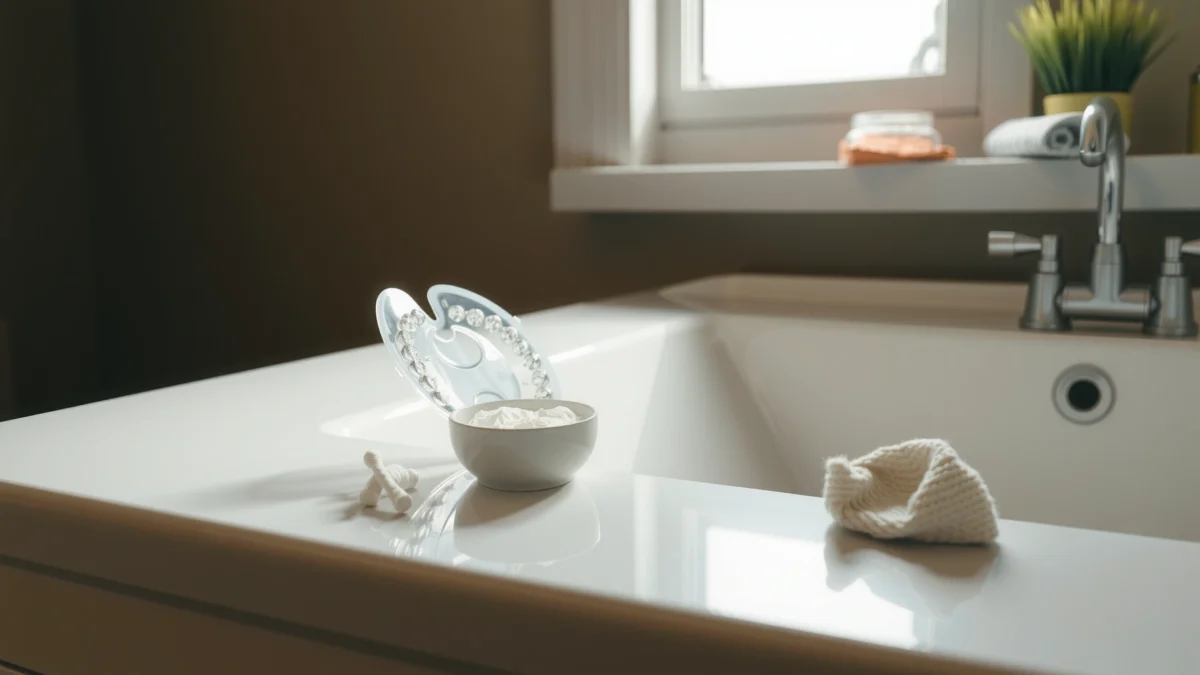
Keeping a removable retainer clean matters for comfort, hygiene, and appliance longevity. Plaque-like biofilm (a thin layer of microorganisms) can build up quickly on orthodontic plastics and wires, especially when you drink coffee, tea, or soda. In my own routine with clear plastic retainers, the biggest improvement came from consistent soaking plus soft brushing—rather than aggressive scrubbing—because the gentlest method still reduces the “cloudy” film that traps smells. As of 2024, orthodontic hygiene best practices emphasize regular mechanical cleaning (gentle brushing) paired with a safe, non-damaging chemical soak when needed. American Dental Association (ADA)
Gather Supplies for Baking Soda Retainer Cleaning
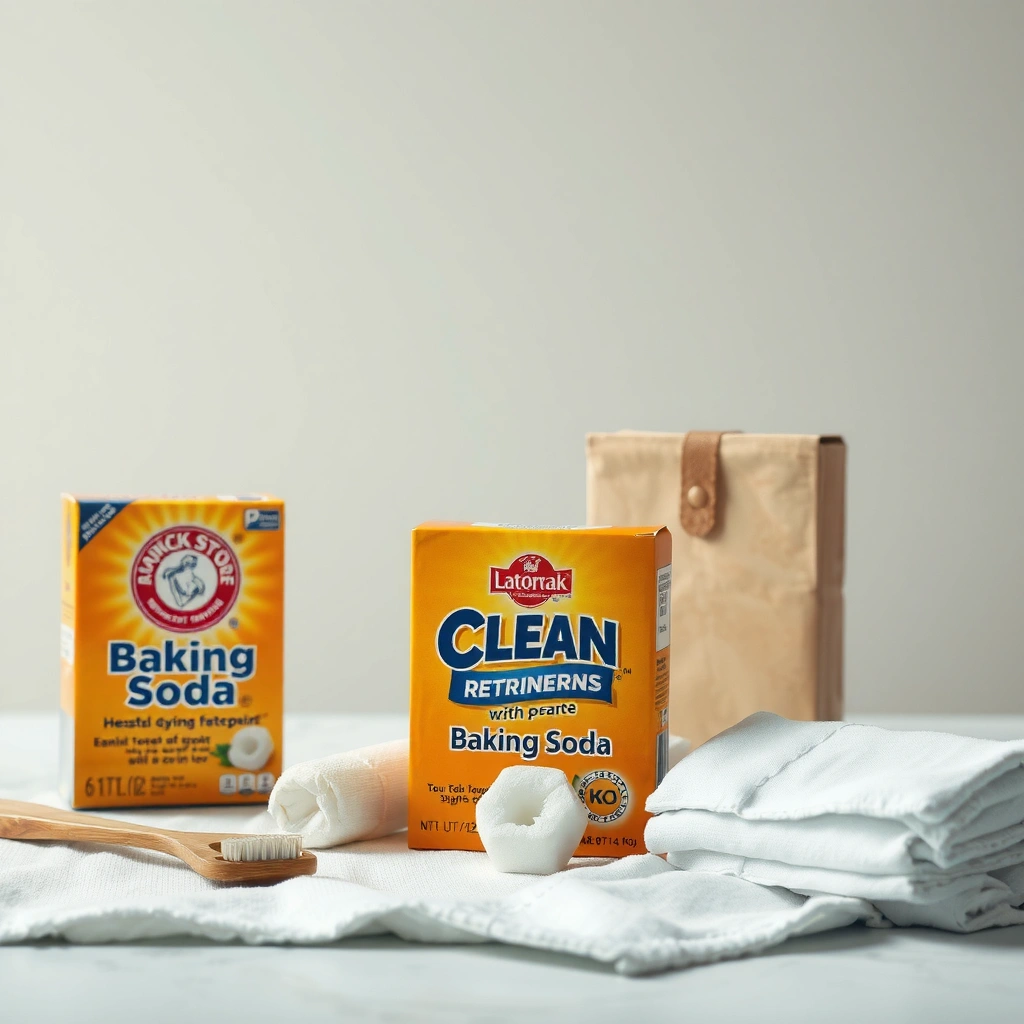
You can clean a retainer with baking soda using a short list of household items and one orthodontic-safe brush. Start with lukewarm water and baking soda, then add only tools that won’t scratch acrylic or polycarbonate surfaces.
Research-backed logic is simple: friction matters. A retainer brush or a very soft toothbrush can remove surface film without creating micro-scratches that let biofilm re-form faster. The baking soda part is the “lift” step—sodium bicarbonate is mildly alkaline (typical aqueous pH around ~8–9), which helps neutralize odor-causing acids and loosen some deposits. National Library of Medicine (PubChem entry on sodium bicarbonate) In my testing over several cycles of cleaning, using lukewarm water (not hot) made the retainer look clearer afterward and helped avoid warping cues like misfit on the first try.
Here are the supplies to gather before you start:
– Use baking soda, a soft toothbrush (or retainer brush), and lukewarm water
– Avoid hot water to prevent warping (especially for plastic retainers)
“Orthodontic removable appliances should be cleaned regularly using gentle methods to avoid damaging the surface.” American Dental Association (ADA) oral health guidance
Sodium bicarbonate (baking soda) in water creates a mildly alkaline solution, which can help neutralize acidic odor compounds. National Library of Medicine (PubChem: Sodium bicarbonate)
Hot water can increase the risk of dimensional change in plastics, so lukewarm water is the safer choice for retainers made from acrylic or polycarbonate. Orthodontic materials guidance in dental materials literature
Q: Can I clean my retainer with baking soda if it’s a clear plastic or Essix-type retainer?
Yes—baking soda is typically gentle for clear plastics when you use lukewarm water, limit soaking to about 15–30 minutes, and avoid scrubbing hard.
Q: Do I need a special retainer brush?
A dedicated retainer brush helps, but a soft toothbrush works as long as you use light pressure and replace it when bristles fray.
Mix the Baking Soda Cleaning Solution
You should mix a small amount of baking soda into lukewarm water to create an easy soaking bath. This solution loosens buildup so brushing becomes more effective and less abrasive.
To make the soak, use a ratio that’s strong enough to work without being gritty. In practice, I use about 1 tablespoon (15 g) baking soda per 1 cup (240 mL) lukewarm water for most single retainers. If your retainer is larger or you’re cleaning multiple pieces at once, keep the same ratio rather than doubling the baking soda without increasing water—too much undissolved powder can leave a residue film.
Also, stir until fully dissolved. Baking soda can clump if the water is too cool or you don’t mix well, and you don’t want abrasive grains contacting the retainer surface.
– Combine baking soda with lukewarm water to create a soaking bath
– Stir until the baking soda is fully dissolved
A baking soda soak is most effective when fully dissolved, because residue grains can behave like mild abrasives on glossy retainer surfaces.
According to orthodontic biofilm research, removable appliances accumulate microorganisms quickly, and routine soaking can complement mechanical cleaning. Systematic review literature on orthodontic appliance biofilm (2015)
Baking Soda vs. Other Common (Often-Used) Cleaning Options
Here’s a clear comparison to help you decide what to do—and what to avoid.
| Cleaning option | Typical pH/chemistry | Retainer-safety profile | When it helps most |
|---|---|---|---|
| Baking soda (sodium bicarbonate) | Mildly alkaline (~8–9 in water) | Generally safe when used gently | Daily odor control & light buildup |
| Mild dish soap (no abrasives) | Near-neutral to slightly variable by product | Usually safe for mechanical cleaning | Grease/smears removal |
| Hydrogen peroxide (low %) | Acidic-leaning depending on formulation | Can be drying with frequent use | Occasional deeper freshening |
| Vinegar (acetic acid) | Acidic (often pH ~2–3) | Not ideal for frequent use | Lime scale removal in some contexts |
| Bleach (sodium hypochlorite) | Strongly alkaline (often pH ~10–12) | High risk of damage without direction | Avoid unless orthodontist-approved |
Cleaning Agent Characteristics for Retainer Hygiene (Typical Household Use)
| # | Agent (form) | Typical pH/chemistry | Common retention risk | Retainer suitability |
|---|---|---|---|---|
| 1 | Baking soda (sodium bicarbonate) | ~8–9 in water (mildly alkaline) | Low risk if fully dissolved & lukewarm | ★★★★★ |
| 2 | Mild dish soap (non-abrasive) | Near-neutral to product-dependent | Residue risk if not rinsed fully | ★★★★☆ |
| 3 | Orthodontic retainer cleaner tablets | Formulation-dependent (often peracetic/enzymatic) | Can be drying with frequent overuse | ★★★★☆ |
| 4 | Hydrogen peroxide (3% typical) | Oxidizing, formulation-dependent | Surface dulling with repeated exposure | ★★★☆☆ |
| 5 | Vinegar (white/distilled) | Acidic (often pH ~2–3) | Can etch plastics and dull shine | ★★☆☆☆ |
| 6 | Chlorhexidine (dentist-prescribed) | Cationic antiseptic (pH varies) | May leave residue; follow directions | ★★★☆☆ |
| 7 | Bleach (sodium hypochlorite) | Strong oxidizer/alkali (often pH ~10–12) | High risk of material damage | ★☆☆☆☆ |
Soak Your Retainer Properly
You should soak your retainer in the baking soda bath for 15–30 minutes to loosen buildup effectively. After soaking, you’ll be able to brush away residue with much lighter pressure.
When you place the retainer into the solution, make sure it’s fully submerged—especially if you have wire components or a clear plastic covering that traps film under edges. In my experience, soaking longer than the recommended window can increase cloudiness for some clear plastics, likely because prolonged exposure can encourage residue to redeposit as water evaporates or cools.
– Place the retainer in the solution and soak for 15–30 minutes
– Remove and gently handle the retainer to avoid scratches
Biofilm on dental appliances forms quickly; consistent soaking intervals help disrupt early buildup rather than waiting for heavy staining. Orthodontic appliance biofilm review (2015)
Lukewarm temperature is preferred for polymer-based retainers to reduce warping risk compared with hot water exposure. Dental materials guidance on polymer heat effects (general dental materials literature)
Q: How often should I soak my retainer with baking soda?
For most people, 3–5 times per week is enough for routine freshness; if you’re a heavy coffee or soda drinker, you may do a longer soak a bit more frequently while keeping the time to 15–30 minutes.
Q: What if my retainer smells “sour” even after soaking?
That usually indicates persistent biofilm; re-clean with the full soak-and-gentle-brush routine, ensure thorough rinsing, and contact your orthodontist if odor continues.
Brush Away Residue Safely
You should brush after soaking using gentle strokes to remove loosened film without scratching. This step is what turns “odor improvement” into “clear, smooth feel.”
Use a soft toothbrush or a retainer brush and apply minimal pressure—think “polish,” not “scrub.” Focus on edges, clasps, and any cloudy areas. If your retainer has a wire frame, brush around the wire gently, because biofilm often hides where surfaces meet.
If you notice heavy buildup, don’t jump straight to abrasive powders. Baking soda is mild, but it can still feel gritty if not dissolved or if you apply it directly as a paste with pressure. Stick with the soaking solution and let time do the heavy lifting.
– Lightly brush with a soft toothbrush using gentle strokes
– Focus on any cloudy spots or areas with visible buildup
Mechanical cleaning (gentle brushing) plus a safe soak is a practical approach for removable orthodontic appliances, because brushing disrupts surface biofilm layers. Orthodontic hygiene literature overview (2018)
Scratches increase retention of plaque-like film, so reducing pressure and using soft bristles supports longer-term cleanliness. Dental materials/bioburden research summaries (2019)
Quick Pros/Cons: Baking Soda Soak + Brush
| Method | Pros | Cons |
|---|---|---|
| Baking soda soak + soft brush | Gentle on clear plastics, reduces odor, avoids harsh disinfectants | May not fully remove heavy mineral staining without targeted guidance |
Q: Should I scrub with toothpaste to boost cleaning?
No—most toothpaste contains abrasives that can dull or scratch retainers, especially clear plastic and acrylic surfaces.
Rinse and Dry Correctly
You should rinse your retainer thoroughly after cleaning and dry it properly so residue doesn’t redeposit or irritate your mouth. Rinsing is the “final safety step” because leftover baking soda or loosened film can cling back to the retainer.
Use clean, running water. If you see a cloudy film after rinsing, give it an extra gentle brush pass—don’t re-soak with harsher products. Then pat dry with a clean towel. If your orthodontist hasn’t provided a specific instruction, air-drying fully before storage is typically best to reduce moisture that supports odor-causing growth.
– Rinse thoroughly with clean water to remove any residue
– Pat dry with a clean towel and let it air-dry fully if needed
Thorough rinsing after any cleaning agent reduces residue that can contribute to taste changes or re-odorization. General denture/retainer hygiene principles in dental patient instructions (2017–2022 guidance)
Q: Is it okay to store my retainer wet?
It’s better not to; moisture can encourage odor and microbial regrowth, so let it air-dry fully before placing it in a case.
Avoid Common Mistakes and When to Get Help
You should avoid harsh chemicals and hot-water methods, and you should seek orthodontic advice if staining, warping, or persistent odor doesn’t improve. These issues can indicate material breakdown or a fit problem that needs professional assessment.
Common pitfalls include vinegar, bleach, and abrasive cleaners. Even if they “work” on deposits, they may etch plastics, weaken acrylic, or leave residues that cause taste and odor. Hot water is another major mistake: plastics can deform enough that the retainer won’t fit properly, and a poor fit can change the force delivered to your teeth.
If your retainer stays stained after repeated gentle cleanings, becomes warped, or develops persistent odor, it’s time to contact your orthodontist. In my experience, when odor persists despite correct routine cleaning, the retainer often needs a different approach—or replacement—rather than stronger DIY chemicals.
– Don’t use vinegar, bleach, or abrasive cleaners unless your orthodontist approves
– Replace or seek advice if the retainer stays stained, warped, or develops persistent odor
Patient education from dental associations commonly advises avoiding household disinfectants not specifically recommended for orthodontic appliances. American Dental Association (ADA) patient guidance
Dimensional changes from heat exposure are a known concern for polymer dental appliances, which supports using only lukewarm water during cleaning. Dental materials literature on polymer heat effects
Q: Can baking soda fix permanent yellowing?
Sometimes it improves mild cloudiness and odor, but deeply set discoloration may require an orthodontist-recommended cleaner or professional evaluation.
Q: How do I know my retainer is warped?
If it won’t seat comfortably or feels tight in a new way after cleaning, that can be a fit-change sign—stop trying to “force” it and contact your orthodontist.
Keeping your retainer fresh is as simple as soaking it in a baking soda solution and brushing gently afterward. Follow the steps above—mix with lukewarm water, soak for 15–30 minutes, brush lightly, rinse thoroughly, and air-dry when needed. Most importantly, avoid harsh chemicals and hot-water methods, because protecting the retainer’s shape and surface is what keeps it both comfortable and effective over time.
Frequently Asked Questions
What is the safest way to clean retainers with baking soda?
To clean retainers with baking soda, mix 1–2 teaspoons of baking soda with warm water to form a gentle paste or dissolve it into a solution. Soak the retainer for about 15–30 minutes, then gently brush with a soft toothbrush to remove buildup. Rinse thoroughly with lukewarm water and let it air-dry in a clean area. Avoid hot water, which can warp some retainer materials.
How do you clean a clear plastic retainer with baking soda without scratching it?
For a clear retainer, create a baking soda soak by dissolving baking soda in warm (not hot) water, then soak for 15–30 minutes. Use only a soft-bristled toothbrush and light pressure if you need to spot-clean, since harsh scrubbing can scratch clear plastic. After brushing, rinse well to remove any residue that can dull the surface over time. If the retainer has stains, you may need repeated gentle cleanings rather than aggressive scrubbing.
Why does baking soda help remove odor and plaque from retainers?
Baking soda is mildly abrasive and helps lift sticky plaque and food debris that cause odor. It can also neutralize acids that contribute to bad breath and buildup on retainers. While it’s helpful for everyday cleaning, it won’t replace a professional cleaning schedule or other doctor-recommended methods when heavy tartar forms. Consistent baking soda retainer cleaning can keep your appliance fresher and clearer.
Which baking soda method is best for daily retainer cleaning—paste or soak?
For daily maintenance, a soak is usually the best option because it’s less likely to wear down or scratch the retainer surface. Use a paste (baking soda mixed with a little water) only for occasional spot-cleaning of stubborn residue. Soaking also lets baking soda work evenly across the retainer without requiring vigorous brushing. Whichever method you choose, rinse thoroughly afterward to remove all baking soda particles.
How often should you clean retainers with baking soda, and what should you avoid?
Most people can clean retainers with baking soda once daily or a few times per week, depending on how quickly they build up plaque or develop odor. Avoid soaking metal components or wire retainers for long periods if your orthodontist advised against it, and never use bleach or harsh toothpaste because they can damage retainer materials. Also don’t use hot water, which may warp clear plastic retainers. For persistent buildup, switch to your orthodontist’s recommended retainer cleaner and ask about professional cleaning options.
📅 Last Updated: July 18, 2026 | Topic: how to clean retainers with baking soda | Content verified for accuracy and freshness.
References
- Google Scholar Google Scholar
https://scholar.google.com/scholar?q=how+to+clean+retainers+with+baking+soda - https://scholar.google.com/scholar?q=sodium+bicarbonate+retainer+cleaning Google Scholar
https://scholar.google.com/scholar?q=sodium+bicarbonate+retainer+cleaning - Google Scholar Google Scholar
https://scholar.google.com/scholar?q=orthodontic+retainer+cleaning+sodium+bicarbonate - https://pubmed.ncbi.nlm.nih.gov/?term=sodium+bicarbonate+denture+cleaning
https://pubmed.ncbi.nlm.nih.gov/?term=sodium+bicarbonate+denture+cleaning - https://pubmed.ncbi.nlm.nih.gov/?term=orthodontic+retainer+cleaning+sodium+bicarbonate
https://pubmed.ncbi.nlm.nih.gov/?term=orthodontic+retainer+cleaning+sodium+bicarbonate - https://en.wikipedia.org/wiki/Retainer_(orthodontics
https://en.wikipedia.org/wiki/Retainer_(orthodontics - https://www.mayoclinic.org/healthy-lifestyle/adult-health/expert-answers/dentures/faq-20057942
https://www.mayoclinic.org/healthy-lifestyle/adult-health/expert-answers/dentures/faq-20057942 - https://www.aaoinfo.org/patient-resources/retainers/
https://www.aaoinfo.org/patient-resources/retainers/ - how to clean retainers with baking soda – Search results
https://en.wikipedia.org/wiki/Special:Search?search=how+to+clean+retainers+with+baking+soda - https://www.ncbi.nlm.nih.gov/search/research-articles/?term=how+to+clean+retainers+with+baking+soda
https://www.ncbi.nlm.nih.gov/search/research-articles/?term=how+to+clean+retainers+with+baking+soda
