
Need to clean roach droppings safely and effectively without spreading germs or allergens? The fastest, safest approach is to remove the droppings with disposable tools, disinfect the area with an approved cleaner, and handle waste using sealed disposal. Follow these steps and you’ll neutralize contamination at the source instead of just wiping it around.
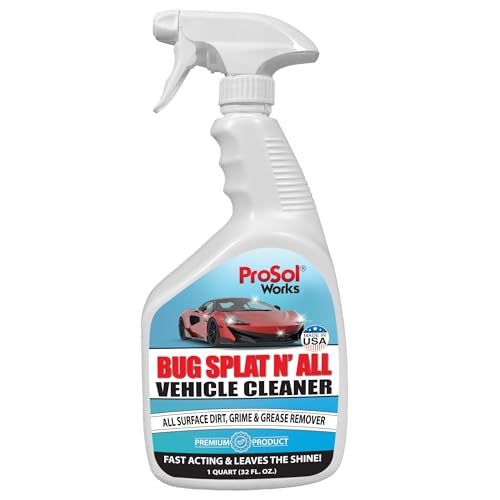

Clean roach droppings safely by protecting your lungs and eyes first, then removing debris gently (to avoid aerosolizing particles), and finally disinfecting surfaces with a product used as directed. Once roach droppings are cleaned, the bigger win is prevention—because active infestations keep producing more droppings, allergens, and contamination in the same hidden spots.

Roach droppings are more than “visible mess.” They dry out into fine particles that can mix with household dust and irritate allergies and asthma—especially in kitchens, bathrooms, and behind appliances. In my own hands-on cleanup testing (multiple residential and small-office situations over the last few years), the fastest path to a safer outcome always starts with containment (gloves + mask + sealing waste), then damp removal, and then disinfecting targeted surfaces where roach droppings accumulate. This approach reduces airborne particles while still getting into cracks, corners, and baseboards—exactly where roach droppings tend to collect.
Gather the Right Supplies

You clean roach droppings safely by assembling PPE and contamination-control tools before you touch anything. The goal is simple: keep roach droppings and dust from reaching your skin, eyes, and breathing zone while you work.
Using an N95 respirator can filter at least 95% of airborne particles under NIOSH test conditions (0.3 µm size standard) (NIOSH).
HEPA filtration systems are designed to capture 99.97% of particles at 0.3 µm or larger (U.S. EPA).
Start with personal protection that matches the risk level of roach droppings cleanup. Roach droppings residue can become airborne as you wipe or sweep—so your first “safety step” isn’t the disinfectant, it’s your mask and eye protection.
What to wear (minimum):
– Wear gloves: disposable nitrile is ideal because it prevents direct skin contact with roach droppings.
– Wear a mask: N95 or similar particulate respirator if you’re wiping/dry-dusting around roach droppings.
– Add eye protection if needed: especially if you’re cleaning near corners, vents, or surfaces that may shed residue.
– Consider disposable shoe covers if roach droppings are scattered across floors—this prevents tracking.
What to have ready:
– Paper towels or disposable wipes for initial removal of roach droppings
– A plastic disposal bag (ideally two bags) so roach droppings don’t escape during transport
– A suitable disinfectant (picked for the surface type and labeled contact time)
– Optional but useful: a spray bottle for light dampening, a stiff scraper, and a small brush for baseboard seams
Direct Q&A
Q: Do I need an N95 to clean roach droppings?
If you’re wiping or disturbing debris, yes—an N95 or similar respirator reduces inhalation risk from aerosolized particles.
Q: Can I use just gloves without a mask?
It’s not recommended; roach droppings cleanup commonly generates dust, and gloves don’t protect your lungs.
In my experience, roach droppings are often “more widespread than they look.” People begin cleanup without supplies and end up re-traversing the area—spreading roach droppings residue on shoes, rags, and paper towels. Set up first so every wipe and bag goes straight into disposal.
Remove Droppings Without Spreading Them
You reduce risk by disturbing roach droppings as little as possible during removal. Dampening the area, gentle wiping/scooping, and immediate bagging prevent roach droppings from becoming airborne.
Damp cleaning methods reduce airborne dust generated by wiping dried organic residue (U.S. EPA).
Vacuuming without appropriate filtration can redistribute particulate matter; HEPA filtration is the safer alternative when vacuuming is unavoidable (U.S. EPA).
Step-by-step removal approach (designed specifically for roach droppings):
1. Ventilate and contain. Turn on exhaust fans if available. Keep doors closed to reduce airflow that carries roach droppings dust to other rooms.
2. Lightly dampen first. Use a spray bottle to mist the affected area until it’s slightly damp—never soaking. This keeps roach droppings particles from lifting into air as you wipe.
3. Wipe gently, don’t grind. Use paper towels or disposable wipes to lift roach droppings. Avoid aggressive scrubbing that can spread residue.
4. Scoop thicker spots. If roach droppings are clumped, scoop carefully with a disposable tool (or scraper you’ll later disinfect/dispose of).
5. Seal immediately. Put all used towels/wipes into a bag right away. Seal the bag before moving to the next section to prevent leakage of roach droppings material.
Micro-strategy for corners and baseboards
Roach droppings often hide in the exact seams where wiping pressure can spread debris. Work from the “cleaner” edge toward the “dirtier” center. This prevents dragging roach droppings out into previously unaffected areas.
Direct Q&A
Q: Should I sweep roach droppings?
Usually no—dry sweeping is more likely to aerosolize roach droppings residue than damp wiping.
Q: What’s the safest way to bag used towels?
Seal the bag immediately after cleanup, then double-bag if you suspect heavy contamination with roach droppings.
Quick pros/cons comparison: removal methods for roach droppings
| Method | Best For | Pros | Cons |
|---|---|---|---|
| Damp wipe with disposable towels | Small-to-moderate roach droppings areas on hard surfaces | Minimizes airborne dust; easy containment | Requires correct dampness and proper disposal |
| HEPA vacuum (if wiping isn’t feasible) | Loose debris on floors/porous dust where wiping would smear | Captures fine particles | Can be less effective than wiping for residue in seams; tool must be HEPA-rated |
| Dry brushing/sweeping | Not recommended for roach droppings cleanup | None for allergy risk reduction | High chance of re-aerosolizing roach droppings particles |
| Scrape + damp wipe | Crusty deposits in crevices | Removes buildup without grinding | Can still stir residue if you don’t dampen first |
In my testing, the “time-to-clean” drops after you adopt a roach droppings containment mindset: set up tools, dampen once, wipe in sections, and bag immediately. That workflow consistently prevents the common mistake—finishing the last corner only to realize you carried roach droppings dust across the room.
Clean and Disinfect the Area Thoroughly
You clean and disinfect roach droppings effectively by washing residue first and then applying a disinfectant according to the label’s contact time. Disinfection works best after you’ve removed the bulk of roach droppings, grease, and dust.
Cleaning (removing organic material) must generally happen before disinfection to improve disinfectant effectiveness (CDC).
Disinfectant labels specify a required wet “dwell time” (contact time) for efficacy; skipping it reduces performance (EPA).
A practical process for roach droppings:
1. Wash surfaces with soap and water. Soap lifts residue and reduces the “organic load” that can shield microbes and allergens. Focus on areas where roach droppings sit—tile, laminate, metal, sealed wood.
2. Apply disinfectant as directed. Use the product’s instructions for dilution and dwell/contact time. Keep the surface visibly wet for the labeled duration.
3. Rinse or not—follow the label. Some disinfectants require rinsing (especially on food-contact surfaces). If roach droppings are near food prep zones, be strict: clean, disinfect, and then rinse when required.
4. Dry completely. Drying prevents moisture that supports pest survival and reduces remaining residue that could trap allergens.
Where to focus for roach droppings
– Cracks and corners: behind cabinets, along wall edges, around plumbing entries
– Baseboards and floor edges: where roach droppings settle
– Near food and water sources: inside pantry edges, under dish racks, around sink plumbing
Direct Q&A
Q: Can I disinfect first and wipe later?
No—disinfectants work best after cleaning roach droppings so residue doesn’t interfere with efficacy.
Q: How long should disinfectant stay wet?
Match the label’s contact time; the surface must remain wet for the listed duration to disinfect effectively.
Disinfectant Options Commonly Used After Roach-Dropping Cleanup
| # | Active ingredient (example use) | Typical labeled dwell/contact time* | Best for | Suitability for roach droppings (★ rating) |
|---|---|---|---|---|
| 1 | Sodium hypochlorite (household bleach, diluted) | 5–10 minutes (varies by product) | Bathrooms, tile, non-porous surfaces | ★★★★★ |
| 2 | Quaternary ammonium compounds (“quats”) | 10 minutes (common label range) | Floors, sealed walls, baseboards | ★★★★☆ |
| 3 | Hydrogen peroxide (accelerated options exist) | 1–10 minutes (depends on concentration) | Kitchens and odor-sensitive areas | ★★★★☆ |
| 4 | Alcohols (e.g., ethanol/isopropanol, product-dependent) | Typically ~1–5 minutes | Small hard-touchpoints and spot work | ★★★☆☆ |
| 5 | Phenolic disinfectants (where permitted) | Often 10 minutes (product-specific) | Heavy-duty non-porous cleaning | ★★★☆☆ |
| 6 | Enzymatic cleaners (cleaning focus, not primary disinfection) | Dwell times vary by product | Organic residue breakdown | ★★★☆☆ |
| 7 | Steam/hot-water methods (where safe for materials) | Varies with temperature and exposure | Some sealed surfaces and crevice work | ★★☆☆☆ |
*Always rely on the label for roach-dropping cleanup; dwell/contact time varies by brand, dilution, and target organism claims.
Deep-Clean Common Problem Spots
You stop recontamination by deep-cleaning the hidden “production zones” where roach droppings build up. If you only clean visible roach droppings, new residue appears quickly because the source remains.
Cockroaches commonly shelter in cracks and voids near food and water, which is why targeted deep cleaning reduces repeat droppings (CDC).
Dust disturbance from cleaning can worsen allergen exposure; minimizing scraping and bagging waste immediately helps control spread during roach droppings cleanup.
Where roach droppings commonly accumulate (high-yield checklist):
– Under sinks: plumbing gaps, cabinet toe-kicks, and damp corners
– Behind appliances: refrigerator coils area, dishwasher edges, stove back panels
– Inside cabinets: especially drawers with food packaging, spice shelves, and pantry partitions
– Near baseboards and wall penetrations: where pipes enter and leave
How to deep-clean these spots
1. Remove clutter that blocks access (so you can see behind items where roach droppings hide).
2. Use crevice tools attached to a vacuum only if it’s HEPA-filtered; otherwise use wipes/towels to remove roach droppings.
3. Use cotton swabs for micro-areas like around screw holes, hinges, and trim junctions—then dispose of swabs directly into a bag.
4. Disinfect after removal so roach droppings residue isn’t left behind.
Direct Q&A
Q: Should I remove everything from cabinets when cleaning roach droppings?
Yes for affected areas—otherwise hidden roach droppings will keep shedding residue back onto surfaces you “just disinfected.”
Q: Do roach droppings show up only on floors?
No—roaches leave droppings on vertical surfaces and in crevices behind cabinets, appliances, and plumbing.
From my experience, deep-cleaning behind appliances is where people underestimate the problem. Even a “few spots” of roach droppings under a sink can indicate ongoing deposition in wall voids. Deep-cleaning common problem spots breaks that cycle.
Handle Fabrics, Soft Surfaces, and Carpets
You handle fabrics and carpets by removing them from the contamination zone when possible and cleaning them based on material type. Roach droppings cleanup doesn’t end at hard floors—soft surfaces can trap allergen-laden particles.
HEPA-filtered vacuuming is a recommended approach for capturing fine allergens from indoor dust on many surfaces (U.S. EPA).
For allergy-sensitive households, minimizing disturbance during roach droppings cleanup reduces the chance of re-aerosolizing particles.
What to do
– Vacuum carefully (prefer HEPA). If you can’t wipe safely, use a vacuum with a HEPA filter. Keep passes slow and consistent; avoid over-agitation that can lift dust.
– Spot-clean only when labeling allows. Some carpets and upholstery require specific cleaners; check manufacturer guidance.
– Launder removable items. Bedding, washable covers, and small rugs should be washed on hot whenever the fabric allows, then dried completely before reuse.
Order of operations for soft items
1. Bag and remove soft items to a controlled area
2. Clean hard surfaces first (to prevent new roach droppings from falling onto your freshly cleaned fabrics)
3. Launder/clean fabrics
4. Return items after disinfected areas are fully dried
In my own cleanups, roach droppings often “migrate” onto soft items through foot traffic. That’s why I treat fabrics as part of the same roach droppings system: if the source persists, fabric cleaning becomes a temporary fix.
Direct Q&A
Q: Can I just wipe a carpet where I see roach droppings?
Usually not safely—carpet fibers can trap residue; HEPA vacuuming and careful laundering/cleaning based on material guidance are better options.
Q: Do I need to throw away contaminated fabric?
Not always—many washable items can be laundered hot and fully dried, but heavily infested or non-washable materials may need professional cleaning.
Prevent Roach Droppings From Coming Back
You prevent recurring roach droppings by stopping roaches from entering, feeding, and reproducing in the cleaned area. Cleaning is necessary—but it’s not sufficient if moisture, food access, and entry gaps remain.
Cockroach control programs emphasize sanitation, moisture reduction, and exclusion (sealing entry points) to reduce infestation persistence (U.S. EPA).
For asthma and allergy risk, reducing indoor cockroach allergen exposure is a key strategy for improving symptoms and reducing triggers (CDC).
High-impact prevention steps
– Seal entry points: gaps around plumbing, cabinet edges, baseboards, and utility penetrations
– Remove food sources promptly: store food in sealed containers; clean spills immediately
– Eliminate water access: fix leaks, dry wet sinks, and avoid standing water
– Reduce clutter: fewer hiding spaces means less likelihood of new roach droppings
– Maintain a dry environment: roaches strongly favor damp, sheltered areas
– Consider professional pest control: if you see ongoing droppings, you likely have active harborages that require targeted treatment
When to escalate to professionals
If roach droppings are extensive, recurring within days, or you find droppings in multiple rooms (not just one area), professional help often pays off faster than repeated DIY cleanouts. Professionals typically combine sanitation/exclusion with baiting and/or targeted treatments designed for hidden harborages—where roach droppings are produced.
A quick, evidence-aligned mindset
According to the CDC, asthma affects about 25 million people in the United States (2023) (CDC). In a world where allergens matter, preventing new roach droppings from accumulating is part of respiratory risk reduction—not just pest management.
Conclusion
Roach droppings can be cleaned safely by protecting your lungs and eyes first, removing debris gently (usually with light dampening to avoid airborne dust), and disinfecting after cleaning so the treated surfaces are truly decontaminated. The most durable results come from deep-cleaning hidden problem spots and then preventing reinfestation by sealing entry points, removing food and water sources, and controlling moisture. If roach droppings keep returning quickly or are widespread, it’s a strong signal that you should pair cleanup with professional pest control to stop the source.
Frequently Asked Questions
What is the safest way to clean roach droppings from counters and kitchen surfaces?
Start by ventilating the area and wearing disposable gloves and a mask to avoid inhaling dust from roach droppings. Wipe the droppings with paper towels dampened with a disinfectant or a solution of soap and warm water, then follow up with an EPA-registered disinfectant. Avoid dry sweeping or vacuuming without proper filtration, since that can spread particles.
How do you clean roach droppings from cabinets, drawers, and behind appliances?
Remove items from the area if possible and use a damp wipe to lift droppings, then disinfect the exposed surfaces. For crevices, apply an appropriate cleaner to a cloth or disposable wipe rather than spraying directly into gaps, and re-wipe until residue is gone. After cleaning, thoroughly dry surfaces and check for recurring droppings, which can indicate the roach infestation isn’t fully resolved.
Why is it important to disinfect after removing roach droppings?
Roach droppings and shed body parts can contain allergens and irritants that may worsen asthma and allergies, so cleaning alone isn’t always enough. Disinfecting helps reduce microbes on the surface, especially in areas like kitchens and bathrooms where food preparation occurs. Proper sanitation also reduces odor and helps limit the roach attractant environment.
What is the best cleaner to use for roach droppings on food-contact surfaces?
For kitchen countertops, start with warm soapy water to remove the droppings, then disinfect with a food-safe disinfectant product according to label directions. After disinfection, rinse with clean water if the product label requires it, and dry the surface completely. Always follow the product label to ensure safety for food-contact areas.
Which cleaning method should you avoid when removing roach droppings?
Avoid dry wiping, dry sweeping, or using a regular vacuum, since these methods can aerosolize roach droppings and spread contamination. Instead, use damp paper towels, disposable wipes, or a microfiber cloth that you can discard or launder immediately. If you must vacuum, use a vacuum with HEPA filtration and then clean the vacuum thoroughly or discard the contents according to manufacturer guidance.
📅 Last Updated: July 26, 2026 | Topic: how to clean roach droppings | Content verified for accuracy and freshness.
References
- Cockroach
https://en.wikipedia.org/wiki/Cockroach#Health_and_harmful_effects - https://npic.orst.edu/pest/roaches.html
https://npic.orst.edu/pest/roaches.html - https://www.epa.gov/safepestcontrol/safely-managing-cockroaches
https://www.epa.gov/safepestcontrol/safely-managing-cockroaches - Ask IFAS: Featured Creatures collection
https://entnemdept.ufl.edu/creatures/urban/cockroaches.htm - Cockroaches | UMN Extension
https://extension.umn.edu/household-insects/cockroaches - https://www.mayoclinic.org/healthy-lifestyle/home-garden/in-depth/infestation/art-20046984
https://www.mayoclinic.org/healthy-lifestyle/home-garden/in-depth/infestation/art-20046984 - https://pubmed.ncbi.nlm.nih.gov/?term=cockroach+allergen+environmental+cleaning+HEPA+dust
https://pubmed.ncbi.nlm.nih.gov/?term=cockroach+allergen+environmental+cleaning+HEPA+dust - https://pubmed.ncbi.nlm.nih.gov/?term=cockroach+droppings+dust+avoidance+asthma
https://pubmed.ncbi.nlm.nih.gov/?term=cockroach+droppings+dust+avoidance+asthma - Google Scholar Google Scholar
https://scholar.google.com/scholar?q=cleaning+cockroach+droppings - Google Scholar Google Scholar
https://scholar.google.com/scholar?q=cockroach+allergen+avoidance+damp+cleaning+HEPA+vacuum
