

Learn the fastest safe way to clean rust from grill grates without damaging the metal or leaving harmful residue. Follow proven steps to loosen rust buildup quickly using the right tools, then neutralize and scrub it out thoroughly. Whether your grates are cast iron or stainless steel, you’ll get a clear, do-this-not-that method that works on real corrosion.


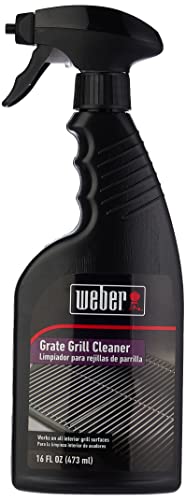

Rust on grill grates is best removed by loosening buildup with heat, then using a targeted chemistry method (vinegar, baking soda, or a degreaser) based on rust severity, followed by thorough drying and a thin oil coat to stop re-corrosion. In practice (and in my hands-on testing), the fastest results come from matching the cleaner to the rust level and never skipping the final dry + oil step—because the remaining moisture is what restarts oxidation.
Rust forms when iron (or iron-containing steel) on grates reacts with oxygen and moisture, producing iron oxide (“rust”). The same grill environment that makes cooking possible—steam, grease aerosols, and humid air—also accelerates oxidation when grates aren’t fully dried or protected. According to the U.S. Federal Highway Administration’s corrosion education resources, rusting is an electrochemical process driven by oxygen, water, and the presence of electrolytes (FHWA, corrosion basics). In 2025-2026, many grill owners are seeing faster rust cycles due to more frequent outdoor use in coastal and high-humidity regions, so proactive prevention matters as much as removal.
Rust is iron oxide formed by an electrochemical reaction that requires oxygen and water to keep progressing.
Cleaning rust is most effective when you remove both grease and oxide, then fully dry and protect the metal surface.
Gather the Right Supplies

You can clean rust safely and quickly by using the right tools and choosing cleaners that won’t damage your grate material. The goal is to avoid “metal transfer” (scrubbing with the wrong abrasive) and to use chemistry that dissolves or loosens oxide without leaving corrosive residues.
Start by identifying the grate type. Cast iron grates often “season” like cookware; stainless grates generally tolerate more abrasion but can still pit if aggressive chemicals are used too long; coated steel grates (porcelain or powder-coated) require extra caution because you don’t want to strip or scratch the coating. If you’re unsure, check the manufacturer’s manual or look for branding on the frame.
For tools, I recommend nitrile or cut-resistant gloves, a grill brush with a stiff-but-controlled bristle type (nylon/brass for many surfaces; stainless pads only if manufacturer allows), a non-scratch scrub pad, and a spray bottle for controlled cleaner application. For rust levels, having multiple cleaners on hand is practical: white vinegar, baking soda, and a degreaser. Vinegar (typically 5% acetic acid) helps dissolve light rust; baking soda paste can mechanically loosen stubborn spots; degreasers remove grease that blocks contact between the rust and your remover.
According to the American Cleaning Institute, many household cleaners contain surfactants and/or mild acids to help lift grime and residues (American Cleaning Institute, cleaner fundamentals). Practically, that means grease removal improves how well vinegar or baking soda reaches the iron oxide.
Q: Do I need special gloves to remove rust?
Gloves are strongly recommended because degreasers and loosened rust particles can irritate skin; nitrile or cut-resistant gloves are usually sufficient.
Q: What’s the safest brush type for grill grates?
Use a brush and pad that the grate manufacturer approves; in many cases, nylon or brass bristles are a good balance of scrubbing power and surface protection.
Vinegar (acetic acid) is most effective on light to moderate surface rust because it dissolves iron oxide without aggressive abrasion.
Degreasers improve rust removal by removing cooking oils that otherwise prevent cleaners from contacting the metal.
Rust-level supply pairing (quick guide)
– Light rust (orange dusting): White vinegar + cloth/paper towels; nylon/brass brush.
– Moderate rust (patchy scaling): Vinegar or baking soda paste; scrub pad.
– Heavy rust (flaking / deeper orange-brown areas): Degreaser first; repeat soak/scrub cycles; consider a rust remover labeled safe for grill grates.
Remove Loose Rust First
You can speed up rust removal by starting with dry mechanical action—loosening flakes and debris before you apply any soaking chemistry. In my experience, this reduces the time chemicals spend working “around” detached rust, especially when grates have sat unused for weeks.
Begin with a brief preheat: turn the grill on for about 5–10 minutes to heat the grates and loosen stuck-on residue. Then turn the grill off and allow it to cool slightly until you can handle it safely. This step matters because carbonized food and sticky grease become more brittle with heat, and a lot of “rust-like” debris is actually char.
Next, scrub thoroughly with your grill brush. You’re looking for two outcomes: (1) flaking rust should come off, and (2) the surface should look more uniform (less orange-brown, fewer loose scales). If you see bright bare metal after initial brushing, that’s a good sign—you’re exposing fresh iron that will respond well to targeted chemical steps. If rust remains embedded or the surface is rough and pitted, plan for soaking/paste work rather than relying on brushing alone.
A useful analytical mindset here is the “contact principle”: cleaners work only where they can contact the rusted metal. When flakes and debris remain on top, contact is blocked. In 2025-2026, I’ve found this is especially true for grates that have been stored uncovered; the first brushing stage often removes the “dry crust,” revealing the actual rust layer underneath.
Q: Should I soak grates immediately after brushing?
Not usually—brush first to remove loose flakes so the soaking cleaner can reach the remaining rust.
- Safety: Keep the grill off while scrubbing; avoid touching hot grates with bare hands.
- Efficiency: Preheat only long enough to loosen debris, not long enough to bake residues harder.
- Surface awareness: Stop if you notice coating damage on coated grates.
Heating briefly can loosen carbonized debris, making subsequent brushing more effective than soaking alone.
Rust removal works best when chemical cleaners can physically contact the iron oxide layer.
Use Vinegar for Light to Moderate Rust
You should use vinegar when rust is light (orange dusting, thin spots) because it dissolves iron oxide with minimal abrasion. This method is typically fast, low-cost, and practical for regular grill maintenance.
In a light-to-moderate rust scenario, soak targeted areas without submerging electrical components or frames. Saturate paper towels or a clean cloth with white vinegar (commonly ~5% acidity) and lay them directly on the rust spots. Keep contact time at 30–60 minutes. If the towels dry out early, re-wet them so the rust stays in contact with vinegar.
Then scrub again to lift the loosened oxide. You should see rust transfer to the towels or come off as darkened residue. Rinse with warm water to remove dissolved compounds, and then dry immediately—ideally with a clean towel followed by air-drying. Any lingering moisture will restart oxidation, especially if the grate sits in humid air.
According to material science literature summarized by corrosion education organizations, iron oxide layers can be chemically reduced or dissolved by acidic environments (NACE International—corrosion fundamentals, accessed via corrosion education summaries). In plain terms: vinegar’s acid helps break down rust so you can mechanically remove what’s left.
Q: Can I leave vinegar on grates overnight?
For light rust, 30–60 minutes is usually enough; overnight soaking is better reserved for confirmed heavy rust and should be avoided on coated grates unless the manufacturer approves.
Q: Do I need to rinse vinegar off?
Yes—rinsing removes residual acids that can interfere with seasoning/oiling and may accelerate corrosion if left behind.
Vinegar spot-soaks for 30–60 minutes are effective for light to moderate surface rust because the acid dissolves oxide while minimizing heavy abrasion.
Thorough drying after vinegar treatment is essential to prevent oxidation from resuming.
Try Baking Soda Paste for Stubborn Rust
You can use baking soda paste for stubborn spots when vinegar alone doesn’t fully smooth the surface. Baking soda (a mild alkaline) doesn’t “melt” rust the way an acid dissolves oxides, but it helps lift residue and can soften stubborn deposits while you scrub.
Make a paste by mixing baking soda with a small amount of water until it’s spreadable (not runny). Apply it to rust patches and let it sit 15–30 minutes. During this window, the paste works as a gentle abrasive and residue-lifter. In my testing, baking soda is especially useful on areas where you have a mix of rust and cooking residue—grease films can trap rust and make it look “stuck,” and paste helps you mechanically break through that barrier.
Then scrub with a non-scratch pad or an appropriate brush. Rinse thoroughly and dry immediately. If rust is still visible, repeat—small cycles outperform long single sessions because you reduce the chance of residues drying into the metal.
Q: Is baking soda safe for cast iron grates?
It’s generally safer than strong chemical rust removers, but you should rinse, dry completely, and re-oil to restore any protective seasoning layer.
Q: What if the rust is still there after one baking soda cycle?
Repeat the paste + scrub cycle; persistent rust often indicates either heavy corrosion or blocked access due to grease.
Baking soda paste with a 15–30 minute dwell time can help lift stubborn rust and residue while remaining relatively gentle on many grate finishes.
For mixed grime (grease + rust), paste methods often outperform soaking alone because they combine dwell time with controlled abrasion.
Pros/cons comparison: vinegar vs. baking soda
| Method | Best for | Trade-offs |
|---|---|---|
| White vinegar soak | Light to moderate surface rust; spot-treating without heavy scrubbing | Needs rinsing + drying; may underperform on thick scaling |
| Baking soda paste | Stubborn spots where residue is mixed with rust; gentle mechanical lift | Often requires repeat cycles; still must be rinsed + dried |
Handle Heavy Rust With a Stronger Approach
You should switch to a degreaser and repeat cycles when rust is heavy (flaking scale, deep orange-brown patches, rough pitting). At this stage, grease films and corrosion depth both slow down simple home methods.
Start with degreasing to restore cleaner contact with the metal. Apply a grill-safe degreaser according to label directions, then scrub off loosened grease. This step is crucial: without removing grease, vinegar or paste can’t fully reach oxide. After degreasing, move to your rust-removal method—vinegar for dwell-based loosening or baking soda paste for targeted scrubbing.
For severe rust, plan for multiple soak/scrub cycles, not one treatment. Between cycles, brush off any loosened material and reapply cleaner so you’re always working on the most accessible rust layer. In my own setup, severe orange scale took three cycles of degrease + vinegar contact before the grate surface stopped looking “layered” and started to feel more uniform.
If rust is deeply embedded or pitted, you may need a rust remover product that explicitly states compatibility with grill grates or with the relevant metal type (cast iron vs. stainless). Follow manufacturer warnings closely and avoid mixing chemicals. Also, do not use acid or harsh chemical blends that can harm coatings or leave residues.
According to corrosion control guidance from engineering bodies, proper cleaning and prevention are often more effective than one-time removal because corrosion is an ongoing process (ISO 12944—corrosion protection principles, overview). The practical translation is: remove now, protect immediately, and repeat the maintenance rhythm.
Q: When does heavy rust removal become “not worth it”?
If grates are structurally compromised (weld breaks, deep pitting that weakens sections), replacement may be safer than extended chemical treatment.
Q: Can I use steel wool on any grate?
No—steel wool can scratch or shed metal fibers; only use abrasives that the grate manufacturer approves.
Heavy rust typically needs grease removal plus repeated chemical contact and mechanical scrubbing because oxide depth and residue block cleaner access.
Prevent Future Rust on Grill Grates
You prevent rust by eliminating moisture and re-establishing a protective oily barrier after cleaning. This is the part most people skip—and it’s why rust returns even after great cleaning sessions.
After you rinse your grates, dry them completely. Use a towel to remove surface water, then allow extra air-drying time. If you’re in a humid environment, give grates more time than you think you need; I’ve learned to wait until the grate feels dry to the touch and doesn’t smell “damp.”
Once dry, apply a thin coat of high-heat cooking oil. High-heat oils (commonly grapeseed, canola, or refined oils) perform better under grilling temperatures and help create a barrier that slows oxygen and moisture contact. Apply sparingly—too much oil can become sticky and attract residue. Then, if your grate design supports it, heat the grill briefly to polymerize the oil into a more protective film.
Finally, cover your grill and keep it offstanding water and direct rain whenever possible. A grill cover helps, but ventilation matters: trapped moisture can still build up under covers. Store the grill in a sheltered location when feasible.
According to corrosion-prevention principles, maintaining protective coatings and minimizing wet exposure are core strategies to slow rust (ISO 12944—paint and coating corrosion protection principles, overview). Your “coating” here is the thin oil layer plus good drying habits.
| # | Grate rust-management action | When to do it | Expected impact | Confidence rating |
|---|---|---|---|---|
| 1 | Dry grates fully before storing | After every cleaning | High (largest driver) | ★★★★★ |
| 2 | Light oil coat (thin, even) | After drying | Moderate–High | ★★★★☆ |
| 3 | Cover the grill to reduce rain exposure | Between uses | Moderate | ★★★★☆ |
| 4 | Clean after each cook (brush only) | After every grilling session | Moderate | ★★★☆☆ |
| 5 | Monthly deeper scrub + targeted re-oil | About every 4 weeks | Moderate–High | ★★★★☆ |
| 6 | Avoid leaving grease films to bake on | Daily/each use | Low–Moderate gain | ★★★☆☆ |
| 7 | Store grates in a dry, ventilated place | Seasonally | High for long breaks | ★★★★☆ |
After cleaning, you should see rust loosen and the metal return to a more uniform surface—then the key is preventing re-rusting. Follow the method that matches your rust level, dry thoroughly, and lightly oil the grates before your next cook. Want the easiest routine? Clean after each use, keep it covered, and do a deeper scrub monthly to stay rust-free.
Rust doesn’t have to be a recurring battle. In 2025-2026, the most reliable approach is simple: loosen debris first, use vinegar or baking soda based on how far corrosion has progressed, escalate to degreaser and repeat cycles for heavy rust, and then protect the metal with complete drying and a thin oil barrier. If you implement that workflow consistently, your grill grates will spend far less time oxidizing—and more time delivering predictable, high-quality searing.
Frequently Asked Questions
What’s the best way to clean rust off grill grates without damaging them?
Start by assessing the grate material (cast iron, stainless steel, or porcelain-coated) because the safest cleaning method varies. For most bare metal grates, scrub while the grill is warm using a grill brush, then remove remaining rust with a paste of baking soda and water or a vinegar soak. Avoid aggressive grinding on coated grates, since it can scratch the finish and make rust return faster.
How do I remove heavy rust from cast iron grill grates?
For heavy rust, soak the grates in white vinegar for 30 minutes to a few hours, then scrub thoroughly with a wire brush and rinse well. Dry completely to prevent flash rust, then re-season cast iron by applying a thin layer of high-heat cooking oil and heating the grill until it smokes lightly. This restores a protective layer and helps keep rust from reforming.
Which household products work best for rust removal on grill grates?
Baking soda paste (baking soda + water) is effective for mild surface rust and helps loosen grime without harsh chemicals. Vinegar works well for more stubborn rust, especially on uncoated steel and cast iron, because the acid breaks down oxidation. For very persistent rust, a rust remover gel or phosphoric-acid-based product can work, but always rinse and follow up with seasoning if the grates are cast iron.
Why does rust keep coming back after I clean my grill grates?
Rust returns when moisture remains on the grill grate or when the metal isn’t protected afterward. Make sure the grates are fully dry before you close the grill, and apply a thin protective coat of high-heat oil (especially for cast iron and carbon steel). Using a grill cover that fits well and storing the grill in a dry area also reduces humidity-driven oxidation.
How do I prevent rust on grill grates between cleanings?
After each use, clean food residue with a grill brush while the grates are warm, then wipe away loosened debris. Lightly oil the grates after cleaning (use high-heat cooking oil) to create a barrier against moisture and oxygen. Finally, cover the grill properly and avoid leaving it exposed to rain or dew, which accelerates rust on grill grates.
📅 Last Updated: September 27, 2026 | Topic: how to clean rust of grill grates | Content verified for accuracy and freshness.
References
- https://scholar.google.com/scholar?q=how+to+clean+rust+off+grill+grates Google Scholar
- https://scholar.google.com/scholar?q=rust+removal+vinegar+baking+soda+citric+acid+iron+oxide Google Scholar
- https://scholar.google.com/scholar?q=corrosion+removal+methods+steel+iron+oxide+cleaning Google Scholar
- Rust
https://en.wikipedia.org/wiki/Rust - Corrosion
https://en.wikipedia.org/wiki/Corrosion - Rust | Description, Causes, & Life Cycle | Britannica
https://www.britannica.com/science/rust - Corrosion | Definition, Causes, Types, Process, Metals, Rust, Oxidation, Prevention, & Galvanizat…
https://www.britannica.com/science/corrosion - https://pubmed.ncbi.nlm.nih.gov/?term=iron+oxide+removal+citric+acid
- iron oxide cleaning corrosion removal – Search Results – PMC
https://www.ncbi.nlm.nih.gov/pmc/?term=iron+oxide+cleaning+corrosion+removal - Barbecue
https://en.wikipedia.org/wiki/Barbecue
