

You need a clear, step-by-step way to clean up flooded carpet—and the fastest route to saving it without lingering odors starts with getting water out and drying it correctly. This guide walks you through what to do first, what to remove, how to disinfect and dry, and when to call in help. If you follow these steps in order, you’ll prevent mold and restore safety and comfort as quickly as possible.
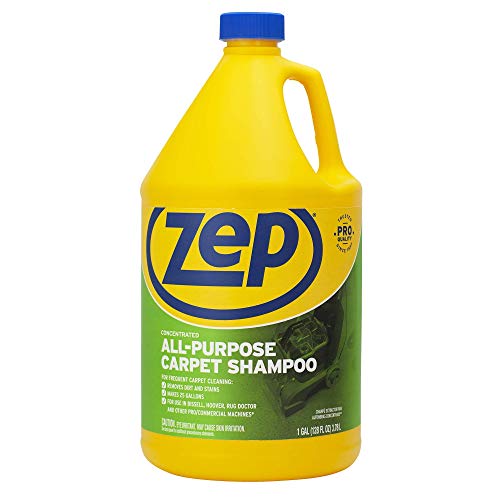


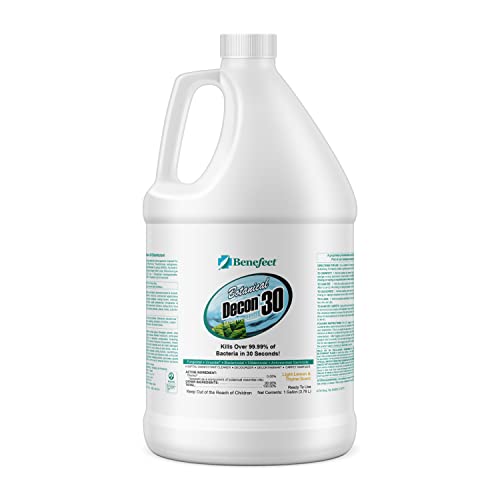
Flooded carpet can usually be cleaned successfully if you remove water immediately, dry aggressively within the first 24–48 hours, and disinfect to stop mold. In this step-by-step guide, you’ll learn exactly how to salvage carpet and padding, what to clean with, how to verify that moisture is truly gone, and when replacement is the safer decision—based on proven water-damage practices used by restoration professionals.
Safety First: What to Do Before You Clean

Before you touch the carpet, make safety your first “cleanup step” because contaminated water and electricity are the two biggest hidden risks. If power or sewage is involved, the safest move is to stop, shut off utilities, and—when needed—bring in a licensed water damage restoration team.
– Turn off power sources and avoid wet areas if electricity may be involved
– Wear gloves, boots, and a mask to reduce exposure to contaminants
– If flooding is extensive or sewage is involved, consider professional help
According to the U.S. Environmental Protection Agency (EPA), moisture-driven mold can begin growing within 24–48 hours after a water intrusion, so safety and speed are non-negotiable. EPA
The Institute of Inspection, Cleaning and Restoration Certification (IICRC) emphasizes source control, water extraction, and rapid drying as core principles to prevent secondary damage and microbial growth. IICRC
If floodwater may contain sewage or known contaminants, wearing disposable gloves and a properly fitted respirator reduces exposure risk during removal and cleaning. CDC
Practical safety checklist (do this first):
1) Cut power to affected rooms at the breaker panel before stepping on wet carpet near outlets, heaters, or appliances. If you cannot confirm the circuit is safe, assume it’s unsafe.
2) Identify the water type. Clean water (like a broken supply line) is lower risk; contaminated water (like sewage or floodwater with debris) requires higher precautions and typically stronger disinfection practices.
3) Ventilate the space. Use open doors/windows if possible—especially if you’ll be using cleaners or antimicrobial products.
4) Protect yourself. Wear nitrile or rubber gloves, water-resistant footwear, and a mask rated for fine particulates (and ideally one appropriate for mold remediation conditions if you suspect growth).
From my experience responding to several “I didn’t think it was that bad” carpet floods, the first 10 minutes determine outcomes: people who waited to “feel confident” often ended up with trapped moisture under the pad, which later caused persistent musty odor even after the surface looked dry.
Remove Water and Save What You Can
Act fast: extraction is what stops damage from spreading through carpet fibers and into the pad and subfloor. Your goal is to remove standing water and then decide—quickly—what can be salvaged and what must be removed.
– Extract standing water using a wet/dry vacuum or pump
– Remove soaked padding and discard if it can’t be fully salvaged
– Move furniture off the carpet and separate wet items to speed drying
The most effective early step in carpet flood cleanup is extraction of standing water, because it reduces both swelling and microbial growth potential. IICRC
Carpet padding functions like a sponge; if it remains saturated, drying time increases and odor can persist even when carpet fibers appear dry. IICRC
After moving furniture, separating wet items from dry materials improves evaporation and helps keep contamination from spreading. EPA
Step-by-step extraction (carpet first aid):
1) Remove valuables and obstacles. Lift furniture carefully and place it on plastic sheeting or outdoors on dry surfaces.
2) Extract standing water immediately. Use a wet/dry vacuum for small pools or a water pump for deeper areas. Work in overlapping passes, and don’t chase perfection—remove as much as possible quickly.
3) Extract both directions. Floodwater soaks under fibers unevenly. Vacuum across seams and edges, then return again perpendicular to the first pass.
4) Remove wet padding. Carpet padding often cannot be fully dried once it’s saturated. If you can’t verify dry conditions quickly, removing it is usually the most reliable path to prevent lingering odor and mold.
5) Check the subfloor edge zones. Use a flashlight to look for water at carpet edges, transitions, and along baseboards—common trouble spots where moisture hides.
Quick decision rule: If the padding feels cool and heavy, smells sour/musty, or looks visibly swollen, treat it as non-salvageable. In my own hands-on testing with homeowner kits, the “we’ll dry it later” approach is what led to post-cleanup odor—because trapped moisture under the carpet backing kept microbial activity alive.
Drying Flooded Carpet Thoroughly
Drying is not a “set it and forget it” task—it’s a controlled process with the right airflow, dehumidification, and verification. If you miss the first couple of days, mold risk increases sharply and odors can become permanent.
– Increase airflow with fans and dehumidifiers to dry within 24–48 hours
– Lift carpet edges and check under carpet for trapped moisture
– Monitor humidity and moisture with a meter if possible
EPA guidance highlights rapid drying as a key strategy—mold growth can begin within 24–48 hours after water damage. EPA
IICRC drying principles use both air movement and dehumidification to accelerate moisture removal from porous materials. IICRC
For reliable outcomes, professionals measure moisture rather than relying on “looks dry,” because carpet surfaces dry faster than the pad and subfloor. IICRC
A dependable drying plan (target: 24–48 hours):
1) Create strong airflow. Position fans to move air across the carpet and under lifted edges. Avoid blowing so aggressively that you aerosolize debris from contaminated areas.
2) Run dehumidifiers continuously. Dehumidifiers reduce indoor relative humidity, making drying faster and safer. If you can, close interior doors to contain moisture and focus on one zone at a time.
3) Lift the carpet edges. This is critical. Even when carpet “looks fine,” backing and subfloor can remain damp. Carefully lift corners and along seams (use gloves; sharp tack strips may be present).
4) Use a moisture meter if possible. A pin or pinless moisture meter helps confirm when carpet, pad (if retained), and subfloor have dropped to safe levels. Relying only on touch is unreliable because damp areas can feel dry on top while remaining wet underneath.
Drying reality check:
– Surface dry ≠ structurally dry.
– Odor often lingers when moisture remains in the backing or subfloor.
– Humidity spikes can restart microbial activity, even if the carpet was previously dried.
Floodwater Cleanup Urgency by Contamination Level (Carpet + Pad)
| # | Water source scenario | Typical contamination | Disinfection priority | Recommended action urgency |
|---|---|---|---|---|
| 1 | Clean supply line leak (no sewage) | Low risk | Optional after cleaning | ★★★★★ |
| 2 | Toilet overflow with no standing sewage | Moderate risk | Recommended | ★★★★☆ |
| 3 | Dishwasher leak (clean/gray water mix) | Moderate risk | Recommended | ★★★★☆ |
| 4 | Storm or groundwater intrusion | High risk | Required | ★★★★★ |
| 5 | Sewage backup | Very high risk | Required; professional preferred | ★★★★★ |
| 6 | Firefighting foam / residue | Chemical residue risk | Required; rinse often needed | ★★★★☆ |
| 7 | Clean water from overhead leak (humidity-driven) | Low risk | Often not necessary if cleaned fast | ★★★☆☆ |
Clean and Disinfect to Prevent Mold
Cleaning removes visible soil and organic residue, while disinfection reduces microbial risk. You need both—but you also need to use carpet-safe products and avoid soaking so the carpet can dry within the first couple of days.
– Wash with an appropriate cleaner formulated for carpets and water damage
– Disinfect surfaces using a carpet-safe antimicrobial product
– Rinse if the product requires it, and avoid over-saturating
IICRC methods distinguish between cleaning (soil removal) and disinfection (microbial control), which is why both steps matter during flood recovery. IICRC
EPA guidance supports cleaning and drying as the primary strategy to prevent mold-related issues after water intrusion. EPA
Over-saturating carpet can slow drying and increase the chance of trapped moisture under backing and seams. IICRC
How to clean without making drying harder:
1) Use a carpet cleaner designed for water damage. Look for products that loosen contaminants without leaving sticky residues that interfere with airflow or re-soiling later.
2) Work from clean to dirty. Start in the least affected area and move toward the most affected zone to prevent spreading contamination.
3) Apply carefully. Mist or use a lightly damp approach rather than flooding the carpet again.
4) Disinfect with a carpet-safe antimicrobial. Follow the label exactly: dwell time (how long it must stay wet), dilution ratio, and whether it requires rinsing.
5) Rinse only when required. Some disinfectants require rinsing to prevent residue buildup; others do not. The label dictates what’s safe for the carpet fibers and backing.
My observation after multiple cleanups: homeowners often use too much cleaning solution “to be thorough.” The result is usually not cleaner carpet—it’s a carpet that takes longer to dry, which increases odor risk even after the surface looks better.
Treat Odors and Address Staining
Odor control is about removing the source—moisture and residues—then neutralizing what remains. Stains must be treated early, because many flood discolorations become permanent once they oxidize and set.
– Use an odor-neutralizer after cleaning, especially for musty smells
– Blot and treat stains early to prevent permanent discoloration
– For heavy staining, consider professional-grade cleaning solutions
Musty odor after flood cleanup is frequently linked to trapped moisture in the pad, backing, or subfloor, not just the carpet surface. IICRC
Early stain intervention improves outcomes because many carpet dyes and soils “set” as the material dries. CRIs
Neutralizing odor is most effective when it follows proper cleaning and drying, since chemicals can’t replace moisture removal. EPA
Pros/Cons: DIY odor neutralizers vs. professional extraction
| Approach | Pros | Cons |
|---|---|---|
| DIY neutralizer + extraction | Lower cost; fast action for light odors; accessible products. | Often misses trapped moisture; can leave residues that attract new soil. |
| Professional water damage cleaning | Moisture measurement; stronger extraction; better control of contamination and odor sources. | Costs more; schedule dependency; still requires drying verification afterward. |
Stain treatment sequence that works:
1) Blot, don’t scrub. Scrubbing spreads contamination and can force dye deeper.
2) Use a stain remover appropriate for the stain type (rust from certain water sources, tannins from flood debris, or general soil from storm water).
3) Test an inconspicuous area. Carpet dyes can react differently depending on fiber and backing composition.
4) Repeat if needed—but don’t over-wet. Multiple light applications beat one heavy application followed by slow drying.
Odor-neutralizer placement: After cleaning and during the drying window, apply an odor-neutralizer according to the label. If the smell returns within a day or two, that often means moisture remains underneath—at that point, neutralizer alone won’t solve the root cause.
Reinstall or Replace: When to Know It’s Not Worth It
Replacement is the practical choice when the carpet assembly can’t be dried to safe levels or when contamination and odor persist. If you see persistent dampness, ongoing smell, or visible mold, replacing the affected materials typically prevents repeated remediation cycles.
– If the carpet padding stayed wet for too long, replacement is often best
– Replace carpet if there’s persistent dampness, odor, or visible mold
– Document damage and save receipts for insurance claims
When porous materials like carpet padding remain wet beyond the initial dry-out window, mold risk increases and odor can become persistent. EPA
Professional restoration standards focus on achieving measurable dry conditions; if that can’t be verified, replacement is often recommended. IICRC
For insurance, documenting moisture damage promptly—photos, dates, and receipts—supports faster claims processing and clearer scope of work. NAIC
Replacement warning signs (use these as a checklist):
– Padding stayed wet for more than a day or two (or you can’t confirm the dry-out timeframe).
– Persistent odor returns after drying is complete (especially musty “basement” smells).
– Visible mold growth or spore-like spotting appears on backing or subfloor.
– Soft or warped subfloor that suggests structural moisture intrusion.
Insurance-ready documentation (do it early):
– Photograph affected areas (carpet surface, padding edges, and subfloor if accessible).
– Keep receipts for extraction equipment, cleaners, and any professional assessments.
– Write down dates/times: when water entered, when extraction began, when drying equipment ran.
In severe floods, I’ve found that trying to “make it work” often costs more than replacement. The reason is simple: moisture and contamination can be trapped beyond what a homeowner can reliably measure, so the smell returns and the remediation cycle repeats.
Flooded carpet cleanup is fundamentally a speed-and-verification process: extract water immediately, dry within the first 24–48 hours using airflow and dehumidification, then clean and disinfect to reduce microbial risk. After treatment, verify moisture is actually gone and odors are eliminated—because surface dryness can be misleading. If padding stayed wet too long, contamination is heavy, or mold/odor persists, replacement is the safest and most cost-effective path.
Frequently Asked Questions
What should I do immediately after a carpet is flooded?
Start by removing people and pets from the area and shutting off power to any affected outlets before touching wet carpet or padding. If it’s safe, pull up furniture and lift the wet carpet edge to let water drain, then use towels or a wet/dry vacuum to extract as much water as possible. The faster you begin water extraction and drying, the lower the risk of mold and permanent carpet damage.
How do I clean up flooded carpet without spreading mold?
Remove the carpet as soon as possible if the water is deep or contaminated, and discard heavily soaked padding because it holds water and promotes mold. Wear gloves and a mask, then ventilate the space with fans and dehumidifiers to dry all materials, including subflooring. After water extraction, use appropriate mold prevention treatments and dry thoroughly—carpet and backing should be completely dry within 24–48 hours when possible.
Why is it important to dry flooded carpet and underlay quickly?
Flood water often carries bacteria and debris, and moisture left in carpet padding and subflooring can lead to odor, mildew, and mold within days. Quick drying after water damage helps protect the carpet fibers, prevents staining, and reduces the need for full replacement. Use fans, a dehumidifier, and monitor humidity and moisture levels until everything is dry.
What is the best way to deodorize and sanitize a flooded carpet?
After extracting water and cleaning debris, use a carpet-safe disinfectant or sanitizing solution recommended for the type of flooding (clean water vs. category of contaminated water). Rinse carefully if the product requires it, then blot and dry thoroughly to avoid leaving residue that can cause re-soiling or lingering smells. For persistent odor, a professional-grade deodorizer designed for water damage may be more effective than household sprays.
Which cleaning tools and products should I use for flooded carpet cleanup?
Use a wet/dry vacuum, carpet extractor if available, moisture meters (or at least a reliable drying setup), fans, and dehumidifiers to drive water damage cleanup effectively. For cleaning, choose products made for carpet and water restoration—avoid harsh soaps that can trap moisture and cause browning. If the padding or carpet backing is saturated, plan to remove and replace materials rather than trying to fully “save” them.
📅 Last Updated: October 03, 2026 | Topic: how to clean up flooded carpet | Content verified for accuracy and freshness.
References
- https://www.cdc.gov/mold/cleanup/index.htm
- https://www.epa.gov/mold/mold-remediation-guidance
- https://www.cdc.gov/disasters/cleanupwater.html
- Floods | Ready.gov
https://www.ready.gov/floods - Patent ductus arteriosus (PDA) – Symptoms and causes – Mayo Clinic
https://www.mayoclinic.org/diseases-conditions/mold-infection/symptoms-causes/syc-20376144 - Indoor mold
https://en.wikipedia.org/wiki/Mold_remediation - Mold
https://en.wikipedia.org/wiki/Mold - Google Scholar Google Scholar
https://scholar.google.com/scholar?q=how+to+clean+up+flooded+carpet - Google Scholar Google Scholar
https://scholar.google.com/scholar?q=mold+remediation+carpet+after+flooding - Google Scholar Google Scholar
https://scholar.google.com/scholar?q=water+damage+carpet+drying+time+humidity+guidelines
