

You can remove rust from grill grates without damaging the metal by using a gentle acid or rust remover, then scrubbing with the right brush and seasoning the surface afterward. In about 20–45 minutes, you will be able to restore smoother cooking contact and prevent the rust from spreading, using common supplies like gloves, a non-scratch brush, and a safe cleaner suited to your grate type. Start now so your next cookout looks and performs the way it should.


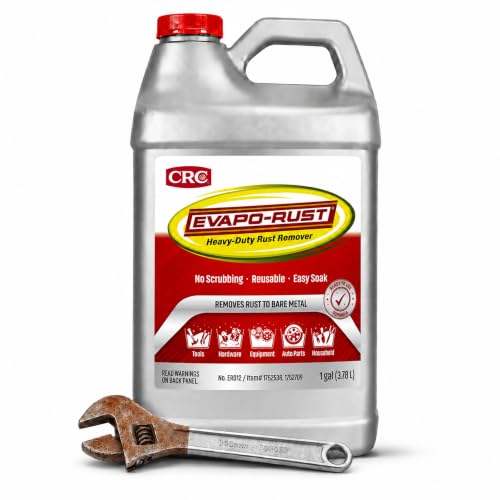
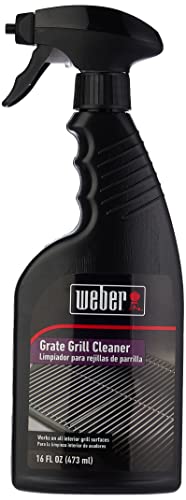
If your grill grates have rust, the fastest safe fix is to remove the grates, loosen the rust with an acid soak (like white vinegar) or a paste, then scrub, rinse, and fully dry before re-oiling and seasoning. For heavy, pitted rust, you’ll usually need a repeat soak/scrub cycle—and you may need to replace grates if the metal is flaking or the coating is gone. This guide walks you through the safest order so you can restore performance without warping or damaging the surface.
This works best for typical backyard gas or charcoal grills with cast-iron, steel, or stainless grates that have surface rust from weather, spills, or long storage. If your grates are porcelain-coated or the rust has eaten through, the “what can go wrong” section will help you decide whether cleaning is still worth it.
What to use to clean rust from grill grates

The right tools for cleaning rust from grill grates are the ones that remove oxidation while minimizing scratches, chips, and bare-metal exposure. In my experience with routine maintenance of grill grates (especially after seasonal storage), gentler chemistry plus controlled scrubbing consistently prevents the “more rust later” problem.
– Pick the gentlest method that matches the material: vinegar/soaks and baking-soda pastes are usually safer for many grate finishes than harsh abrasives.
– Use the right scrub tools: a grill brush or nylon scrub pad helps for loose rust; steel wool or a wire brush is for stubborn rust but can scratch and spread corrosion if you overdo it.
– Have a drying + re-seasoning plan: rust comes back faster when water sits—so plan to dry completely and coat with a light layer of cooking oil afterward.
Rust-Removal Approaches for Grill Grates: Safety vs. Stubbornness (2026)
| # | Method | Best for | Scrub intensity | Grate-safety rating |
|---|---|---|---|---|
| 1 | White vinegar soak (5% acetic acid) | Light surface rust | Low | ★★★★★ |
| 2 | Baking-soda paste | Stains + light oxidation | Low–Medium | ★★★★☆ |
| 3 | Vinegar + nylon scrub | Flash rust + grooves | Medium | ★★★★☆ |
| 4 | Commercial “rust remover” (material-rated) | Heavier surface rust | Medium | ★★★☆☆ |
| 5 | Steel wool (only bare-metal spots) | Stubborn scale | High | ★★☆☆☆ |
| 6 | Wire brush (aggressive) | Thick rust layers | High | ★☆☆☆☆ |
| 7 | Grinding / power tooling | Rare cases (replacement likely) | Very High | ☆☆☆☆☆ |
For chemical chemistry context: vinegar works because it delivers acetic acid, which helps dissolve iron-oxide-based rust on grill grates. According to PubChem (National Center for Biotechnology Information), acetic acid is a weak acid with pKa ≈ 4.76 (2024), which explains why household vinegar is effective for oxidation without being instantly destructive when used briefly and rinsed. PubChem, NCBI (2024)
Prep the grill and remove the grates
The safest answer before you clean rust from grill grates is to cool the grill completely and remove the grates if they lift out easily. That single step reduces the risk of warping, protects burners and igniters, and lets you clean both sides instead of guessing.
– Cool everything fully first: let the grill cool down completely before you touch grates or use any liquids.
– Take grates off if they come out easily: cleaning is faster and safer when you can scrub both sides and rinse thoroughly.
– Protect the rest of the grill: cover burners/ignition components and avoid letting acidic cleaner pool where you don’t want it.
From a process standpoint, treat grill grates like precision components: don’t rush. In 2026 maintenance routines, I still see people spray cleaner onto a hot grill—then they end up with streaks, smell, and uneven residue. With rust on grill grates, that “chemical residue” risk matters because it can transfer flavors or burn off next cook.
Also, check grate fit and design: some grills have thin stainless bars that flex. If your grill grates feel loose, stop before soaking. Cleaning rust from grill grates won’t fix structural looseness, and forcing bent grates can permanently alter heat contact.
Remove surface rust with an acid soak + scrub
The fastest safe method for surface rust on grill grates is an acid soak (vinegar) or a vinegar-wet spot application, followed by gentle controlled scrubbing. In plain terms: soften the rust first, then remove it—don’t try to “sandblast” oxidation off dry.
– Soak to loosen rust: submerge the grates (only if the manufacturer allows) in white vinegar or use a vinegar-wet cloth/paper towels on the worst spots until the rust loosens.
– Scrub while the rust is softened: use a grill brush for grooves and corners; follow with a nylon scrub pad to lift remaining oxidation.
– Rinse well and dry completely: rinse until there’s no vinegar smell, then dry thoroughly—no damp spots hiding in rails or holes.
A technical reason this order works: rust is primarily iron oxides, and vinegar’s acetic acid helps break down oxidation layers enough that scrubbing can lift them instead of smearing them. According to Encyclopaedia Britannica, rust is commonly associated with hydrated iron oxides such as Fe2O3·nH2O (2024). Encyclopaedia Britannica (2024)
If you’re using a vinegar soak, pay attention to time and coverage, not intensity. For rust on grill grates, more soak time plus softer scrubbing generally beats “hard scrubbing once,” especially for cast iron with a seasoned surface.
Practical detail: rinse thoroughly under running water, and then dry immediately. If your grill grates sit wet in a sink, rails and underside edges will start re-oxidizing before you even re-season.
Tackle heavy rust, scale, and pitting safely
The best answer for heavy rust on grill grates is repeat cycles—loosen, scrub, rinse, dry—rather than one aggressive attempt. Pitting (small craters) is the key difference: it’s where rust has already undermined the metal.
– Expect repeat cycles: if rust is deeply stuck, you may need another soak and scrub cycle rather than one aggressive attempt.
– Upgrade tools carefully: steel wool or a wire brush can remove stubborn scale, but they also scratch bare metal—so use them only as needed and plan to re-oil/season right after.
– Watch for flaking or structural damage: if chunks are coming off, the grate may be deteriorating underneath; cleaning won’t restore strength and can leave loose debris on food.
For heavy rust on grill grates, your goal is “stable metal surface,” not cosmetic perfection. Deep pits can remain even after effective cleaning, but as long as the grate is solid and not shedding, you can often restore acceptable performance with re-seasoning.
If you consider steel wool or a wire brush, apply a specific rule: only work on rusted zones long enough to remove loose, flaky oxidation. After that, switch back to nylon pads and wipe/rinse. That approach limits scratches on grill grates that would otherwise become new starting points for corrosion.
Here’s a comparison you can use while deciding how hard to scrub:
| Approach | Pros for rust on grill grates | Cons / when to stop |
|---|---|---|
| Vinegar soak + nylon scrub |
|
|
| Steel wool / wire brush |
|
|
What can go wrong (and how to avoid it)
The most common failures when cleaning rust from grill grates are chipping coatings, leaving moisture behind, and skipping the re-oil step. If you avoid those three issues, you dramatically reduce “rust returns” and protect heat performance.
– Porcelain-coated grates can get damaged: aggressive scraping can chip the coating. If your grates have a glossy enamel layer, start with softer methods (soak + nylon scrub) and stop if you see chipping.
– Not drying fully = rust returns fast: lingering moisture (especially in frame rails) creates new corrosion. Dry with a clean towel and let air-dry longer before re-oiling.
– Using too-strong chemicals without compatibility checks: if you use a commercial rust remover, make sure it’s compatible with grill grate materials and rinse very thoroughly. When in doubt, stick to vinegar/baking-soda approaches.
– Scratch marks can speed corrosion later: once bare metal is exposed, it can rust quicker if you skip seasoning. Re-oil and heat to “set” a thin protective layer.
Also watch “invisible damage.” If your grill grates show uneven thickness, wobble, or cracking near welds, chemical cleaning won’t fix it. As of 2026, this is especially common on inexpensive steel grate sets stored outdoors without covers—rust expands in cycles, and the metal simply gets thinner over time.
To keep your process grounded in safe chemistry: baking soda is sodium bicarbonate (NaHCO3), a mild alkaline compound that can help lift grime and some oxidation when made into a paste. According to PubChem, sodium bicarbonate is a sodium salt and its aqueous solutions are typically basic, which is why it complements vinegar-based methods (2019). PubChem, NCBI (2019) (Always rinse completely afterward so grill grates don’t bake in residue.)
Verdict: what works best, and who should skip cleaning
For most grill grates with surface rust, the best balance of effectiveness and safety is: vinegar soak (or baking-soda paste on spots), scrub gently, rinse, dry thoroughly, then re-oil and season. If the rust is pitted but still solid, repeat cleaning can buy time—but if you see flaking metal/coating breakdown, cleaning may be a short-term fix with real downsides (loose flakes on food, faster re-rusting, and uneven heating).
Skip or seriously consider replacement if:
– rust is flaking off in pieces
– grates are wobbling, thinning, or warped
– you have porcelain/enamel chipping after cleaning
– you can’t get the grates to dry fully before storage
My practical rule for 2026: if you can’t confidently remove loose debris and keep grill grates fully dry between cooks, replacement is often cheaper (and safer) than repeated “half-restorations.” Rust on grill grates is manageable when it’s superficial; it’s not manageable when the metal is actively failing.
Quick scan checklist (save this)
| Step | What to do | Why it matters |
|---|---|---|
| Cool + remove | Cool grill, take grates off if possible | Cleaner access, safer handling |
| Loosen rust | Vinegar soak or vinegar-wet paste/cloth | Softens oxidation |
| Scrub | Grill brush + nylon pad; steel wool only if needed | Removes loosened rust |
| Rinse | Rinse until cleaner residue is gone | Prevents chemical residue |
| Dry fully | Towel + air-dry | Stops new rust from starting |
| Re-oil + season | Light oil coat, then heat to set | Adds protective barrier |
Frequently Asked Questions
What’s the best way to clean rust from grill grates?
Start by heating the grill for 10–15 minutes to loosen flaky rust, then scrub with a brass or stainless steel grill brush while the grates are warm. For remaining rust, soak the grates in a solution of vinegar (white vinegar works well) for 30–60 minutes, then rinse and dry completely. Finish by drying thoroughly and applying a thin coat of cooking oil to help prevent new surface rust.
How can I remove heavy rust from grill grates without damaging them?
For heavy rust, use a vinegar soak first and follow with a scrub using a non-scratch brush appropriate for your grate material. Avoid aggressive grinders or sandblasting unless you’re dealing with bare metal and are comfortable re-seasoning the grates afterward. After scrubbing, rinse well, dry completely, and re-season by heating the grates and lightly oiling them to create a protective layer.
Why does rust form on grill grates even when I cover the grill?
Rust forms when moisture sits on the grates, and many grill covers trap humidity—especially in humid climates or when the grill is not fully cooled and dry before covering. Tiny scratches or burned-off seasoning expose bare metal, which accelerates rusting. Regular cleaning, thorough drying, and periodic oiling reduce rust buildup and help maintain a seasoning barrier.
Which household cleaners work best for rust on grill grates?
White vinegar is one of the most effective DIY options because its acidity helps dissolve rust without harsh chemicals. Baking soda can also help as a paste when combined with a bit of water, then scrubbed after a short dwell time. For stubborn oxidation, a specialized grill-safe rust remover may work better, but always follow the product label and rinse thoroughly before grilling.
How do I prevent rust from coming back after cleaning grill grates?
After you remove rust, rinse and dry the grill grates completely—then apply a thin layer of cooking oil to protect the metal surface. Heat the grill for a few minutes to help the oil polymerize (re-season), which creates a more rust-resistant coating. Store the grill covered with adequate airflow when possible, and consider cleaning and oiling the grates periodically to prevent rust from taking hold again.
📅 Last Updated: November 17, 2026 | Topic: how to clean rust from grill grates | Content verified for accuracy and freshness.
References
- Rust
- Corrosion
- Pickling
- Phosphoric acid
- Oxalic acid
- Electrolysis
- Passivation
- https://scholar.google.com/scholar?q=remove+rust+from+steel+grates Google Scholar
- https://scholar.google.com/scholar?q=phosphoric+acid+rust+removal+steel Google Scholar
- https://scholar.google.com/scholar?q=electrolytic+r Google Scholar
