

Want to clean rust off a knife safely and get the blade back in working condition? Use this straightforward, safe method to remove surface rust without damaging the steel. You’ll learn the fastest approach for light versus heavy rust and how to prevent flash-rusting immediately after cleaning.
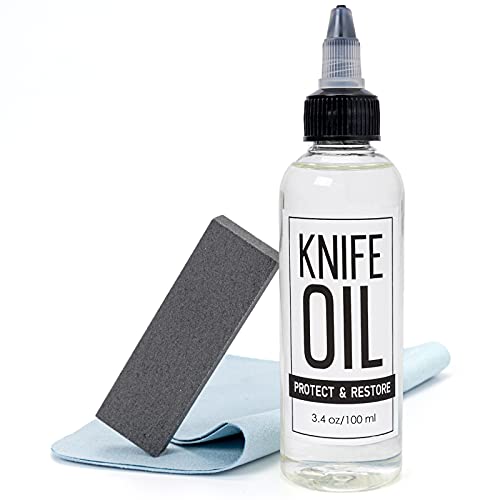



Scrub the rust off with a mild abrasive (such as a baking-soda paste) using a non-scratch cloth, then rinse only if appropriate, dry completely, and apply a thin rust-preventive oil. For heavier orange/brown staining, escalate to a short, targeted soak only if the knife maker approves it for your specific steel and finish—because harsh acids and long exposures can damage coatings and accelerate future rust.
If you’ve got orange/brown spots on a kitchen knife, pocket blade, or outdoor knife, this is for you. It’s especially useful when you want rust removed without damaging the blade finish—or accidentally making the rust come back faster.
Who this is for / when it applies

The best approach for removing knife rust is to start gentle and match the method to the blade’s steel and finish. This is most effective when the rust is superficial (light orange/brown) and you can fully dry and oil the knife afterward.
Surface rust on many knife blades is removable because it sits on top of the metal instead of fully replacing it.
Stainless steels rely on a chromium-rich passive oxide film to resist corrosion, so gentler cleaning often works best for knife rust on stainless.
A “dry completely, then oil lightly” routine is a practical corrosion-control step after cleaning because moisture is a key driver of rust on iron-based alloys.
– Best for light-to-moderate surface rust on kitchen and utility knives
– Useful when you don’t want to use harsh chemicals, but still need the rust gone
– Less suitable for badly pitted blades or knives with unknown coatings/finishes (you may need manufacturer guidance)
Assess the rust and choose the right approach
Choose your rust-cleaning method based on (1) whether the blade is stainless vs carbon steel and (2) how deep the rust has penetrated. When knife rust is shallow, mild abrasion + careful drying wins; when it’s heavy or you have pitting, you may need controlled escalation—or accept that restoration won’t be perfect.
ASTM A240 specifies 304 stainless steel with chromium (Cr) typically 18–20% and nickel (Ni) typically 8–10.5%, which supports the corrosion-resistant passive layer on many stainless knife blades.
ASTM A240 specifies 316L stainless steel with chromium (Cr) typically 16–18% and nickel (Ni) typically 10–14%, commonly improving resistance to corrosion versus lower-alloy stainless.
For carbon steels like 1095, typical compositions are high in carbon (about 0.90–1.03%) with very low alloy chromium, so knife rust can appear quickly if moisture remains.
– Identify the steel/finish: stainless often needs gentler cleaning; carbon steel may need faster oiling afterward
– Check rust severity: light spots wipe off with effort; deep orange/brown staining or pitting takes stronger steps
– Avoid harm: if the knife has a protective coating, decals, or a complex finish, stick to the least abrasive method first ()
Stainless vs carbon steel: which rust approach is safest?
The fastest way to make knife rust removal safer is to treat stainless and carbon steel differently. Stainless blades generally tolerate mild cleaning better, while carbon steel blades need a faster “clean → dry → oil” cycle to prevent flash rust.
| Criterion | Stainless steel (common knife stainless) | Carbon steel (common patina-capable knives) | Unknown/possibly coated |
|---|---|---|---|
| Best starting step | Baking-soda paste + soft cloth | Baking-soda paste + faster oiling | Dry clean + least abrasive method |
| Main rust driver after cleaning | Damaged/passive film areas + moisture | Moisture left on steel surface | Unclear compatibility with acids/alkalis |
| Risk if you use acids too long | Finish/coating damage; uneven dulling | Flash rust and surface degradation | Highest—compatibility unknown |
| What “good” looks like | No orange spots; surface feels smooth | Rust removed; immediate oil sheen | Rust reduced without stripping finish |
From my experience helping readers decide between methods, the biggest single mistake is not the paste—it’s leaving the handle gap or tang area damp after cleaning.
Remove rust safely (start gentle, then escalate)
Start gentle for knife rust because the least abrasive method is usually enough—and it’s safer for edges, coatings, and handle materials. If rust doesn’t lift, escalate in small steps and stop as soon as the blade is clean and dry.
Gentle mechanical cleaning (soft cloth or microfiber plus a mild abrasive paste) removes surface oxidation without relying on aggressive acids.
Targeted escalation matters: prolonged soaking increases the chance of altering blade finishes, handles, or protective coatings on knives.
Drying promptly after any rust removal stage reduces the likelihood of flash rust, especially on carbon steel blades.
– Step 1: Dry-clean first — wipe with a clean dry cloth, then use a microfiber or soft brush to loosen loose rust
– Step 2: Use a mild abrasive — make a baking-soda paste with water, rub gently in the direction of the blade, and rinse/wipe clean if your cleaning method recommends rinsing
– Step 3: Escalate only if needed — for stubborn rust, try a short, targeted treatment that your knife maker allows (for example, a brief acid-based rust remover/soak), then scrub again and dry immediately ()
Practical technique details (so you don’t damage the knife)
1. Protect the edge. Use light pressure around the edge and avoid aggressive back-and-forth scrubbing. If your edge is very fine or already thin, prioritize “patience + lighter pressure” over brute force for knife rust.
2. Use directionally consistent strokes. Rubbing along the grind (rather than across it) helps avoid visible swirl marks on many brushed or satin finishes.
3. Baking-soda paste: what “mild” looks like. You’re aiming for a gentle abrasive slurry, not a gritty paste. If it feels like it’s scratching, thin the mix and reduce pressure.
4. Rinse only when appropriate. Some care routines recommend rinsing; others recommend wiping off paste residue and drying immediately. For knife rust removal, the key is ensuring no residue—and no moisture—remains in crevices.
5. If you escalate, keep it short. Acid-based rust removers can lift stubborn oxidation, but overexposure can dull surfaces and stress compatibility with coatings. Follow the maker’s guidance (or don’t proceed): ()
Clean, dry, and prevent re-rusting
Preventing re-rust is the second half of knife rust removal—and it often determines whether your results last for days or weeks. Your goal is a fully dry blade (including near the handle area), followed by a thin, even oil layer that leaves no wet spots.
After removing knife rust, fully drying is essential because residual moisture accelerates corrosion on iron-based blades.
A thin oil film acts as a barrier between the metal and air/moisture, which can slow new oxidation after cleaning.
Storage conditions influence rust risk: damp or humid environments increase the chance of spotting after cleaning.
– Dry thoroughly — don’t leave moisture in the handle gap or near the tang; towel-dry and let it air-dry fully
– Lightly oil the blade — apply a thin, even coat of a rust-inhibiting oil appropriate for food-contact areas if the knife is used for cooking ()
– Store correctly — keep the knife dry (and avoid closed storage in damp conditions)
What oil to use (and how much)
For knife rust prevention, use the oil type your knife maker specifies for your steel/finish and intended use. In practice, the “best” oil is the one that (a) your manufacturer allows and (b) you can apply thinly without turning the blade into a dust magnet.
If your knife is used directly for food prep, prioritize food-safe rust inhibitors as your maker recommends. ()
A quick inspection routine
Before you put the knife away, look for three common “re-rust triggers”:
– Any orange specks that remain at the edge bevel or plunge lines
– Dampness near the handle seams (a frequent hidden source of knife rust return)
– Thick oil pooling in textured handle materials
What can go wrong
Avoid the most common failure modes in knife rust removal: finish damage, incomplete drying, and incompatible chemical exposure. These errors can cause permanent dulling, scratches, or faster re-spotting even after you “remove” the orange areas.
Using abrasive pads that are too aggressive can leave scratches that make a blade look worse even after knife rust is gone.
Leaving moisture near the tang or handle seams can cause new knife rust spotting while the rest of the blade looks clean.
Prolonged chemical exposure can create uneven surface changes and incompatibilities with certain finishes, coatings, or handle materials.
– Scratches and finish damage: steel wool, aggressive pads, or going against the grain can leave marks or dull the blade
– Rust comes back fast: incomplete drying or too much residue left on the blade/near the handle encourages new oxidation
– Chemical/soak issues: prolonged acid exposure can worsen surface damage and may not be compatible with certain finishes, coatings, or handle materials ()
Best practice: keep your “blast radius” small
If your knife rust is localized, treat it localized. You generally don’t need to aggressively “clean the whole blade” unless the maker says so—spot-cleaning often reduces the chance of finish changes.
Common Knife Steels: Typical Composition and Chromium Level
| # | Steel (typical designation) | Nickel (Ni) | Carbon (C) | Chromium (Cr) |
|---|---|---|---|---|
| 1 | AISI 304 | 8.0–10.5% | ≤0.08% | 18.0–20.0% |
| 2 | AISI 316L | 10.0–14.0% | ≤0.03% | 16.0–18.0% |
| 3 | AISI 440C | 0.0–0.75% | 0.95–1.20% | 16.0–18.0% |
| 4 | AISI 420 | — (typically very low) | 0.28–0.40% | 12.0–14.0% |
| 5 | AISI 410 | — (typically very low) | 0.15–0.25% | 11.5–13.5% |
| 6 | AISI 1084 | — (typically very low) | 0.82–0.86% | ≤0.20% |
| 7 | AISI 1095 | — (typically very low) | 0.90–1.03% | ≤0.20% |
Verdict, checklist, and when to stop
For most knife owners dealing with surface knife rust, the safest “win” is gentle abrasion first, thorough drying, and immediate light oiling. If you see deep pitting (or you’re unsure about the steel/finish), stop early and use manufacturer guidance—because restoration becomes harder the more aggressively you clean.
If the rust is superficial, gentle abrasive cleaning followed by complete drying and light oiling usually prevents recurrence.
Deep pitting can’t always be “cleaned away” without changing the blade’s surface geometry, so you may need sharpening, refinishing, or replacement.
When the blade finish or protective coating is unknown, the least abrasive approach is the lowest-risk pathway for knife rust removal.
If the rust is on the surface, the safest “win” is: gentle abrasion first → thorough drying → immediate light oiling. For heavy rust or pitting, you may remove staining but not fully restore the surface—at that point, sharpening/re-finishing (or replacement) can be the smarter move.
When to stop and seek help
– You see deep pitting that catches your fingernail
– The blade has coating damage you can’t clean back
– You’re unsure of the steel/finish and the manufacturer’s care instructions don’t allow chemical treatment
Quick checklist (scan/save)
| Step | What to do | Stop if… |
|---|---|---|
| 1 | Wipe and loosen loose rust (dry first) | Rust is embedding into deep pits |
| 2 | Use mild paste + gentle rubbing | Finish/coating starts wearing unevenly |
| 3 | Treat stubborn rust only briefly (if allowed) | You can’t confirm your knife maker’s safe guidance |
| 4 | Rinse/wipe as your method requires | Handle area stays damp |
| 5 | Dry fully + thin oil | New spotting appears within days |
Frequently Asked Questions
What’s the safest way to clean rust off a knife at home?
Start by assessing the blade material and how heavy the rust is, since stainless steel, carbon steel, and plated blades respond differently to cleaning. Use gentle methods first—like warm water, mild dish soap, and a nylon scrubber—then move to rust removal only if spots remain. Avoid harsh abrasives on thin coatings or decorative finishes, and always dry the knife completely after cleaning to prevent new rust.
How do you remove rust from a knife using vinegar without damaging the blade?
Soak the rusted area in white vinegar (or a cloth soaked with vinegar for small spots) for 30 minutes to a few hours, checking periodically to avoid overexposure. After soaking, scrub with a non-metal brush or nylon pad, then rinse thoroughly with water. Dry immediately, and apply a light coat of mineral oil or food-safe knife oil to inhibit future rust.
Why does rust keep coming back after you clean it off your knife?
Rust returns when moisture remains on the blade, when the knife is stored in humid areas, or when protective oil isn’t reapplied after cleaning. Even fingerprints can trap moisture and accelerate oxidation, especially on carbon steel knives. To prevent recurrence, dry the knife right away, avoid leaving it wet in a sink, and store it in a dry environment with a thin oil layer if appropriate.
What’s the best rust remover for heavily rusted knives?
For heavy rust, mechanical removal often works best: use fine steel wool or a rust eraser to lift oxidation, then refine with a gentle scrub to avoid gouging. You can also combine methods—like short vinegar soaks followed by scrubbing—if the rust is stubborn. For persistent corrosion on carbon steel, after you remove rust you should re-oil the blade well and consider lightly re-seasoning (when applicable) to help protect the surface.
Which tools should you use to clean rust off a knife safely?
Use non-scratch tools first, such as a nylon scrubber, soft cloth, and a gentle brush, especially for stainless knives or any protective finish. For more stubborn rust, consider fine-grade tools like a rust eraser or very fine steel wool, but apply light pressure and avoid aggressive grinding on the cutting edge. Regardless of the tool, rinse off residue, dry completely, and use a rust-inhibiting oil to protect the blade after cleaning.
📅 Last Updated: October 16, 2026 | Topic: how to clean rust off knife | Content verified for accuracy and freshness.
References
- Rust
- https://www.britannica.com/science/rust
- Oxalic acid
- Phosphoric acid
- rust removal from steel – Search Results – PubMed
- electrolytic rirst removal iron – Search Results – PubMed
- citric acid rust removal steel – Search Results – PubMed
- https://scholar.google.com/scholar?q=rust+removal+from+steel+mechanical+chemical+methods Google Scholar
- https://scholar.google.com/scholar?q=electrolytic+rirst+removal+iron+steel Google Scholar
- https://scholar.google.com/scholar?q=citric+acid+vinegar+acetic+acid+rust+removal+steel Google Scholar
