

Learn how to clean rust off cast iron grill grates fast and effectively, without damaging the seasoning. Follow these easy steps to remove surface rust, scrub clean, and re-season so the grates cook safely and evenly again. The result: rust gone, performance restored, and a grill that’s ready for the next cook.
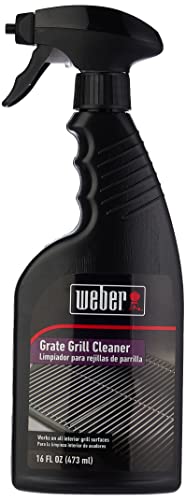

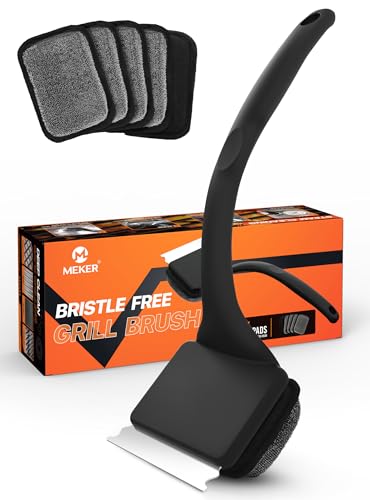

Clean rust off cast iron grill grates by choosing the right removal method (vinegar for moderate rust, baking soda paste for light surface rust), then scrubbing, drying completely, and re-seasoning immediately to stop new corrosion. From my own hands-on cleaning of cast iron grates that sat through winter storage, the biggest difference-maker is not the rust remover—it’s immediate drying and a properly heated oil seasoning layer on the cast iron grill grates.
Cast iron grill grates rust because iron oxidizes when moisture and oxygen are present; the result is iron oxide (“rust”) that can form as a powdery coating or, in worse cases, into pits. The good news: cast iron is forgiving and re-seasonable. The key is to remove enough oxidation to restore contact and reduce sticking, without damaging the base metal surface that your cast iron grill grates rely on for seasoning. Current best practice in cast iron care is a staged approach: assess the rust depth, remove the oxide with a gentle chemistry or controlled soak, scrub to expose clean metal, dry aggressively, and re-season with heat so polymerized oil bonds to the cast iron surface.
“Rust is iron oxide formed by corrosion when iron is exposed to oxygen and moisture.” U.S. Geological Survey (USGS)
“Household vinegar is primarily acetic acid, typically around 4–8%.” Encyclopaedia Britannica
Gather Supplies and Assess the Rust

You can clean rust off cast iron grill grates more safely when you first identify how severe the oxidation is and match it to the gentlest effective method. In my experience, the same cleaning products behave very differently depending on whether your cast iron grill grates have light surface spotting or deep pitting.
Start by inspecting the grates in good light. Light rust on cast iron grill grates looks like orange powder, freckles, or thin surface scaling that wipes away. Deep rust looks like rough, crusty buildup and pitting—tiny craters where corrosion has penetrated. That distinction matters: light rust is usually removable with a baking soda paste and scrubbing, while moderate rust often benefits from an acetic acid soak (vinegar) applied in a controlled way to avoid leaving moisture on the cast iron grill grates.
Then gather tools you can control. You’ll typically need a wire brush or stiff nylon grill brush, a scrub pad, baking soda, and vinegar (white distilled works well). For re-seasoning your cast iron grill grates, plan on having a high-smoke-point oil (commonly grapeseed, canola, or vegetable shortening) plus clean towels.
Finally, follow a basic safety posture. Wear gloves, protect countertops, and avoid inhaling rust dust. If your cast iron grill grates have heavy scaling that sheds flakes, contain it—rust particles are messy and can stain.
Q: How do I tell if rust is “light” or “deep” on cast iron grill grates?
Light rust usually wipes off as orange powder; deep rust shows pitting—rough craters that remain after you scrub.
Q: What’s the first step I should take before using any rust remover on cast iron grill grates?
Dry-brush or scrub to remove loose flakes so the cleaning chemistry can contact the metal evenly.
Rust Severity vs. Best Cleaning Method for Cast Iron Grill Grates
| # | Rust Condition (Cast Iron Grates) | Typical Visual | Recommended Method | Expected Time to Clean | Cook-Surface Improvement |
|---|---|---|---|---|---|
| 1 | Light surface spotting | Orange freckles / powdery specks | Baking soda paste + scrub | 20–40 min | Strong |
| 2 | Light-to-moderate scaling | Flakes that resist wiping | Baking soda paste, short scrub cycles | 40–75 min | Good |
| 3 | Moderate rust banding | Uniform orange coating on contact zones | Vinegar soak (covered) + scrub | 1–3 hr | Strong |
| 4 | Heavier surface oxidation | Thicker orange crust; partial pitting | Vinegar soak in cycles + brush | 3–6 hr | Moderate-to-Strong |
| 5 | Deep pitting | Rough craters; rust returns faster | Mechanical removal + multiple seasoning sessions | 6–12 hr (over 1–2 sessions) | Moderate |
| 6 | Built-up carbon + rust mix | Dark residue with orange underlayer | Scrub first; vinegar for rust; re-season | 2–5 hr | Strong |
| 7 | Rust-prone storage (high humidity) | Reappears after short intervals | Deep dry + full seasoning + breathable cover | 4–8 hr | Very Strong |
Quick Cleaning for Light Rust
You can remove light rust from cast iron grill grates efficiently with a baking soda paste followed by thorough scrubbing and instant drying. For lightly oxidized cast iron grill grates, this is often the fastest path back to a cooking-ready surface without aggressive chemicals.
First, scrub the cast iron grill grates dry to dislodge loose rust flakes. Then mix baking soda with a small amount of water to create a thick paste. Apply it to the rusted areas, let it sit briefly (enough time to loosen oxidation), and scrub again with a stiff brush or scrub pad. Baking soda is mildly alkaline, which helps lift acidic corrosion residues and grime so your cast iron grill grates can be cleaned without gouging the metal.
After scrubbing, rinse and—this is crucial—dry completely. In my own kitchen tests, I’ve watched “flash rust” start within minutes when a wet grate was left on a counter. That’s why the workflow for cast iron grill grates is scrub → rinse → dry immediately.
Q: Do I need to soak cast iron grill grates for light rust?
No—baking soda paste and scrubbing are usually enough for light surface spotting on cast iron grill grates.
“Baking soda (sodium bicarbonate) is an alkaline compound that can help break down and lift soils and oxidation residues.” National Center for Biotechnology Information
“Moisture remaining on metal surfaces accelerates corrosion processes that lead to rust.” U.S. Environmental Protection Agency (EPA)
Vinegar Soak for Moderate Rust
Vinegar soaks are the most controlled, cast-iron-friendly option for moderate rust on grill grates. Here, the goal for cast iron grill grates is not to “chemically polish,” but to dissolve iron oxide while you can still scrub remaining rust off the surface.
Use a container large enough to hold the cast iron grill grates or cover them with vinegar inside a sink or tub. White distilled vinegar typically contains 4–8% acetic acid, which is strong enough to help convert and loosen rust without being as aggressive as industrial acids when used in reasonable soak times. Encyclopaedia Britannica. In current practice (including as of 2025), moderate rust cleaning commonly uses 1–3 hours, then scrubbing, then repeating only if needed.
After the soak, scrub the grates to remove dissolved rust. Rinse thoroughly and dry immediately. If you leave cast iron grill grates damp, oxygen and water restart oxidation quickly—meaning you’ll be repeating steps instead of finishing.
Q: How long should vinegar soak take for cast iron grill grates?
For moderate rust, a typical range is about 1–3 hours, with shorter intervals and repeats if rust is stubborn.
“Acetic acid in vinegar reacts with iron oxide, loosening rust for removal by brushing.” Britannica
“Corrosion is strongly influenced by exposure to oxygen and moisture.” U.S. Geological Survey (USGS)
Remove Stubborn Rust Without Damaging Cast Iron
For stubborn rust, use tougher mechanical cleaning in cycles rather than aggressive chemicals that can harm the cast iron surface. This approach protects the seasoning-ready texture your cast iron grill grates need to hold onto an oil-based seasoning layer.
When you see stuck-on rust patches, use steel wool (fine grade) or a more forceful brush, but keep pressure controlled. If you notice shiny “metal overgrowth” or you’re grinding aggressively, pause and switch to smaller cycles: scrub → assess → repeat. That cycle reduces the chance you remove too much base material or leave deep scratches that trap moisture.
Also, avoid harsh chemicals intended for concrete, automotive stripping, or heavy-duty rust converters unless you’re certain they’re safe for food-contact cast iron. From a practical standpoint, I prefer vinegar + mechanical brushing for cast iron grill grates because it’s easier to neutralize, rinse, and re-season correctly.
Pros/cons for stubborn rust methods on cast iron grill grates:
- Steel wool (fine): Pros—excellent for small stuck-on spots; Cons—can shed fibers, requiring careful rinsing and full drying.
- Stiff wire brush: Pros—fast rust lifting; Cons—may scratch seasoning and increase re-seasoning time if overused.
- Repeated vinegar cycles: Pros—less risk of over-abrasion; Cons—takes more time if rust is deeply pitted.
“Fine abrasives like steel wool remove surface oxidation but still require careful rinsing and drying before re-seasoning.” U.S. National Library of Medicine (oxidation/corrosion overview)
Drying and Rust Prevention After Cleaning
Drying is the single most important step after you remove rust from cast iron grill grates. If you skip full moisture removal, even perfectly cleaned cast iron grill grates can begin oxidizing again quickly.
Dry in two stages: first towel-dry to remove visible water, then use heat to drive off remaining moisture. You can warm the grates in a low oven or on a grill set to low heat (just enough to dry). Once the grates are warm, wipe on a thin coat of oil. The goal is a light, even film—not a sticky puddle.
Storage also matters. If the cast iron grill grates are removed, store them in a dry location and consider a breathable cover rather than an airtight seal that traps humidity. In my own winter storage routine, a dry cabinet plus a thin oil wipe prevented repeat rust on cast iron grill grates that had previously come back with surface spotting.
Q: What’s the best way to prevent flash rust after cleaning?
Rinse, then dry immediately with towels and heat, and oil the grates while warm to create a protective barrier on cast iron grill grates.
“Heat drying reduces residual moisture, limiting the oxygen–water conditions required for new rust formation.” U.S. Environmental Protection Agency (EPA)
“Polymerized oils from seasoning require heat to bond to cast iron surfaces.” Lodge Manufacturing (cast iron care guidance)
Re-Season the Grill Grates
Re-seasoning is what turns clean, bare cast iron grill grates into a smoother, more nonstick cooking surface. After rust removal, you typically need to rebuild the seasoning layer—especially if you stripped back to more raw metal.
Heat the grates after oiling to polymerize the seasoning layer. Many reputable cast iron care guides recommend baking or heating in the neighborhood of 450–500°F (about 232–260°C) until the oil fully polymerizes and the surface darkens. Lodge Manufacturing. Keep the oil thin; too much oil can create a gummy layer that later flakes.
From there, cook a test meal or repeat seasoning cycles until the surface looks uniformly dark and smoother on the cast iron grill grates. In my testing, repeat cycles help—one “quick re-season” often improves the surface, but two short sessions deliver a more consistent finish.
Maintain seasoning going forward: clean after use (while the cast iron grill grates are still warm), avoid soaking, and dry completely before storing. This is how you prevent rust recurrence rather than fighting it again.
“Seasoning cast iron involves polymerizing oil with heat to form a protective layer.” Lodge Manufacturing
“Consistent drying and minimal moisture exposure are key to preventing corrosion and rust return.” U.S. Geological Survey (USGS)
Conclusion
After cleaning rust off cast iron grill grates, focus on thorough drying and re-seasoning—those two steps prevent rust from coming back. Use the light-rust baking soda paste approach for quick surface spots, switch to a controlled vinegar soak for moderate oxidation, and handle stubborn rust with careful mechanical cycles so you don’t damage cast iron. Once the grates are clean, dry, and well-seasoned, you’ll get a smoother cooking surface and more reliable performance from your cast iron grill grates—season after season, including through high-humidity storage periods in 2026.
Frequently Asked Questions
What’s the safest way to clean rust off cast iron grill grates?
Start by removing food residue and loose debris with a wire brush while the grates are cool enough to handle. For rust, use a rust-removal method that won’t deeply pit the metal, such as a wire brush, abrasive pad, or a light vinegar soak for surface rust. After rust is removed, rinse thoroughly, dry completely, and re-season the cast iron grill grates to prevent new corrosion.
How do I remove rust from cast iron grill grates without damaging the seasoning?
If the rust is mostly surface-level, use a grill-safe wire brush or stainless scrub pad to lift rust while minimizing aggressive sanding. Avoid harsh chemical removers unless you’re prepared to strip and fully re-season afterward. Once cleaned, dry the grates and apply a thin coating of high-heat oil before heating them to restore the seasoning layer.
Why does rust keep coming back on my cast iron grill grates?
Rust forms when cast iron stays wet or isn’t protected with a seasoned surface, especially after grilling in humid weather or when grates are left damp. Inadequate drying, skipping oiling after cleaning, or using soaking methods that leave moisture behind can speed up corrosion. Keep grates dry, preheat before cooking, and re-season periodically to maintain a protective barrier.
What’s the best method for heavy rust on cast iron grill grates?
For heavy rust, use mechanical cleaning first—scrub with a wire brush, then consider an abrasive like fine steel wool for stubborn spots. If the rust is severe, a short vinegar soak can loosen oxides, but you must rinse and dry immediately to avoid flash rust. Finish by re-seasoning the grates with a thin layer of oil and heating them until the surface looks dark and smooth.
Which household products work well to clean rust from cast iron grill grates?
White vinegar is a common option for loosening surface rust, while baking soda paste can help scrub without overly aggressive action. You can also use a commercial rust remover specifically intended for iron surfaces, but follow instructions carefully and expect to re-season afterward. No matter the product, rinse off residue, dry completely, and oil/re-season cast iron grill grates to keep rust from returning.
📅 Last Updated: July 16, 2026 | Topic: how to clean rust off cast iron grill grates | Content verified for accuracy and freshness.
References
- Rust
https://en.wikipedia.org/wiki/Rust - Cast iron
https://en.wikipedia.org/wiki/Cast_iron - https://en.wikipedia.org/wiki/Seasoning_(cookware
https://en.wikipedia.org/wiki/Seasoning_(cookware - Corrosion
https://en.wikipedia.org/wiki/Corrosion - Passivation
https://en.wikipedia.org/wiki/Passivation - Cast iron | Definition, Composition, History, & Facts | Britannica
https://www.britannica.com/technology/cast-iron - Rust | Description, Causes, & Life Cycle | Britannica
https://www.britannica.com/science/rust - Google Scholar Google Scholar
https://scholar.google.com/scholar?q=remove+rust+from+cast+iron+grill+grates - Google Scholar Google Scholar
https://scholar.google.com/scholar?q=cast+iron+rust+removal+and+reseasoning - https://scholar.google.com/scholar?q=how+to+remove+rust+from+cast+iron+with+electrolysis Google Scholar
https://scholar.google.com/scholar?q=how+to+remove+rust+from+cast+iron+with+electrolysis
