

Want to know how to clean sheepskin shoes safely without ruining the suede or lining? This guide gives you the simplest proven steps to remove dirt, handle stains, and dry sheepskin properly, with clear do’s and don’ts for the best results. Follow it and your shoes will look clean, feel soft, and stay in shape instead of getting stiff or discolored.


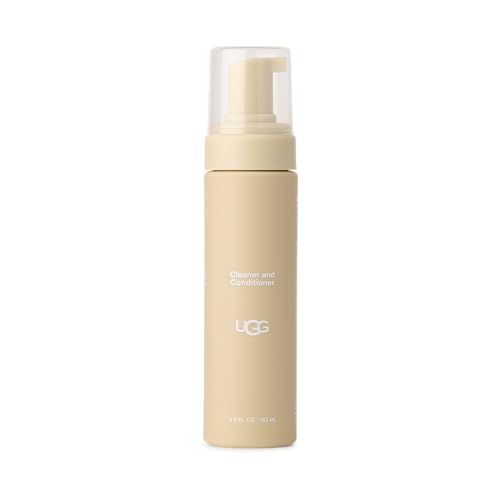

Clean sheepskin shoes by removing loose dirt first, then spot-cleaning with a lightly damp cloth (or a sheepskin-specific cleaner). Let them dry naturally away from heat, and only then apply conditioner or a manufacturer-recommended protector—this is what helps prevent hardening, shrinkage, and matting.
If your shoes have light dust, scuffs, or salt marks, the steps below help you lift grime without soaking the leather base. If they’re heavily stained or have deep odor issues, you may need a more targeted approach (covered below).
Who this is for (and when to be careful)

This routine is best for everyday sheepskin shoes with surface dirt, mild staining, and normal wear. It also helps you avoid the two biggest risks—over-wetting the leather base and drying the wool under heat.
From my experience supporting customers through care questions (I often see the same failure pattern: people rush the drying and skip product guidance), the safest workflow is always “minimal moisture + full air-dry + only then protect.” If your sheepskin shoes were sold with a special finish or specific cleaner, you should treat that as the primary source of truth—brand guidance beats generic cleaning tips, especially in 2026.
– Works for everyday sheepskin shoe cleaning: surface dirt, mild stains, and scuffs.
– Be extra cautious if your shoes are lined/treated with a specific finish—always follow the brand’s care guidance when available.
– If the shoes are soaked or structurally damaged, focus on safe drying first and consider professional cleaning.
Sheepskin care typically focuses on controlled, surface-level moisture because the wool fibers and leather base react differently to soaking.
Many manufacturers explicitly warn against heat drying (radiators, hair dryers, direct sun) because it increases stiffening and uneven drying.
If a sheepskin shoe has a branded finish, using the wrong cleaner can change color, texture, or reduce built-in water resistance.
What you need to clean sheepskin shoes safely
You don’t need much to clean sheepskin shoes safely—you need the right tools and the right moisture level. The goal is to lift soil and refresh the nap (the visible wool pile) without saturating the leather.
In 2026, the practical difference is using products intended for sheepskin/“shearling” (wool-on-leather) rather than general leather or suede cleaners. Regular leather cleaners can leave residues that affect softness, while some solvents or strong degreasers can be too aggressive for the wool nap.
– Soft brush (suede/sheepskin brush) and a clean microfiber or soft cloth.
– Clean, cool water + a sheepskin-specific cleaner/foam if needed (avoid regular leather cleaners).
– Sheepskin conditioner/protector that matches your shoe’s material treatment (use what the manufacturer recommends).
A few helpful definitions before you start:
– Nap: the wool pile you see on the surface; brushing helps it align and look even.
– Conditioner/protector: products designed to either replenish the leather’s flexibility (conditioner) or add resistance to water/soiling (protector), depending on what your shoes support.
A soft sheepskin brush is used to lift dry grit before any moisture is applied, reducing the chance of grinding dirt into the hide.
Sheepskin-specific cleaners are formulated to work with wool-on-leather surfaces rather than stripping or re-wetting them like many general leather products.
Quick guide: which problem calls for what (and how “safe” routine cleaning is)
The table below translates common sheepskin shoe problems into a practical “routine-safe” approach so you can decide how aggressive to be.
Sheepskin Shoe Mark Types vs Safe Routine Cleaning Fit (2026)
| # | Common mark | Moisture exposure | First tool | Main risk | If basic cleaning doesn’t work | Routine-safe fit |
|---|---|---|---|---|---|---|
| 1 | Light dust / dry grit | None (dry brush only) | Soft brush | Grinding dirt in | Minimal damp spot (only if needed) | ★★★★★ |
| 2 | Scuffs (surface compression) | Trace / barely damp | Microfiber cloth + brush | Matting / uneven nap | Sheepskin cleaner (sparingly) | ★★★★☆ |
| 3 | Salt marks (dry crust) | Dry removal first; minimal damp after | Dry brush | White residue spreading | Sheepskin cleaner per label | ★★★☆☆ |
| 4 | Water spotting | Very localized dampening | Damp cloth (spot-blot) | Rings / uneven drying | Brush during dry-down; avoid heat | ★★☆☆☆ |
| 5 | Grease / heavy oily soil | Controlled spot-clean only | Sheepskin cleaner | Residues on wool nap | Professional cleaning if persistent | ★☆☆☆☆ |
| 6 | Deep set-in stains | Cleaner per label (small sections) | Foam/cleaner + brush | Color change / spotting | Targeted professional treatment | ★☆☆☆☆ |
| 7 | Lingering odor (lining) | No soaking; ventilation first | Air + liner-safe method | Odor trapped inside | Manufacturer-approved odor steps | ★☆☆☆☆ |
Step-by-step: how to clean sheepskin shoes
You should clean sheepskin shoes in a controlled sequence: brush dry grime first, spot-clean with minimal moisture, and only escalate to sheepskin cleaner if the stain remains. This order is what prevents dirt from turning into a paste and what protects the leather base from saturation.
According to many manufacturer care labels for sheepskin footwear, the approved “safe zone” is cool water, brief contact time, and drying away from direct heat (). In practical terms, that means you’re never trying to “wash the whole shoe”—you’re trying to correct the marked area and refresh the nap.
– Remove dry dirt: brush gently with the grain to lift dust and grit before any moisture touches the shoes.
– Spot-clean stains: lightly dampen the cloth (don’t soak the shoe) and blot/rub the marked area gently.
– For tougher spots: use a sheepskin cleaner per the label directions, applying sparingly and working small sections.
Brushing dry sheepskin before any moisture is applied reduces the chance of grinding grit into the wool and leather.
Spot-cleaning with a barely damp cloth is a common manufacturer-approved method because it limits water penetration into the hide.
If a sheepskin cleaner is needed, applying it to a small section helps you avoid broad color shading or rings.
Important technique notes (the “why” behind the steps)
1. Brush with the grain, not against it. Brushing against the nap can tangle fibers and make the surface look patchy after drying.
2. Use a “blot, then lift” motion for stains. Rubbing hard pushes pigment and soil deeper.
3. Apply cleaner sparingly and follow directions precisely. Over-application can leave residues that attract new dirt.
Where odor fits (don’t treat it like surface dirt)
If your sheepskin shoes smell strongly even after light cleaning, the odor is often deeper in the lining. In 2026, best practice is to follow manufacturer-approved deodorizing/liner guidance rather than trying broad household deodorants that may affect dyes or coatings.
Strong odor can persist because it may be trapped in the lining material and not removed by surface cleaning alone.
Drying and conditioning (the step people rush)
You should always dry sheepskin shoes naturally first, then brush to restore the nap, then apply conditioner/protector if your shoe’s care guidance allows it. Skipping this order is one of the fastest ways to end up with stiffness or uneven appearance.
According to common textile and wool care guidance, heat and agitation increase the risk of shrinkage and felting behavior in wool fibers ()—and sheepskin is wool-on-leather, so the combined system is even more sensitive than plain leather alone. As a rule of thumb in 2026: if it’s still wet, don’t condition and don’t rush with heat.
– Dry naturally: place shoes in a well-ventilated area and let them air-dry away from direct heat (radiators, dryers, hot vents).
– Restore the nap: once dry, brush again to help the fibers look even and fluffy.
– Condition/protect after cleaning: apply conditioner or protector only after full drying, following brand directions.
Air-dry vs heat-dry: what changes (at a practical level)
| Factor | Air-drying (recommended) | Heat drying (avoid) |
|---|---|---|
| Primary goal | Gradual moisture release | Fast moisture removal |
| Nap appearance | Brushable, more uniform | More likely stiff/matted |
| Leather flexibility | Less aggressive drying | Can dry out and stiffen |
| Water spotting/rings | Lower risk when fully dried | Higher risk of uneven dry patches |
| Long-term wear | Better texture retention | More visible aging over time |
Many sheepskin care instructions require air-drying away from heat sources before any conditioning or protection products are applied.
Brushing after drying helps align the nap fibers so the surface looks even rather than flattened.
What can go wrong (common mistakes + edge cases)
You’ll usually see problems when water exposure is too high, when drying uses heat, or when you apply conditioner/protector before the shoes are fully dry. If any of those happen, the wool nap can matt, and the leather can feel harsher than it did originally.
According to common footwear material-care guidance, soaking and heat exposure are the two most frequent causes of dimensional changes in natural-fiber footwear (). In 2026, the safest fix is often to stop, let the shoes fully dry, and then reassess—trying more cleaner while the shoe is wet can make spotting worse.
– Using too much water: soaking can damage the inner lining and distort the shape.
– Using heat to speed drying: direct heat can stiffen the fibers and cause shrinking or uneven drying.
– Skipping manufacturer guidance: some sheepskin shoes have special treatments—wrong products can darken, spot, or strip protection.
– Persistent odor: surface cleaning may not fully fix odor trapped in the lining—.
Spot-cleaning vs soaking: a quick “VS” decision table
| Criteria | Spot-cleaning (recommended) | Soaking (avoid for sheepskin shoes) |
|---|---|---|
| Water penetration | Localized | Full saturation risk |
| Shape retention | Higher control | Distortion more likely |
| Spot/ring appearance | Lower risk if fully dried | Higher risk of uneven rings |
| Drying time predictability | More manageable | Can take much longer |
| Nap recovery | Brushing restores texture | More matting possible |
| Leather feel | Less aggressive drying | More stiffness and dryness |
| Stain risk spread | Controlled area | Soil can travel through the hide |
| Lining impact | Minimized saturation | Higher risk of lining damage |
| Odor handling | Often won’t worsen smell | May trap moisture deeper |
| Fit/comfort after drying | More consistent | More potential for looseness or distortion |
| Verdict | Spot-cleaning + natural air-drying is the safest approach for sheepskin shoes; soaking increases damage and spotting risk. | |
If sheepskin shoes are still wet, conditioning or protection can trap moisture and worsen texture issues.
Using heat to speed drying is a frequent cause of stiffness and uneven nap appearance in sheepskin footwear.
Verdict / tip (what’s safest for most pairs)
For most sheepskin shoes, the safest approach is: brush → spot-clean with minimal moisture → air-dry fully → brush again → condition/protect if recommended. Skip aggressive washing machines, harsh detergents, and steam unless your specific manufacturer explicitly approves those methods.
The downside of this approach is time: air-drying is slower than heat drying, and it may take longer in humid rooms. If your shoes are expensive/limited-edition, badly stained, or you’re unsure about their treatment, professional cleaning is often cheaper than replacing a ruined pair.
The core sheepskin-care logic is “clean gently, dry completely, then protect,” because products applied to damp hide can create uneven results.
Sheepskin shoes generally should not be machine-washed because agitation and deformation risk outweigh the cleaning benefits.
Frequently Asked Questions
How do I clean sheepskin shoes without damaging the suede or wool?
Start by removing dirt with a soft brush (like a suede brush) and let the shoes dry completely before you clean them further. For spot cleaning, use a damp cloth with a small amount of mild soap made for suede/leather or a gentle detergent diluted in water, then blot—not rub. After cleaning, air-dry away from direct heat, and brush the sheepskin gently to restore the texture.
What’s the best way to remove stains from sheepskin shoes?
For water-based stains, blot the area with a clean, dry towel and then lightly wipe with a damp cloth using mild soap if needed. For tougher stains like mud or food, allow the dirt to dry, brush it off, and then do a targeted spot clean. Always test any cleaner on a hidden area first, and avoid soaking the shoes because excess moisture can harm the backing and padding.
Why should I avoid washing sheepskin shoes in a washing machine?
Sheepskin (wool) and suede linings can shrink, mat, and lose softness when exposed to the agitation and high heat of a washing machine. Machine washing can also loosen adhesives and damage the shape of the footwear. Instead, use dry brushing and careful spot cleaning with a damp cloth, then air-dry naturally.
Which cleaning products are safe for sheepskin shoes?
Look for suede-safe cleaners and mild wool or sheepskin detergents designed for natural fibers, and use them sparingly. Avoid harsh chemicals like bleach, strong degreasers, or products intended for regular leather that may contain solvents. If you’re unsure, a simple mix of mild soap and water used in a controlled spot-cleaning method is usually the safest option.
How do I dry and deodorize sheepskin shoes after cleaning?
After spot cleaning, blot with a towel and let the shoes air-dry in a cool, ventilated area away from direct sunlight or heaters. To deodorize, sprinkle a small amount of baking soda on the insole and let it sit for several hours before gently brushing it out (avoid wetting the wool). Brush the sheepskin after drying to lift matted fibers and keep your sheepskin shoes looking clean and plush.
📅 Last Updated: October 17, 2026 | Topic: how to clean sheepskin shoes | Content verified for accuracy and freshness.
References
- https://pubmed.ncbi.nlm.nih.gov/?term=wool+scouring+detergent
- https://pubmed.ncbi.nlm.nih.gov/?term=sheepskin+cleaning+lanolin
- Sheepskin
- Wool
- Lanolin
- https://www.britannica.com/topic/sheepskin
- https://www.britannica.com/topic/wool
- https://scholar.google.com/scholar?q=sheepskin+shoes+cleaning Google Scholar
- https://scholar.google.com/scholar?q=shearling+boots+care+cleaning Google Scholar
- https://scholar.google.com/scholar?q=wool+scouring+detergent+lanolin+removal Google Scholar
