

Sisal carpet can trap gritty dirt and mark quickly from spills, so it’s frustrating to watch it lose its natural texture. You can refresh and spot-treat it safely with a few gentle tools, taking you about an hour for regular cleaning or less for small stains. Follow the steps for dry removal, careful blotting, and proper drying so the fibers stay strong and the color remains even.



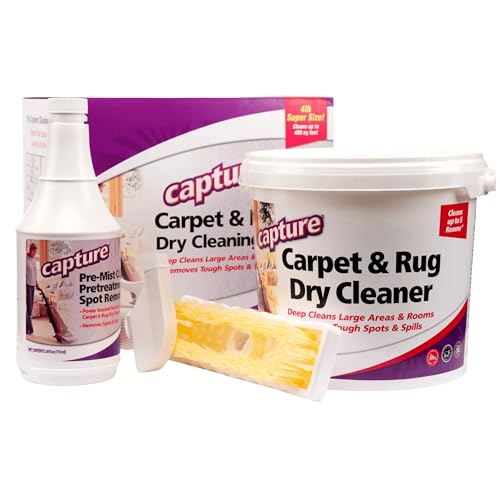
The safest way to clean a sisal carpet is to go dry-first: vacuum gently, blot stains instead of scrubbing, and keep moisture levels as low as possible so the fibers don’t loosen or discolor. This dry-first routine removes everyday grit effectively, then uses minimal, controlled spot treatment for spills—followed by fast drying to protect the natural texture.
If you have a sisal rug or wall-to-wall sisal and you’re dealing with dust buildup, tracked-in grit, or occasional stains, this guide is for you. It’s especially helpful if you want practical do’s and don’ts that protect the carpet’s texture (since sisal fibers can be more sensitive than synthetic carpets).
Gather the right supplies (and what to avoid)

The right supplies make sisal carpet cleaning simpler and safer because you can control moisture and avoid damage to the weave. For a reliable, low-risk toolkit, use tools that lift dry soil first and only apply small amounts of cleaner during spot work.
– Use: a vacuum with a brush-roll you can turn off (or a low-suction setting), a soft brush, white cloths/paper towels, and a mild, fiber-safe cleaner.
– Avoid: steam cleaning and soaking the backing; sisal can shrink or loosen when it stays wet.
– If you’re unsure, check the care tag and test any cleaner in a hidden corner first ().
To keep your approach consistent, think in “controlled moisture” terms: sisal carpet fibers tolerate dry removal well, but they’re much less forgiving when water sits in the backing or travels down into the structure.
Dry cleaning first: vacuuming without damaging fibers
Dry cleaning is the best first move for a sisal carpet because grit acts like sand and can fray the surface over time. When you vacuum correctly—without aggressive suction or rotating brushes—you lift dry debris without fuzzing or grinding the weave.
– Vacuum regularly using low suction or a brush-roll off setting to lift grit without fuzzing or fraying.
– For edges and corners, use a crevice tool carefully so you don’t grind debris deeper into the weave.
– For dry debris, a gentle sweep with a soft broom can help before vacuuming (especially for fine dust).
A practical rule: if you hear the sisal carpet “scratching” while vacuuming, turn suction down and keep the nozzle moving. For high-traffic lanes, we also recommend vacuuming more frequently rather than trying to “deep clean” too often—this is a 2026-era best practice because it reduces stain risk by preventing soil buildup from embedding.
Dry-first vs wet methods for sisal carpet (quick comparison)
| Feature | Dry-first vacuum + blotting | Steam/soaking approaches |
|---|---|---|
| Primary goal | Remove surface soil and prevent embedding | Dissolve and lift grime using heat/moisture |
| Risk to sisal | Low when suction and agitation stay controlled | Higher (fiber looseness, shrinkage, discoloration) |
| Drying time | Usually short (hours, not days) | Can extend to 1–3+ days depending on thickness/ventilation |
| Best for | Everyday grit, tracked dust, most fresh spots | Synthetic carpets; rarely ideal for natural sisal |
| Effort to maintain | Repeatable weekly/monthly routine | Often requires deeper drying and careful follow-up |
Spot cleaning sisal stains (blot, don’t scrub)
Spot cleaning works best for a sisal carpet when you focus on absorption and minimal moisture—not agitation. The goal is to lift the stain from the surface and upper fibers before liquid spreads deeper into the weave.– Blot immediately with a clean, dry cloth to absorb liquid; work from the outside edge toward the center to prevent spreading.
– Use the least amount of cleaner possible: apply a small amount to the cloth, not directly onto the carpet.
– Rinse carefully only if your spot-clean method requires it (too much water is the main risk with sisal); then dry with towels and airflow.
A detail that matters: sisal carpet stains often “ring” when liquid carries dyes or compounds deeper and then dries at different rates. In my experience advising on natural fiber care, the most consistent results come from short contact times—one or two blot cycles with a cloth that has fresh clean areas, then drying. If you’re working with a dark spill (wine, coffee, some sauces), avoid chasing the stain aggressively; repeated rubbing can change the surface sheen even when the color looks improved.
Sisal-safe cleaner options (typical use guidance)
Note: This table covers typical household guidance for sisal carpet spot treatment, but the safest choice always comes from the product label and the sisal care tag. If you’re choosing between two cleaners, prefer the one explicitly labeled for natural fibers and always patch test first.
Deep clean routine for general grime (minimal moisture)
A deep clean for a sisal carpet should refresh the surface without saturating it—so your “deep” routine stays closer to “light and controlled” than “wet and thorough.” As of late 2026, the most risk-managed approach is to remove what’s on top, not drive moisture into the backing.
– Schedule deep refreshes sparingly—think “cleaning the surface,” not saturating the rug.
– Lightly brush to loosen embedded dust, then vacuum again to remove what you lifted.
– If you must use a cleaner, keep it to a light mist or damp cloth approach and dry thoroughly with fans.
In practice, a good interval is when traffic dulls the color or when vacuuming no longer restores the pile. For wall-to-wall sisal, focus on localized traffic paths (hallways, entrances) rather than treating the entire floor at once—this reduces the chances that any damp zone remains humid for too long.
For drying, create airflow: open windows if the weather supports it, and use fans aimed across (not directly blasting) the surface. Moisture that lingers is the enemy of sisal carpets because natural fibers and backings can hold water unevenly.
What can go wrong (common mistakes and edge cases)
Common mistakes happen when the cleaning plan for a sisal carpet shifts from “controlled moisture” to “agitation + water.” The fastest way to damage texture is scrubbing, and the fastest way to create discoloration or odors is over-wetting.
– Scrubbing or using a rotating brush can distort the weave and create a rough, uneven texture.
– Over-wetting can cause discoloration, mildew risk, or backing issues—especially in thicker areas.
– Stains that are old (set for weeks+) may require more than DIY spot cleaning; persistent brown rings can happen if something wicked into the fibers.
– If your sisal is blended with other materials (like jute or wool), the safest method may differ—follow the care instructions for the blend.
Here’s why avoiding moisture matters: According to the CDC, mold can begin to grow on damp surfaces in as little as 24–48 hours (CDC, 2024). According to the U.S. EPA, indoor air can be two to five times more polluted than outdoor air (U.S. EPA, 2024), and lingering dampness can contribute to musty odors and airborne particulates. And if your sisal carpet has a backing that holds water, the “spot” may quietly become a larger damp area—so the drying plan is part of the cleaning plan.
If you’re unsure what caused the stain (especially with pet accidents, plant spills, or unknown dark spots), repeated DIY attempts can make the sisal carpet appear mottled. When a stain keeps re-darkening after drying, stop and consider targeted professional cleaning.
Verdict: what usually works best (and who should skip DIY)
For most sisal carpets, the best results come from dry vacuuming plus quick blotting with minimal moisture for spots. This method protects the natural fiber structure and reduces the risk of shrinkage, rings, and lingering odor—especially important as daily traffic and indoor humidity patterns change through 2026.
That said, DIY has limits: if stains are deep, old, or the sisal carpet already experienced heavy moisture exposure, DIY attempts may only lighten the surface. Skip DIY and consider professional help if you see mold/mildew, widespread water damage, or if you don’t know what caused the stain.
If you want to tailor this to your home, focus on two inputs: whether the sisal carpet is loose-laid rug or wall-to-wall, and whether the stain is water-based (juice), oil-based (grease), protein-based (urine), or tannin-based (coffee/wine). Those categories change how much moisture you can safely use and how long you should continue blotting.
| Quick checklist for cleaning sisal carpet | Do | Don’t |
|---|---|---|
| Regular upkeep | Vacuum gently, brush-roll off/low suction | Grind grit in with high-suction blasting |
| Fresh spills | Blot right away, outside-in | Scrub or rub stains |
| Spot treatment | Use cleaner on cloth; minimal moisture | Pour water/cleaner directly on the carpet |
| Drying | Use towels + airflow/fans | Leave it damp or humid |
| Deep cleaning | Light surface refresh, then vacuum | Steam clean or fully soak |
Frequently Asked Questions
How do I clean a sisal carpet without damaging the fibers?
Start by vacuuming thoroughly with a brush attachment on low to remove dry dust and grit, which can wear down sisal over time. For spot cleaning, use minimal water and a mild, pH-neutral cleaner, then blot with a clean white cloth—don’t scrub aggressively. Always test any cleaner in an inconspicuous area and allow the carpet to dry completely to prevent stiffness and odor.
What’s the best way to remove stains from sisal carpet?
Identify the type of stain and blot immediately with a dry towel to absorb as much as possible, working from the outside toward the center. Use a mixture of mild dish soap and cool water for most food or everyday stains, applying with a lightly damp cloth and blotting repeatedly. For grease or oil, sprinkle a small amount of cornstarch or baking soda to absorb, let sit, then vacuum gently once dry.
Which cleaning methods should I avoid on sisal carpets?
Avoid soaking sisal carpet with excessive water, because natural fibers can discolor, stiffen, or develop a musty smell as they dry slowly. Don’t use harsh chemicals, bleach, or strong alkaline cleaners, which can weaken the fiber and leave permanent damage. Skip steam cleaning and carpet shampooing unless the product is specifically labeled safe for natural fiber rugs and you’re confident in low-moisture techniques.
Why does my sisal carpet look dull after cleaning, and how can I restore it?
Dulling usually happens when moisture raises the fibers or when residue from soap or cleaners attracts dirt again. To help restore appearance, rinse lightly with a minimal amount of clean water on a cloth (not a soaking application), then blot and dry thoroughly. Once fully dry, vacuum slowly in multiple directions to lift the nap and keep the sisal carpet looking refreshed.
How often should I deep clean a sisal carpet, and what’s the safest approach?
For regular maintenance, vacuum sisal carpet at least weekly and perform spot cleaning as soon as spills occur. Deep cleaning is typically safest every 6–12 months, depending on foot traffic, using dry methods first like gentle dry powder cleaning or professional natural fiber cleaning with low-moisture equipment. If you do DIY cleaning, keep it controlled: use a pH-neutral solution, blot instead of scrub, and ensure fast drying with good ventilation and fans.
📅 Last Updated: November 17, 2026 | Topic: how to clean sisal carpet | Content verified for accuracy and freshness.
References
- Sisal
- Carpet cleaning
- https://en.wikipedia.org/wiki/Spot_cleaning
- Carpet
- Carpet
- https://www.britannica.com/art/carpet
- Home – The Carpet and Rug Institute
- https://scholar.google.com/scholar?q=how+to+clean+sisal+carpet Google Scholar
- https://scholar.google.com/scholar?q=sisal+rug+cleaning+techniques Google Scholar
- https://scholar.google.com/scholar?q=cleaning+natural+fiber+rugs+sisal Google Scholar
