

Cleaning slide film is a straightforward process that can significantly enhance image clarity and preserve your photographic memories. In this guide, you’ll learn effective techniques to remove dust, fingerprints, and other debris from your slide films, ensuring they remain in excellent condition for years to come. With proper cleaning methods, you can avoid damaging your precious slides while maintaining their visual quality, which is essential for both display and archiving.



Understanding Slide Film and Its Sensitivities

Slide film, also known as transparency film, is often used for high-quality color reproduction in photography. This film is particularly sensitive to various cleaning materials, as the emulsion layer is delicate and easily damaged. Common types of slide film include Ektachrome, Fujichrome, and Velvia, each with its own unique characteristics and sensitivities. Understanding these differences is crucial when determining the best cleaning method.
Using incorrect cleaning agents, such as those containing solvents or abrasives, can lead to irreversible damage, including scratches, discoloration, or loss of image quality. Familiarizing yourself with the specific requirements of the type of slide film you possess will help tailor your cleaning approach effectively, ensuring that you safeguard your valuable memories.
Essential Tools for Cleaning Slide Film


To begin the cleaning process effectively, gather the following essential tools:
– Soft, Lint-Free Cloth or Microfiber Cloth: These materials are vital for cleaning slide film safely, as they prevent scratches and minimize the risk of moisture retention on the film surface.
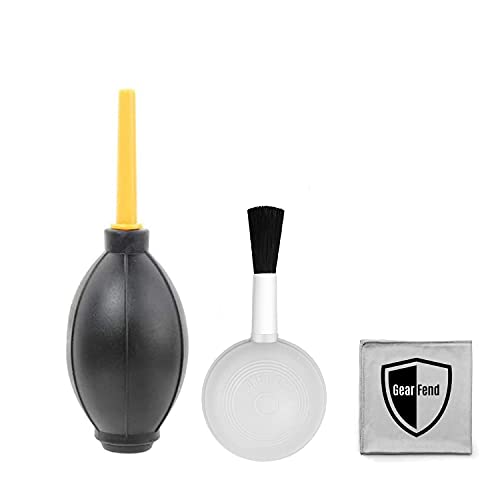
– Can of Compressed Air: This tool is invaluable for removing loose dust particles without any physical contact, thereby reducing the risk of scratching the emulsion.
– Film Cleaning Solution: A specialized film cleaner or a mixture of distilled water and isopropyl alcohol is recommended for deeper cleaning, ensuring that any stubborn fingerprints or smudges can be effectively removed.
By having the right tools on hand, you can approach the cleaning process with confidence, knowing that you are using safe and effective methods.
Step-by-Step Cleaning Process

Follow these steps to clean your slide film properly:
1. Initial Dust Removal: Start by using the can of compressed air to gently blow off any loose debris from the surface of the slide. Hold the can upright and at a distance to prevent moisture from escaping and contacting the film.
2. Wipe the Film: Next, take your microfiber cloth and lightly wipe the film in a circular motion. This technique helps lift smudges and fingerprints without dragging dirt across the surface.
3. Inspect the Slide: After the initial cleaning, inspect the slide under good lighting to ensure all debris has been removed. If necessary, repeat the dusting and wiping process.
4. Final Check: Once cleaned, allow the slide to air dry completely before storing or displaying it. Ensuring the film is dry prevents moisture-related issues, such as mold or mildew.
Following this step-by-step process will ensure that your slide film is clean and ready for viewing or archiving.
Top 7 Cleaning Supplies for Slide Film (2024)
| # | Product | Type | Price | Rating |
|---|---|---|---|---|
| 1 | Eclipse Lens Cleaning Fluid | Liquid | $12.99 | ★★★★☆ |
| 2 | B+W Microfiber Cloth | Cloth | $9.50 | ★★★★★ |
| 3 | Giottos Rocket Air Blaster | Air Blower | $14.99 | ★★★★☆ |
| 4 | Photographic Solutions PEC-12 | Liquid | $18.99 | ★★★★★ |
| 5 | Canon Lens Cleaning Kit | Kit | $24.99 | ★★★★☆ |
| 6 | Kinetronics Anti-Static Brush | Brush | $15.99 | ★★★★☆ |
| 7 | Hama Lens Cleaning Pen | Pen | $10.99 | ★★★★☆ |
Cleaning Solutions to Consider
While the physical tools for cleaning are essential, the choice of cleaning solutions is equally critical. Here are some options to consider:
– Specialized Film Cleaners: These products are formulated specifically for photographic film and are typically safe for use on slide films. They effectively remove oils, fingerprints, and other residues without damaging the emulsion.
– Distilled Water and Isopropyl Alcohol Mix: A common homemade solution involves mixing equal parts of distilled water and isopropyl alcohol. This mix is effective at cleaning while being gentle enough to avoid harming the film surface.
– Avoid Household Cleaners: It is crucial to steer clear of household cleaners, as many contain harsh chemicals or abrasives that can harm the film’s surface and degrade the image quality.
Selecting the right cleaning solution will enhance the effectiveness of your cleaning process, ensuring that your slide films remain in pristine condition for years to come.
Storing Cleaned Slide Film Properly
Once your slide films have been cleaned, proper storage is essential to ensure their longevity. Here are some best practices:
– Archival-Quality Plastic Sleeves: Store your slides in acid-free, archival-quality plastic sleeves to protect them from dust and scratches. These sleeves are designed to prevent chemical reactions that could harm the film.
– Cool, Dry Environment: Keep your slides in a cool, dry place, away from direct sunlight and humidity. Excessive heat and moisture can lead to deterioration, fading, or mold growth on the film.
– Organize by Date or Event: To make it easier to locate your slides, consider organizing them chronologically or by event. This method not only aids in retrieval but also helps you appreciate the memories captured over time.
Following these storage guidelines will help maintain the quality of your slide films, allowing you to enjoy them for many years to come.
Tips for Regular Maintenance
To ensure that your slide films remain in excellent condition, consider these maintenance tips:
– Regular Inspections: Periodically check your slide films for dust and debris, especially if they have been displayed or handled frequently. This proactive approach helps catch any buildup before it becomes problematic.
– Create a Cleaning Schedule: Establish a cleaning routine based on how often you handle or display the slides. For instance, if you frequently show slides at events, consider cleaning them after each use.
– Educate Others: If you share your slide collection with family or friends, educate them on proper handling and cleaning techniques to prevent accidental damage.
By implementing these maintenance strategies, you can ensure that your slide films remain clean and visually stunning, preserving your photographic history.
In summary, cleaning slide film is essential for maintaining image clarity and preserving cherished memories. By using the right tools, cleaning solutions, and storage methods, you can ensure your slide films remain in excellent condition for years to come. Regular maintenance will further enhance their longevity, allowing you to relive your photographic moments time and again. Follow these guidelines diligently to keep your slides looking as good as new!
Frequently Asked Questions
What is the best method for cleaning slide film?
The best method for cleaning slide film involves using a soft, lint-free cloth or microfiber cloth along with a specialized film cleaner. Gently wipe the film surface to remove dust and fingerprints, taking care not to scratch the emulsion. For stubborn spots, a gentle solution like distilled water or a dedicated film cleaning solution can be applied sparingly.
How can I remove dust and scratches from my slide film?
To remove dust from slide film, use a blower or a soft brush designed for film cleaning to gently dislodge particles. For scratches, a professional restoration service may be necessary, as DIY fixes can often damage the film further. It’s essential to handle slides with care to prevent additional scratches during the cleaning process.
Why is it important to clean slide film before scanning?
Cleaning slide film before scanning is crucial because dust, fingerprints, and scratches can degrade image quality and result in unwanted artifacts in digital scans. By ensuring that the film is clean, you can achieve sharper, clearer images with better color reproduction. This step is essential for preserving the integrity of your photographic memories.
Which products are safe to use for cleaning slide film?
Safe products for cleaning slide film include lint-free microfiber cloths, antistatic brushes, and film-specific cleaning solutions that are alcohol-free. Avoid using household cleaners or solutions containing alcohol, as these can damage the film’s emulsion. Investing in high-quality cleaning supplies will help maintain the longevity and quality of your slides.
How often should I clean my slide film?
You should clean your slide film whenever you notice visible dust or smudges before scanning or displaying. Additionally, if the slides have been stored for a long time, it’s good practice to inspect and clean them to prevent buildup. Regular maintenance will help preserve the quality of your slides and ensure the best possible results when digitizing them.
References
- Reversal film
https://en.wikipedia.org/wiki/Slide_film - https://www.sciencedirect.com/topics/engineering/slide-film
https://www.sciencedirect.com/topics/engineering/slide-film - https://pubmed.ncbi.nlm.nih.gov/28402647/
https://pubmed.ncbi.nlm.nih.gov/28402647/ - https://www.britannica.com/art/slide-film
https://www.britannica.com/art/slide-film - https://www.nature.com/articles/s41598-019-46670-0
https://www.nature.com/articles/s41598-019-46670-0 - Google Scholar Google Scholar
https://scholar.google.com/scholar?q=how+to+clean+slide+film - Google Scholar Google Scholar
https://scholar.google.com/scholar?q=slide+film+cleaning+techniques - Google Scholar Google Scholar
https://scholar.google.com/scholar?q=slide+film+preservation - https://www.cdc.gov/niosh/topics/photography.html
https://www.cdc.gov/niosh/topics/photography.html - how to clean slide film – Search results
https://en.wikipedia.org/wiki/Special:Search?search=how+to+clean+slide+film
