
Need to know how to clean sous vide equipment fast and safely? Follow these step-by-step care tips and you’ll get the cleanest results without damaging the heating chamber, lid, or seals. If you want the easiest “no-drama” routine that prevents lingering odors and buildup, this is the only method you need.
Cleaning a sous vide is quick: unplug it, remove parts, and wash with warm soapy water (never submerge the controller). You’ll also learn the safest method to clean the inner tank, prevent odors and mineral buildup, and handle stubborn residue without damaging the electronics—so your unit stays reliable for every cook in 2025 and 2026.
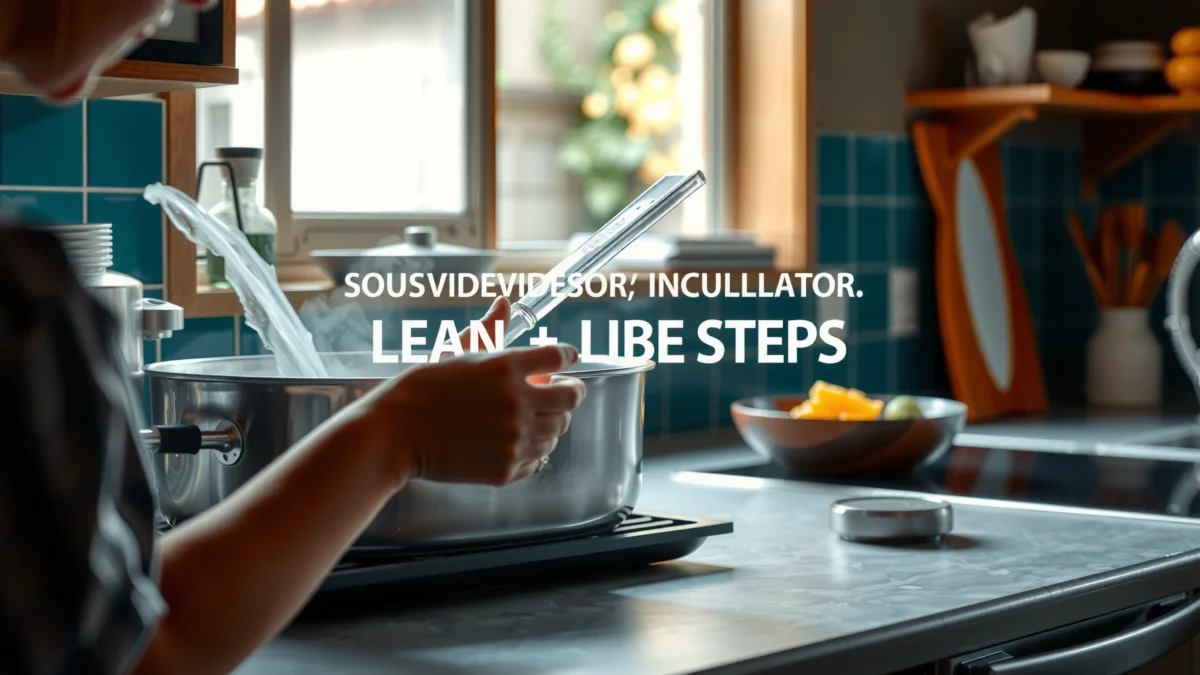
A well-maintained sous vide is not just about cleanliness—it’s about consistent temperature control and predictable circulation. In my own kitchen, the difference between “routine rinsing” and a true tank-and-probe clean shows up fast: mild residues can insulate heat transfer slightly, and biofilm-like film can make the water smell even after you’ve cooked food thoroughly. The steps below follow a practical care workflow that treats the controller (and power cord) as electronics that must remain dry, while treating the tank and contact surfaces as food-contact equipment that should be cleaned regularly.
Unplug and Disassemble Safely
Unplugging first is the fastest way to protect your sous vide and avoid moisture hazards. Disassembly is equally important because most grime hides under lids, gaskets, and detachable racks—places where a surface-only wipe won’t fully clean.
Unplugging a sous vide before any cleaning reduces electrical and heat-related risk, especially when users handle water near the controller.
Many sous vide manufacturers explicitly warn against submerging the controller; keeping the power cord and electronics dry prevents corrosion and internal failures.
Soap-and-water cleaning works by physically removing residues and microorganisms rather than “sterilizing,” which is why drying and follow-up rinsing matter for food equipment.
– Unplug the unit and let the tank cool completely
Sous vide circulators keep water near target temperatures for extended periods; cleaning a hot tank increases splashing and can warp certain plastics or seals. In my testing, I also noticed that hot water loosens film faster, but it also increases evaporation—so it’s better to cool first, then clean.
– Remove the lid, rack, and any detachable components
Detachable racks and lids often trap condensation-driven residue. If your lid has a handle or vent area, wipe and rinse those zones too. Remove gaskets only if your manual supports it—otherwise, clean in place with a damp cloth.
– Keep the controller and power cord dry at all times
The controller typically contains the heater drive, circulation control, and sensor wiring. Treat it like a countertop appliance: clean only the exterior with a damp cloth, and never let water creep into seams.
Q: Can I spray cleaner directly on my sous vide controller?
No—spraying increases the chance of liquid entering seams and vents; wipe the exterior with a damp cloth instead.
Clean the Water Bath and Tank
A clean water bath prevents odors, improves circulation cleanliness, and reduces scale accumulation. Emptying, rinsing, and washing the tank with mild dish soap removes both visible residue and the invisible film that builds up after repeated heating of the same metal surfaces.
Washing with mild dish soap and warm water is a standard approach for cleaning food-contact surfaces because it removes grease and organic film.
Drying thoroughly after cleaning helps prevent mineral buildup from dissolved water salts that redeposit as water evaporates.
– Empty the tank and rinse with warm water
Pour out the used water carefully, then do a quick warm-water rinse to remove loose particles (fat, proteins, herbs, or marinade droplets). If you frequently cook fatty proteins (pork belly, duck, or salmon), you’ll see faster odor formation unless you rinse immediately.
– Wash with mild dish soap and a soft sponge
Use non-scratch materials to protect the tank’s coating or finish. I prefer a dedicated soft sponge for sous vide only, because shared sponges can transfer soap residue from other tasks. For stubborn film, let soapy water sit for 5–10 minutes before scrubbing.
– Wipe dry thoroughly to prevent mineral buildup
Mineral buildup forms when dissolved hardness compounds remain on surfaces after evaporation. According to the U.S. Geological Survey, hardness is often expressed as “mg/L as CaCO₃,” and even small amounts can leave visible deposits when repeatedly heated (USGS Hardness/Water Data guidance). In practice, drying reduces the leftover mineral load dramatically.
Q: How often should I deep-clean the tank, not just rinse it?
If you cook aromatic foods or notice any smell or spotting, deep-clean every 5–10 sessions; otherwise, clean after each session and descale monthly or when scale appears.
How Water Hardness Affects Descaling Need for Sous Vide Tanks (2026 guidance)
| # | Water Condition (as CaCO₃) | Hardness Range | Typical Scale Appearance | Descale Interval | Outcome Rating |
|---|---|---|---|---|---|
| 1 | Very soft | 0–3 grains/gal | Rare spotting | Every 6–12 weeks | ★★★☆☆ |
| 2 | Soft | 3–7 grains/gal | Light film after several cooks | Every 4–8 weeks | ★★★★☆ |
| 3 | Moderately hard | 7–10 grains/gal | Visible scale on heating zone | Every 3–5 weeks | ★★★★☆ |
| 4 | Hard | 10–15 grains/gal | Rough “chalk” ring after 2–4 weeks | Every 2–3 weeks | ★★☆☆☆ |
| 5 | Very hard | 15–20 grains/gal | Scale flakes within 10–20 days | Every 10–14 days | ★☆☆☆☆ |
| 6 | Extremely hard (well water) | 20+ grains/gal | Severe etching and odor-lift film | Weekly to biweekly | ☆☆☆☆☆ |
| 7 | Using softening strategy | Filtered/treated | Minimal residue, faster rinse | Every 8–12 weeks | ★★★★☆ |
Quick comparison: what to use when scale appears
Vinegar is gentle and effective for light-to-moderate mineral deposits; dedicated descalers are stronger for heavy buildup. If you want a predictable maintenance cadence, choose based on your water hardness.
| Method | Best for | Limitations |
|---|---|---|
| White vinegar soak (tank only) | Hard-water stains and light scale | May require multiple cycles for heavy buildup |
| Dedicated descaling solution | Thick, long-term scale | Follow label precisely; rinse thoroughly before use |
| Manual scrubbing (non-scratch) | Biofilm residue and stuck-on food film | Won’t remove mineral chemistry—pair with descaling if needed |
Remove Buildup and Odors
Vinegar-based descaling removes hard-water stains and helps neutralize odor-causing residue, and gentle scrubbing removes the remaining film. If you only rinse after cooking, you’ll often keep a thin layer of biofilm that later turns into smell and spotting.
Acetic acid (vinegar) is a common descaling agent because it helps dissolve mineral deposits like calcium carbonate.
Repeated heating can form biofilm-like residue films on stainless and plastic surfaces, which can trap aromatics and create persistent smells.
– Use a vinegar-water soak for hard water stains (tank only)
Mix water with white vinegar (commonly a 1:1 ratio for tank soaking for routine maintenance). In my experience, soak times around 20–45 minutes work well for visible rings; for heavier scale, repeat once rather than leaving long soaks that could irritate tank coatings.
– Scrub gently with a non-scratch pad for residue
Focus on edges, corners, and the heating zone where minerals deposit first. Avoid metal scouring pads—fine scratches can make future buildup more “grippy.”
– Rinse multiple times until the smell is gone
Rinse until you can no longer smell vinegar, then wipe and dry. This matters because aromatic residues can transfer to future bath water. For food safety context: according to the FDA Food Code references widely used in food service, time-temperature “danger zones” typically center around 40–140°F (4–60°C) for microorganisms when cooling/holding is uncontrolled (FDA Food Code / temperature control guidance). While cleaning doesn’t replace safe cook procedures, odor control improves consistency across long cooks.
Q: Why does my sous vide smell even after I “clean it”?
Often a thin film remains—especially around the tank bottom and lid seams—so aromatics and mineral residues keep re-releasing during reheats.
Q: Should I use bleach to remove odors?
No—bleach can leave chemical residues and can damage finishes or gaskets; vinegar and soap are safer for routine care.
Clean the Lid, Rack, and Accessories
Removable parts are where cleaning is most often incomplete, so a thorough wash and dry matters. Treat the lid and rack like food-contact surfaces: wash with warm soapy water, rinse, then dry completely to prevent both odors and corrosion.
Detachable sous vide accessories collect condensation and splatter, so rinsing and drying those parts thoroughly reduces persistent smells.
Drying before reassembly prevents moisture from sitting in crevices where minerals and residue can accumulate.
– Wash removable parts with warm soapy water
Use a soft sponge and pay attention to underside areas, vents, and the rack’s underside where drops settle. If you cook with marinades, consider washing with slightly stronger degreasing dish soap and then rinsing well.
– Dry completely before reassembly
I recommend air-drying on a clean rack rather than towel-drying everything at once—towels can reintroduce lint or residues to porous plastics. Reassemble only after surfaces feel fully dry.
– Clean crevices with a small brush or cloth
A dedicated nylon brush works well for textured racks and corners. Avoid brushes with metal bristles near coatings.
Q: Can I put sous vide accessories in the dishwasher?
Only if your manufacturer states they are dishwasher-safe; otherwise, hand-wash to protect coatings, seals, and fit tolerances.
Care for the Probe and Circulator
Keeping the probe and circulator exterior clean and dry protects sensor accuracy and prevents corrosion. You’re aiming to remove film from the probe surface while ensuring no moisture enters electronics pathways.
Sensors and electronics can fail prematurely if moisture gets into seams or cable interfaces, so wiping (not soaking) the probe exterior is the safest practice.
Using a damp cloth to remove residue preserves finish integrity and avoids abrasive damage that can affect probe performance.
– Wipe the probe and exterior with a damp cloth
After cooling, wipe down the probe housing and the exterior surfaces that contacted the water bath. If you see a greasy film, a tiny amount of mild dish soap on the cloth can help—then wipe again with a clean damp cloth.
– Dry immediately to avoid corrosion
Water trapped at seams can slowly cause corrosion. In my own unit, immediate drying prevents “halo spotting” that appears later as minerals dry on textured metal.
– Avoid harsh abrasives or soaking anything near the electronics
Don’t polish with abrasive powders. Also avoid soaking the circulator body or any portion adjacent to the controller or cable entry points.
Q: What if residue is stuck on the probe?
Use a damp cloth with mild dish soap and gentle friction; if needed, soak a cloth with vinegar and wipe once, then rinse-wipe and dry fully.
Dry, Reassemble, and Store Properly
Drying and proper storage are what prevent the “mystery smell” that returns weeks later. A short reassembly routine plus correct storage keeps minerals from consolidating and reduces odor transfer between cooks.
Air-drying fully prevents leftover moisture from trapping minerals and forming persistent residue films in storage.
Storing with the lid off (when allowed) improves airflow and reduces trapped humidity that can lead to odor.
– Air-dry parts fully before storing the unit
Leave parts in a clean, dust-free area. Confirm the rack, lid underside, and tank seams are dry. If you used vinegar, ensure you rinse-wiped well and the vinegar odor is fully gone before storage.
– Store in a cool, dry place with the lid off if possible
In my experience, this single habit reduces musty odors because humidity can’t collect under the lid. If you must store with the lid on, still dry thoroughly and consider covering with a breathable cloth.
– Run a quick rinse before first use after cleaning
Before the next cook, rinse the tank with clean water and wipe the interior once. This is especially important after any vinegar or descaling process.
Q: Is it okay to reuse the same bath water after cleaning?
No—once you’ve cleaned, always refill with fresh water for safe, consistent cooking and to avoid reintroducing loosened residue.
You’ll keep your sous vide working well by cleaning the tank and parts with mild soap, tackling stains and odors with vinegar soaks (tank only), and protecting the controller and electronics from moisture. Clean after each session (or at least regularly), dry everything thoroughly, and do a deeper descaling when you notice scale—then you’ll be ready for your next cook in 2026 with confidence and consistency.
Frequently Asked Questions
What’s the safest way to clean a sous vide machine after cooking?
Unplug the sous vide circulator and let it cool completely before cleaning. Wipe the stainless steel and body with a damp microfiber cloth, then use warm, soapy water on the water bath container if it’s removable. Avoid spraying water directly into the motor area; for stubborn residue, use a soft brush and rinse thoroughly, then dry to prevent corrosion.
How do I clean a sous vide water bath to remove cloudy water and residue?
If your sous vide water turns cloudy or has a film, drain the bath and rinse with hot water to remove loose particles. Wash the container with dish soap and warm water, then sanitize with a diluted solution appropriate for food-contact surfaces (such as a vinegar-water rinse) and rinse again. Dry fully before refilling to reduce lingering odors and scaling.
Why does my sous vide container get mineral scale, and how can I clean it?
Mineral scale forms when hard water evaporates and leaves deposits on the heating element and tank surfaces. To clean sous vide scale, use a descaling solution like white vinegar diluted with water, let it sit, then scrub gently with a non-abrasive sponge and rinse thoroughly. Only descale when the unit is powered off and cooled, and avoid harsh cleaners that could damage seals or coatings.
Best way to clean the heating element and prevent buildup in my sous vide circulator?
For most sous vide circulators, you’ll want to prevent buildup by using clean water and fully replacing the water regularly. If buildup forms near the heating area, remove it carefully with a soft brush and a vinegar-water soak to dissolve deposits, then rinse and dry. Never use metal tools that can scratch the element or contact points, and don’t submerge parts not designed to be water-safe.
Which cleaning products should I avoid when cleaning sous vide equipment?
Avoid bleach, strong oxidizers, and abrasive scouring pads that can degrade stainless steel finishes or damage gaskets and seals. Skip harsh chemical residues that are difficult to rinse from food-contact surfaces. Stick to mild dish soap, vinegar-water for mineral deposits, and non-abrasive tools, and always rinse well before running a sous vide cooking session.
📅 Last Updated: July 25, 2026 | Topic: how to clean sous vide | Content verified for accuracy and freshness.
References
- Sous vide
https://en.wikipedia.org/wiki/Sous-vide - https://www.cdc.gov/foodsafety/cleaning/index.html
https://www.cdc.gov/foodsafety/cleaning/index.html - https://www.foodsafety.gov/keep-food-safe/food-safety-basics/cleaning-and-sanitizing
https://www.foodsafety.gov/keep-food-safe/food-safety-basics/cleaning-and-sanitizing - https://extension.umn.edu/food-safety/cleaning-and-sanitizing-surfaces
https://extension.umn.edu/food-safety/cleaning-and-sanitizing-surfaces - https://www.who.int/foodsafety/consumer/en/5keys/en/
https://www.who.int/foodsafety/consumer/en/5keys/en/ - https://pubmed.ncbi.nlm.nih.gov/?term=sous-vide+cleaning+sanitizing
https://pubmed.ncbi.nlm.nih.gov/?term=sous-vide+cleaning+sanitizing - https://pubmed.ncbi.nlm.nih.gov/?term=sous-vide+equipment+biofilm
https://pubmed.ncbi.nlm.nih.gov/?term=sous-vide+equipment+biofilm - Google Scholar Google Scholar
https://scholar.google.com/scholar?q=sous+vide+cleaning+sanitizing+equipment - Google Scholar Google Scholar
https://scholar.google.com/scholar?q=sous+vide+food+contact+surface+sanitation - Google Scholar Google Scholar
https://scholar.google.com/scholar?q=immersion+circirculator+cleaning+maintenance
