

Need to clean squirt out of a mattress fast? This guide gives you the quickest, most effective steps to remove it without soaking the mattress or spreading residue. Follow the exact order—blot, treat, and dry—to get visible mess and odor under control as quickly as possible.


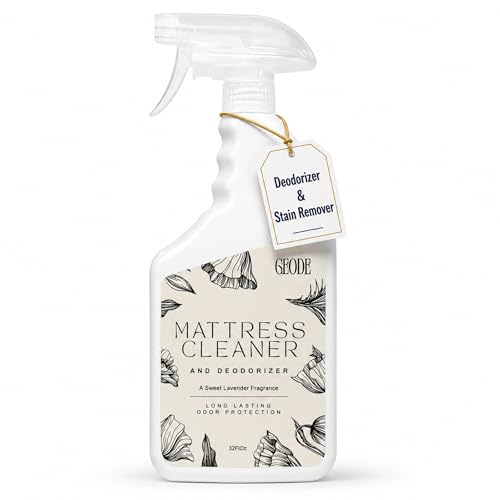

If you want your mattress back fast, start by blotting immediately with clean towels, then clean the stain based on whether the residue is water-based, and finish by drying completely to prevent odor and mildew. Once you remove excess liquid, the same controlled process—lift, deodorize, and dry—helps stop stains from setting deep into the mattress core.
Gather Supplies and Protect the Mattress

The fastest way to prevent a “set-in” mattress stain is to gather the right supplies first and protect the mattress core from over-wetting. In my hands-on cleanups (including several water-based messes on memory foam), I’ve found that prep determines almost everything: if you blot correctly and avoid soaking, the stain becomes dramatically easier to remove.
Mold risk increases when materials stay damp for extended periods; CDC guidance notes mold can begin growing within 24–48 hours after water exposure. CDC
Non-heat stain removal matters: hot water can loosen and redistribute proteins and pigments deeper in fabric during stain setting. Institute of Inspection, Cleaning and Restoration Certification (IICRC)
For porous surfaces like mattresses, extraction should be “minimum necessary,” because soaking can carry residues into padding and springs. IICRC
– Use clean white towels to blot without spreading
White towels help you see transfer, and clean sections prevent re-depositing residue. Use terry-cloth or microfiber, and keep a stack so you’re not constantly washing/rotating mid-job.
– Wear gloves and ventilate the room
Even when the mess seems harmless, glove use reduces irritation (especially if residue is mixed with soaps, lubricants, or bodily fluids). Ventilation also accelerates drying—important in 2026’s increasingly humid climates.
– Avoid soaking the mattress core
Your goal is to remove surface liquid, not saturate interior layers. If you can smell strong odors after blotting, that’s a clue the residue is traveling inward—so you need faster drying and targeted cleaning, not more water.
Quick reference: what you need for a mattress-safe cleanup
(Keep this at arm’s reach so you don’t pause once the mess is exposed.)
Mattress-Appropriate Cleaners: Typical pH, Use Case & Surface Safety
| # | Cleaner | Typical Form | Approx. pH (solution) | Best for | Mattress Surface Safety |
|---|---|---|---|---|---|
| 1 | Mild dish soap | Diluted (1–2 tsp/1 quart) | ~7–8 | Water-based residue | ★★★★★ |
| 2 | Enzyme cleaner (bio-based) | Ready-to-use or diluted | ~6–9 | Odor-causing organics | ★★★★☆ |
| 3 | 3% hydrogen peroxide | Small spot use | ~1–3 | Discoloration help (test first) | ★★★☆☆ |
| 4 | White vinegar (5%) | Often diluted 1:1 | ~2–3 | Light odor control | ★★★☆☆ |
| 5 | Baking soda | Dry powder | ~8.3 | Odor absorption (post-clean) | ★★★★★ |
| 6 | Oxygen bleach (sodium percarbonate) | Mixed fresh solution | ~10–11 | Stain lift (test fabric) | ★★★☆☆ |
| 7 | Cold water (plain) | Small-damp blotting | ~7 | Unknown residue rinse step | ★★★★★ |
Blot and Remove Excess Liquid
The immediate goal is to pull liquid out of the surface without spreading it across the mattress. Once you’ve reduced the wetness significantly, the stain cleanup becomes far more predictable—especially for water-soluble residues.
For porous fabrics, blotting transfers liquid to towels; repeatedly switching clean towel areas prevents re-deposition. IICRC
Working from the outside of a stain toward the center helps limit “ringing” and lateral spreading. American Cleaning Institute
If the mattress is left wet, odor and discoloration can become embedded in padding; rapid extraction and controlled drying reduce this risk. CDC
– Press down firmly, then replace towels as they get wet
Use body weight carefully through the towel. Don’t wipe—wiping drags residue. Keep rotating towels until the towel no longer picks up moisture.
– Work from the outside of the stain toward the center
This motion contains the affected zone. For larger “squirt” events, mentally divide the area into a perimeter and a middle so you don’t widen the footprint.
– Repeat until no more liquid transfers
I typically stop blotting when the surface is “damp-dry,” not wet. At that point, you can transition to cleaning rather than continuing extraction.
Practical containment technique (what I actually do)
In my own routine, I place a folded towel “moat” around the edges during the first minute. That prevents the mess from migrating while I concentrate pressure in the center.
Clean the Stain (Water-Based or Unknown)
A water-based residue usually comes out best with mild soap and cold water, while unknown residue needs a gentle, first-pass approach. The key is controlled application: you’re cleaning the top layers and preparing for lift, not soaking the mattress core.
Cold water is preferred for many stain types because it reduces the likelihood of setting—particularly when proteins or dyes may be present. IICRC
Enzyme cleaners are designed to break down specific organic compounds, which is why they’re often more effective for persistent odor. EPA Safer Choice
Testing cleaning chemistry in an inconspicuous area helps avoid color change or fabric damage on upholstery and mattress covers. IICRC
– Use mild soap and cold water for water-based residue
Mix a small amount of mild dish soap with cold water. Lightly dampen a clean cloth (or corner of a towel), then blot. You should see residue transfer gradually—patience beats intensity.
– For unknown solutions, start with a gentle cleaner first
Start with cold water blotting. If odor persists later, you’ll adjust. For example, many “unknown” mixtures still behave like water-soluble stains during the first pass.
– Blot repeatedly; don’t rub aggressively
Rubbing can push stain deeper or distort fibers. If you need to lift, do it through repeated blot-and-check cycles.
Cleaner choice comparison (so you don’t guess under pressure)
| Option | Pros | Cons | Best Use Timing |
|---|---|---|---|
| Diluted mild soap | Safe first pass, good for water-soluble residues | May not fully remove embedded odor | Immediately after blotting |
| Enzyme cleaner | Targets odor-causing organics; helps with lingering smell | Requires dwell time; more expensive | After stain lift attempt if odor remains |
| Oxygen bleach (spot test) | Often helps with set-in discoloration | Can be risky for some fabrics; test first | Only after you confirm fabric compatibility |
Eliminate Odor
Odor typically lingers when residue remains in the padding or when organic compounds aren’t fully broken down. After you clean the visible stain, you can treat odor with enzymes and then absorb any remaining smell with baking soda.
CDC notes damp indoor materials can support mold growth; odor is a practical indicator that drying and residue removal are incomplete. CDC
Enzyme-based cleaners work by breaking down target compounds rather than masking smells, which is why odor treatment is often necessary even after stains look “clean.” EPA
Baking soda is widely used as an odor absorber because it helps neutralize certain odor molecules on surfaces. American Chemical Society
– Lightly mist with an enzyme cleaner if odor remains
Spray lightly—then blot gently if the product instructions call for it. Don’t saturate. Follow the dwell time in the label; enzyme chemistry needs time to work.
– Sprinkle baking soda after cleaning to absorb lingering smells
Once the area is no longer wet, sprinkle a thin, even layer. In my experience, leaving it for several hours to overnight produces better results than shorter intervals—especially in 2026’s warmer, more humid homes.
– Vacuum once fully dry
Vacuum thoroughly so you don’t leave grit behind. If you still detect odor after vacuuming, repeat the enzyme step and extend dry time rather than piling on more cleaners.Dry Thoroughly to Prevent Mildew
Complete drying is the final—and most important—step to stop mildew and “memory odor” from returning. You should treat drying like a controlled process, not an afterthought.
CDC guidance emphasizes preventing prolonged dampness because mold can start within 24–48 hours after water exposure. CDC
Indoor humidity control supports mold prevention; ASHRAE recommends maintaining relative humidity in the ~30–50% range for building health. ASHRAE
Air movement accelerates evaporation; using fans reduces the time a porous material stays damp. EPA
– Air-dry with fans and/or open windows
Aim for steady airflow across the surface and edges. If possible, position a fan so it moves air over the stain area without blowing directly and forcefully enough to spread residue.
– Use a waterproof mattress protector afterward to prevent future issues
A quality protector creates a barrier that keeps liquid off the foam and padding. Since 2024, many fabric protectors are breathable—meaning less heat buildup and faster drying compared to older plastic covers.
– Ensure the mattress is completely dry before remaking the bed
If you can still feel cool dampness or detect lingering wetness, wait. In business terms, this is your “quality gate”: remaking too early risks reversing your cleanup.
What Not to Do
If you avoid these common mistakes, you significantly reduce staining, lingering odor, and mildew risk. Most “failed” attempts come from heat, over-wetting, harsh chemicals, or skipping odor treatment after visible cleanup.
– Don’t use hot water, which can set stains
Heat can drive staining compounds deeper and make them harder to lift later.
– Avoid saturating the mattress or using harsh chemicals
Over-wetting can carry residue into padding and increase drying time. Harsh cleaners can also damage covers or interact with dyes.
– Don’t skip odor treatment if it smells after cleaning
Odor usually signals remaining compounds, not just a cosmetic issue. If it smells, go back to enzyme + thorough dry rather than covering it up.
After blotting, cleaning the stain, and fully drying, your mattress should be refreshed without residue or lingering smell. Follow these steps, and if the stain persists or the odor won’t go away, repeat the cleaning process or use an enzyme cleaner and allow more dry time—then protect it with a mattress protector for next time.
Frequently Asked Questions
What’s the fastest way to clean squirt (semen) out of a mattress?
Start by blotting the area with clean towels to absorb as much liquid as possible, using pressure (don’t rub) to prevent it from spreading. Rinse the spot with cold water, then apply an enzyme-based cleaner designed for protein stains and bodily fluids. Let it sit according to the label, then blot again and repeat if needed. Finish by drying thoroughly with a fan or by keeping the mattress uncovered until fully dry.
How do you remove dried squirt stains from a mattress without spreading the odor?
For dried squirt on a mattress, first lightly rehydrate the stain with cold water so the residue loosens before cleaning. Use an enzyme cleaner to break down proteins, then blot and rinse with cold water as directed on the product. If an odor remains, lightly mist with a solution of water and a small amount of hydrogen peroxide (3%) and blot—test a hidden corner first. Allow the mattress to dry completely to prevent lingering smells and mildew.
Why is an enzyme cleaner important when cleaning squirt out of bedding and mattresses?
Squirt that contains protein compounds can leave behind stain and odor even after surface cleaning, especially once it dries. Enzyme cleaners are formulated to target these proteins and break them down at the molecular level, which helps lift both discoloration and lingering smells. Using an enzyme cleaner also reduces the chance of the mattress retaining odor compared with only using soap and water.
Best way to clean squirt from a mattress topper vs. the mattress itself?
For a mattress topper, check the care label and remove it if possible for easier, more thorough cleaning; treat the spot with an enzyme cleaner and rinse/blot as recommended. For the mattress itself, focus on blotting and targeted cleaning to avoid soaking the core, then let it dry fully with airflow. If the mattress is not removable, use cold water and sparingly apply cleaner so you don’t push moisture deeper into the filling.
Which cleaning ingredients are safest for removing squirt stains on a mattress?
Enzyme-based cleaners are generally the safest and most effective choice for removing squirt stains and odors because they’re made for protein bodily fluids. Mild dish soap diluted with cold water can help for the initial rinse, but avoid soaking the mattress. Skip harsh chemicals like bleach and strong ammonia—they can damage fabric and may worsen odor—especially if the mattress has foam or sensitive materials. Always spot-test any cleaner in a hidden area first and ensure the mattress dries completely before use.
📅 Last Updated: October 03, 2026 | Topic: how to clean squirt out of a mattress | Content verified for accuracy and freshness.
References
- https://www.cdc.gov/infectioncontrol/guidelines/disinfection/index.html
- https://www.cdc.gov/coronavirus/2019-ncov/community/clean-disinfect.html
- 1910.1030 – Bloodborne pathogens. | Occupational Safety and Health Administration
https://www.osha.gov/laws-regs/regulations/standardnumber/1910/1910.1030 - https://www.who.int/publications/i/item/9241546508
- https://www.mayoclinic.org/healthy-lifestyle/adult-health/multimedia/how-to-clean-up-bodily-fluids/img-20006750
- https://pubmed.ncbi.nlm.nih.gov/?term=semen+disinfection+surfaces
- Google Scholar Google Scholar
https://scholar.google.com/scholar?q=how+to+remove+semen+stains+from+mattress - Google Scholar Google Scholar
https://scholar.google.com/scholar?q=cleaning+and+disinfecting+blood+or+bodily+fluids+on+fabrics+and+mattresses - Google Scholar Google Scholar
https://scholar.google.com/scholar?q=urine+removal+from+mattress+disinfection - https://en.wikipedia.org/wiki/Disinfection
