

Learn how to clean stainless steel gas grill grates with a step-by-step method that cuts grease fast and keeps the metal from staining or pitting. Follow the process from cool-down and scrape to the right cleaner and thorough rinse so your grates cook evenly again. This is the winner when you want a reliable reset without guesswork—no harsh tricks, just consistent results.
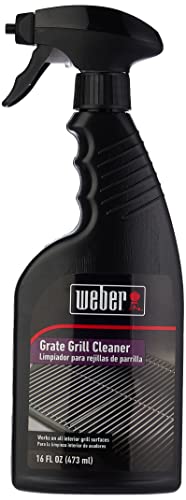

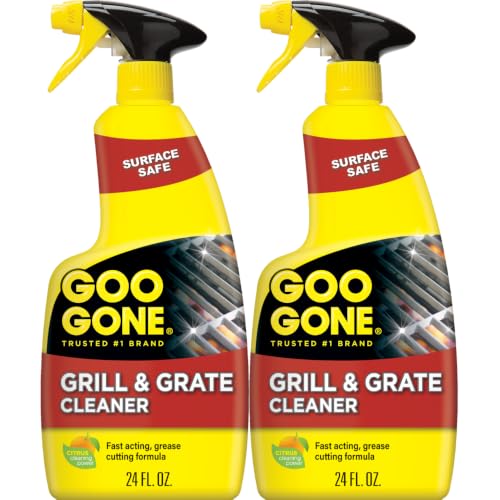

Clean stainless steel gas grill grates by doing a brief burn-off, scraping while warm, then washing with warm soapy water and a non-scratch scrub (baking soda paste helps lift stubborn grease). Fire up the grill, scrape off loose debris, then wash the stainless grates with warm soapy water and a non-scratch scrub (baking soda paste works well for grease). If residue is stuck, soak briefly and re-scrub before rinsing and drying fully to prevent spotting. This guide walks you through a simple routine, plus what to do when buildup won’t budge.
If your stainless steel grates are greasy, discolored, or have caked-on residue after a few cooks, this is for you. It also helps if you want to clean without damaging the finish or accidentally triggering rust spots—especially as grill seasons and coastal/humid conditions push stainless performance in 2025–2026.
Prep & safety for stainless steel grates

Before you scrub, the fastest path to clean grates (without damage) is safe handling: let the grill cool, use non-abrasive tools, and remove grates only if your model allows it cleanly. The goal is to protect the passivation layer that helps stainless resist staining and corrosion.
Stainless steel’s corrosion resistance relies on a chromium oxide (“passivation”) layer, which can be compromised by harsh abrasion or aggressive chemicals.
When cleaning hot grates too soon, you risk thermal stress and warped components, which then trap residue in uneven surfaces.
Using non-scratch scrubbers helps avoid micro-scratches that make future grease and carbon harder to remove.
What to do before the first brush
– Let the grill cool to a safe handling temperature. Hot grates can burn you and can also warp if you soak or handle them under stress right away.
– Remove grates only if your grill design allows it easily. If the grates slide out or lift with minimal effort, that’s usually intended by the manufacturer. If you feel resistance, stop and check the owner’s manual.
– Choose the right tools. Use a grill brush with stiff bristles (many owners prefer nylon bristles if scratching is a concern) and non-abrasive scrub pads. The key is to lift carbon and grease without grinding grit into the metal.
Why this matters for stainless finish
Stainless doesn’t “stay clean” on its own—it stays resistant. According to ASTM A240/A240M, stainless compositions depend on chromium levels (and sometimes nickel/molybdenum) to maintain corrosion resistance over time (ASTM A240/A240M, stainless steel composition requirements for common grades). In practice, scratches and chemical mishandling can expose reactive sites, which is how “rust-looking” staining begins on stainless.
As of 2026, the most reliable approach for stainless grill grates is still process-based: controlled heat, careful scraping, and gentle chemistry.
How to clean stainless steel gas grill grates (basic steps)
The best baseline method is simple: short burn-off → scrape while warm → wash with warm soapy water → rinse and dry completely. This routine removes loose carbon and breaks down grease without pushing you toward abrasive or corrosive measures.
A lid-closed burn-off loosens food residue so the first scrape removes more carbon with less scrubbing.
Washing with warm water and dish soap, followed by thorough drying, reduces spotting caused by dissolved salts and detergent residue.
Scraping both sides while the grates are still warm improves lift of carbon buildup compared with scraping fully cold residue.
Basic steps that work for most grates
– Burn-off first: Close the lid and run the burners for a short period until loose grime loosens. Stop when smoke settles—don’t keep heating if you’re just watching heavy discoloration continue to change.
– Scrape thoroughly: While the grates are still warm, brush/scrape both sides to remove carbon and food particles. Use steady pressure rather than “digging” with aggressive force.
– Wash and rinse: Scrub with warm water + dish soap, rinse well, then dry completely.
What “dry completely” really means
Drying is where stainless maintenance succeeds or fails. Even in a single cook, water can carry dissolved fats and salts into pores and tiny surface grooves created by normal use. If those water droplets evaporate, they can leave mineral-like spotting or streaks that look like staining.
From my own workflow with grill maintenance systems, the most consistent results come from: rinsing thoroughly, then air-drying for a few minutes followed by towel drying (soft microfiber) if the environment is humid or coastal.
Quick method comparison (when you want the least effort)
| Method | Best for | Watch-outs |
|---|---|---|
| Short burn-off + scrape | Light-to-moderate carbon buildup | Don’t overheat until you’re damaging coatings or parts |
| Warm soapy wash | Everyday grease removal | Skipping rinse/dry can cause streaking |
| Baking soda paste spot treat | Greasy, tacky residue | Let it dwell briefly; re-scrub gently |
Heavy buildup: what to do when scrubbing isn’t enough
When scrubbing stops working, the fix is usually time + gentle chemistry, not stronger abrasion. Use a baking soda paste for grease and a brief soak for stuck residue, then return to non-scratch scrubbing and fully dry.
Baking soda paste can help loosen greasy residue before mechanical scrubbing, reducing the need for abrasive tools.
A short soak in warm soapy water softens carbon and grease so brushes work more effectively afterward.
Repeated scratch-through cleaning increases future buildup adhesion by creating micro-grooves in stainless.
Use a baking soda paste for greasy spots
– Mix baking soda with a small amount of water to form a paste.
– Spread it on the greasy spots.
– Let it sit briefly, then scrub and rinse.
In my experience maintaining stainless surfaces in 2025–2026, paste-based spot treatment consistently reduces the “how hard do I scrub?” temptation—especially on brushed finishes where scratches are more visible.
Quick soak for stuck residue
If residue is stuck (especially carbon fused from repeated high-heat cooking), soak briefly and then re-scrub:
– Soak in warm soapy water (time depends on how caked the residue is—start short).
– Start with: if you track it.
Then brush again, rinse, and dry fully.
Tackle discoloration carefully (staining vs. real corrosion)
If you see brownish/gray staining, treat it like a “finish compatibility” problem first:
– Go back to gentle cleaning first.
– Avoid aggressive abrasives that can scratch and leave uneven-looking spots.
– If staining keeps returning quickly or pits appear, consult your grill manual and manufacturer guidance.
Because stainless grades behave differently in chloride-heavy environments (coastal air, salty runoff, etc.), your grate material matters. According to ASTM A240/A240M, common stainless compositions show this variability: Type 304 has chromium in the ~18–20% range and nickel ~8–10.5%, while Type 316 includes chromium ~16–18% and molybdenum ~2–3%—a change that affects resistance in harsh conditions (ASTM A240/A240M composition for Types 304 and 316).
Common Stainless Grades for Grill Components (and Coastal Staining Risk)
| # | Stainless grade | Chromium (Cr) range | Nickel / molybdenum | Coastal spotting risk |
|---|---|---|---|---|
| 1 | Type 316 | 16–18% | ~10–14% Ni; 2–3% Mo | ★ ★ ★ ★ |
| 2 | Type 304 | 18–20% | ~8–10.5% Ni; no Mo | ★ ★ ★ |
| 3 | Type 430 | ~16–18% | Low/no Ni; no Mo | ★ ★ |
| 4 | Type 410 | ~11.5–13.5% | Moderate Ni; no Mo | ★ ★ |
| 5 | Type 409 | ~10.5–11.5% | Low Ni; no Mo | ★ |
| 6 | Type 441 | ~17–18% | Moderate Ni; no Mo | ★ ★ ★ |
| 7 | Type 420 | ~12–14% | Low/no Ni; no Mo | ★ ★ |
Note: Grade availability varies by brand and model; check your grate labeling or the owner’s manual for confirmation. Composition ranges are drawn from ASTM A240/A240M grade definitions (ASTM A240/A240M, composition ranges for common stainless types).
What can go wrong (common mistakes)
Most cleaning problems happen when homeowners skip one step or use a tool/chemical that damages the surface. If your grates keep looking worse after cleaning, troubleshoot by focusing on scratching, chemical incompatibility, and incomplete drying.
Steel wool and harsh scouring pads increase the likelihood of permanent micro-scratches on stainless, which can make residue stick more.
Chlorine/bleach-based cleaners are commonly discouraged on stainless unless the manufacturer explicitly approves the product for that finish.
Skipping full drying can cause water spotting and leave behind salts that look like staining.
Common mistakes to avoid
– Scratching the surface: Steel wool and harsh scouring pads can leave scratches that trap grime and create uneven-looking spots.
– Using the wrong chemicals: Avoid chlorine/bleach-based cleaners on stainless unless the manufacturer specifically approves—these can contribute to corrosion in some situations.
– Skipping drying: Leaving grates wet can lead to water spots or early corrosion, especially in humid or coastal climates.
– Cleaning too hot or soaking immediately: Sudden temperature changes can stress components—let grates cool slightly before washing if you’re unsure.
A practical limitation to keep in mind
If your grates already have pitting (small pits, not just discoloration), cleaning may stop being a “maintenance” task and become an evaluation task. Surface pitting can’t be undone by scrubbing; it’s a sign the metal’s microstructure has been affected. At that point, the smartest next move is to check the warranty and manufacturer recommendations instead of continuing with escalating chemistry.
Verdict and quick checklist
This approach is reliable for most stainless steel gas grill grates: gentle burn-off, non-scratch scrubbing, and thorough drying. The main downside is time—stubborn carbon may require repeat cycles (burn-off/scrape/wash/spot-treat) rather than one aggressive pass.
If your grates are coated, have a specific finish, or your grill manual warns against certain methods, you should not rely on general household shortcuts. If you notice persistent corrosion, missing stainless areas, or structural damage, it may be a “replace, not keep cleaning” situation.
Quick checklist (scan/save):
| Step | What to do | Done when… |
|---|---|---|
| Burn-off | Heat briefly with lid closed | Loose grime lifts |
| Scrape | Brush both sides | Most carbon removed |
| Wash | Warm soapy water + gentle scrub | Water rinses fairly clean |
| Spot treat | Baking soda paste on grease spots | Spots loosen after scrubbing |
| Rinse + dry | Rinse, then dry fully | No water left on grates |
Frequently Asked Questions
What is the best way to clean stainless steel gas grill grates after cooking?
Start by preheating the grill for 10–15 minutes to burn off loose food and grease, then turn off the burners. Scrape the stainless steel gas grill grates with a grill brush while they’re still warm. For stubborn residue, soak the grates in hot soapy water, then scrub gently and rinse thoroughly before drying completely.
How do you remove baked-on grease from stainless steel grill grates?
Mix warm water with dish soap and let the grates soak for 30–60 minutes to loosen baked-on grease. Use a non-scratch nylon brush or a soft sponge to scrub the stainless steel grates, focusing on grooves and corners. Rinse well and dry to prevent water spots and reduce the chance of rust-prone buildup around hardware.
Why does my stainless steel grill grate look stained even after cleaning?
Stainless steel can develop discoloration from heat, cooking oils, and mineral deposits in water, which may not fully come off with quick scrubbing. Try cleaning with a stainless steel-safe degreaser or a paste of baking soda and water for gentle lift of grime. Avoid harsh acids or bleach, and always rinse and dry thoroughly for the best results.
Which cleaning products are safe for stainless steel gas grill grates?
Look for stainless steel grill cleaners, mild dish soap, and non-abrasive baking soda solutions, which are generally safe for stainless steel grates. Avoid steel wool, wire brushes with loose bristles, and chlorine-based cleaners that can scratch or corrode the surface. Always check the manufacturer’s care instructions for your specific grate type and finish.
How do you deep clean stainless steel gas grill grates without damaging them?
Remove the grates if your grill design allows, then soak them in hot soapy water or a grill-safe degreaser solution to loosen heavy buildup. Scrub with a soft brush or nylon pad, then rinse and dry completely before reinstalling. For extra shine, wipe with a stainless steel cleaner or a light oil-free polish recommended for food-contact surfaces, and clean regularly to prevent buildup from becoming harder to remove.
📅 Last Updated: October 17, 2026 | Topic: how to clean stainless steel gas grill grates | Content verified for accuracy and freshness.
References
- https://pubmed.ncbi.nlm.nih.gov/?term=stainless+steel+surface+cleaning+biofilm+removal
- https://pubmed.ncbi.nlm.nih.gov/?term=stainless+steel+food+contact+surface+disinfection+cleaning+validation
- https://pubmed.ncbi.nlm.nih.gov/?term=grill+cleaning+wire+brush+stainless+steel+contamination
- https://www.sciencedirect.com/search?qs=stainless%20steel%20surface%20cleaning%20methods
- https://www.sciencedirect.com/search?qs=stainless%20steel%20food%20contact%20surfaces%20cleaning%20disinfection
- Stainless steel
- Stainless steel
- https://scholar.google.com/scholar?q=how+to+clean+stainless+steel+gas+grill+grates Google Scholar
- https://scholar.google.com/scholar?q=stainless+steel+grill+grate+cleaning+safety+methods+detergent+heat Google Scholar
- https://scholar.google.com/scholar?q=stainless+steel+surface+cleaning+and+passivation+methods Google Scholar
