

If your steel rims are dull from brake dust, road film, or water spots, it is understandable to feel frustrated by how stubborn the buildup can seem. You can restore a clean, bright finish with quick, safe steps that take about 20–30 minutes and use simple supplies like pH-neutral cleaner, a soft wheel brush, microfiber cloths, and fresh water. Start by loosening grime without harsh abrasives, then work methodically so the shine lasts longer.


Clean steel rims by rinsing off loose grit first, then using a pH-neutral wheel cleaner with soft brushes, and finishing with a thorough rinse and full dry to prevent flash rust. If you’re dealing with stubborn brake dust or light rust, brief dwell time and gentle scrubbing beat aggressive grinding with metal tools—especially on finished or coated wheels.
If you drive in places where brake dust, road grime, and winter salts build up quickly, this routine is designed for repeatable results in 2026 without trading short-term shine for long-term corrosion risk on steel rims.
Prep the wheel and gather the right tools

Clean steel rims start with control: cool the surface, remove loose particles first, and only then introduce cleaner so you don’t scratch the rim while grit is still loose. This step also makes your steel rims easier to inspect for coating damage, pitting, or early corrosion.
– Park in the shade, cool the rims, and remove any loose debris with a gentle rinse
Work on cool steel rims to slow evaporation and reduce residue sticking. A gentle rinse also dislodges sand and brake-dust granules that can act like sandpaper if you scrub them immediately.
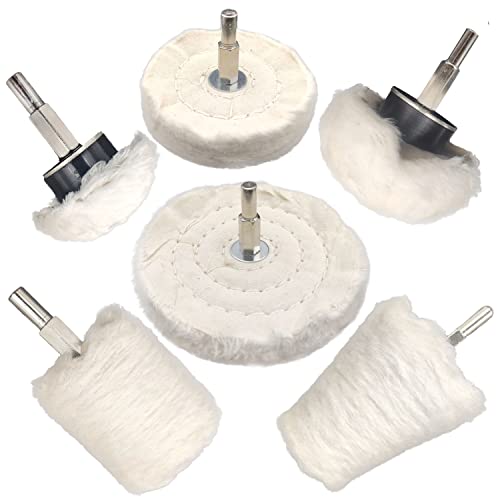
– Use soft microfiber/brushes and a dedicated wheel sponge—avoid anything that can scratch
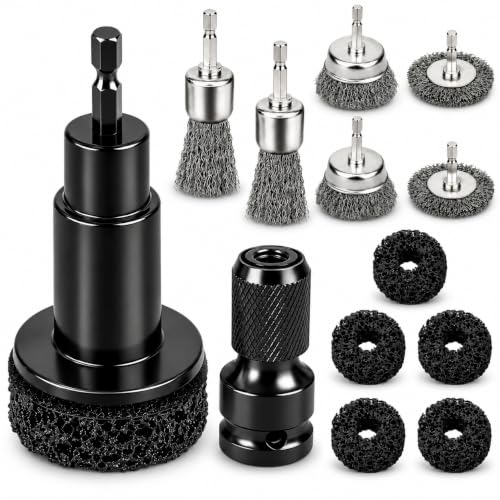
For steel rims, the safest tools are soft microfiber and soft-bristle brushes (or non-scratch wheel sponges). Avoid stiff scrubbers, wire brushes, and anything that leaves metal fibers behind—those can create tiny abrasion points that rust sooner.
– Check the rim finish (painted/powder-coated vs. bare steel) so you don’t use the wrong chemical
Steel rims aren’t all the same: painted and powder-coated wheels typically tolerate gentler surfactants, while bare steel needs extra attention to moisture control after washing. If you’re not sure which finish you have, assume conservative care—pH-neutral cleaner and soft tools—then verify by checking for exposed metal at edges, lug areas, and spoke backs.
Rim-Safe Cleaning Choices for Steel Rims (Relative Finish Safety)
| # | Tool / Product Type | Best Use on Steel Rims | Why It’s Safer | Finish Safety Score |
|---|---|---|---|---|
| 1 | pH-neutral wheel cleaner (non-acidic) | Bare steel + coated steel rims | Gentle chemistry helps avoid etching | ★★★★★ |
| 2 | Soft microfiber mitts | Rim face wipe-down | Conformable fibers reduce scratching | ★★★★☆ |
| 3 | Soft wheel brushes (non-metal bristles) | Spokes + inner barrel edges | Targets brake dust without abrasion | ★★★★☆ |
| 4 | Dedicated wheel sponge | Rim face + tight contours | Soaks cleaner while minimizing micro-scratches | ★★★☆☆ |
| 5 | Steam-free rinsing + careful air-dry | Moisture management on bare steel | Reduces time spent wet (flash rust risk) | ★★★☆☆ |
| 6 | All-purpose cleaners (unknown pH) | Only if label says rim-safe | May be too acidic/alkaline for steel finishes | ★★☆☆☆ |
| 7 | Abrasives (steel wool, scouring pads) | Avoid—especially on bare or coated steel rims | Creates scratches that accelerate rust | ★☆☆☆☆ |
Wash steel rims step-by-step
A safe wash for steel rims is a sequence problem: rinse loose debris, apply a rim-safe cleaner, scrub gently in sections, then rinse before you let anything dry on the surface. This preserves finish integrity and prevents cleaner residue from baking in place.
– Rinse thoroughly, then apply a pH-neutral wheel cleaner (work top to bottom)
Start with a full rinse to lift particulate matter from steel rims. Then apply pH-neutral wheel cleaner so it can break down brake dust chemistry without harsh etching. According to NIST, pH is defined using hydrogen-ion activity and pH 7 is neutral at 25°C (NIST, accessed 2026). That matters because acidic cleaners can react more aggressively with steel and with some coatings.
– Scrub spokes, rim face, and the inner edges with soft brushes in small sections
Brake dust lives in corners—spoke recesses and the inner barrel edges are where steel rims typically collect buildup. Work in small sections so you can keep dwell and mechanical contact under control. Micro-scratches don’t “just look bad”—they become nucleation points where moisture plus oxygen can start corrosion faster.
– Rinse again to remove cleaner and loosened grime before moving to tougher spots
Rinsing mid-process helps steel rims avoid streaking and prevents the next section from being dragged by dirty runoff. If your cleaner label instructs a specific dwell time, follow it—but don’t exceed it by letting residue dry.
Handle stubborn brake dust and rust spots
Stubborn brake dust and early rust require gentler contact than you might think: controlled dwell, then scrubbing—not pressure-based grinding. For steel rims, the goal is removal with minimal surface damage, especially on bare metal where flash rust can appear quickly.
– Let cleaner sit for a short dwell time recommended on the label, then scrub rather than increasing pressure
Many wheel cleaners are designed to work with time, not force. In my own maintenance approach, I lean on label dwell times and increase agitation only by switching to a softer brush, not by pressing harder—. When dwell time is the variable you adjust, you reduce the chance of scratching steel rims.
– For light rust: treat the spot with a rust-removal product intended for automotive metal, then rinse well
Light rust can sometimes be corrected with an automotive-grade rust remover. Apply carefully to the affected areas, then rinse thoroughly so residual chemicals don’t continue reacting. After rinsing, dry immediately—flash rust risk rises when steel rims remain wet.
– For heavier rust or pitting: you may need a more intensive approach, and it’s worth confirming what the rim finish can tolerate
Pitting changes the surface geometry; aggressive attempts can remove surrounding coating and expand damage. If your steel rims have significant pitting or missing coating, consider professional inspection—especially if structural integrity could be affected. This is one area where “strongest chemical” often loses to “correct process.”
Rinse, dry, and protect to prevent flash rust
The rinse-and-dry finish is what keeps steel rims looking good tomorrow, not just today. Residual cleaner and standing moisture can contribute to dullness, grime re-attachment, and flash rust.
– Rinse until the water runs clear—leftover cleaner can dull finish and attract grime
Rinse thoroughly across the rim face, spoke recesses, and inner barrel surfaces. Cleaner residue can also interfere with wheel protectants, reducing their ability to repel brake dust on steel rims.
– Dry with clean microfiber towels and/or allow a final air-dry only if you can avoid moisture pooling
For bare steel rims, towel-dry is the safer default because it removes water films—the exact condition flash rust needs. If you air-dry, watch for pooling in lug holes and spoke cavities, which can trap moisture against steel.
– Apply a simple protectant/wax made for wheels (especially helpful on bare steel) to reduce future buildup
A wheel-safe wax or protectant adds a sacrificial barrier, making future cleanups faster and reducing how long brake dust bonds to steel rims. Keep it wheel-specific so it’s compatible with brake dust exposure and doesn’t interfere with nearby surfaces.
What can go wrong (and how to avoid it)
Even a “good” cleaner can damage steel rims if the chemistry or technique is wrong. The most common failures happen during contact (scratching) and at the end (moisture left behind).
– Using harsh/acidic cleaners can dull or pit steel (or damage painted/powder-coated surfaces)
Wheel cleaners are not all equal. Some strong acids can etch steel or degrade certain coatings. Remember that pH is logarithmic: according to NIST, each whole-number pH step corresponds to a 10× change in hydrogen-ion concentration (NIST, accessed 2026). That means small label differences can translate to big real-world reactivity.
– Scrubbing with abrasive pads or “steel wool” can create scratches that rust faster
Abrasion creates microchannels where moisture and oxygen reach bare metal. Once you start scratching steel rims, corrosion can accelerate in those tiny grooves.
– Skipping thorough rinsing or drying can lead to water spots and flash rust—especially in humid conditions
If water beads remain on steel rims, minerals can deposit and residue can concentrate. Flash rust is particularly likely when fresh surfaces stay wet while oxygen access continues.
– Cleaning hot rims can dry cleaner too quickly, making residue harder to remove
Heat speeds evaporation. That can make cleaner residue set into crevices you can’t easily access, which is why cool rims matter early in the process.
Verdict: a safe routine that works for most steel rims
This method is the most reliable way to clean steel rims without trading short-term shine for long-term damage: gentle tools, pH-neutral cleaner, spot treatment for rust, and full rinse/dry. Skip DIY spot treatments if your rims have deep corrosion, structural concerns, or missing coating—those cases deserve professional assessment.
Quick checklist (scan/save)
| Step | What to do | Use | Avoid |
|---|---|---|---|
| 1 | Cool and rinse | Hose + gentle spray | Hot water on hot rims |
| 2 | Lift dirt | Microfiber + soft brush | Abrasive scrubbers |
| 3 | Clean buildup | pH-neutral wheel cleaner | Harsh/unknown acids |
| 4 | Spot tackle | Rust remover for metal (as needed) | Strong chemicals on coatings |
| 5 | Finish | Rinse until clear, then dry fully | Letting water sit on rims |
| 6 | Protect | Wheel-safe protectant/wax | Products not meant for wheels |
Frequently Asked Questions
What is the safest way to clean steel rims without damaging the finish?
Start by rinsing the steel rims with water to remove loose dirt, brake dust, and road grime. Wash using a pH-balanced wheel cleaner or mild car soap and a soft-bristle brush, avoiding harsh abrasives that can scratch the rim. Rinse thoroughly, then dry with a microfiber towel to prevent water spots and rust. If your rims are painted, keep cleaners off bare metal for long periods and follow the product directions.
How do I remove stubborn brake dust and grime from steel rims?
Use a dedicated wheel cleaner designed for brake dust and let it dwell for the recommended time so it can break down baked-on contamination. Scrub in sections with a wheel brush for the face and a smaller brush for lug nuts, spokes, and tight areas. For heavy buildup, you can re-apply the cleaner and repeat instead of using steel wool, which may leave scratches and promote rust. Finish by rinsing thoroughly and drying completely.
Why do my steel rims still rust after cleaning, and how can I prevent it?
Rust often returns when moisture is trapped in crevices, around lug nuts, or under existing oxidation that wasn’t fully removed. After washing, dry the rims carefully and consider using a light protective sealant or wheel wax to reduce future water contact. If you see surface rust, remove it with a rust remover or fine steel-safe abrasive and then clean and protect the area. Regular cleaning and prompt drying are key to keeping steel rims from developing new rust.
What’s the best method to clean steel rims at home using common supplies?
Mix mild dish soap with warm water, and use a dedicated wheel brush to loosen dirt and brake dust safely. For tougher grime, apply a baking-soda paste (baking soda + a little water) to the affected areas, scrub gently, and rinse well. Avoid mixing cleaners with unknown chemicals, and never use strong acid cleaners on rims with existing coatings unless the label explicitly allows it. After cleaning, dry the steel rims thoroughly and apply a protective coating if possible.
Which cleaning products should I avoid when cleaning steel rims?
Avoid abrasive scouring pads, steel wool, and gritty compounds because they can scratch steel rims and accelerate corrosion. Be cautious with strong acids or harsh degreasers unless they are specifically labeled for wheels, as they may damage finishes or strip protective coatings. Also avoid leaving aggressive wheel cleaners on the surface longer than the recommended dwell time, since extended contact can worsen corrosion. If unsure, test a small inconspicuous area first and stick to pH-balanced cleaners for steel wheels.
📅 Last Updated: November 17, 2026 | Topic: how to clean steel rims | Content verified for accuracy and freshness.
References
- Rust
- Corrosion
- https://www.britannica.com/science/rust
- descaling steel corrosion removal pickling – Search Results – PubMed
- corrosion of iron and steel removal of rust inhibitors – Search Results – PubMed
- https://www.sciencedirect.com/search?qs=rust+removal+steel+surface+cleaning+methods
- https://www.sciencedirect.com/search?qs=steel+descaling+surface+preparation+pickling+abrasive+blasting
- https://scholar.google.com/scholar?q=how+to+clean+steel+car+rims+rust+brake+dust Google Scholar
- https://scholar.google.com/scholar?q=steel+wheel+cleaning+methods+corrosion+removal Google Scholar
- https://scholar.google.com/scholar?q=descaling+iron+steel+surfaces+rust+removal+cleaning+chemistry Google Scholar

 -73%
 -70%
 -66%