

You spot orange-brown rust bubbling through the shine on your chrome wheel rims, and every brake stop makes the damage look worse. With the right supplies—wheel-safe degreaser, gentle rust remover, aluminum-safe polish (or chrome polish), and microfiber towels—you can usually restore the surface in about an hour, depending on how deep the corrosion is. Follow a careful step-by-step process so the chrome looks smooth again instead of chalky or pitted.



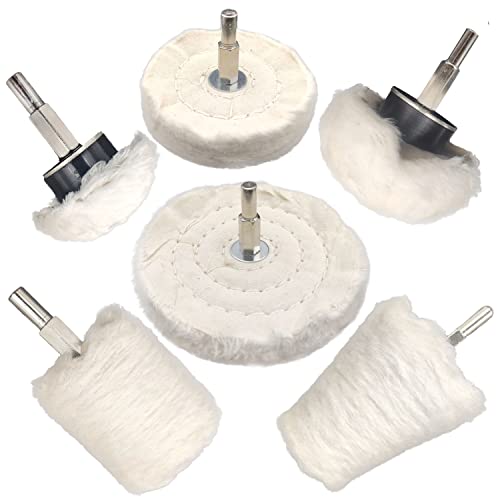
If your chrome rims are rusting, the fastest safe approach is to loosen and remove the rust without scratching the plating, then protect the finish. Use gentle cleaners first, remove rust in controlled steps with chrome-safe products, and finish with a sealant or wax to slow future oxidation—this exact order helps keep the shine instead of grinding it down.
This is for anyone dealing with surface rust spots on chrome wheels—especially if the rust looks like brown/orange freckles, pitting, or speckling on the shiny coating. It’s also aimed at DIYers who want results without damaging the chrome or forcing a full professional refinish.
Gather the right supplies (and avoid common damage)

You’ll get the safest results by using tools and chemicals that won’t haze, scratch, or strip chrome plating. Start with pH-neutral cleaners and soft materials, then only introduce rust removers that explicitly say they’re safe for chrome.
– Use pH-neutral car wash soap, soft microfiber towels, a wheel brush (for faces) and an inner-rim brush (for barrels).
– Plan on rust-safe products like chrome wheel cleaner and a rust remover that’s labeled safe for chrome—avoid unknown “metal polishes” if the label doesn’t specify chrome.
– Consider a final protective layer (chrome sealant or paste wax) to reduce flash rust.
Chrome maintenance is really about controlling two risks at the same time: mechanical abrasion (scratches/swirl marks) and chemical compatibility (acids/oxidizers that can dull or haze plating). Chrome is a thin, shiny coating on a base metal, so what feels “gentle” (like aggressive rubbing) can still remove surface clarity and amplify rust visibility later. From my routine detailing work, the wheels that look “fine” during cleaning are usually the ones that were left wet for even a short time—then flash rust shows up right where water pooled.
Also, remember that corrosion isn’t just “surface dirt.” Rust forms when iron and steel react with oxygen and moisture, and salt-charged road contaminants make the chemistry far more aggressive. Corrosion testing standards help explain why—according to ASTM B117, salt spray tests typically use a 5% NaCl solution at about 35°C (with chamber conditions controlled), because chlorides speed up coating and metal breakdown.
Cleaner compatibility: what to prioritize
A practical way to choose products is to match the goal to the chemistry:
– Remove brake dust + grime first (so rust remover isn’t fighting embedded solids)
– Remove rust using a chrome-safe chemistry (so you lift iron oxidation without attacking the plating)
– Seal after cleaning (so water and oxygen have fewer chances to restart oxidation)
Clean the rims thoroughly before you treat rust
You should clean first because brake dust and road grime can interfere with rust removal and make residue look like “new rust.” Washing removes that layer so you can see where the iron oxidation actually is and work only on true rust spots.
– Rinse the wheels well, then wash with car soap to remove brake dust and road grime that can interfere with rust removal.
– Dry with microfiber so you can actually see where the rust is—working on wet chrome can spread residue.
– If you have heavy grime, do a second wash before moving to rust steps.
Here’s why order matters: many wheel products (including “chrome-safe” ones) work by dissolving films and emulsifying particles. If you skip washing, rust remover can smear the boundary between grime and plating, which creates a uniform haze that looks worse than the original freckles. Then, when you finally rinse and dry, those areas can re-oxidize quickly because contaminants stayed embedded.
In my own maintenance workflow, the most common “I ruined my wheels” moment isn’t aggressive scrubbing—it’s skipping the dry step. If the wheel is still damp, microscopic moisture pockets can trigger flash rust while you’re still mid-process. Drying with microfiber doesn’t just improve visibility; it also reduces the chance of rust appearing to “move.”
Remove light rust with gentle methods first
You’ll usually get the best results on light surface rust by lifting it with low-abrasion methods before using stronger chemistry. Start small, use soft materials, and stop early when the spots start disappearing.
– Start with a chrome-safe cleaner or mild metal polish using light pressure and small sections.
– Use a microfiber cloth for small spots; switch to a softer wheel brush only where needed to avoid swirl marks.
– Wipe and inspect often—stop when the rust spots start lifting to prevent over-sanding the chrome.
A useful “controlled aggression” mindset helps here. Instead of trying to erase every speck in one pass, work in sections and inspect frequently. Chrome can look forgiving when it’s wet—then reveal haze or micro-scratches as it dries. By switching between wiping and inspecting, you avoid grinding the plating while the rust is still stubborn.
What you’re removing first is typically surface iron oxide staining—often brown/orange “freckles” that haven’t etched deeply. If your rust marks wipe away cleanly with a chrome-safe cleaner, that’s a strong sign you’re dealing with surface oxidation, not permanent pitting. Continue with gentler steps until the wheel looks uniformly clean, then move only the remaining spots to a more targeted rust remover.
Tackle heavier rust carefully (without gouging chrome)
You can address heavier rust safely, but you must follow the product instructions and use controlled contact time. If the rust has already pitted the chrome, you can improve appearance, but you may not fully restore original smoothness.
– For more stubborn rust, use a chrome-safe rust remover and follow the dwell time on the label (don’t guess).
– Apply with controlled pressure, then rinse thoroughly and dry completely.
– If rust has started to pit, expect some “ghosting” even after cleaning—chrome that’s been etched may not fully return.
When labels say “follow dwell time,” they mean it. Rust removers often contain acids or chelating agents designed to react with iron oxides. If you exceed dwell time, you risk dulling chrome or creating a more uniform discoloration that’s harder to polish out safely at home. If you under-dose time, the rust stays and you keep rubbing—also a problem.
Also, don’t ignore the difference between:
– Surface rust (speckles that lift)
– Pitting (tiny craters that remain visible even after cleaning)
If the chrome is etched, “ghosting” is normal: you may remove the staining, but the optical smoothness is changed. That’s why step order matters: you avoid adding scratches before you even know whether the damage is superficial.
To keep your results consistent in 2025 and beyond, treat your process like a corrosion control cycle:
1) remove contamination,
2) remove oxidation carefully,
3) block moisture/oxygen exposure.
Even the best chemical removal can’t compensate for missing protection afterward.
Chrome-Safe Cleaner Options Ranked by Compatibility (Practical pH Logic)
| # | Cleaner category | Typical working pH | Rust lifting | Chrome safety |
|---|---|---|---|---|
| 1 | pH-neutral car wash soap | ~7.0–9.0 | Low–moderate | ★★★★★ |
| 2 | Chrome-safe wheel shampoo (neutral) | ~7.0–9.5 | Low | ★★★★☆ |
| 3 | Mild alkaline detergent | ~8.5–10.5 | Low–moderate | ★★★☆☆ |
| 4 | Baking soda paste (sodium bicarbonate) | ~8.0–8.6 | Low (staining) | ★★★☆☆ |
| 5 | Chelating rust remover (chrome-labeled) | Varies (often mildly acidic) | Moderate | ★★★☆☆ |
| 6 | Acidic citric acid rust removers | ~2–3 | High | ★☆☆☆☆ |
| 7 | Vinegar/acetic acid (not chrome-rated) | ~2–3.5 | High | ★☆☆☆☆ |
Final protect: seal the finish to slow future rust
You should protect the chrome immediately after cleaning because the “next oxidation cycle” starts as soon as moisture and oxygen return. A proper chrome sealant or paste wax forms a barrier that reduces flash rust and makes the next wash easier.
– Once the chrome is clean and dry, apply a sealant or wax formulated for chrome/polished metal.
– Buff to a uniform shine, including tight areas near the spokes and rim edges.
– Reapply protection on a routine schedule you can maintain (rather than waiting until rust returns).
Think of this step as risk reduction. Chrome rust often comes back faster when wheels are treated like occasional “spot fixes” rather than a recurring maintenance routine. For example, if you drive in salty conditions, chloride contamination can land in microscopic pores and seams. That’s why your rinse and dry matter as much as the product: corrosion standards and real-world corrosion guidance both show chlorides accelerate degradation under moisture.
In practice, applying protection after the wheel is fully dry also helps you “see” future changes sooner. When the barrier is intact, light rust tends to appear as removable surface staining rather than a stubborn film bonded to the plating.
What can go wrong (and when to stop)
You’ll avoid most damage by recognizing when you’ve hit the limit of safe DIY restoration. If the chrome plating is compromised, continued chemical or mechanical treatment can expand the affected area.
– Scratches and swirl marks: aggressive pads, stiff brushes, or scouring creams can damage the chrome surface.
– Spreading rust: leaving residue on the wheel or working over brake dust can cause rust to look worse temporarily.
– Bad product mismatch: using rust removers not labeled for chrome can haze, discolor, or strip the plating.
– Deep pitting: if rust has etched the chrome, DIY cleaning may improve appearance but not restore the original smooth surface.
– Stop if you see flaking/chipping plating—continued treatment may enlarge the damaged area.
A key “stop condition” is flaking or visibly lifting plating. At that point, you’re not just cleaning corrosion—you’re working around a coating that’s already separating. Similarly, if you notice the rust spots transitioning from specks to a rough, cratered texture, the most you can usually do is clean and protect rather than fully restore.
Here’s a comparison that helps you decide whether to proceed with DIY cleaning or pause for professional refinishing:
| Criteria | Chrome-safe DIY workflow | Abrasive/unknown chemicals |
|---|---|---|
| Main goal | Remove oxidation without attacking plating | Try to “erase” rust quickly |
| Mechanical risk | Lower (microfiber, soft brushes) | Higher (scouring pads, stiff bristles) |
| Chemical compatibility | Only products labeled safe for chrome | May haze/discolor plating |
| Rust “re-appearance” | Reduced via drying + sealing | More likely after incomplete rinse/dry |
| Spot control | Inspect often; stop when rust lifts | Over-sanding when rust doesn’t respond |
| Visible outcome | Cleaner look; better shine retention | Haze, scratches, uneven shine |
| Best damage type | Light freckles / surface staining | Often not effective on pitting |
| Time spent per wheel | Incremental, manageable sections | Escalates quickly (more scrubbing) |
| Long-term maintenance | Supports routine protection schedule | Creates cycles of polishing and damage |
| When to stop | Stop at flaking/chipping or etched pitting limits | May continue despite coating failure |
| Best For | DIYers trying to maximize shine and minimize plating damage | Situations where refinishing is already expected (not “saveable” chrome) |
Verdict / tip: best approach, downsides, and who should skip
If the rust is mostly surface staining or light freckles, this careful clean–treat–protect workflow usually brings chrome rims back to a noticeably cleaner look. The downside is that if the chrome is pitted, you may only reduce the visible rust rather than fully “erase” damage. Skip DIY (or pause and switch to a specialist) if the chrome plating is lifting, the wheel is deeply pitted, or your products aren’t explicitly rated safe for chrome.
Quick checklist (scan before you start)
– [ ] Rinse and wash with car soap; dry fully
– [ ] Confirm rust spots location (don’t start blind)
– [ ] Use chrome-safe cleaner/polish first for light rust
– [ ] Use labeled chrome-safe rust remover for stubborn areas
– [ ] Rinse thoroughly; dry completely
– [ ] Apply chrome sealant or wax for protection
Frequently Asked Questions
What’s the safest way to remove rust from chrome rims without damaging the finish?
Start by washing the rims thoroughly with a pH-balanced wheel cleaner to remove dirt and road grime, then rinse well and dry. Use a rust remover made for chrome-safe finishes or a gentle chrome polish with rust-lifting capability, and apply with microfiber in small sections. Avoid harsh steel wool, aggressive abrasives, or strong acids, which can pit or dull the chrome plating—then finish with a wax or chrome sealant to reduce future corrosion.
How do I clean rusty chrome rims using household supplies?
You can often break up light surface rust by using a paste of baking soda and water (or baking soda mixed with a little vinegar) applied with a microfiber cloth, then gently scrubbing and rinsing. For stubborn spots, try aluminum-foil “ball” contact with a chrome-safe polish, but do it lightly to prevent scratching. After the rust is gone, wash again and dry completely, then apply a protective chrome wax to keep moisture from returning.
Why does rust come back on chrome rims, and how can I prevent it?
Rust returns when water, brake dust, and road salts get trapped at seams, pits, or edges of the chrome plating, creating a cycle of corrosion. Regular cleaning—especially after winter—removes salt and iron deposits before they react with the metal underneath. Make sure to dry the rims thoroughly and seal them with a dedicated wheel wax or spray sealant to form a protective barrier.
What’s the best method for heavy rust on chrome rims?
For heavy rust, use a targeted rust remover designed for wheels and chrome, following the label directions closely and limiting contact time. After treatment, use a chrome-safe wheel brush for corners and lug areas, then rinse thoroughly to remove residue. Finish by polishing with a chrome polish (not regular car wax) and applying a durable sealant to restore shine and slow further oxidation.
Which tools and products should I use to clean rusty chrome rims effectively?
Choose microfiber towels, a soft wheel brush, and a chrome-safe rust remover or iron-removing wheel cleaner that won’t attack plating. If polishing is needed, use a quality chrome polish and avoid coarse pads that can leave scratches. Always use gloves, work in a shaded area, and apply a protective wax or wheel sealant afterward to keep your chrome rims cleaner for longer.
📅 Last Updated: November 17, 2026 | Topic: how to clean rusty chrome rims | Content verified for accuracy and freshness.
References
- Rust
- Corrosion
- Chrome plating
- Chromium
- Passivation
- Redox
- https://www.britannica.com/science/corrosion
- https://scholar.google.com/scholar?q=cleaning+rusty+chrome+wheel+rims Google Scholar
- https://scholar.google.com/scholar?q=chrome+plated+surface+corrosion+removal+procedure Google Scholar
- https://scholar.google.com/scholar?q=rust+removal+from+chrome+plating+chemical+mechanical+polishing Google Scholar
