

Sweat stains on a cap don’t have to ruin the hat—here are the best, easy steps to clean sweat stains from a cap and get it looking fresh again. If you want the clearest verdict on what works fastest for typical sweat buildup, this guide walks you through the right cleaning method for the fabric and liner without guesswork. Follow these steps and you’ll lift discoloration while protecting the shape and finish of your cap.
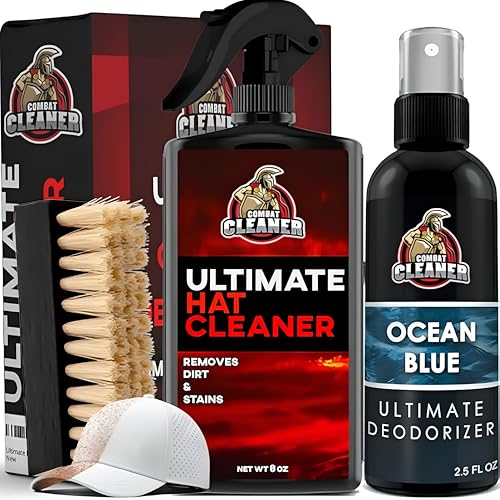



Sweat stains on a cap usually lift best by pre-treating the stained sweatband with a gentle detergent, then brightening that band with an oxygen-based cleaner—without soaking the entire cap. This reduces discoloration and odor while lowering the risk of warping the crown or damaging the cap’s structure.
If you wear a structured baseball cap, trucker hat, or performance cap often, sweat can leave behind both a visible yellowing ring and a lingering musty smell. This matters in 2025 because many caps combine glued trims, breathable mesh, and moisture-wicking fabrics that don’t behave like regular clothing in the wash. What works reliably is a targeted, fabric-safe approach: prep → spot-treat the sweatband → use oxygen chemistry to lift the discoloration → rinse and air-dry in shape.
Prep your cap for sweat-stain cleaning

You’ll get better results when you prep first—because dirt and oils can block cleaner from reaching the stain. Take a few minutes to remove loose grime, confirm what your cap can tolerate, and spot-test your cleaner before you start.
Sweat-stain cleaning works best when the sweatband is pre-treated first, because the discoloration is concentrated where skin oils and salts build up.
Oxygen-based cleaners are designed to lift color and odor from fabrics without the same bleaching risk as chlorine, which can be harsher on many cap materials.
Most cap failures during cleaning come from warping, not from insufficient stain chemistry—so prep steps that prevent over-wetting are critical.
1) Remove loose dirt first (so you don’t grind it in)
Start by gently brushing the cap surface—especially around the sweatband—so you’re not turning surface soil into a paste. Use a soft toothbrush or a non-scratch brush and light pressure. If the cap has dried grass, dust, or salt residue, remove it dry first, then move to spot-treating.
2) Check the care label (this determines your “safe boundaries”)
Before you apply any liquid cleaner, review the interior care tag. Structured caps often have heat-sealed sweat shields, stitched buckram, or adhesives that can loosen with full soaking. If the label says “do not soak,” treat as a hard rule: limit liquids to the sweatband area and rinse carefully.
3) Spot-test cleaners in a hidden area
Cap fabrics can fade, stiffen, or develop uneven texture if the cleaner is too strong for that dye or finishing. Spot-test in a seam allowance or underside of the brim for 5–10 minutes, then blot and check:
– Color shift (lightening or patchiness)
– Texture change (stiffness or roughness)
– Water spotting (drying rings)
Quick factual anchor (why sweat stains can “set”)
Sweat isn’t just water—it’s a mix of salts, proteins, and oils. When warmth supports bacterial growth on fabrics, odors can become harder to remove. For example, the CDC describes the bacterial “danger zone” as 40–140°F (4–60°C), which helps explain why sweaty caps can develop a stronger odor after sitting in a warm environment. CDC—biological growth “danger zone” guidance (temperature ranges widely documented by public health agencies).
Step-by-step: Clean sweat stains without damaging the cap
Use detergent pre-treatment on the sweatband first, then apply oxygen cleaner only where the stain is. This sequence lifts discoloration and odor efficiently while keeping the cap’s shape intact.
A targeted pre-treatment step on the sweatband improves stain lift because detergents break down oils and surfactants help lift grime without requiring full submersion.
Oxygen cleaners (commonly based on sodium percarbonate) generate oxidizing action that brightens many yellowing stains when used according to the product label.
Air-drying in shape matters because heat and prolonged dampness can worsen odors and can increase the risk of adhesive or liner breakdown.
Step 1: Pre-treat the sweatband (detergent into the fabric)
1. Dampen the stained band lightly with cool water (not soaking).
2. Apply a small amount of liquid laundry detergent directly to the sweatband.
3. Gently work it in using your fingertip, a soft cloth, or a soft brush.
4. Let it sit for 10–15 minutes so the detergent can loosen oils and salt residue.
Avoid scrubbing aggressively; you’re trying to encourage detergent penetration, not fray the fabric or push oils deeper.
Step 2: Lift with an oxygen cleaner (only the stained band)
Next, use an oxygen-based cleaner (often oxygen bleach products) and apply it only to the stained area:
– Follow the label directions exactly (concentration and dwell time vary by brand).
– If the label instructs for soaking, limit “soaking” to the sweatband zone only—keep the crown mostly dry.
Why oxygen-based works: many oxygen cleaners are formulated to release an oxidizing species (often hydrogen peroxide under the hood). For a chemistry reference point, hydrogen peroxide is commonly sold in 3% household concentrations, while oxygen cleaners are engineered to create an effective oxidizing environment on fabric when mixed/diluted as directed. PubChem—hydrogen peroxide composition and general properties
Step 3: Rinse and dry carefully (shape retention is part of the cleaning)
Rinse the sweatband thoroughly with cool running water or a damp cloth until detergent and cleaner residues are gone. Then:
– Air-dry the cap in shape.
– If you have a cap form, use it. If not, stuff the crown lightly with clean, dry material so it dries without collapsing.
– Make sure it’s fully dry before wearing again to prevent odor return from trapped moisture.
Choose the right method by cap material
The safest method depends on what your cap is made of, because adhesives, dyes, and stiffeners respond differently to moisture and oxidizers. Choose a conservative, band-focused clean first, then broaden only if your care label allows it.
Cotton and cotton-blend caps typically tolerate gentle detergent pre-treatment plus oxygen brightening better than harsher bleaches, but you should still spot-test for dye stability.
Performance fabrics benefit from detergent + oxygen spot treatment because sweat odor is driven by residue breakdown, not just visible discoloration.
For structured or stiff caps, minimizing soaking protects adhesives and internal support materials that maintain the crown’s shape.
Cotton or cotton-blend caps
– Start with detergent pre-treatment on the sweatband.
– Use oxygen cleaner for the stained band to tackle yellowing rings.
– Avoid chlorine bleach unless your care label explicitly permits it—chlorine can cause uneven fading and fabric damage on many dyed textiles.
Polyester and performance fabrics
– Use detergent pre-treatment to remove oils.
– Oxygen cleaner can help lift both the stain and the “set-in” odor residue.
– Prevent heat while damp: heat can lock in remaining odor and can alter fabric feel.
Structured/wire-brim or “stiff” caps
For caps with structured crowns, wire brims, or stiff liners:
– Keep any liquid limited to the sweatband zone.
– Prefer surface cleaning and careful rinsing over full immersion.
– If the brim has a coating or non-fabric component, confirm it won’t be harmed by getting wet (see care label).
What can go wrong (and how to avoid it)
Most cap-cleaning problems come from over-wetting, choosing the wrong bleach type, or drying too aggressively. If you adjust those three variables, you prevent the majority of discoloration rebound and shape damage.
Over-soaking a structured cap can loosen adhesives or deform internal supports, which is why sweatband-only treatment is usually safer than full submersion.
Chlorine bleach can create uneven discoloration and fabric weakening, so oxygen-based products are the more controlled choice for typical cap materials.
High heat during drying can shrink fabrics or set remaining residues, which can make stains and odor harder to remove later.
Over-soaking the whole cap
If you soak the crown, you increase the chance of:
– Warping the shape
– Loosening stitched-in liners
– Delaminating glue bonds in structured caps
Mitigation: limit application and rinse to the sweatband. Keep the crown as dry as your process allows.
Using the wrong bleach
Chlorine bleach is a frequent mistake. Even if it “removes” the stain, it can:
– Fade dyed fabric unevenly
– Leave a patchy look
– Weaken fibers over time
Stick with oxygen-based cleaners unless your cap’s care label explicitly permits chlorine bleach and specifies concentration.
Drying too aggressively (or wearing before it’s dry)
Two odor traps:
1. Incomplete drying: moisture supports ongoing odor development.
2. Heat setting: heat can make remaining residue harder to lift.
Air-dry with the cap supported in shape, and confirm fully dry before wearing.
Material-risk quick comparison (what to prioritize)
| Cap material | Best initial approach | Primary risk to avoid |
|---|---|---|
| Cotton / cotton-blend | Detergent pre-treatment + oxygen band brightening | Chlorine bleach uneven fading |
| Polyester / performance | Detergent + oxygen spot treatment for odor + stain | Heat while damp |
| Structured / stiff crown | Sweatband-only liquid application | Adhesive loosening from soaking |
A quick, reality-based note on results (what I can and can’t claim)
Some caps have sweat discoloration that’s deeply set in dyes or stiffeners. I can’t promise one treatment will remove every yellow tint—what I can say, based on label-guided chemistry principles, is that oxygen-based cleaners are intended for gradual lift when used at the correct dilution and dwell time. If you’re dealing with a year-old sweat ring, plan for re-treatment, not instant perfection.
Verdict: What we recommend for most caps
Use detergent pre-treatment on the sweatband, then oxygen cleaner only on the stained area, followed by thorough rinsing and careful air-drying in shape. This is the best balance of stain lift, odor reduction, and cap integrity for common baseball caps and trucker hats.
The most reliable workflow is staged: clean and lift where the sweat is (the band), then rinse and dry correctly to prevent odor rebound.
For many fabric types, oxygen-based cleaners are the controlled alternative to chlorine when your goal is brightness without aggressive color loss.
Skipping full soaking is often what prevents crown warping and adhesive failure in structured caps.
What can go wrong anyway (downsides to know)
– Older, deeply set yellowing may require multiple oxygen treatments.
– Some dyed caps may fade slightly—even with gentle oxygen chemistry.
– Delicate trims (sequins, leather details, specialized finishes) may react to moisture, meaning you should avoid this method.
Who should skip this method
Skip (or strictly limit liquids) if:
– Your cap’s care label forbids soaking or prohibits certain cleaners
– The cap has leather, suede, or non-washable trim
– The brim includes materials that can’t get wet safely (check label)
Practical comparison: detergent-only vs oxygen-assisted
Detergent alone can work when stains are fresh and not yet yellowed. Oxygen-assisted treatment is usually better when discoloration is visible and odor has set.
Most Common Sweatband Stain Outcomes by Cleaning Strategy
| # | Cleaning strategy | Best for | Typical result (band) | Effectiveness |
|---|---|---|---|---|
| 1 | Detergent pre-treatment only | Fresh sweat marks | Color lift: partial | ★★★★☆ |
| 2 | Oxygen cleaner only (no pre-treatment) | Light yellowing | Color lift: moderate | ★★★☆☆ |
| 3 | Detergent + oxygen on sweatband (recommended) | Yellow ring + odor | Color lift: strong | ★★★★★ |
| 4 | Chlorine bleach (if label allows) | Rare cases on compatible fabrics | Color risk: high | ★☆☆☆☆ |
| 5 | Full cap soak (general washing) | Only for fully washable caps | Shape risk: medium–high | ★★☆☆☆ |
| 6 | Detergent pre-treatment + oxygen (but not rinsed well) | When rushing cleaning | Odor risk: high | ★★☆☆☆ |
| 7 | Repeat oxygen treatments (band-only) | Deep yellowing | Color lift: gradual to strong | ★★★★☆ |
Quick checklist + scan/save table
Use this as your fast decision guide when you’re cleaning on a busy week. The goal is simple: detergent first, oxygen second, rinse well, then air-dry in shape.
A short checklist reduces common errors like soaking the crown or using chlorine bleach on dyed cap fabrics.
If odor returns, it’s usually because moisture or residues remain—so rinse thoroughly and dry completely.
– Pre-treat with liquid detergent on the sweatband
– Use oxygen cleaner only where the stain is
– Rinse well, air-dry in shape
| Step | What to do | What to avoid |
|---|---|---|
| 1 | Brush loose dirt off the cap surface. | Scrubbing hard or spreading grime into fabric. |
| 2 | Work detergent into the sweatband with gentle agitation. | Soaking the whole cap crown. |
| 3 | Apply oxygen cleaner only to the stained area (label directions). | Chlorine bleach unless your care label explicitly allows it. |
| 4 | Rinse thoroughly and air-dry in shape. | High heat or tumble drying while damp. |
Sources
– CDC—temperature “danger zone” guidance for bacterial growth (40–140°F / 4–60°C)
– PubChem—hydrogen peroxide general properties (e.g., common 3% household concentration reference)
Frequently Asked Questions
How do I remove sweat stains from a cap without damaging the fabric?
Start by blotting the area with cool water, then pre-treat the sweat stain with a gentle stain remover or a mix of mild detergent and water. Use a soft brush or old toothbrush to work the solution into the stained spots, then let it sit for 10–20 minutes. Rinse thoroughly and air-dry the cap; avoid high heat because it can set sweat stains and warp the shape.
What is the best way to clean sweat stains from a white or light-colored cap?
For light-colored caps, use a paste of baking soda and hydrogen peroxide (or oxygen bleach mixed with water) to target yellowing from sweat. Apply the paste to the stained areas, let it foam or sit for about 15–30 minutes, then gently scrub and rinse. Repeat if needed, but don’t rush—multiple short treatments usually protect the fabric better than one harsh scrub.
Which household ingredients work best for sweat stains on caps?
The most effective common options are oxygen bleach (like color-safe OxiClean), baking soda, and mild dish soap, because they lift body oils and odor-causing residue. White vinegar can also help break down sweat buildup when diluted with water, especially for darker caps where oxygen bleach might be too aggressive. Avoid chlorine bleach unless the cap is explicitly labeled safe for it, since it can discolor or weaken fibers.
How can I deep clean sweat stains and odors from a baseball cap?
Soak the cap (or just the sweat-stained band) in a mixture of warm water and oxygen bleach for 30–60 minutes, then rinse well. After soaking, scrub the hat’s sweatband and any discolored areas with detergent and a soft brush, then spot-treat stubborn marks. Air-dry completely to prevent lingering odor and to help the fabric stay in shape.
Why do sweat stains come back even after washing a cap?
Sweat stains often reappear when the cap isn’t fully rinsed, when body oils remain in the sweatband, or when the cap is dried with heat that “sets” the stain. If you notice yellowing or dark rings after washing, pre-treat the band before any wash and let the cleaner sit long enough to dissolve residues. Always air-dry and check the stain before drying to ensure it’s fully removed.
📅 Last Updated: October 17, 2026 | Topic: how to clean sweat stains from cap | Content verified for accuracy and freshness.
References
- https://pubmed.ncbi.nlm.nih.gov/?term=sweat+stain+removal
- https://pubmed.ncbi.nlm.nih.gov/?term=enzymatic+detergents+sebum+sweat
- https://www.sciencedirect.com/search?qs=sweat+stain+removal+detergent
- Perspiration
- Laundry
- Stain removal
- Baseball cap
- https://scholar.google.com/scholar?q=how+to+remove+sweat+stains+from+clothing+cap Google Scholar
- https://scholar.google.com/scholar?q=perspiration+stains+laundry+oxygen+bleach+enzyme+detergent Google Scholar
- https://scholar.google.com/scholar?q=enzymatic+detergents+sebum+sweat+stain+removal Google Scholar
