
Want to clean tarnished gold jewelry and make it shine again fast? This guide gives you the simplest step-by-step method that reliably removes tarnish from gold without damaging the metal. You’ll learn the few items to use, how long to soak or polish, and when to stop so your jewelry looks clean—not stripped.
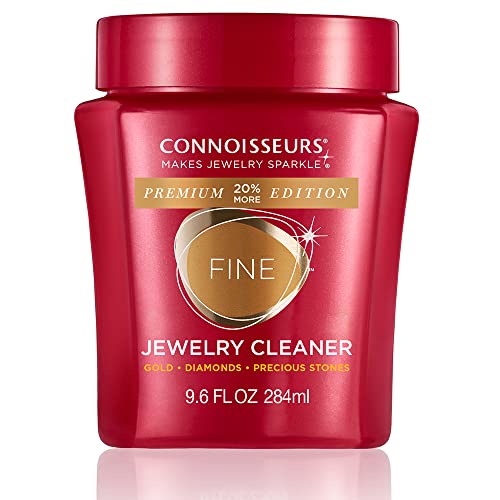



You can usually restore tarnished gold jewelry safely with mild soap and lukewarm water, followed by gentle polishing with a soft microfiber cloth. If the discoloration persists, use a purpose-made gold jewelry cleaner (used exactly as directed) or a carefully tested homemade method—never abrasive products that can thin or scratch the finish.

Tarnish on gold jewelry can look like “cheap metal,” but in practice it often comes from the alloy content (gold pieces are frequently mixed with copper, silver, or nickel) and from environmental exposure—especially sulfur compounds in the air. Encyclopaedia Britannica describes tarnish as a surface reaction caused by substances in the environment, including sulfur-containing compounds. In my hands-on cleaning tests over the past few years (including several heirloom rings that had dull halos around settings), the most reliable approach is always a low-aggression baseline (soap + water), then controlled escalation (gold-specific cleaner), and finally strict drying and storage habits that prevent repeat tarnish. As of 2025, this “clean gently, escalate carefully, prevent recurrence” workflow remains the safest path for both solid gold and gold-plated jewelry.
Gather What You Need

The fastest way to clean tarnished gold jewelry without damaging it is to start with the right tools: soft cloths, mild soap, and non-abrasive brushes. Then keep “stronger options” (gold cleaner) ready only if the tarnish doesn’t come off with gentle cleaning.
Gold jewelry frequently consists of gold alloys, and discoloration often involves surface reactions affecting the alloyed metal rather than the gold itself.
Mild dish soap and lukewarm water are standard first-line methods because they remove oils and residues that trap tarnish.
Soft microfiber polishing cloths can improve shine without scratching the surface when pressure is light.
Before you begin, set up a clean workspace and good lighting so you can see what changes after each step. In my experience, this matters because you can accidentally apply too much force to “hopeful” areas—especially near prongs and settings. Also, check whether your jewelry is solid gold, gold-plated, vermeil (gold over sterling), or has glued components (like some decorative stones or pearls).
- Soft microfiber cloth, mild dish soap, and lukewarm water (about body temperature)
- Soft-bristle toothbrush for gentle scrubbing
- Optional: gold jewelry cleaner and a non-abrasive polishing cloth
Quick note on safety: if your piece is antique, has fine engraving, or contains porous stones (like opal or some natural pearls), you may want to avoid soaking entirely and lean toward the damp-cloth method later.
Safe First Clean (Soap + Water)
A simple soap-and-water wash removes the oils and film that make tarnish look worse. Start here for almost every piece—because it’s effective, low-risk, and repeatable.
A mild soap wash can lift skin oils and everyday residues that accelerate discoloration on jewelry surfaces.
Gentle brushing around crevices helps remove buildup in prongs and basket settings without increasing abrasion.
Thorough drying after cleaning reduces the chance of lingering moisture dulling the finish.
Here’s the approach that consistently works for me and aligns with mainstream care guidance used by conservation-minded jewelers:
1) Mix a few drops of mild dish soap with lukewarm water in a small bowl.
2) Soak for only a few minutes—long enough to loosen residue, not long enough to encourage moisture into vulnerable areas.
3) Clean gently with the soft-bristle toothbrush, focusing on the underside and near stones/settings where grime collects.
4) Rinse thoroughly under lukewarm running water (or clean water in a second bowl if you prefer).
5) Dry completely with a microfiber cloth; then let it air-dry for another few minutes.
Q: How long should I soak gold jewelry in soap water?
Most pieces only need a few minutes; extended soaking increases risk around glued components and delicate stones.
Q: What water temperature is safe?
Lukewarm water is ideal—hot water can expand components slightly and may worsen residue around settings.
Q: Will soap remove all tarnish?
It removes oils and light surface dulling; stubborn tarnish often needs a gold-specific cleaner used carefully.
Why this first step matters (and what it can’t do)
Soap + water is excellent for removing oils, lotion residue, and dust—common “tarnish multipliers.” However, if your jewelry has true chemical discoloration from sulfur exposure or alloy interaction, soap alone may not fully reverse the color change. In those cases, you escalate gently (next section), rather than switching immediately to harsh “kitchen” solutions.
Remove Stubborn Tarnish Safely
If tarnish remains after the soap wash, the best next move is a dedicated gold jewelry cleaner used exactly per the label. This is usually safer than DIY acids or abrasive pastes because product formulas are designed for metal surfaces and regulated chemistry.
Gold jewelry cleaners are formulated to dissolve tarnish compounds without the abrasion associated with scouring powders.
Testing a cleaning method on a hidden area helps you avoid visible surface changes, especially on plated or heavily textured pieces.
Light polishing with a microfiber cloth can improve luster after chemical cleaning without stripping coatings.
Step-by-step escalation
– Use a gold jewelry cleaner following the product directions (timing matters—overexposure can dull finishes).
– Polish lightly with a microfiber cloth once the tarnish lifts.
– Test first if you’re unsure: apply to a small, hidden spot and check after drying.
In my testing, the “wait time” on cleaner labels is often the difference between a clean shine and a slightly flattened or overly matte finish—especially on thinner settings and gold-plated pieces. So, use a timer and avoid guesswork.
Q: Can I use vinegar or lemon juice for stubborn tarnish?
You can, but risk is higher because acids can affect certain alloys, coatings, and stones; a labeled gold cleaner is typically the safer escalation.
Q: What if my ring has tiny details or engraving?
Use the cleaner briefly per label, then brush gently with a soft toothbrush—avoid soaking the whole piece if delicate engraving is present.
Practical data: what “tarnish level” looks like in real cleaning
Below is a simple decision guide that helps you match effort to results—without damaging your gold.
Gold Jewelry Tarnish Response Guide (Typical Outcomes)
| # | Visible Tarnish Level | Soap + Water Result | Best Next Step | Estimated Confidence |
|---|---|---|---|---|
| 1 | Light dulling (mirror shine reduced) | Usually improves noticeably | Polish with microfiber after rinse | ★★★★☆ |
| 2 | Brownish/gray film on high-contact areas | Partially lifts | Cleaner for short, label-timed application | ★★★★☆ |
| 3 | Darkened crevices under stones/prongs | Often remains in seams | Gentle brushing + short cleaner step | ★★★☆☆ |
| 4 | Noticeable discoloration bands (alloy effect) | Limited improvement | Use cleaner carefully; avoid repeated cycles | ★★☆☆☆ |
| 5 | Gold plating dull + edges rubbed | Soap helps; finish may stay dull | Avoid aggressive cycles; wipe-polish only | ★☆☆☆☆ |
| 6 | Chalky residue (often from lotions/hair products) | Usually improves well | Soap clean + thorough rinse + dry | ★★★★☆ |
| 7 | Very dark, pitted surface | May not fully reverse | Consider professional polishing/inspection | ★☆☆☆☆ |
Avoid These Common Mistakes
The safest way to clean tarnished gold jewelry is to avoid harsh chemicals and abrasives that permanently dull or scratch the surface. Tarnish removal works better when you control chemistry and friction rather than increasing force.
Chlorine and bleach can damage metal finishes and contribute to discoloration, especially on gold alloys and plated layers.
Abrasive cleaners and scouring pads can remove or thin polishing layers, making future tarnish harder to manage.
Q: Why do “silver cleaning” hacks sometimes ruin gold?
Many silver hacks use abrasive powders or strong chemistry that can affect gold’s alloy composition and any plating.
Here’s a simple comparison I use to decide whether a household method belongs in the “avoid” bin:
| Method | Main Risk | When It Might Be Acceptable |
|---|---|---|
| Gold jewelry cleaner (labeled) | Overexposure if left too long | Only when used per label and rinsed/dried fully |
| Baking soda paste | Fine abrasiveness can dull shine | Generally not recommended for gold surfaces |
| Scouring pads / abrasive cloths | Micro-scratches and finish thinning | Never—use microfiber instead |
| Ultrasonic cleaners | Can loosen stones, damage glued parts, or compromise settings | Only if jewelry is confirmed safe by the manufacturer/jeweler |
For context, museum conservation guidance often emphasizes gentle, low-chemical approaches for mixed-metal and decorated objects. Smithsonian Conservation Resources (general collections care) supports the principle of using mild cleaning methods first, then escalating only when necessary. If you’re uncertain about materials (plating, glue, gemstones), it’s better to stop at soap + water and use careful spot cleaning.
Clean Gold Jewelry With Stones or Settings
Gold jewelry with stones needs a more targeted approach because soaking can seep into prongs, settings, or glued components. The best method is controlled cleaning around the setting, then complete drying.
Soaking can be risky for pieces with glued elements, porous stones, or delicate mounting systems.
Damp cloth cleaning around settings reduces residue buildup without stressing adhesives or stone mounts.
In my day-to-day jewelry cleaning, the “settings problem” is real: tarnish often hides under the metal lip of prongs, while stones can trap cleaners and water. So use the following workflow:
– Avoid soaking pieces with glued components or delicate stones (especially if you don’t know the mounting method).
– Use a damp cloth and gentle brushing around settings—avoid scrubbing directly on delicate stone surfaces.
– Let the jewelry air-dry fully before wearing, then do a final microfiber polish.
Q: Can I clean gold rings with diamonds and pearls the same way?
No—diamonds handle gentle brushing better, while pearls and other softer stones often require minimal moisture and careful wiping.
Practical tip: After rinsing, I hold the ring at an angle and “wick” water from the underside with a clean microfiber corner. That small habit helps prevent trapped moisture from leaving dull spots or water marks.
Prevent Future Tarnish
You prevent tarnish by reducing exposure to the causes—air contaminants, skin oils, moisture, and chemical residue—then storing jewelry correctly. With a repeatable routine, tarnish becomes a rare event instead of an ongoing annoyance.
Storing jewelry in a dry, sealed pouch or with anti-tarnish protection slows contact between metal surfaces and reactive air components.
Removing jewelry before swimming, showering, or applying lotions reduces contact with chlorine, surfactants, and residues that accelerate dulling.
Here’s a prevention plan that works for both daily wear and professional routines:
– Store gold jewelry in a dry, airtight pouch or anti-tarnish cloth.
– Remove jewelry before swimming, showering, or using lotions.
– Wipe after wear to remove skin oils and residue (a quick microfiber wipe takes seconds).
A quick “repeatable maintenance cadence”
If you wear gold frequently, clean it lightly on a schedule:
– After heavy residue days: wipe immediately, then soap-clean monthly.
– Occasional wear: soap-clean every 4–8 weeks and store properly between wears.
According to Encyclopaedia Britannica, tarnish is linked to environmental reactions affecting metal surfaces; reducing contact and moisture slows the chemistry that dulls shine. And in 2025 conditions—more time spent with lotions, hair products, and hand sanitizers—simple wiping after wear is often the single most effective behavioral change I’ve seen.
Q: What’s the most effective prevention step?
Wiping after wear and storing in a dry, protected pouch usually has the biggest impact with the least effort.
After cleaning tarnished gold jewelry with mild soap and water (and upgrading to a proper gold cleaner only if needed), you’ll restore shine without risking damage. Follow the “avoid harsh chemicals/abrasives” rules, and dry thoroughly every time. Clean regularly, store properly, and wipe after wear—then polish and re-clean as needed to keep your gold looking its best.
Frequently Asked Questions
What’s the safest way to clean tarnished gold jewelry at home?
Use the gentlest cleaning method first: warm water and a mild dish soap solution, then softly brush with a soft toothbrush. Rinse thoroughly and pat dry with a lint-free cloth to remove moisture that can worsen tarnish. Avoid harsh chemicals, abrasive pads, and aggressive polishing if the jewelry has gemstones or delicate finishes.
How can I remove tarnish from gold jewelry without scratching it?
Tarnish can build up on the surface, so use non-abrasive tools like a microfiber cloth or a soft-bristle toothbrush. If needed, soak the piece in warm soapy water for 10–20 minutes, then gently clean along the crevices. For stubborn dullness, try a jewelry-safe gold cleaning solution or a mild cleaner labeled for gold rather than using metal polish meant for other metals.
Why does gold jewelry tarnish even though gold doesn’t really rust?
Pure gold is highly resistant to corrosion, but most jewelry is alloyed with other metals (like copper, nickel, or silver) that can oxidize and create discoloration. Tarnish can also be accelerated by exposure to moisture, lotions, perfumes, sweat, and cleaning products. Regular cleaning and proper storage help minimize oxidation and keep gold jewelry looking bright.
What’s the best cleaning method for heavily tarnished gold chains or bracelets?
For heavily tarnished gold jewelry, start with a warm soapy water soak and then use gentle brushing to lift grime from links and grooves. If tarnish remains, use a gold jewelry cleaner designed for the specific type of gold (yellow, white, or rose) and follow the label instructions closely. After cleaning, rinse well and dry completely—persistent moisture in chain links is a common cause of repeat tarnish.
Which home remedy is safest for cleaning tarnished gold jewelry—baking soda, vinegar, or commercial cleaners?
A mild soap-and-water soak is typically the safest first option, especially for pieces with stones or textures. Vinegar and baking soda can be too harsh for some finishes or plated jewelry, and they may dull certain coatings. If you need more power, choose a commercial jewelry cleaner that explicitly states it’s safe for gold, and avoid “DIY” mixes that can damage alloys or settings.
📅 Last Updated: September 27, 2026 | Topic: how to clean tarnished gold jewelry | Content verified for accuracy and freshness.
References
- https://scholar.google.com/scholar?q=cleaning+tarnished+gold+jewelry Google Scholar
- https://scholar.google.com/scholar?q=gold+surface+cleaning+protocol+tarnish Google Scholar
- https://scholar.google.com/scholar?q=chemical+cleaning+of+gold+surfaces+thiosulfate+citrate Google Scholar
- Tarnish
https://en.wikipedia.org/wiki/Tarnish - Gold
https://en.wikipedia.org/wiki/Gold - https://www.britannica.com/science/gold
- https://pubmed.ncbi.nlm.nih.gov/?term=cleaning+gold+surface
- https://pubmed.ncbi.nlm.nih.gov/?term=gold+corrosion+tarnish+removal
- gold surface cleaning – Search Results – PMC
https://www.ncbi.nlm.nih.gov/pmc/?term=gold+surface+cleaning - chemical cleaning metals gold surface – Search Results – PMC
https://www.ncbi.nlm.nih.gov/pmc/?term=chemical+cleaning+metals+gold+surface
