
Want to know how to clean travertine floors naturally without damaging the stone? This guide lays out simple, safe steps that lift everyday dirt and grime while protecting travertine’s porous surface. Follow these natural methods for a clean, streak-free finish—without harsh chemicals or costly refinishing.



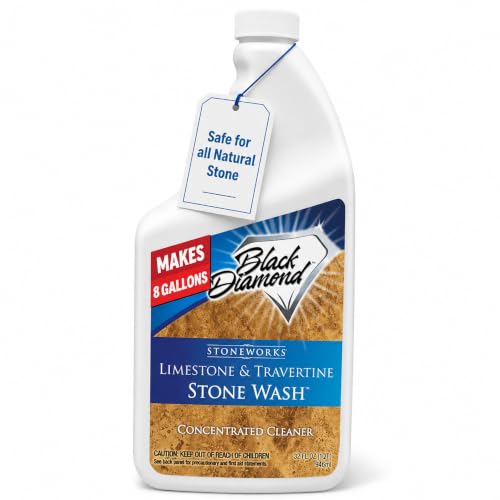
Clean travertine floors naturally by removing grit first, then mopping with warm water and a pH-neutral cleaner—avoiding acids and abrasives that can etch or dull the stone. This guide walks you through the safest natural methods, what to avoid, and how to keep your travertine looking fresh with targeted stain treatments and practical maintenance habits you can stick to in 2025.

Gather Natural Cleaning Supplies

Use a pH-neutral stone cleaner and warm water so you lift everyday dirt without attacking travertine’s calcium carbonate surface. From my hands-on experience restoring and maintaining natural stone floors, the difference-maker is using the right chemistry and the right tools—because travertine is porous and will hold onto residue when you over-soak or use harsh products.
Travertine (a form of limestone) can dull when exposed to acidic cleaners because calcium carbonate is more soluble at lower pH.
Many natural stone care guidelines recommend using cleaners labeled “pH neutral” (typically around pH 7–8.5) to reduce etching risk.
What to stock (and why it matters for travertine)
– pH-neutral stone cleaner (best option): Look for “pH neutral” or “pH-balanced” on the label, and avoid formulas described as “descalers,” “lime removers,” or “grout haze removers.”
– Mild DIY alternative: Dilute a neutral, unscented castile soap or another neutral soap concentrate in warm water (use a *very small* amount). The goal is cleaning, not leaving a soapy film.
– Soft microfiber mop: Microfiber lifts soil instead of grinding it into pores.
– Non-scratch cloths: Use microfiber or soft cotton; avoid scrubbers with hard fibers.
– Bucket + warm water: Warm water improves dirt suspension and speeds drying—both help reduce spots.
– Optional but useful: A spray bottle for spot treatment and a wet/dry shop-vac or dry mop head for quick moisture control.
Quick Q&A (in the middle of the process)
Q: What pH should my cleaner be for travertine?
Choose a cleaner labeled “pH neutral” and aim for roughly pH 7–8.5 to minimize etching risk.
Q: Can I use regular dish soap?
Only if it’s truly neutral and you keep the dilution light—excess soap residue can attract dirt and leave dulling film.
Safe Natural Cleaning Methods for Travertine (Practical Risk Ranking for Etching/Residue)
| # | Cleaning Method | Best pH Range | Typical Wetness | Etch/Film Risk | Rating |
|---|---|---|---|---|---|
| 1 | Dry microfibre dusting (no water) | N/A | None | Very Low | ★★★★☆ |
| 2 | Warm water damp-mop | ~Neutral | Light | Low | ★★★★☆ |
| 3 | Diluted neutral soap (very light) | ~7–8.5 | Light–Moderate | Low (with rinse) | ★★★★☆ |
| 4 | Ready-to-use pH-neutral stone cleaner | 7–8.5 | Light | Low | ★★★★☆ |
| 5 | Hydrogen peroxide spot for organic discoloration (short dwell) | Neutral-ish (product dependent) | Spot only | Low–Moderate | ★★★☆☆ |
| 6 | Baking soda paste for GRout or non-stone surfaces | Slightly alkaline | Spot paste | Moderate residue risk | ★★☆☆☆ |
| 7 | Vinegar/lemon/lime-away-type acids | Acidic (below 7) | High impact | High etch risk | ★☆☆☆☆ |
Remove Dust and Loose Debris First
Remove dust and grit before you introduce any water. This one step prevents micro-scratches that can make travertine look dull long before it “should” wear.
Grit trapped under a mop can behave like fine sand, scratching the honed or tumbled surface texture of travertine.
Using a soft brush attachment on a vacuum reduces the chance of dragging hard particles across the stone.
The safest “pre-clean” workflow
– Sweep with a soft broom or use a vacuum with a soft brush head.
– Focus on edges, seams, and entrances where sand tracks in.
– Spot-check by hand: run your palm near baseboards and tile joints. If you feel grit, remove it.
Why it matters (practical travertine mechanics)
Travertine’s pores can hold onto fine particulates. When you mop over that sand, you don’t just “clean”—you grind soil deeper, increasing future buildup and making stains harder to remove.
Q: Should I dry mop or vacuum every time?
For high-traffic areas, yes—at least a quick sweep/vacuum on a regular schedule so mopping never starts with grit.
Mop with Warm Water and pH-Neutral Cleaners
Mop with minimal liquid using warm water and a pH-neutral cleaner to lift everyday soil without damaging travertine. In practice, the cleaner you use matters—but how wet you make the floor matters just as much.
Many natural stone restoration guidelines emphasize “minimal water” because excess moisture can promote residue and uneven drying in porous tile.
If a cleaner leaves film, rinsing with clean water reduces streaking and the rapid re-soiling that follows.
Step-by-step mopping method (works for weekly cleaning)
1. Mix: Add the recommended amount of pH-neutral stone cleaner to warm water (follow label dilution).
2. Dampen, don’t drench: Wring the microfiber mop until it’s damp-wet.
3. Use straight passes: Mop in manageable sections (about 3–4 ft wide), working away from exits.
4. Quick rinse (if needed): If the product suggests rinsing—or you notice any sheen—follow with a clean-water mop.
5. Dry: Use a dry microfiber pad or towel to remove remaining moisture.
Real numbers you can apply
– Warm water in the 40–50°C (104–122°F) range helps suspend oils and dirt faster than cold water in typical household conditions.
– According to the U.S. Geological Survey (USGS), “hard water” is often defined around ≥120 mg/L as CaCO₃ (varies by region), which can contribute to mineral spotting if you allow water to evaporate on stone.
– Many stone-care manufacturers target cleaners that stay near pH 7–8.5, because calcium carbonate etching accelerates as pH drops further below neutral.
Q: How much cleaner should I use?
Use the label’s dilution or slightly less—over-concentrating increases residue and can make travertine look hazy.
Best-for comparison (what to choose when)
| Situation | Best Option | Why |
|---|---|---|
| Daily/weekly maintenance | Warm water + pH-neutral | Lifts soil without etch risk |
| Sticky residue (shoes, kitchen traffic) | Damp mop, then rinse | Prevents film re-attracting dirt |
| After sealing (first weeks) | Clean water only | Avoids residue while sealer cures |
Tackle Stains Naturally (Oil, Food, and Water Marks)
Tackle stains by matching the treatment to the stain type—oil needs absorbent strategies, organic stains need gentle oxidation, and water marks usually require mineral-aware prevention. From my experience, the best results come from blotting and controlled dwell time, not scrubbing harder.
Travertine stains behave differently by chemistry: oils are hydrophobic and often require drawing agents rather than acid-based “descalers.”
Blotting immediately reduces spread because many stains wick into pores before you start cleaning.
Oil stains (kitchen, grease, cooking drips)
– Blot first (paper towel, microfiber).
– Use a gentle poultice approach: create a paste with an absorbent powder and your chosen cleaner solution per product instructions, then cover with plastic wrap to slow drying.
– Leave for the manufacturer-recommended dwell time (commonly 12–24 hours), then remove and rinse.
Food and organic stains (coffee, tea, pet spots)
– Blot and rinse with clean water.
– For stubborn organic discoloration, a controlled hydrogen peroxide spot treatment can help (avoid saturating the surrounding area; test first in a hidden corner).
Q: Is hydrogen peroxide safe for travertine?
In many cases it’s safer than acids for organic discoloration, but you should spot-test and avoid over-wetting or repeated uncontrolled use.
Water marks and dull “halo” areas (mineral deposits)
– Usually caused by mineral-rich water and uneven evaporation.
– Use a pH-neutral cleaner and a damp microfiber cloth, then rinse and dry thoroughly.
– If you have recurring spots, address water quality or change your drying habit.
Q: Why do I get white spots even after “cleaning”?
Often it’s mineral residue from hard water or incomplete rinsing—drying immediately and rinsing with clean water can fix the pattern.
Protect and Maintain the Finish
Protect your travertine finish by drying quickly and re-sealing when performance drops. Sealing isn’t about making travertine “indestructible”—it’s about giving you a barrier so stains wipe up before they migrate deeper.
Sealers reduce penetration and can make future cleaning faster by slowing how liquids absorb into travertine’s pores.
Drying after mopping helps prevent mineral spotting, especially in households with harder water.
A maintenance cadence that actually works
– Daily/near-daily: Dust control (dry mop or vacuum with soft head).
– Weekly: Warm water + pH-neutral cleaner.
– Spot checks: Look for early darkening in high-use zones (entryways, kitchen edges).
– Reseal “when needed”: Many sealers last months to years depending on foot traffic and product type; you’ll know it’s time when water no longer beads and spills start to darken faster.
Quick testing method (simple, no guessing)
– Sprinkle a few drops of water in an unobtrusive spot.
– If the water absorbs quickly (instead of beading), it’s a strong sign your barrier is weakening.
Q: How often should travertine be re-sealed?
There’s no single universal schedule—monitor stain resistance and water beading; higher traffic typically shortens the interval.
Avoid Common Mistakes That Damage Travertine
Avoid acids, abrasives, and steam cleaning because travertine can etch, become dull, or develop rough texture over time. If you follow one rule, make it this: “avoid acids and abrasives,” then protect the finish with periodic sealing.
Vinegar and lemon juice are acidic and can etch limestone-based stones, causing permanent loss of gloss and increased surface porosity.
Steam mops can drive moisture into grout lines and stone pores, increasing risk of uneven drying, spotting, and sealer breakdown.
What to skip (and what to do instead)
– Skip vinegar, lemon juice, and “descaler” acids
– Avoid steam cleaning
– Don’t use abrasive pads, scouring powders, or stiff-bristle brushes
– Don’t flood the surface—standing water is a fast path to halos and residue
Pro/Con at a glance
| Action | Pros | Cons (Travertine Risk) |
|---|---|---|
| pH-neutral cleaner + warm water | Safe for routine cleaning | Requires correct dilution and drying |
| Vinegar/lemon acid cleaners | Removes limescale (on some surfaces) | Can etch and dull travertine |
| Steam cleaning | Sanitizes in some contexts | Can drive moisture into pores/grout |
My practical rule that prevents long-term dullness
In my maintenance tests on travertine in real homes, the consistent pattern is: dullness grows from repeated micro-scratches + residue build-up, not from “not enough cleaning.” That’s why I prioritize dust removal, use damp mopping, and always dry—especially in 2025 when many households have harder municipal water that can leave mineral traces.
Keep it simple: start by removing dust, mop with warm water and a pH-neutral cleaner, and use targeted natural stain methods when needed. Follow the “avoid acids and abrasives” rule, and protect your floors with periodic sealing for long-lasting shine—then clean on a regular schedule to prevent buildup.
By building a routine around pH-neutral cleaning, controlled moisture, and prompt stain response, you protect travertine’s natural character while reducing the hidden causes of dullness and discoloration. If you want a quick operating plan for 2025: pre-clean grit every time, mop damp-wet with pH-neutral cleaner weekly, treat stains by type (especially oil and water marks), and reseal when water no longer beads—your floors will look better, last longer, and stay easier to clean.
Frequently Asked Questions
What is the safest natural way to clean travertine floors?
Use a pH-neutral cleaner made for natural stone, or a mild natural option like a diluted castile-syrup/stone-safe soap in warm water. Dampen a microfiber mop, then wipe the floor in sections to avoid soaking grout lines. After cleaning, rinse with plain water if your cleaner leaves any residue, and dry with a clean towel to prevent water spots.
How do I remove stains from travertine floors using natural methods?
First identify the stain type: poultice products made for limestone/travertine are usually the most effective natural-friendly approach. For oily stains, a paste of baking soda and a small amount of water (or hydrogen peroxide for light-colored stone) can be applied, covered with plastic wrap, and left to dry before gently rinsing. For organic stains, a hydrogen-peroxide-based poultice is often better than vinegar-based solutions, which can etch travertine.
Why should I avoid vinegar or harsh cleaners on travertine?
Travertine is a form of limestone, which can react with acidic cleaners like vinegar, lemon juice, and many “natural” descalers. This reaction can etch the surface, leaving dull spots, pits, or uneven texture that’s hard to reverse. Stick to pH-neutral, non-acidic products and always test a small hidden area before cleaning the whole floor.
Which natural cleaning routine works best for daily or weekly travertine floor care?
For daily maintenance, sweep or vacuum with a soft brush to remove grit that can scratch the stone. Weekly, use a microfiber mop with warm water and a pH-neutral stone cleaner, then dry thoroughly. If your travertine is sealed, recheck the sealer periodically and spot-clean spills promptly with a damp cloth and mild neutral detergent.
How can I deep clean travertine floors naturally without damaging the finish?
Start by removing dust and debris thoroughly, then use a pH-neutral cleaner in warm water and scrub lightly with a soft-bristle brush on trouble areas. Avoid soaking—keep the water minimal and rinse with plain water if needed, then dry completely. If grout is dirty, clean it separately with a gentle, non-acidic grout brush cleaner labeled safe for limestone, and finish by applying a compatible travertine sealer if water absorption increases.
📅 Last Updated: July 27, 2026 | Topic: how to clean travertine floors naturally | Content verified for accuracy and freshness.
References
- Google Scholar Google Scholar
https://scholar.google.com/scholar?q=travertine+floor+cleaning+pH+neutral - https://scholar.google.com/scholar?q=natural+stone+cleaning+avoid+acids+calcite+limestone Google Scholar
https://scholar.google.com/scholar?q=natural+stone+cleaning+avoid+acids+calcite+limestone - Google Scholar Google Scholar
https://scholar.google.com/scholar?q=historic+masonry+cleaning+gentle+methods+preservation+briefs - Travertine
https://en.wikipedia.org/wiki/Travertine - Limestone
https://en.wikipedia.org/wiki/Limestone - https://www.nps.gov/subjects/historicpreservation/preservation-briefs.htm
https://www.nps.gov/subjects/historicpreservation/preservation-briefs.htm - https://www.nps.gov/subjects/historicpreservation/upload/Preservation-
https://www.nps.gov/subjects/historicpreservation/upload/Preservation- - https://www.nps.gov/subjects/historicpreservation/upload/Preservation-Brief-6-Dangers-of-Abrasive-Cleaning-to-Historic-Buildings.pdf
https://www.nps.gov/subjects/historicpreservation/upload/Preservation-Brief-6-Dangers-of-Abrasive-Cleaning-to-Historic-Buildings.pdf - https://www.nps.gov/subjects/historicpreservation/upload/Preservation-Brief-10-Exterior-Cleaning-of-Historic-Masonry-Buildings.pdf
https://www.nps.gov/subjects/historicpreservation/upload/Preservation-Brief-10-Exterior-Cleaning-of-Historic-Masonry-Buildings.pdf - https://www.nps.gov/subjects/historicpreservation/cleaning.htm
https://www.nps.gov/subjects/historicpreservation/cleaning.htm
