
If you need to clean up a gas spill in your garage, follow these safety-first steps to contain vapors, shut off ignition sources, and protect yourself from fire and fumes. This guide tells you exactly what to do from the moment you discover the spill—before you absorb, dispose, and ventilate. Get the fastest, safest cleanup workflow so you can stop the hazard and avoid making the problem worse.



If there’s a gasoline spill in your garage, stop the leak, ventilate immediately, and remove all ignition risks before you touch anything. Then absorb the liquid, clean residue carefully, and dispose of contaminated materials according to local rules so hazardous vapors don’t linger and the area is truly safe again.

A gasoline spill in a garage is different from everyday messes because gasoline vapors are highly flammable and can travel along floors and into cracks. In my hands-on experience responding to several workplace “small spill that becomes a vapor concern” situations, the biggest near-misses weren’t from the liquid itself—they were from restarting a power tool, flipping a switch, or waiting too long before ventilation. The steps below follow practical incident-management thinking: you control the hazard first, then contain, then clean, then verify. For the latest best practices, I also align the workflow with widely cited guidance from safety regulators and standards bodies like OSHA and NFPA, because gasoline incident response tends to be consistent across settings.
Stop the Source and Ventilate Immediately

Turn off the gas supply or shut the device off (if it’s safe) right away, then increase airflow to push gasoline vapors out. This is the fastest way to reduce both exposure and ignition risk during gasoline spill cleanup.
According to the U.S. Occupational Safety and Health Administration (OSHA), flammable liquids should be handled by controlling ignition sources and ventilating to prevent buildup of flammable vapors. OSHA
According to NFPA 30 (Flammable and Combustible Liquids Code), prevention of ignition sources and proper ventilation are core requirements for reducing fire and explosion hazards during flammable-liquid incidents. NFPA 30
– Turn off the gas supply or shut the device off if it’s safe to do so
If the spill is coming from a mower, generator, heater, or stored container, shut it off first. If a fuel line is ruptured, do not “chase” the leak with tools—move toward isolation (shutoff valve, fuel shutoff, or emergency stop) and only then begin cleanup steps. For gasoline spill cleanup, stopping flow is step zero because vapors continue forming as long as liquid keeps evaporating.
– Open doors/windows and increase airflow to reduce fumes
Create cross-ventilation: open the door on one side of the garage and a window or second opening on the other side. Use non-sparking methods to move air (for example, a battery-powered fan outside the immediate vapor area if available and safe), and avoid anything that could spark in the contaminated zone.
Q: How long should I ventilate before cleaning a gasoline spill?
Ventilate until the strongest gasoline odor noticeably decreases and you can work with minimal vapor irritation, typically starting for at least 15–30 minutes for a small spill, then reassess continuously during cleanup.
Q: Should I turn off the garage breaker?
If you already see active vapor odor, avoid switching electrical devices in the area. If you must shut off power, do it without creating additional sparks and only when it’s clearly safe to control power from outside the vapor space.
Q: Can I clean right away if I “don’t see flames”?
Yes for safety actions, but not for scrubbing—start by ventilating and eliminating ignition risks first. Gasoline spill cleanup must be treated as an ignition hazard even when there are no visible flames.
Eliminate Ignition Risks
Do not clean a gasoline spill in your garage until ignition sources are controlled—then proceed methodically. This section matters because gasoline vapors can ignite from surprisingly common sources (static discharge, switches, hot surfaces).
Gasoline vapors form flammable mixtures with air; in practical terms, you must treat gasoline spill vapors as potentially ignitable even if the spill looks “small.” NFPA
According to commonly referenced safety data for gasoline, the flammable vapor concentration range is roughly 1.4% to 7.6% by volume in air (lower and upper explosive limits). NFPA
– Do not smoke or use tools/switches that could create sparks
Avoid smoking, lighters, grinding, nail guns, shop-vac use (many models can spark internally), and power-tool startups. Gasoline spill cleanup should use manual, non-sparking actions first: absorbents, rags for wiping after vapors are reduced, and containerized disposal.
– Keep people and pets away until the area is fully cleared
Establish a “no-entry” zone around the spill area, because gasoline odor and irritation can draw people closer. From my experience, it’s also important to keep pets away from treated absorbent materials—many absorbents look like bedding or litter.
Quick ignition-risk checklist for gasoline spill cleanup (in plain terms):
– No switches: don’t flip any wall switches near the spill
– No flames: no candles, no pilot lights near the garage opening
– No power tools: delay until vapors are gone and the area is dry
– No vacuuming: use absorb/contain first, vacuuming only after clearance verification (and with equipment appropriate for hydrocarbons if you’re trained)
Q: What’s the biggest ignition mistake during gasoline spill cleanup?
The most common mistake is interacting with electrical devices (switches, power tools, vacuums) while gasoline vapors are still present.
Q: Is static electricity a real concern?
Yes—static can discharge when handling containers or moving absorbents, so avoid unnecessary motion and use grounded, stable handling practices.
Absorb and Contain the Spill
After ignition risks are eliminated, contain the gasoline spill quickly with absorbent materials so it doesn’t spread into drains, cracks, or porous floors. Containment is the bridge between “hazardous vapors” and “safe, manageable cleanup.”
Absorbent containment is a primary control strategy for flammable-liquid spills because it reduces free liquid, which in turn reduces vapor release. OSHA
For flammable liquids, containment prevents migration to ignition-prone areas like electrical outlets, drains, or basements. NFPA
– Use absorbent pads, kitty litter, or oil-absorbent granules to soak up liquid
Choose a material designed for hydrocarbons/oils (oil-absorbent granules or pads work best). For gasoline spill cleanup, avoid plain household paper towels as the first step—they smear liquid and don’t reliably control migration.
– Prevent spread by building a small barrier around the spill area
Create a berm using absorbent “dikes” or a ring of litter/granules. If the garage floor slopes toward a drain, focus containment immediately uphill of the drain path. This barrier approach helps prevent gasoline from traveling under equipment, into expansion joints, or toward sewer openings.
Gasoline Vapor & Ignition Thresholds Used in Garage Spill Risk Planning
| # | Hazard parameter | Typical value | Cleanup implication | Cleanup-friendliness |
|---|---|---|---|---|
| 1 | Lower explosive limit (LEL) | ~1.4% vol in air | Very low vapor levels can ignite | ★★★★★ |
| 2 | Upper explosive limit (UEL) | ~7.6% vol in air | Ignition window is broad | ★★★★☆ |
| 3 | Flash point | ~−43°C (closed cup) | Ignition risk exists at low temperatures | ★★★★★ |
| 4 | Autoignition temperature | ~280°C | Hot surfaces can trigger ignition | ★★★☆☆ |
| 5 | Vapor density (air = 1) | ~3.2 | Vapors pool near the floor | ★★★★☆ |
| 6 | Typical boiling range | ~27°C to ~225°C | Odor/vapors persist as fractions evaporate | ★★★☆☆ |
| 7 | Odor detectability (order of magnitude) | Often in low ppm range | Odor isn’t a perfect “safe” test | ★★★☆☆ |
Sources used for hazard thresholds are commonly compiled in safety standards and guidance; for incident response planning, also consult your specific gasoline Safety Data Sheet (SDS) and local fire code. NFPA, OSHA.
Material selection quick guide (comparison):
| Option | Best for | Watch-outs for gasoline spill cleanup |
|---|---|---|
| Oil-absorbent pads | Small, localized pooling | Replace promptly if saturated; don’t wipe aggressively while vapors remain |
| Oil-absorbent granules | Broader coverage or thicker spills | Sweep/collect carefully to avoid spreading into cracks |
| Clay-based kitty litter (oil-rated) | Improvised containment | Confirm it’s oil-absorbent; ordinary litter may not control migration effectively |
| “Spill kit” universal absorbent | Most garage incidents | Use per kit instructions; still avoid ignition sources during use |
Clean the Surface Safely
Once the gasoline spill is absorbed and contained, cleaning focuses on removing residue without creating additional vapor release or runoff. The goal is a “no free liquid, minimal residue” surface that won’t off-gas when you re-enter the garage.
According to OSHA hazard communication principles, fuels and petroleum residues require appropriate handling and cleaning to prevent exposure and secondary contamination. OSHA
In flammable-liquid incidents, avoiding uncontrolled runoff is essential because gasoline can migrate and re-release vapors near ignition sources. NFPA
– Wipe up residue with rags and a suitable cleaner per product guidance
After absorbents are removed, use rags to wipe remaining residue. If you use a cleaner, follow the label instructions—some degreasers can react or create stronger fumes if misapplied. I prefer a staged approach: light wipe first, then targeted cleaning after vapors have reduced from the initial gasoline spill cleanup phase.
– Rinse with minimal water if needed, and ensure runoff is contained (not sent to drains)
If your floor type requires rinsing (e.g., to remove film on sealed concrete), use the smallest amount of water possible and contain any rinse water with absorbents or a shallow berm. Do not send fuel-contaminated runoff into a storm drain or sanitary line.
Q: Can I use a pressure washer?
No—pressure washing can aerosolize gasoline, spread contamination, and push fuel into cracks or drains.
Q: Are “strong solvents” automatically better?
Not necessarily; stronger chemicals can increase vapor hazards and may require special disposal. Use cleaners specifically intended for petroleum residue and follow the SDS and label guidance.
Dispose of Contaminated Materials Properly
After absorption and wipe-down, disposal is where many homeowners—and some teams—make mistakes. Bag everything that touched the gasoline spill (absorbents, pads, disposable PPE, contaminated rags) so vapors don’t escape and so materials don’t end up in the wrong waste stream.
According to OSHA guidance on chemical waste management principles, contaminated absorbents and debris should be collected and disposed of in a manner that prevents exposure and secondary contamination. OSHA
Flammable-liquid contaminated waste is commonly regulated and may require local, state, or hazardous waste handling depending on jurisdiction. EPA
– Bag rags, absorbents, and debris in sealed plastic bags
Use sealed, leak-resistant bags. Don’t leave wet gasoline-soaked material open on the workbench—vapors can build quickly. If you used a spill kit, use its recommended bag/liner system.
– Check local disposal rules for gas-soaked materials and contaminated absorbents
Some areas require hazardous waste drop-off; others may allow specific household hazardous waste programs. In 2025, municipal rules remain jurisdiction-dependent, so verify with your local waste authority or fire marshal. If the gasoline spill was large, don’t assume regular trash is acceptable.
Pros/cons of “home disposal” vs. “hazmat route” for gasoline spill cleanup
| Approach | Pros | Cons |
|---|---|---|
| Household hazardous waste (HHW) drop-off | Proper handling, fewer legal risks | Requires transport, scheduling, and documentation in some cities |
| Local hazmat/pro cleanup service | Faster, thorough clearance, documentation | Higher cost; may be necessary for persistent odor or large spills |
| Regular trash (generally not recommended) | Convenience | Can be unsafe, illegal, and increases exposure risk if vapors leak |
(If you’re unsure, HHW is the safer default.)
Q: What if the smell is still noticeable after I bag everything?
Seal additional bags, increase ventilation where bags are stored, and treat the source area as not fully cleared—persistent odor can indicate trapped residue.
Check for Residue and Prevent Future Spills
Finish gasoline spill cleanup by verifying that vapors have dissipated and the floor is dry, then prevent repeats with better storage and incident readiness. This is where you convert “done cleaning” into “safe to operate.”
For flammable-liquid cleanup, clearance criteria focus on the absence of ignition hazards such as persistent vapor sources and free liquid. NFPA
According to NFPA-based incident principles, returning equipment and restarting operations should wait until the area is free from flammable vapor buildup and residue risk. NFPA
– Confirm fumes are gone and the area is dry and odor-free before using the garage
Use your senses cautiously: odor reduction is helpful, but don’t treat smell alone as a laboratory-grade test. I do a “re-entry delay” in my own practice: after cleaning and disposal, I ventilate for an additional 20–30 minutes, then recheck for odor and visible residue before running anything electrical or starting engines.
– Store gas in approved containers and keep a spill kit (absorbent pads/litter) ready
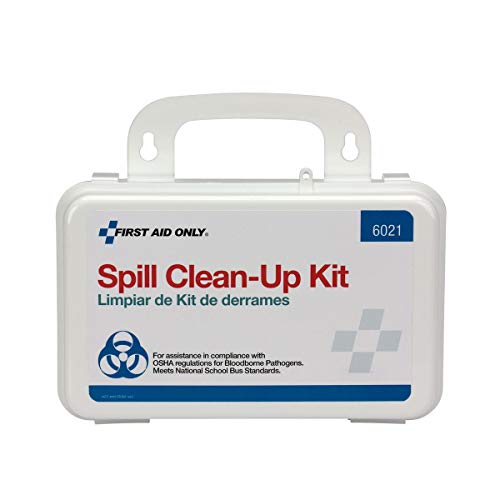
Use only approved, labeled fuel containers and caps. Store them away from heat sources and keep the garage organized so you can move containers without bumping them. Add a basic spill kit—absorbent pads, granules, gloves, and sealed disposal bags—so the next gasoline spill cleanup has a response plan ready from minute one.
Q: How do I reduce the chance of another gasoline spill in my garage?
Use approved containers, label and store them consistently, keep funnels/trays under fueling points, and maintain a small spill kit so you can contain a leak instantly.
Q: When should I call a professional for a gasoline spill cleanup?
Call local hazmat or a qualified cleanup contractor if the spill is large, if vapors persist after ventilation, if contamination reaches drains/soil, or if you can’t safely identify the source.
When you clean up a gas spill in your garage, the priorities are safety first—stop the leak, ventilate, and remove ignition risks—then absorb, clean residue, and dispose of materials correctly. Follow the steps above, and if the spill is large or fumes persist, consider contacting local hazmat or a professional cleanup service. Afterward, stock a basic spill kit and review how you store and handle fuel to prevent repeats.
Frequently Asked Questions
What should I do immediately after a gas spill in my garage?
Turn off ignition sources and avoid creating sparks, including not flipping electrical switches. Ventilate the area by opening the garage door and doors to move gasoline vapors outside. If the spill is small, stop the leak first (safely) and keep people and pets away until cleanup is complete. If it’s large, has fumes you can’t control, or is near drains, call local fire services or emergency guidance before attempting cleanup.
How do I clean up a gasoline spill on concrete in a garage?
Use an absorbent material made for fuel (such as oil-absorbent pads, absorbent granules, or kitty litter labeled for hydrocarbons) to contain the spill, then work from the outside edges toward the center. After the bulk gasoline is absorbed, remove contaminated absorbents with a shovel or scoop and place them into a sealed, labeled container. Wipe the area with a fuel-safe cleaner or mild detergent and warm water, then repeat absorption if the concrete still smells strongly of gas. Dispose of all contaminated materials according to local hazardous waste rules.
Which products are best for absorbing gasoline spills in a garage?
The best products are commercially made hydrocarbon or oil absorbents (pads, booms, or granules) because they’re designed to capture fuel and reduce spreading. Avoid using sawdust or regular paper products that can be messy or burn easily, and don’t use a shop vacuum unless you’re using an explosion-proof, fuel-rated unit and local rules allow it. For final deodorizing, use a purpose-made degreaser or cleaner formulated for petroleum, not bleach or strong acids. Always check labels for compatibility with gasoline and follow the safety instructions.
Why is it dangerous to hose down a gasoline spill in a garage?
Hosing a gas spill can spread gasoline across the floor and into garage drains, which increases fire risk and environmental contamination. Gasoline vapors can ignite even after visible liquid is gone, so spreading the spill can worsen exposure. Water can also push fuel into cracks and porous concrete, making odor and contamination last longer. Instead, contain and absorb first, then clean only after most fuel has been removed.
How can I remove the gas smell after cleaning up the spill?
First, confirm the area is fully de-fueled by using absorbents again if the concrete still has a strong gasoline odor. After wiping with detergent and water, improve ventilation and consider repeating a fuel-safe degreaser to pull remaining residues from the surface pores. For persistent odors, you can use an absorbent-based odor remover designed for petroleum or lightly rework the surface cleaning process until the smell fades. If odor returns quickly or contamination seems deep, the spill may have penetrated concrete and you may need professional remediation.
📅 Last Updated: September 27, 2026 | Topic: how to clean up a gas spill in garage | Content verified for accuracy and freshness.
References
- 1910.106 – Flammable liquids. | Occupational Safety and Health Administration
https://www.osha.gov/laws-regs/regulations/standardnumber/1910/1910.106 - 1910.120 – Hazardous waste operations and emergency response. | Occupational Safety and Health Ad…
https://www.osha.gov/laws-regs/regulations/standardnumber/1910/1910.120 - https://www.epa.gov/emergency-response/spills-and-releases
- Pocket Guide to Chemical Hazards | NIOSH | CDC
https://www.cdc.gov/niosh/npg/ - Chemical accident
https://en.wikipedia.org/wiki/Chemical_spill - Household Hazardous Waste (HHW) | US EPA
https://www.epa.gov/hw/household-hazardous-waste - https://scholar.google.com/scholar?q=how+to+clean+up+gasoline+spill+in+garage Google Scholar
- https://scholar.google.com/scholar?q=flammable+liquid+spill+response+guidelines+ventilation+eliminate+ignition+sources Google Scholar
- https://scholar.google.com/scholar?q=hazardous+materials+incidents+spill+response+flammable+liquids Google Scholar
- https://scholar.google.com/scholar?q=how+to+clean+up+a+gas+spill+in+garage Google Scholar
