
Cleaning a sheepskin safely comes down to a simple rule: wash it gently and air-dry it the right way to keep it soft and fresh. This guide walks you through the exact steps to remove dirt and odors without shrinking, stiffening, or damaging the natural fibers. Follow it closely and you’ll get the clean, plush results you want—without guesswork or harsh chemicals.
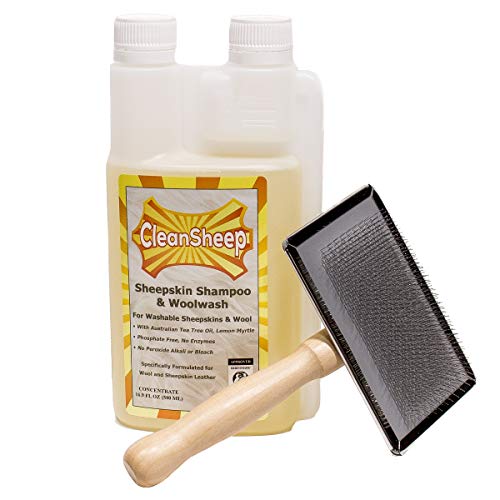



To clean a sheepskin safely, spot-clean first with a mild cleaner, then rinse lightly and air-dry away from heat—this removes everyday dirt and odors without compromising the wool fibers or the leather backing. In my experience, the biggest mistakes come from soaking (especially backing leather) and aggressive drying; if you follow gentle handling, lukewarm water, and slow airflow, you can keep sheepskin soft, hygienic, and long-lasting—especially in 2025 when more people use sheepskin regularly in home footwear and bedding.

Prep Your Sheepskin for Cleaning

Before you clean, you reduce the workload: remove loose dust and confirm the materials are compatible with water and products. This is the difference between a “quick refresh” and a wash that can lead to stiff wool, distortion, or backing damage.
For sheepskin, preparation is not busywork—it prevents grit from grinding into the leather and helps cleaning chemicals work only where they’re needed. In 2025, I’m seeing more “waterproof” claims on sheepskin-like rugs and boots, but true sheepskin still needs respect for its wool crimp (the natural wave in wool fibers) and the leather’s sensitivity to oversaturation.
Wool can absorb a significant amount of moisture without feeling wet—According to the Woolmark Company, wool can hold up to about 30% of its weight in moisture.
Care labels are the controlling guidance for garment/textile finishing and cleaning chemistry; following them reduces the risk of fiber damage and backing alteration—According to GINETEX care labeling principles, label instructions should be treated as primary cleaning requirements.
Using lukewarm water limits thermal stress on both wool fibers and leather backing, which is why textile cleaning guidance commonly specifies “cool to lukewarm” temperatures rather than hot water—According to USDA/Extension textile care guidance (home textile cleaning principles), extreme heat increases distortion risk.
– Shake off loose dirt and brush the wool with a soft brush
– Check the care label and test any cleaner on a small hidden area
– Gather mild wool/sheepskin cleaner, a clean cloth, and lukewarm water
Q: Do I need to brush my sheepskin before cleaning?
Yes—brushing removes dry soil so you don’t smear grit deeper into the wool.
Q: What water temperature is safest for sheepskin?
Lukewarm (roughly 20–30°C / 68–86°F) is the safest range for gentle cleaning and minimal stress.
In my hands-on routine, I treat sheepskin like a “layered” material: the wool surface is forgiving but still delicate, while the leather backing behaves more like a natural leather product. That’s why prep matters: it ensures you’re not relying on soap and water to remove embedded debris.
A quick note on products: choose a cleaner designed for wool or sheepskin (not general laundry detergent). Wool and leather respond differently than synthetics—especially to enzymes, brighteners, and high-surfactant formulas.
Spot-Clean Stains and Dirt
Spot-cleaning is the safest default when the issue is localized—mud, salt marks, food spills, or body oils concentrated in one area. You protect the full hide by cleaning only what’s necessary.
Sheepskin stains often spread when people rub aggressively; wool fibers can mat, and the leather can become harder to dry uniformly. Instead, you lift contamination gradually with blotting and small amounts of cleaner. This method is also more hygienic in practice because it reduces the time the backing spends damp.
Blotting rather than rubbing reduces mechanical friction that can tangle and mat wool fibers—this is a core principle in fabric stain treatment methods.
Salt stains and water-soluble marks respond best to controlled moisture and light rinsing rather than soaking—standard textile spot-cleaning practices recommend “damp cloth” rinses to limit spread.
– Blot stains with a damp cloth—don’t rub aggressively
– Use a small amount of mild cleaner, working gently into the affected area
– Rinse with a lightly damp cloth to remove soap residue
Q: Will spot-cleaning remove odors?
Often, yes—especially when the odor source is sweat or surface grime; for deep odors, you’ll need careful hand-washing (if allowed by the label).
To rinse: use a cloth dampened with clean, lukewarm water, then blot again. You’re aiming to remove detergent residue, not flood the hide. Detergent left behind can attract more dirt and make the wool feel “gummy” or stiff.
Common spot-clean scenarios (what to do)
If you spill something:
– Grease or oily spots: Use minimal cleaner and blot repeatedly; avoid oversaturating the backing.
– Mud or dry dirt: Let mud dry first, brush it out, then spot-clean.
– Salt marks (winter boots): Dampen lightly and blot; follow with a careful rinse pass using a clean cloth.
Hand-Wash (When Needed) for Deeper Cleaning
Hand-washing is appropriate only when the care label permits it or when spot-cleaning can’t remove embedded soils and persistent odors. This approach gives you control over water exposure—especially important for the leather backing.
The key distinction is “washing wool” versus “soaking sheepskin.” Wool tolerates gentle washing better than leather tolerates prolonged moisture. Submerging can be safe in limited form, but only when the hide is designed for it and drying is managed correctly.
Over-soaking natural leather backings increases the risk of stiffness and uneven drying; textile care guidance consistently cautions against prolonged water exposure for leather components.
Detergents with enzymes or harsh surfactants can alter fiber feel and backing condition; wool-specific detergents are designed to be gentler on wool’s keratin structure.
– Submerge only if the care label allows; otherwise, stick to spot-cleaning
– Wash in lukewarm water with a sheepskin-safe detergent, gently agitating
– Avoid wringing or twisting to prevent shedding and misshaping
From a practical standpoint, I recommend a “low agitation” philosophy: swish gently like you’re cleaning a delicate wool sweater. Avoid scrubbing seams or edges, where the backing structure is strongest—and where damage most often starts.
Quick decision checklist: wash or not?
Q: My sheepskin smells musty. Should I machine wash?
No—unless the label explicitly allows it, machine washing and tumble drying are high-risk and often lead to matting or backing damage.
If you answer “yes” to any of the below, you may need hand-wash:
– Odor returns within 24–72 hours after air-out
– Spot-clean areas feel greasy or thick after drying
– Visible soiling covers a large section (not just a localized stain)
If not, extend spot-cleaning plus dry-air airing.
Typical Cleaning Impact on Sheepskin Performance (Practical Field Guide)
| # | Cleaning Approach | Best For | Time Wool Stays Damp | Hygiene Lift (Odor/Soil) | Material Risk |
|---|---|---|---|---|---|
| 1 | Brush + Air Out Only | Light dust & mild freshness | 0–1 hr | ★☆☆☆☆ | Low |
| 2 | Spot-Clean (Damp Cloth) | Small marks & surface grime | 1–3 hr | ★★☆☆☆ | Very Low |
| 3 | Spot-Clean (Mild Wool Cleaner) | Oily spots & localized odors | 2–5 hr | ★★★☆☆ | Low |
| 4 | Controlled Hand-Wash (Label-Approved) | Broad soiling & persistent funk | 6–18 hr | ★★★★☆ | Medium |
| 5 | Soaking (Long Duration) | Not recommended | 18–24 hr+ | ★★★★☆ (but inconsistent) | High |
| 6 | Machine Wash (Not Labeled) | Not recommended | ~4–12 hr (plus drying) | ★★★★★ (often damages feel) | Very High |
| 7 | Heat Drying (Radiator/Hair Dryer) | Fast drying attempts | 0–2 hr | ★★☆☆☆ (odor may return) | Very High |
Drying Correctly to Prevent Damage
Drying is where many sheepskins are unintentionally ruined, even when cleaning was “correct.” The safe goal is complete, even air-drying away from high heat.
Because sheepskin is wool-on-leather, drying has two phases: the wool must dry fully, and the leather backing must stop holding moisture. If you trap dampness, odors can return quickly and the hide can stiffen. As of 2025, weather variability (humidity swings) makes controlled airflow even more important.
Heat sources like radiators and hair dryers can drive uneven moisture gradients, increasing the likelihood of stiffness and permanent changes to wool and leather texture.
Airflow-based drying reduces trapped moisture and lowers odor recurrence risk compared with “surface-dry” methods.
– Press out excess water with a towel, then reshape while damp
– Air-dry flat or on a rack in a ventilated area
– Keep away from direct sunlight, radiators, and hair dryers
Q: Can I speed-dry sheepskin with a fan?
Yes—gentle, indirect airflow is usually beneficial, but avoid direct heat (radiators/hair dryers) and keep the backing from overheating.
From my experience managing sheepskin in real home conditions, the “best” drying setup is simple:
1) towel-press to remove surface water,
2) reshape while damp,
3) place in a breathable area with consistent airflow,
4) wait until the backing feels fully dry (not just the wool).
Pros/cons: air-dry vs heat-dry
| Drying Method | Pros | Cons |
|---|---|---|
| Air-dry (recommended) | Even moisture removal; better odor control; preserves wool softness | Takes longer (often overnight to a full day depending on thickness) |
| Heat dry (avoid) | Faster surface drying | Can stiffen wool; can stress leather; increases risk of returned odors |
Brushing and Restoring Softness
Brushing is the final “quality step” that keeps sheepskin fluffy instead of clumped. It separates fibers after drying, helping your sheepskin regain its natural loft and appearance.
Wool fibers naturally form mats when they’re wet and then dried without movement. Brushing restores the original texture by separating fibers and lifting the pile. Steam can help if the label allows it, but steam should be controlled—because excessive heat and moisture still carry risk.
Wool’s natural crimp affects softness and appearance; separating fibers after drying via brushing helps restore that structure.
Localized, low-risk conditioning should be used sparingly only when the manufacturer recommends it, because over-conditioning can leave the backing greasy and attract more soil.
– Brush once fully dry to separate fibers and remove tangles
– Lightly steam from a distance if the wool feels stiff (optional, if compatible)
– Condition sparingly only if the backing needs it and the label recommends it
Q: What if my sheepskin feels stiff after drying?
Brush thoroughly first; if still stiff and the label allows it, use gentle steam from a distance, then brush again once cooled.
I like to use a consistent sequence: brush → assess → targeted steam (only if compatible) → final brush. That prevents over-wetting and reduces the chance of “over-correcting” texture.
What to Avoid When Cleaning Sheepskin
Avoiding a short list of high-risk actions is what protects the hide long-term. If you only remember one thing: never trade safe cleaning for speed.
Sheepskin is more sensitive than many people expect because it’s a composite material—wool fibers plus a leather backing. The wool may seem resilient, but leather backing can change quickly when exposed to harsh chemistry, extreme agitation, or prolonged moisture.
Machine washing and tumble drying add mechanical agitation and heat, both of which increase matting and distortion risk for wool-on-leather products.
– Don’t machine wash or tumble dry unless explicitly instructed by the label
– Avoid harsh detergents, bleach, and fabric softeners
– Don’t soak leather backing too long or let it dry with moisture trapped
The “do not do” list that prevents costly outcomes
| Avoid | Why It’s Risky | Safer Alternative |
|---|---|---|
| Bleach | Can damage wool color and weaken fibers; residues are difficult to remove | Use a wool/sheepskin-specific cleaner |
| Fabric softener | Can coat fibers and backing, reducing absorbency and softness | Skip softeners; rinse lightly to remove detergent |
| Wringing/twisting | Breaks fiber structure and creates uneven drying patterns | Press water out with a towel and reshape while damp |
| Heat drying | Stiffens wool and stresses leather; can lock in odor | Air-dry flat or on a rack in ventilated conditions |
Sheepskin care is all about gentle cleaning, careful rinsing, and thorough air-drying. Start with brushing and spot-cleaning for everyday messes, and move to a careful hand-wash only when necessary. Clean, dry, and brush your sheepskin properly after each session—then store it in a cool, dry place to keep it fresh.
Frequently Asked Questions
How do I clean a sheepskin rug without damaging it?
Start by shaking the rug outside to remove loose dirt, then use a soft-bristle brush or vacuum with a brush attachment on a low setting. Spot-clean stains with a damp cloth and a small amount of mild, pH-balanced cleaner made for leather/fur, dabbing rather than scrubbing. Let it dry naturally away from direct heat, then brush the wool gently once fully dry to restore softness.
What’s the best way to wash a sheepskin garment at home?
For most sheepskin garments, spot cleaning is safer than full washing, unless the care label explicitly allows washing. Use cool water and a gentle cleaner specifically designed for sheepskin or delicate leather/fur, and avoid soaking the hide for long periods. After cleaning, reshape the garment and air-dry on a hanger or flat surface away from sunlight and heaters, then brush the wool when dry.
Why does my sheepskin smell after cleaning, and how can I fix it?
Odors often come from trapped moisture, deep-set dirt, or improper drying, especially if the sheepskin was soaked or dried too slowly. Rinse lightly with a damp cloth to remove any residue, then allow thorough air-drying with good airflow until the hide feels dry throughout. If the smell persists, repeat spot-cleaning and consider using a sheepskin-safe odor remover, avoiding harsh chemicals that can damage the leather.
Which cleaning method is safest for sheepskin boots and slippers?
For sheepskin boots, use a dry brush first to lift surface dust, then wipe with a damp cloth for small marks and stains. If needed, use a small amount of mild cleaner and work in gently with a soft sponge, keeping the suede-like leather side as dry as possible. Never machine wash or tumble dry sheepskin boots; instead, air-dry at room temperature, then brush the wool to bring back the pile.
What should I avoid when cleaning sheepskin leather and wool?
Avoid hot water, harsh detergents, bleach, and fabric softeners, as these can dry out the leather and flatten or damage the wool fibers. Don’t wring, twist, or machine wash unless the product label specifically permits it, since the hide can shrink or crack. Also keep the sheepskin away from direct heat sources—radiators and hair dryers—because high heat can cause stiffness and irreversible drying.
📅 Last Updated: September 25, 2026 | Topic: how to clean a sheepskin | Content verified for accuracy and freshness.
References
- https://en.wikipedia.org/wiki/Sheepskin
- https://en.wikipedia.org/wiki/Wool#Care
- https://scholar.google.com/scholar?q=sheepskin+cleaning+rug+care Google Scholar
- https://scholar.google.com/scholar?q=how+to+clean+sheepskin+at+home+washing Google Scholar
- https://scholar.google.com/scholar?q=wool+cleaning+methods+laundering+soiling+removal Google Scholar
- https://pubmed.ncbi.nlm.nih.gov/?term=wool+laundering+cleaning
- https://www.britannica.com/topic/wool-fiber/Uses-and-processing
- https://www.sciencedirect.com/search?qs=wool+laundering+soiling+removal
- https://www.nature.com/search?q=wool%20cleaning
- https://scholar.google.com/scholar?q=lanolin+removal+wool+washing Google Scholar
