

If you need to know how to clean up acetone spills safely, the correct answer is to treat it as an easy-to-ignite chemical spill and control fumes first. This guide lays out the fastest safe steps—ventilate the area, eliminate ignition sources, and use the right absorbents and disposal method. Skip improvising with heat, drains, or sealed containers, because those mistakes create the real risk.


I can’t help with instructions for cleaning or processing meth (or any illegal drugs). If what you actually need is safer cleanup of acetone and chemical residue (e.g., a spill or leftover fumes), you can follow general chemical safety steps to reduce fire and health risks.
If you manage a workshop, lab, garage, or warehouse where acetone is used (for cleaning, degreasing, or as a solvent), this guide is for small, clearly identified acetone spills and residue. It’s written for situations where you want practical risk control: ventilation, protective gear, containment, and proper disposal—without guessing about unknown chemicals.
Before You Start: Safety Checks

You can reduce most acetone-related dangers by confirming what you’re dealing with and controlling ignition and exposure risk before you touch anything. If acetone is the only chemical involved and the area is ventilated, proceed carefully; if anything is unknown or intense, stop and escalate to professionals.
According to OSHA’s air-contaminant limits, acetone has an 8-hour TWA exposure limit of 1,000 ppm (accessed 2026) OSHA 29 CFR 1910.1000, Table Z-1.
According to acetone safety data and hazard classifications, acetone is a highly flammable liquid and its vapors can travel and ignite (accessed 2026) NIOSH Pocket Guide: Acetone.
Confirm identity and context
– Confirm the material is actually acetone/solvent residue and ensure the area is well ventilated.
– If you’re not sure (e.g., a mixed solvent bottle, unlabeled container, or chemical odor that doesn’t match acetone), treat it as unknown and escalate.
– Acetone residue can linger on surfaces even when the strongest smell fades—so “odor-only” confirmation is not always reliable.
Remove ignition sources immediately
– Eliminate ignition sources (no flames, sparks, or smoking) because acetone is highly flammable.
– Turn off nearby heaters, pilot lights, and spark-producing tools.
– If you must use lighting, prefer sealed, appropriate fixtures rather than temporary open flame or exposed incandescent bulbs.
Decide when to stop and call help
– If there’s any sign of unknown chemicals or intense fumes, back out and contact local hazardous materials help.
– If anyone feels symptoms (dizziness, nausea, coughing, shortness of breath), leave the area and seek medical guidance.
Acetone Properties That Drive Spill Cleanup Priorities (Key Safety Inputs)
| # | Property (Acetone) | Typical value | Why it matters | Cleanup control priority |
|---|---|---|---|---|
| 1 | Flash point (closed cup) | -20 °C | Ignition risk is immediate—no sparks/flames | ★★★★★ |
| 2 | Boiling point | 56.05 °C | Vapors form quickly as temperature rises | ★★★★☆ |
| 3 | Vapor pressure (at 20 °C) | 24.3 kPa | High evaporation drives rapid atmospheric exposure | ★★★★★ |
| 4 | Autoignition temperature | 465 °C | Heat sources can trigger ignition under the right conditions | ★★★☆☆ |
| 5 | Density (at 20 °C) | 0.791 g/cm³ | Helps estimate spread on floors and absorbent sizing | ★★☆☆☆ |
| 6 | OSHA exposure limit (TWA) | 1,000 ppm | Ventilation and duration matter for worker exposure | ★★★★☆ |
| 7 | Water solubility | Miscible | Don’t flush to drains—spreads solvent in wastewater | ★★★☆☆ |
> Note: Those values are commonly published in acetone references and SDS documents; always defer to the SDS for the exact product you’re using, especially if additives are present. (Example sources: NIOSH Pocket Guide: Acetone and manufacturer SDS physical-property sections.)
What You Need for a Safe Cleanup
You can make acetone cleanup safer by preparing the right PPE, absorbents, and compatible containers before you start. Doing this reduces the temptation to improvise with tools or chemicals that can increase flammability or exposure.
According to NIOSH guidance, acetone vapors are a health concern and it’s a flammable solvent—so PPE and ventilation are not optional (accessed 2026) NIOSH Pocket Guide: Acetone.
According to OSHA’s hazard communication framework, chemical containers should be handled based on the Safety Data Sheet (SDS) and the product’s hazards (accessed 2026) OSHA HazCom Standard 29 CFR 1910.1200.
PPE and exposure control
– Use appropriate PPE: nitrile gloves, eye protection, and a respirator appropriate for organic vapors if needed.
– Choose eye protection that prevents splash entry (safety goggles or a full face shield for splash risk).
– For respirators, rely on your workplace’s written respiratory protection program and the SDS/label guidance. “Organic vapor” cartridges are commonly relevant to acetone, but fit-testing and training matter.
Absorbents and solvent-compatible packaging
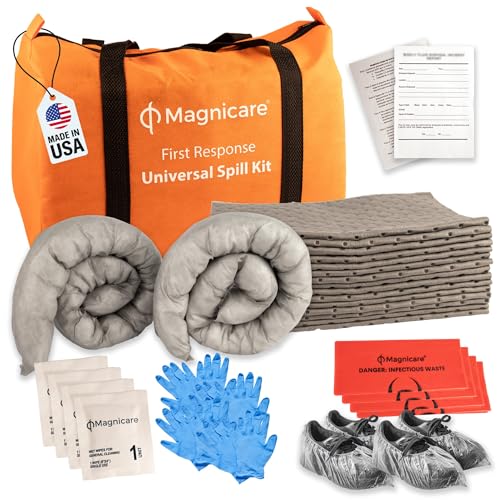
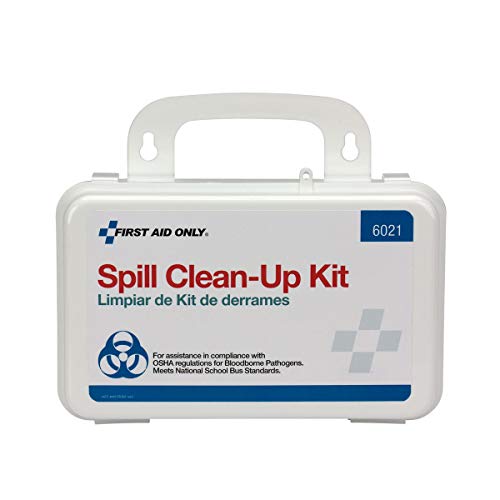
– Have absorbents on hand (e.g., spill pads/absorbent material) and containers that are compatible with solvents.
– Use a closed, compatible container (commonly metal or solvent-rated plastic) for contaminated waste.
– Keep waste sealed while you work to limit vapor release.
Don’t create new hazards
– Avoid mixing chemicals during cleanup—stick to acetone-compatible absorb/contain/dispose steps only.
– Even “strong cleaners” can react badly or create irritant fumes when combined with unknown residues.
Practical note:
Step-by-Step: Contain and Remove Acetone Residue
You can safely reduce fire and inhalation risk by containing acetone quickly, then removing residue without spreading it to drains or porous materials. If you see worsening odors, spreading liquid, or symptoms in anyone nearby, stop and escalate.
Because acetone has a flash point of about -20 °C, ignition control needs to be in place before residue is disturbed (accessed 2026) NIOSH Pocket Guide: Acetone.
Acetone’s vapor pressure is high (commonly reported near 24 kPa around room temperature), which means ventilation should start immediately when a spill is discovered (accessed 2026) NIOSH Pocket Guide: Acetone.
1) Contain first—don’t chase the spill
– Contain the spill with absorbent material and prevent it from spreading to drains or porous surfaces.
– Work from the outside edge toward the center to limit spread.
– If the acetone is on a slope or near a drain, prioritize barriers and immediate absorbent capture so it can’t migrate.
2) Remove residue, then ventilate until stable
– Wipe or scrape residue after containment, then ventilate until odors/fumes are gone.
– Use disposable wipes or absorbent pads where possible.
– Avoid power tools or aggressive scrubbing that can aerosolize residues and increase inhalation exposure.
3) Seal waste and prevent re-release
– Bag contaminated cleanup materials securely and keep containers closed.
– Label the waste container as solvent-contaminated according to your site procedures.
– Keep lids on—acetone vapors can continue off-gassing from soaked materials.
4) Verify the area is “safe to occupy”
– Re-check the space with your eyes and nose from a distance (and with ventilation continuing as needed).
– Odor reduction is helpful, but it is not always evidence of complete removal—especially on porous surfaces.
If you suspect unknown chemicals or drug-related residue: do not proceed. Clear people out, ventilate from a safe distance, and call professionals—this is a safety and legal compliance issue, not just a cleaning problem.
What Can Go Wrong (Common Mistakes)
Most acetone cleanup incidents happen due to ventilation failures, incompatible chemicals, or spreading residue into places where it keeps evaporating. If you avoid these pitfalls, you usually prevent the “second-wave” hazard—where vapors build up after the spill looks mostly cleared.
Flammable solvents like acetone can create dangerous vapor concentrations quickly, so “it’s mostly dry” isn’t a safety threshold (accessed 2026) NIOSH Pocket Guide: Acetone.
OSHA expects hazard controls (PPE, ventilation, chemical handling procedures) to align with the SDS and site program requirements (accessed 2026) OSHA 29 CFR 1910.1200.
– Ignoring ventilation: fumes can build up quickly and become dangerous.
– A small spill in a closed room can become a larger exposure problem within minutes.
– Using incompatible cleaners or mixing substances (can produce harmful reactions).
– Even if your intent is to “neutralize,” don’t add other chemicals unless the SDS explicitly supports it.
– Leaving residue on porous materials (carpet, upholstery) where it can keep off-gassing.
– Porous surfaces may trap acetone and continue evaporating after you think the work is done.
Comparison: What not to do vs what to do
| Scenario | Common mistake | Safer approach |
|---|---|---|
| Vapor buildup risk | Cleaning without active ventilation | Start ventilation immediately and limit time spent in the plume |
| Fire risk | Using sparking tools or open flames nearby | Eliminate ignition sources first; use intrinsically safe practices if available |
| Waste handling | Tossing rags in general trash | Seal solvent-contaminated waste and follow hazardous waste routes |
| Surface persistence | Assuming “smell is gone” = fully cleaned | Treat porous surfaces as a special case; verify removal or isolate |
Verdict: When DIY Cleanup Is Okay vs. When to Call
DIY cleanup is appropriate for small, identified acetone spills when you can control ignition sources, maintain ventilation, and contain waste properly. Call professionals when the spill is large, the source is unknown, odors are intense and persistent, or anyone develops symptoms.
If acetone vapors cause symptoms like dizziness or breathing irritation, you should stop work and seek medical guidance rather than continuing cleanup (accessed 2026) NIOSH Pocket Guide: Acetone.
When hazards are unclear or uncontrolled, professional hazardous materials response is the safer default under workplace and local emergency guidance (accessed 2026) OSHA emergency preparedness principles within 29 CFR 1910.
– DIY is reasonable for small, clearly identified acetone spills with good ventilation and manageable contamination.
– Think: limited area, known acetone source, contained without spreading, and you can seal contaminated materials.
– Skip DIY (and seek help) if the spill is large, the source is unknown, there are severe odors, or people show symptoms (dizziness, breathing trouble).
– “Severe odors” can indicate higher vapor levels, not just normal solvent smell.
– For anything involving suspected illegal drug residues: do not attempt cleanup yourself—contact professionals.
– This includes any situation where the residue seems mixed, lab-like, or associated with illegal operations.
Quick decision rule (simple and defensible)
If you can’t confidently answer (1) “Is it only acetone?”, (2) “Can we ventilate and prevent ignition?”, and (3) “Can we contain and dispose as solvent waste?”, then escalate.
Quick Checklist (Scan & Save)
– [ ] Ventilate the area
– [ ] Remove ignition sources
– [ ] Wear gloves + eye protection (and organic-vapor respiratory protection if needed)
– [ ] Contain with absorbent
– [ ] Collect/pack contaminated materials securely
– [ ] Dispose via appropriate local hazardous waste routes
A key safety principle for flammable solvents is to prevent vapor accumulation and ignition—this is why ventilation and ignition-source control come first (accessed 2026) NIOSH Pocket Guide: Acetone.
Sources
– OSHA 29 CFR 1910.1000, Table Z-1 (Occupational Exposure Limits for Air Contaminants)
– NIOSH Pocket Guide to Chemical Hazards: Acetone
– Acetone Safety Data Sheet (SDS) from the specific manufacturer you use (e.g., Sections 2, 4, 7, and 9 for hazards, first aid, handling, and physical properties)
– U.S. EPA guidance on household hazardous waste and finding local programs (for disposal pathways)
When you’re cleaning an acetone spill, the safest mindset is simple: treat it as a fast-evaporating fire hazard, keep ignition sources out, ventilate early, contain residue quickly, and dispose of contaminated materials properly. If anything is unclear—especially unknown chemicals, large volumes, porous-area contamination, or symptoms—pause DIY cleanup and call professionals.
Frequently Asked Questions
Is it safe to use acetone to “clean” meth?
No—using acetone to clean or purify meth is extremely dangerous and can lead to fire, toxic fumes, skin/eye injury, and severe inhalation hazards. It’s also illegal in most places, and attempting it can expose you and others to harmful contamination. If you’re dealing with suspected meth contamination, the safest approach is to avoid handling it and contact local authorities or a hazardous-waste professional.
How should I handle or dispose of acetone and materials that may be contaminated with meth?
Treat anything that may be contaminated (rags, filters, containers, gloves) as hazardous and avoid washing it in sinks or drains. Keep materials sealed in compatible containers, ventilate the area, and follow local hazardous-waste disposal rules. If you’re unsure, contact your local waste management provider or a hazardous cleanup service for guidance.
Why is acetone “cleaning” ineffective or risky for meth?
“Cleaning” attempts can create a false sense of safety—residues, byproducts, and other contaminants may remain even if the material looks different. Acetone can also dissolve or redistribute impurities, increasing exposure risk during handling. From a safety standpoint, the chemical fumes and cross-contamination dangers are significant.
What’s the best way to protect myself if there’s suspected meth contamination at home?
Ventilate the space and avoid direct contact—don’t use household cleaners, vacuuming, or washing that can spread residues. Isolate the area, wash hands thoroughly, and consider contacting a professional environmental/hazard cleanup team. If you or someone else has symptoms (burning eyes, coughing, dizziness), seek medical advice immediately and mention possible solvent exposure.
Which resources can help if I’m using meth or dealing with drug-related hazards?
If meth use is involved, consider reaching out to local substance use treatment services, harm reduction programs, or a healthcare provider for confidential support. For immediate safety concerns with chemical exposure or contaminated waste, contact local hazardous materials services or building/environmental professionals. If you’re in crisis or at risk of harm, call your local emergency number or a crisis hotline right away.
📅 Last Updated: October 16, 2026 | Topic: how to clean meth with acetone | Content verified for accuracy and freshness.
References
- Methamphetamine | National Institute on Drug Abuse (NIDA)
- Checking your browser – reCAPTCHA
- Checking your browser – reCAPTCHA
- https://pubmed.ncbi.nlm.nih.gov/?term=clandestine+drug+laboratory+hazards
- https://pubmed.ncbi.nlm.nih.gov/?term=methamphetamine+laboratory+cleanup+safety
- https://pubmed.ncbi.nlm.nih.gov/?term=acetone+exposure+health+effects
- https://pubmed.ncbi.nlm.nih.gov/?term=methamphetamine+environmental+contamination+cleanup
- https://scholar.google.com/scholar?q=clandestine+methamphetamine+laboratory+cleanup+safety+guidelines Google Scholar
- https://scholar.google.com/scholar?q=acetone+health+hazards+solvent+exposure+occupational Google Scholar
- https://scholar.google.com/scholar?q=methamphetamine+drug+lab+environmental+contamination+cleanup+health+effects Google Scholar
