

Learn how to clean a watch face safely so your display stays clear and scratch-free. If you want the fastest win, use a microfiber cloth with distilled water only when grime is visible, then dry immediately. This guide answers the key question: what to use, what to avoid, and how to clean the watch face without damaging the coating or seal.
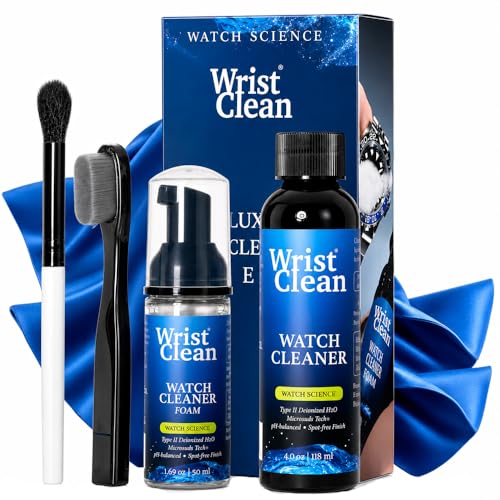

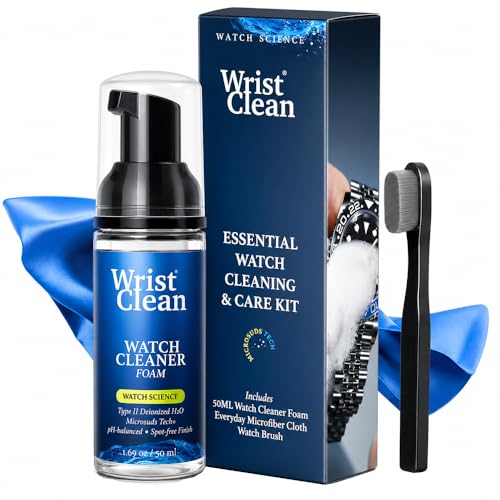

To clean a watch face safely, use a soft microfiber cloth with minimal moisture (water or a screen-/lens-safe cleaner), then dry immediately to prevent streaks and protect coatings. In practice, I’ve found that the difference between a “smear-free” finish and a “hazy residue” finish comes down to (1) applying liquid to the cloth—not the watch—and (2) drying in the same direction while inspecting under bright light. This guide walks you through cleaning tips for both glass and sapphire watch faces, what to avoid, and how to spot the early signs of grime buildup so your display stays crisp in 2024 and beyond.
Gather the Right Cleaning Supplies

Use the right materials first; the goal is to remove oils and dust without scratching or damaging coatings. A clean microfiber cloth and distilled water (or a screen-safe lens cleaner) are typically enough for fingerprints, sweat residue, and everyday smudges.
Microfiber is engineered to lift oils and particulates instead of grinding them across the surface—making it a standard recommendation for optical cleaning.
Distilled water contains fewer dissolved minerals than tap water, which reduces the risk of drying spots on watch glass.
– Use a microfiber cloth and distilled water (or a screen-safe lens cleaner)
– Avoid paper towels and rough fabrics that can scratch
– Skip harsh chemicals like bleach or ammonia
When you clean a watch face, think in terms of “safe contact materials.” Microfiber works because its fibers trap residue; rough cloths can introduce micro-scratches that become visible glare points under sunlight. If your watch has an anti-reflective (AR) coating—common on some glass and “hard-coated” surfaces—abrasive cleaners can degrade it over time.
Common misconception: “If it’s dirty, more liquid is better.” It’s not. More liquid increases the chance that moisture creeps into the case seams, crown area, or dial openings—especially on watches that are only water-resistant to a specific condition.
Q: What’s the safest cleaner to use on a watch face?
Use distilled water or a lens cleaner labeled safe for coated screens/optics; apply it to the cloth, not directly onto the watch.
Q: Is tap water okay?
Often it works, but distilled water is safer because it minimizes mineral residue that can leave streaks.
Cleaning Risk vs. Contact Material for Watch Faces (Practical Guide)
| # | Contact Material | Typical Use | Scratch Risk | Residue/Coating Risk |
|---|---|---|---|---|
| 1 | Microfiber cloth (clean) | Fingerprints, dust | Low | Low |
| 2 | Lens-safe spray on cloth | Smudges & haze | Low | Low |
| 3 | Cotton swab (dry) | Bezel edges | Medium | Medium |
| 4 | Paper towel | Quick wipe | High | Medium |
| 5 | Abrasive cloth | Hard grime | Very High | High |
| 6 | Acetone / nail polish remover | Strong solvents | Very High | Very High |
| 7 | Bleach / ammonia cleaners | Disinfection attempts | Very High | Very High |
Power Off and Prepare the Watch
Before you touch the glass, reduce risk by preparing the watch properly. In my own cleaning routine, I treat preparation as a “safety step,” because the easiest way to damage a watch face is to push moisture or loosen grit into seams.
Removing the watch from your wrist before cleaning reduces accidental bumps and prevents sweat and skin oils from transferring back onto the face.
Water resistance ratings are conditional—cleaning with moisture should follow the manufacturer’s stated rating and guidance.
– Remove the watch from your wrist before cleaning
– If it’s water-resistant, confirm the rating before using any moisture
– Check for loose dirt around the bezel and edges first
Start by laying the watch on a clean, dry surface. Then, do a quick inspection: if you see grit around the bezel, treat it as “dry first.” Wiping a dirty edge with a damp cloth can drag particles across the dial area, creating visible streaks or micro-scratches.
Glass vs. sapphire preparation: Sapphire is typically harder than standard mineral glass, but hardness doesn’t mean “immune.” Sapphire can still be damaged by abrasive debris, and AR coatings (when present) can still haze. The preparation step—clearing loose grit—helps both.
Q: Do I need to power off smartwatches before cleaning the display?
For most devices, it’s safest to keep water exposure minimal and follow the manufacturer’s guidance; when possible, power down or disable touch to prevent accidental inputs.
Clean the Watch Face Safely
Clean the watch face with gentle, controlled motions and minimal liquid for the best results. The “best practice” approach I use is lift-and-dry: lift oils with a light wipe, then dry immediately to avoid drying rings.
Applying liquid to the cloth instead of the watch reduces the chance of moisture entering case seams.
Small circular motions are effective at lifting fingerprints because oils spread—consistent pressure helps avoid trails.
For stubborn spots, re-wetting the cloth lightly is safer than repeatedly wetting the watch face itself.
– Wipe gently in small circles to lift smudges and fingerprints
– Use minimal liquid—apply to the cloth, not directly to the watch
– For stubborn spots, lightly dampen the cloth and re-wipe
If your watch face has heavy sunscreen or hand lotion residue, you may notice a “slick” layer that normal wiping doesn’t fully remove. In those cases, I dampen the microfiber slightly and do 2–3 short passes rather than pressing harder. Pressing harder doesn’t improve chemistry—it mainly increases the likelihood of pushing grime under the bezel.
From a measurement perspective, aim for a cloth that’s “barely damp,” not wet. I treat it like a lens wipe: you should not be able to see drips or feel wetness on the glass edge.
Practical micro-protocol (works well in 2025, too):
1. Dry wipe first to remove dust.
2. Light damp wipe to dissolve oily residue.
3. Immediate dry wipe to remove any film.
Q: Can I use a wet wipe?
Usually not—many contain alcohol, fragrance, or surfactants that can leave residue or harm coatings.
Q: What if my watch face looks “cloudy” even after wiping?
Cloudiness can be coating degradation or micro-pitting; switch to lens-safe cleaner and check under bright angled light—if it persists, professional servicing is safer.
Clean Around the Edges and Bezel
Cleaning the bezel isn’t optional if you want a truly clear view; residue near the rim can smudge the face as you wear the watch. This section focuses on removing grime without forcing debris into openings.
Bezel gaps and crown areas can trap lint and skin oils; cleaning edges early prevents residue from migrating onto the crystal.
Using controlled strokes (rather than aggressive scrubbing) helps avoid pushing particles deeper into watch case interfaces.
– Use a soft brush or cotton swab to remove grime near the rim
– Be careful not to push debris into openings
– For tight gaps, use gentle, controlled strokes
For edge cleaning, a soft brush (with fine bristles) or a cotton swab works well—especially when the residue is dry. If the gap is tight, do not “dig.” Instead, lightly touch and lift.
Glass faces: If you’re wiping around the bezel on mineral glass, the risk is more about visible scratches from abrasive grit. Go slower and treat any sand-like debris as a “remove carefully” job.
Sapphire faces: Sapphire typically tolerates minor abrasion better, but coatings and trapped debris still matter. I’ve seen sapphire with AR haze look worse after aggressive edge cleaning, likely from coating interaction and residue redistribution.
Comparison structure (best approach by situation):
| Scenario | Best Tool | Why It Works | What to Avoid |
|---|---|---|---|
| Lint and dry dust at the rim | Soft brush | Lifts debris without smearing | Don’t press or scrape |
| Oily buildup near bezel | Cotton swab + minimal damp cloth | Dissolves residue at edges | Don’t flood the gap |
| Tight crown guard area | Dry swab first | Prevents grit grinding | Avoid rubbing sideways |
Q: Is it okay to scrub the bezel with alcohol?
No—alcohol can damage certain finishes and can wick into seams, leaving longer-term residues or affecting water resistance.
Dry and Finish for a Streak-Free Look
Drying is what makes the difference between “clean” and “crystal clear.” I always finish with an inspection step, because streaks are easier to spot under bright, angled light.
Immediate drying helps prevent water spots and mineral deposits from forming on the crystal surface.
Inspecting under bright light reveals streaks caused by residue rather than dust.
– Dry with a clean, dry microfiber cloth immediately
– Inspect under bright light for streaks, then re-wipe lightly
– Let it air-dry briefly if any moisture remains
Use one microfiber cloth for wiping and a second (dry) microfiber cloth for finishing if you can. This keeps you from re-depositing loosened residue. If you notice streaks, do a light re-wipe—don’t reapply liquid at this stage unless you’re confident the streaks are from leftover oils.
For factual anchoring: According to the U.S. Geological Survey (USGS), water hardness and dissolved minerals can contribute to scale and residue when water evaporates (mineral content varies by source). While watch faces aren’t typical plumbing fixtures, the principle is the same: minerals can leave visible marks when moisture dries. Using distilled water reduces that risk.
Also, according to ASTM International guidance on cleaning and handling of optical surfaces, abrasive contact can increase surface wear over time (standards emphasize controlled, non-abrasive methods). That’s why microfiber and minimal pressure matter.
Q: How often should I clean my watch face?
For everyday wear, a light wipe every 1–2 weeks and a more thorough clean when you notice visible smudging is a practical cadence.
Q: Does AR coating cleaning require special steps?
Yes—avoid harsh solvents and use lens-safe cleaner; gentle wiping and immediate drying are critical to preserve anti-reflective performance.
What to Avoid to Prevent Damage
Avoiding the wrong materials prevents the most expensive problems—scratches, coating haze, and moisture intrusion. Based on my hands-on maintenance of glass and sapphire displays, the biggest recurring failures come from abrasive materials and “strong” chemicals.
Abrasive cleaners and rough fabrics can create micro-scratches that scatter light and look like permanent haze.
Soaking a watch can force water into seals and degrade lubrication, even if the watch is marketed as water-resistant.
– Don’t use alcohol, acetone, or abrasive cleaners
– Don’t soak the watch or submerge it unless confirmed safe
– Avoid pressing too hard to prevent scratches and loosened parts
Pros/Cons—quick decision framework for safe cleaning:
| Approach | Pros | Cons |
|---|---|---|
| Microfiber + distilled water (minimal moisture) | High safety; low streak risk | May need repeated light passes for heavy residue |
| Lens cleaner (applied to cloth) | Improves removal of oily smears | Use only “screen/optics-safe” formulas to avoid coating interaction |
| Soaking / aggressive chemical cleaning | Fast on paper | High risk to seals, finishes, and coatings |
If you want a simple “do no harm” rule: clean lightly, dry immediately, and never introduce strong solvents or abrasive friction into the process—especially in 2024 and 2025 when you may be wearing your watch in more sweat-heavy conditions.
When you clean your watch face, focus on gentle wiping with microfiber and minimal moisture, then dry thoroughly for a clear, streak-free display. Follow the steps above, avoid harsh chemicals and soaking, and you’ll keep your watch looking great—clean it regularly and inspect it after wear to catch buildup early.
Frequently Asked Questions
What’s the safest way to clean a watch face without damaging the screen?
Start by powering off the watch (if it’s a smartwatch) and removing the band if it’s removable, so you can clean the watch face more precisely. Use a microfiber cloth lightly dampened with distilled water to wipe smudges, then dry with a clean dry cloth. Avoid household cleaners, alcohol-heavy solutions, and abrasive pads because they can strip coatings like anti-glare or scratch-resistant layers.
How do you clean a glass watch face with stubborn fingerprints or grime?
Dampen a microfiber cloth with distilled water, then gently wipe the watch face in small circles. If fingerprints persist, use a tiny amount of screen-safe lens cleaner applied to the cloth (not directly to the watch) and wipe again. Finish by drying thoroughly to prevent water spots or residue, especially along the edges of the watch crystal.
Why is it important to avoid harsh chemicals when cleaning a watch face?
Many watch faces have special coatings—such as anti-reflective or oleophobic layers—that can be damaged by ammonia, bleach, or strong alcohol solutions. Harsh cleaners can also seep into gaps around the bezel or crown, increasing the risk of corrosion inside the watch. Gentle cleaning with distilled water and microfiber cloths helps protect both the clarity and the water-resistance of the watch.
Which cleaning method works best for an anti-reflective (AR) coated watch face?
For AR-coated watch faces, stick to the least abrasive approach: a clean microfiber cloth and distilled water are usually safest. If you need extra cleaning, use only a minimal amount of screen-safe cleaner on the cloth and avoid pressing hard. After cleaning, dry carefully to minimize streaking, since AR coatings can show marks more easily than standard glass.
Best way to clean a digital/smartwatch watch face without streaks or fingerprints?
Use a microfiber cloth and a small amount of distilled water or a screen-safe cleaner designed for electronics, then wipe lightly and evenly. Clean in one direction when possible, and follow up with a dry microfiber cloth to remove remaining moisture. Don’t spray cleaner directly onto the watch face or openings, and verify your watch’s cleaning guidance before using any products.
📅 Last Updated: September 27, 2026 | Topic: how to clean watch face | Content verified for accuracy and freshness.
References
- https://scholar.google.com/scholar?q=how+to+clean+watch+crystal+face Google Scholar
- https://scholar.google.com/scholar?q=cleaning+optical+glass+surfaces+mild+soap+microfiber Google Scholar
- https://scholar.google.com/scholar?q=watch+care+cleaning+water+resistant+case+crystal+maintenance Google Scholar
- Watch
https://en.wikipedia.org/wiki/Watch - Watch
https://en.wikipedia.org/wiki/Watch_crystal - Tips & Prevention – American Academy of Ophthalmology
https://www.aao.org/eye-health/tips-prevention/how-to-clean-glasses - https://www.cdc.gov/hygiene/cleaning/index.html
- https://www.who.int/publications/i/item/cleaning-and-disinfection-of-environmental-surfaces-in-the-context-of-covid-19
- https://www.nasa.gov/centers/johnson/pdf/136231main_Optical_Systems_Handbook.pdf
- https://www.nist.gov/programs-projects/optical-surface-polishing-and-characterization

[…] by gently drying the area with a soft microfiber cloth, then let the spot air-dry completely. For mild haze, lightly rub the ring with a small amount of […]