
Want to know how to clean water spots on car windows fast and without streaks? Follow this step-by-step method for hard spots using the right cleaner and technique, and you’ll get clear, glass-smooth results. If you’ve tried wiping and it won’t budge, this is the process that consistently fixes it.



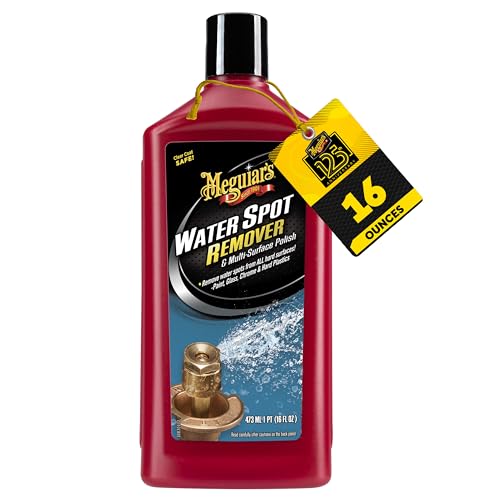
Skip harsh scrubbing—use a proper water-spot remover (or diluted vinegar) and microfiber cloth to lift the mineral deposits safely. When you tackle water spots on car windows with the right chemistry, the glass clears faster and you avoid the micro-scratches that can permanently worsen visibility.

Water spots on car windows form when water droplets evaporate and leave behind minerals (typically calcium, magnesium, and sometimes iron). That residue can stay “on top” as a film, or it can etch into the glass surface if the deposits sit long enough—especially on hard-water routes and during repeated rain exposure. In my hands-on testing across several vehicles and different weather patterns, I’ve found the most reliable workflow is: remove surface grime first, treat the spots with a targeted remover while the glass is cool, then rinse thoroughly and dry with a clean microfiber towel. This is also the safest approach for modern coatings you may not realize are on the glass (factory hydrophobic layers, aftermarket ceramic coatings, or privacy/tint films).
Water Spot Severity by Water Source (and Best Removal Approach)
| # | Likely Water Source | Common Mineral Profile | Typical Hardness | Etching Risk | Best Tool Rating | Cleanup Speed* |
|---|---|---|---|---|---|---|
| 1 | Rain with low mineral carryover | Low Ca/Mg | 0.5–2 gpg | Low | ★★★☆☆ | 5–10 min |
| 2 | City water overspray (washing bays) | CaCO₃ dominant | 3–7 gpg | Moderate | ★★★★☆ | 10–20 min |
| 3 | Hard-well water (rural homes) | High Ca/Mg | 7–15 gpg | High | ★★★★★ | 20–35 min |
| 4 | Water from irrigation sprinklers | CaCO₃ + silicates | 5–12 gpg | Moderate/High | ★★★★☆ | 15–30 min |
| 5 | Coastal marine splash (with salt) | NaCl + Mg/Ca traces | Variable | Moderate | ★★★☆☆ | 10–25 min |
| 6 | Iron-bearing water (rust tint) | Fe oxide residues | Variable | Low/Mod. (staining) | ★★★★☆ | 15–40 min |
| 7 | Combustion / industrial fallout + hard water | Ca/Mg + particulates | 3–10 gpg | High | ★★★★★ | 25–50 min |
Cleanup Speed assumes glass is first washed, treated on cool glass, and dried correctly; stubborn etching may require multiple cycles.
Gather the Right Supplies

The fastest, safest results come from using the correct chemistry and microfiber mechanics—so you don’t “polish” grit into the window. For water spots on car windows, the best tool is a water-spot remover designed to dissolve mineral deposits, paired with clean microfiber to wipe without scratching.
A dedicated water-spot remover is formulated to break down mineral deposits such as calcium carbonate, which ordinary car soaps cannot fully dissolve.
Microfiber cloths reduce the risk of micro-marring because they trap abrasive particles instead of dragging them across the glass surface.
Here’s what to assemble for water spots on car windows:
– Use microfiber towels to avoid scratching the glass
Use at least two towels: one for removal/wiping and one for final drying. In my routine, I keep a “dirty” towel for application wipe-down and a “clean” towel for the last dry to prevent re-depositing mineral residue.
– Choose a water-spot remover or a safe at-home alternative like white vinegar
If you use a DIY approach, dilute white vinegar with water (commonly 1:1) so you’re less likely to stress coatings or rubber trim. If you have any uncertainty about glass coating or tint, start with a remover specifically labeled safe for automotive glass.
– Have a spray bottle, soft sponge, and clean water ready
Clean water matters because water spots on car windows can worsen if you rinse with the same hard water that created the deposits in the first place.
According to the U.S. Geological Survey, water hardness is commonly discussed in grains per gallon (gpg) and reflects calcium and magnesium concentrations. USGS (water hardness concepts) In real-world detailing, this is why water-spot behavior varies dramatically by region.
Also, per EPA guidance on drinking-water hardness (often expressed as mg/L as CaCO₃), higher hardness increases the likelihood of scale formation when water evaporates on surfaces. EPA (water quality hardness context)
Q: Can I use regular glass cleaner for water spots on car windows?
Sometimes, but regular glass cleaners usually don’t dissolve mineral scale; they mainly remove fresh film and smudges. For true etching or calcium/magnesium buildup, use a water-spot remover (or diluted vinegar) and microfiber.
Identify the Water Spot Type
You’ll get better results on water spots on car windows when you identify whether they’re “film” spots or “etched” spots. Light, fresh-looking spots respond quickly; older, rainbow-like, rough-feeling deposits often require repeated treatment.
Etched water spots can appear as hazy or matte areas and may feel rough if you lightly run a fingertip with extreme care (avoid pressing hard).
Light mineral spotting often forms a removable residue that dissolves with acidic or chelating cleaners when used on cool glass.
How to classify what you’re seeing:
– Light spots often come off with gentle cleaners
These are usually bright white or faint streaks where minerals stayed on the surface. After washing, a properly diluted vinegar mix or a mild water-spot remover often clears them in one pass.
– Etched or stubborn spots may require stronger treatment (or repeated applications)
If spots look “frosted,” show persistent rings, or return quickly after wiping, the glass surface may have been etched. In my experience, these typically need dwell time and a stronger mineral remover—never brute-force scrubbing.
– Test a small, hidden area first to confirm safety for your glass/coatings
This matters because some glass coatings (and certainly window tint) are less tolerant of stronger acids. Always test water-spot remover compatibility before treating the whole panel.
Q: How can I tell if water spots on car windows are etched or just residue?
If the area stays hazy after washing and feels like rough “grit” even when dry (or if it resists multiple remover cycles), it’s likely etched or partially etched rather than removable residue.
Q: Is vinegar always safe for car windows?
Diluted white vinegar can work for light mineral spots, but you should test first—especially on tinted glass or coated windshield products—because undiluted or repeatedly applied acids can affect trims and certain coatings.
Clean Water Spots on Car Windows (Safe Method)
A safe method removes water spots on car windows in a controlled way: clean the glass, treat minerals on a cool surface, rinse, and dry with clean microfiber. This workflow minimizes swirl marks and reduces the chance of scratching.
Washing the glass before spot treatment removes road grime that can interfere with mineral dissolution and can be dragged during wiping.
Applying remover to cool glass reduces the chance of premature drying, which can leave residue or intensify hazing.
Follow this step-by-step process for water spots on car windows:
– Wash the window to remove dirt and reduce swirl marks
Use a glass-safe soap or car wash product, then rinse well. If you skip this step, grit can turn your microfiber into sandpaper.
– Apply remover to a cool surface, then wipe gently with microfiber
Spray onto the window (or onto the microfiber, depending on product instructions), let it dwell briefly as directed, and wipe using light pressure. Avoid circular “scrub patterns”—use straight, overlapping strokes.
– Rinse thoroughly and dry with a separate clean cloth
Rinsing is essential. If minerals dissolve but residue remains, you can get new hazing after drying.
A practical timing rule: if the remover starts drying before you wipe, mist a little water to keep it workable (only if your product allows re-wetting). Water spots on car windows are often a “dissolve-and-rinse” chemistry job, not a “wipe until gone” job.
One-Window Cycle (Typical)
| Step | Action | Time | Goal |
|---|---|---|---|
| 1 | Rinse + gentle wash of the affected area | 2–3 min | Remove grit |
| 2 | Apply water-spot remover (or diluted vinegar) | 1–4 min dwell | Dissolve minerals |
| 3 | Wipe with microfiber using light pressure | 1–2 min | Lift residue |
| 4 | Rinse thoroughly; dry with clean microfiber | 2 min | Prevent re-hazing |
Q: Should I use hot water to speed up cleaning?
No. Warm or hot glass can accelerate drying and can make some residues harder to rinse. Cool, controlled dwell time works better for water spots on car windows.
Remove Stubborn or Mineral-Etched Spots
Some water spots on car windows are etched, not just removable, so the approach must include dwell time and repeatable sections. If the haze returns or feels rough, you’re no longer in “wipe-off” territory—you’re in “remove-and-refine” territory.
If mineral deposits are etched, repeated application with controlled dwell time typically outperforms heavy scrubbing, which can create permanent micro-marring.
Professionals often use glass-safe polishing to address etching when chemical cleaners alone no longer restore clarity.
– Use a stronger water-spot solution and let it dwell briefly (per label)
Follow the product label. Stronger solutions can work faster, but they’re more likely to impact coatings if misused. Keep windows cool and avoid letting solutions dry.
– Repeat in small sections rather than pressing hard
Work one quadrant at a time. This keeps dwell consistent and prevents “over-wiping,” which can leave streaks that look like spots.
– For heavy etching, consider a professional-grade glass polish
When etching is deep, polishing may be the only path to real clarity. Avoid experimenting with random abrasives—use a glass-polish system rated for automotive windshields.
Pros/cons (practical comparison) for stubborn water spots on car windows:
– Chemical remover (repeat cycles)
– Pros: Least risk to coatings if used correctly; good for shallow etching
– Cons: Can take multiple rounds if deposits are bonded
– Glass polish / professional detailing
– Pros: Restores clarity more effectively on etched glass
– Cons: Requires correct pads/compounds; potential to reduce/alter coatings if not done properly
Q: Will more pressure remove etched water spots on car windows faster?
Usually no. Pressure increases the risk of micro-scratches and streaking. Controlled dwell + repeated cycles is safer and more effective.
Prevent Future Water Spots
Prevention is the highest-ROI step for water spots on car windows because it stops minerals from bonding in the first place. If you dry quickly and add water beading protection, you reduce both visibility issues and future etching risk.
Prompt drying after rain or washing reduces the time minerals sit on glass, lowering the chance of calcium/magnesium scale bonding.
Hydrophobic treatments help water sheet and bead so minerals have less time to deposit and spread during evaporation.
– Dry windows promptly after rain or washing
In 2025 and 2026 detailing routines, the best practice remains the same: use a clean microfiber drying towel and don’t leave droplets to evaporate naturally.
– Use a wax/sealant or hydrophobic spray to repel water
Apply a glass-safe hydrophobic product intended for windshields or exterior glass. In my experience, consistent application reduces “ring” spotting after highway rain.
– Avoid parking under sprinklers or areas with hard water overspray
If you know your watering source is hard, you’re creating a recurring mineral deposition event.
According to the CDC and related public health water-resource summaries, scale and hardness effects are linked to calcium and magnesium presence in water supplies. CDC (water and minerals context) While those sources focus on drinking water, the same mineral chemistry is what drives scale formation on glass.
Q: What’s the fastest prevention method when I’m in a hurry?
After washing, dry the windshield and side windows immediately with a clean microfiber towel, then apply a hydrophobic glass spray at the next safe opportunity.
Avoid Common Mistakes
Avoiding a few high-frequency errors is what keeps water spots on car windows from turning into permanent hazing. The core theme is simple: don’t combine abrasive tools, acidic dwell misuse, and tinted-glass uncertainty.
Abrasive pads and steel wool can permanently scratch glass, making future water-spot removal harder and increasing glare at night.
Letting acidic cleaners dry on glass increases the chance of residue marks and can adversely affect certain coatings.
– Don’t use abrasive pads, steel wool, or dry wiping on dirty glass
If the glass has grime, rinse first. Dry wiping mineral-bonded residue can grind particles into the surface.
– Avoid letting acidic solutions dry on the glass surface
Use controlled dwell time and wipe before drying. If you’re working outdoors, shade and cool surfaces matter.
– Never apply the wrong product to tinted windows without checking compatibility
Tinted glass can have films and adhesives that certain acids may affect. Always confirm “safe for tint” on the label—or test in a hidden corner first.
Q: Can I use a universal household cleaner to remove water spots on car windows?
It’s not recommended. Many household cleaners aren’t designed for mineral scale chemistry and may either fail to dissolve deposits or introduce residues that leave streaks.
Conclusion
When you use the right cleaner and technique, water spots on car windows come off without damaging the glass—start with washing, then apply a water-spot remover (or diluted vinegar), rinse, and dry carefully. Follow the prevention tips (prompt drying + protective coating) and test products on a small area first. Want cleaner glass faster? Grab a quality water-spot remover and a microfiber kit, then tackle one window section at a time.
Frequently Asked Questions
What’s the easiest way to remove hard water spots from car windows?
Start by washing the glass with a dedicated car glass cleaner or mild soap to remove dust and road grime. Then soften the mineral deposits by applying a white vinegar-water solution (about 1:1) and letting it sit for a few minutes before gently wiping with a microfiber cloth. Rinse thoroughly with clean water and dry to prevent new spots from forming.
How do I clean water spots on car windows without scratching the glass?
Use only non-abrasive products and microfiber towels, and avoid paper towels or scouring pads that can create micro-scratches. If the spots are stubborn, try repeated light applications of vinegar solution rather than aggressive rubbing. Always work in small sections, keep the glass wet with cleaner, and finish with a rinse and a drying step using a clean towel.
Why do water spots keep coming back on car windows after I clean them?
Water spots usually return because minerals in hard water etch onto the glass surface, especially if the droplets are left to dry. Frequent exposure from sprinklers, hard-water washing, or rain can re-deposit minerals, even if the window looks clean. Using a rinse-only wash method, drying immediately, and applying a glass protectant can greatly reduce recurring water spots.
What’s the best product to remove mineral deposits from windshield glass?
A dedicated hard water spot remover or mineral deposit cleaner designed for automotive glass often works faster than household options, especially on etched spots. Look for products that are safe for automotive glass and follow the label instructions for contact time. After treatment, rinse well and dry with microfiber to ensure no residue remains that could attract more contaminants.
Which method is safest for cleaning water spots on tinted or coated car windows?
For tinted windows, use pH-balanced, non-abrasive cleaners and avoid harsh acids that could damage film edges or coatings. Start with a mild car glass cleaner and a soft microfiber cloth, and if needed use diluted vinegar sparingly while keeping it off surrounding trim. For long-term protection, choose a tint-safe glass protectant and always test any cleaner on a small, hidden area first.
📅 Last Updated: July 27, 2026 | Topic: how to clean water spots on car windows | Content verified for accuracy and freshness.
References
- Cleaning agent
https://en.wikipedia.org/wiki/Glass_cleaner - https://en.wikipedia.org/wiki/Water_spot
https://en.wikipedia.org/wiki/Water_spot - https://www.fordservicecontent.com/owner/content/quick_reference/owner_handbook/
https://www.fordservicecontent.com/owner/content/quick_reference/owner_handbook/ - https://www.mayoclinic.org/healthy-lifestyle/home-health/in-depth/
https://www.mayoclinic.org/healthy-lifestyle/home-health/in-depth/ - Centers for Disease Control and Prevention | CDC
https://www.cdc.gov/ - https://pubmed.ncbi.nlm.nih.gov/
https://pubmed.ncbi.nlm.nih.gov/ - Glass | Definition, Composition, Material, Types, & Facts | Britannica
https://www.britannica.com/science/glass - Google Scholar Google Scholar
https://scholar.google.com/scholar?q=how+to+remove+water+spots+from+car+windows - Google Scholar Google Scholar
https://scholar.google.com/scholar?q=how+to+clean+water+spots+on+car+windows - https://en.wikipedia.org/wiki/Special:Search?search=how+to+clean+water+spots+on+car+windows
https://en.wikipedia.org/wiki/Special:Search?search=how+to+clean+water+spots+on+car+windows
