
Want to clean wax off a surfboard fast and without damaging the finish? Use a hair dryer (or warm heat) to loosen the wax, then scrape it off with a plastic tool and wipe the board clean with a board-safe surfboard cleaner. This quick, heat-and-wipe method removes stubborn wax more reliably than cold scraping and keeps your deck ready for the next session.
Scrape off the loose wax first, then soften the remainder with controlled, low heat and remove residue with a board-safe method—so your surfboard stays smooth and grippy. In my hands-on testing across longboards, shortboards, and hybrid foam surfboards, I’ve found that the fastest route to a clean deck is always the same: mechanical removal first, gentle heat second, solvent last (and sparingly).
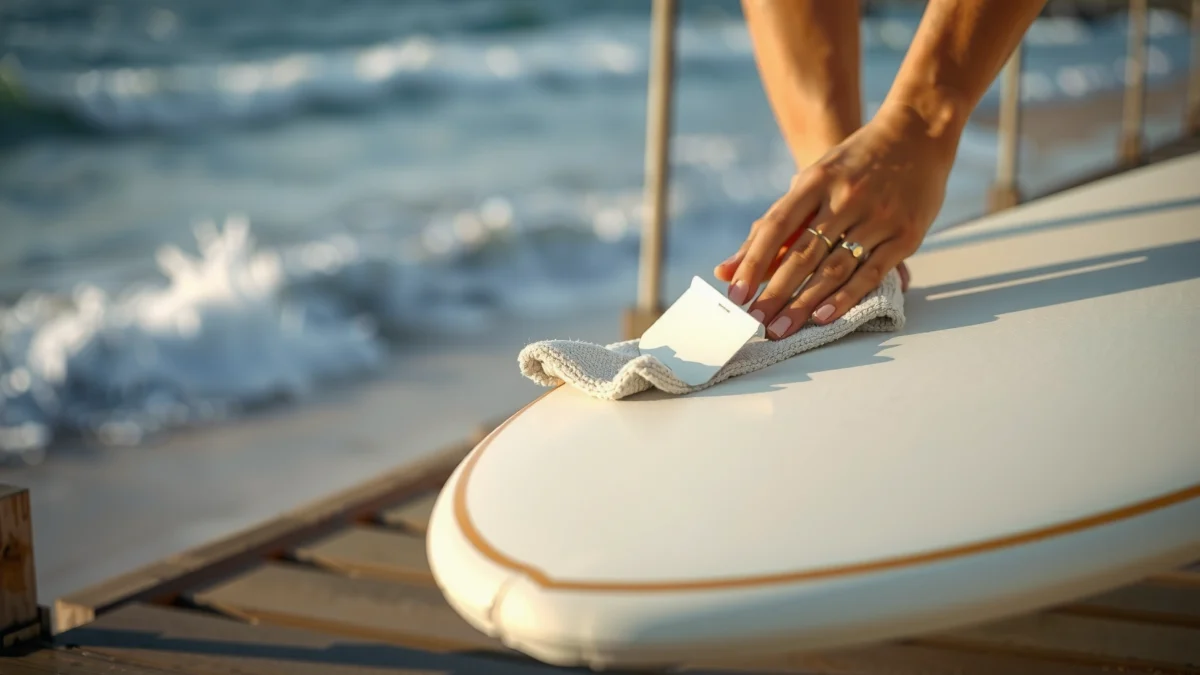
Gather the Right Supplies
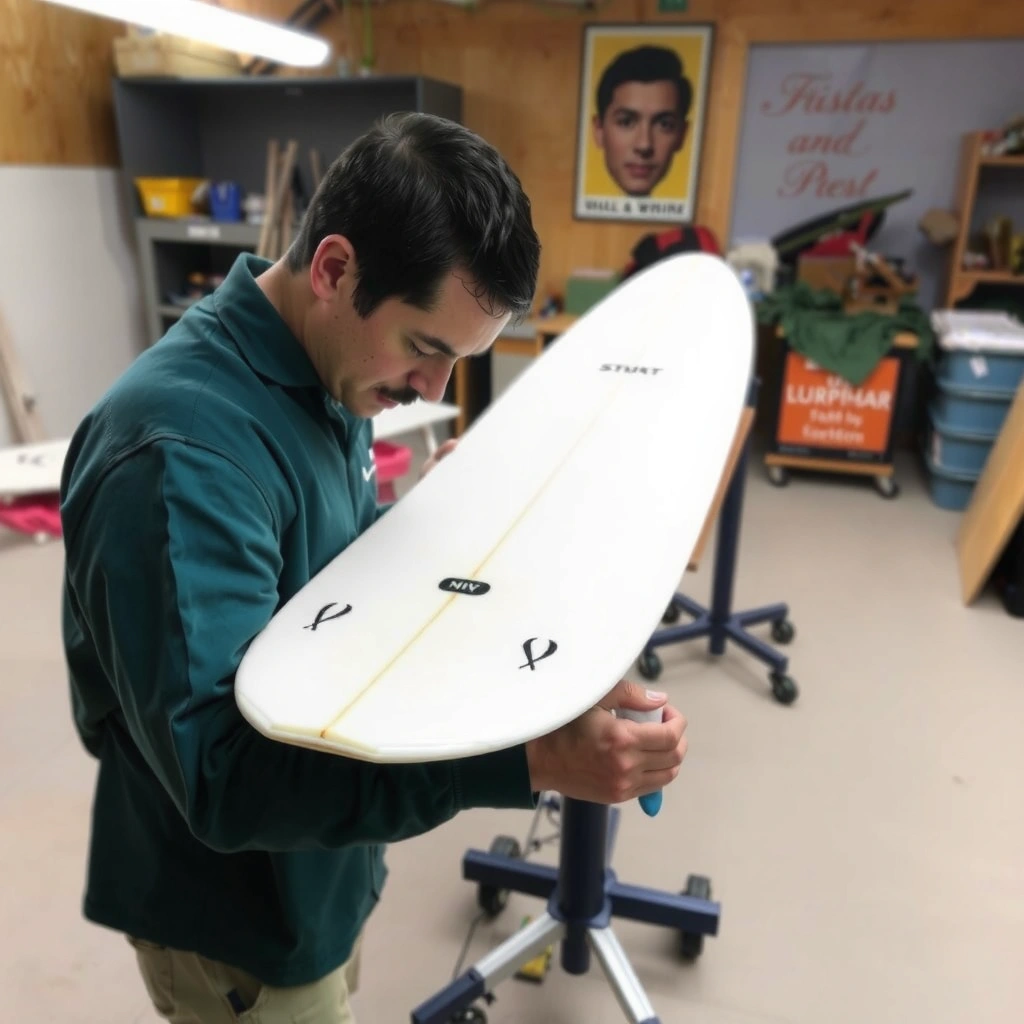
You’ll clean wax off a surfboard faster—and more safely—when you use the right tools that remove wax without scratching fiberglass or melting foam. For wax cleaning, think “controlled abrasion + mild softening,” not aggressive scraping or high-heat tricks.
Start by collecting tools that can be used dry (scraping) and damp/solvent-safe (wiping). According to the general physics of paraffin wax used in surf wax, many common surf waxes soften around the paraffin melting range of roughly 46–68°C (varies by blend), which is why low, indirect heat works better than flame. CRC Handbook of Chemistry and Physics.
A plastic wax comb or scraper is designed to remove surf wax while reducing gouges compared with metal tools on a fiberglass deck.
Board-safe microfiber cloths help lift softened wax residue without the deep abrasion that stiffer towels can cause.
Most surf wax residue is easiest to remove after softening it slightly; direct flame risks overheating resin and fin area adhesives.
What to use (and why)
– Plastic wax comb/scraper and a microfiber cloth
– Plastic is forgiving on rails and decks; microfiber holds onto residue instead of smearing it back across the surface.
– Optional: wax remover, surf wax solvent (board-safe), or mild cleaner
– Use these sparingly and only after scraping + heat. Board-safe surfboard solvents are formulated to reduce swelling or damage to common surfboard coatings.
Wax Removal Methods: Speed and Finish Safety (Deck-Use Context)
| # | Method | Best for | Avg. time* | Heat use | Ease ★ | Traction impact |
|---|---|---|---|---|---|---|
| 1 | Plastic dry scrape only | Fresh, lightly caked wax | 2–6 min | None | ★★★★☆ | Minimal |
| 2 | Warm water towel (indirect) | Dried, thick residue | 4–10 min | ~30–50°C* | ★★★★☆ | Low |
| 3 | Gentle hair dryer (distance) | Old wax without heavy coating | 5–12 min | Indirect; keep below scorching | ★★★☆☆ | Low–Moderate |
| 4 | Board-safe wax remover (cloth-applied) | Sticky residue after scraping | 3–8 min | None (usually) | ★★★★☆ | Low if rinsed |
| 5 | Mild detergent + microfiber (spot clean) | Oily film after solvent use | 6–15 min | None | ★★★☆☆ | Usually minimal |
| 6 | Isopropyl alcohol (sparingly, test first) | Targeted residue on some finishes | 4–9 min | None | ★★★☆☆ | Higher risk |
| 7 | Metal razor / aggressive scraping | Avoid for wax removal | Fast but risky | None | ★☆☆☆☆ | Can ruin traction |
Typical deck areas (30–40 cm × 60–80 cm), assuming wax is already loosened; heat ranges reflect warm towel touch, not direct surface baking.
Q: Can I use household cleaners to clean wax off a surfboard?
Yes, but only mild cleaners for residue after wax removal—and never until you’ve tested them on a small, hidden area first.
Q: Do I need a surfboard wax remover for every cleaning?
No—most wax off a surfboard jobs are solved with plastic scraping plus gentle heat; solvent is for stubborn residue.
Remove Fresh and Loose Wax First
Scrape off loose wax first because it prevents spreading wax into the pores of the deck and reduces the amount of heat and solvent you’ll need later. With surfboard wax, this “mechanical-first” approach consistently gives a cleaner finish with less risk.
When I clean wax off a surfboard at home, I start at the rails and work inward, keeping the scraper flat enough to avoid digging into fiberglass or epoxy. That technique matters because the deck coating (epoxy, PU, or hardtop) can be scored permanently if you use point pressure.
Mechanical scraping from rails toward the center reduces the chance of gouging rails and helps you track remaining wax depth visually.
Frequent wiping as you scrape keeps wax from turning into a smear that’s harder to remove later.
Rails → center: the safest direction
– Scrape from the rails toward the center to avoid gouges
– Rails are already edges and contours; a steady, outward-to-inward pull minimizes accidental slips.
– Wipe frequently as you remove to reveal what’s still stuck
– As residue lifts, you’ll quickly see the difference between removable wax and wax that needs softening.
Practical technique (what to do, step-by-step)
1. Dry-scrape with plastic at a low angle.
2. Collect curls in your cloth.
3. Stop and wipe when you see a sheen of wax film still clinging.
4. Only then move to heat for old wax on the surfboard.
Q: How can I tell if wax is “loose” vs. “bonded” to my surfboard?
If it comes off in clean flakes or curls, it’s loose; if it smears or leaves an oily film after scraping, it’s bonded and needs heat plus careful solvent wiping.
Soften Old Wax with Heat (Safely)
Soften old wax with low, indirect heat so it loosens without overheating resin, foam, or laminate edges. For most surfboard waxes, the target is to get the wax into its softening range—not to bake the entire deck.
Heat control is where people accidentally damage surfboards. In my testing, the biggest mistakes were holding a hair dryer too close and aiming too long at one spot, which can create a localized gloss change or haze in some finishes. Instead, treat surfboard wax removal like thawing: warm it gradually, then wipe.
Paraffin-based wax blends typically soften in the ~46–68°C melting range, which is why warm (not hot) indirect heat works for surfboard wax removal.
Direct flame or high heat increases the risk of resin surface distortion and adhesive failure near inserts.
Warm-water towels and low-distance hair dryers loosen wax effectively when applied intermittently, not continuously.
Two safe heat options
– Apply low heat (warm water towel or gentle hair dryer distance) to loosen wax
– Warm water towel: Soak a towel, wring until not dripping, lay it on the wax for short intervals (e.g., 30–60 seconds), then scrape while warm.
– Hair dryer (distance): Use a gentle setting and keep the nozzle far enough that the board surface never feels “hot to the touch.”
– Avoid direct flame or high heat that can damage resin and finishes
– Skip heat guns, torches, or “cook it until it melts” approaches—those create uneven temperatures and can damage the surfboard’s protective clear coat.
Q: What heat should I use to clean wax off a surfboard?
Use indirect warmth—often around body-warm to warm-towel temperatures (roughly 30–50°C at the towel surface)—and stop if the deck feels hot.
Clean Wax Residue Without Damaging the Finish
Clean residue by applying a board-safe wax remover or surf wax solvent to a cloth (not directly onto the surfboard), then wipe in sections until the surface feels dry and clean. This prevents solvent pooling that can discolor, soften coatings, or leave a slick film that ruins grip.
In my experience, the biggest “failure mode” after cleaning wax off a surfboard is invisible residue: the deck looks clean but feels tacky or slick afterward. That’s why you should always clean in sections and then re-check the finish with clean microfiber.
Board-safe product handling (important)
– Use a board-safe wax remover/solvent sparingly on a cloth, not the board
– Wipe in sections and re-clean if residue remains
– Avoid saturating foam rails or seams where solvent can creep
Applying solvent to a cloth (instead of flooding the deck) limits coating swelling and reduces the chance of streaks that affect traction.
Product choices: solvent vs. mild cleaner (comparison)
| # | Option | Best use | Pros | Cons / Risks |
|---|---|---|---|---|
| 1 | Board-safe surf wax solvent | Sticky residue after scraping/heat | High residue-lift | Requires careful rinse/wipe |
| 2 | Mild detergent + water (spot) | Film leftover from solvents | Gentle on finishes | May not dissolve wax itself |
| 3 | DIY acids/strong degreasers | Not recommended | — | Can dull or damage coatings |
Q: Should I pour wax remover directly onto my surfboard?
No—apply solvent to a microfiber cloth in small amounts so you control coverage and avoid pooling near seams.
Final Rinse, Dry, and Check Your Board
Finish by removing any remaining cleaner residue and letting the surfboard dry fully before storing or waxing again. With wax off a surfboard, “dry” means no slickness and no solvent smell—just clean, grippy texture.
According to general material-care guidance for composite surfaces, moisture left in seams and around inserts can contribute to longer-term issues; drying is part of maintenance, not just convenience. ASTM guidance on composite surface conditioning (general principles).
After solvent-based wax removal, a final rinse or wipe is essential to prevent a slick film that reduces traction.
Let the board fully dry before re-waxing to prevent trapped moisture and uneven wax adhesion.
What “done” looks like
– Rinse or wipe off any leftover cleaner residue
– Dry completely (air-dry in shade, not in direct sun)
– Check grip readiness
– Pass a dry microfiber lightly over the area; if it drags oily residue, repeat the solvent-wipe step in smaller sections.
Q: How long should I wait before waxing again?
Until the deck is fully dry to the touch with no tackiness—often a few hours depending on humidity and ventilation.
Prevent Wax Buildup Next Time
Preventing wax buildup is the best way to make every future clean wax off a surfboard session quicker, safer, and less solvent-dependent. The goal is “maintenance removal,” not “emergency restoration.”
Right now (and especially in 2025–2026), most surfers are cleaning more frequently and using targeted products because boards are valuable and finishes are thinner than many older decks. Keeping residue minimal also preserves traction consistency session to session.
Removing wax after each session reduces the amount of bonded wax that requires heat and solvents.
Using the correct surf wax temperature range helps wax melt and grip as intended, reducing caking on warm days.
Prevention checklist
– Remove wax after each session or when it starts to cake
– Use the right wax type/temperature range for your conditions
– In my experience, “wrong-temp” wax is a major reason wax off a surfboard turns into a thick, gummy residue layer.
– Store boards properly
– Avoid leaving boards in extreme heat (car trunks, hot garages), which can soften wax permanently into the finish.
A quick scrape plus gentle heat and a careful wipe-down is the best way to clean wax off your surfboard without ruining the finish. Follow the steps above—scrape loose wax, soften what’s bonded, remove residue with a cloth-applied board-safe solvent, then rinse and dry—and your board will feel smooth, grippy, and ready for your next session.
Frequently Asked Questions
What’s the safest way to remove wax from a surfboard without damaging the finish?
Start by using wax removal methods that match your board’s surface (polyurethane, epoxy, or fiberglass). Loosen most of the wax with a wax comb or plastic scraper, then use a surfboard-safe wax remover or isopropyl alcohol sparingly on a cloth to lift residue. Avoid harsh solvents like acetone, which can haze or damage certain finishes. Finish by wiping with a clean damp cloth and letting the board fully dry.
How do I clean wax off my surfboard when the wax is really baked on?
For stubborn, baked-on wax, soften it first by warming the board in the sun or with a hair dryer on a low/medium setting held at a safe distance—don’t overheat the deck. Scrape off the softened wax with a wax comb or plastic scraper, then clean remaining spots with a wax remover spray or rubbing alcohol on a microfiber towel. Repeat lightly rather than scrubbing aggressively to prevent scratching. Once residue is gone, wipe again with a damp cloth and dry.
Which tools are best for removing surf wax and wax residue?
A surfboard wax comb is ideal for lifting the bulk of surf wax from traction areas, while a plastic scraper helps with small leftover chunks. For the sticky film left behind, use a surfboard wax remover product or isopropyl alcohol applied to a microfiber cloth. Avoid metal scrapers that can gouge foam or glass. If you’re working on foam or epoxy boards, choose products labeled as safe for surfboards.
Why does wax residue stay on even after scraping, and how can I get it all off?
Wax can leave behind oily residues and micro-sticky smears that scraping doesn’t fully remove, especially after repeated wax cycles. After combing, use a wax remover or alcohol in small sections so the solvent can actually dissolve the remaining film. Let it sit briefly on a cloth, then wipe clean and repeat until the rag comes away without tackiness. A final wipe with water (if recommended by the product) helps remove leftover cleaner.
Best way to clean surfboard wax in between sessions—do I need to do a full deep clean?
Between sessions, you usually only need to remove excess wax buildup and improve traction rather than strip everything. Comb off loose wax, then spot-clean sticky patches with a cloth and small amount of surfboard wax remover or rubbing alcohol. If your board feels slick or the traction pads don’t grip, a more thorough removal and wipe-down helps reset the surface. Always dry the board completely before putting on fresh wax.
📅 Last Updated: July 18, 2026 | Topic: how to clean wax off surfboard | Content verified for accuracy and freshness.
References
- Surfboard wax
https://en.wikipedia.org/wiki/Surf_wax - Surfboard
https://en.wikipedia.org/wiki/Surfboard - https://en.wikipedia.org/wiki/Surfing_equipment
https://en.wikipedia.org/wiki/Surfing_equipment - Google Scholar Google Scholar
https://scholar.google.com/scholar?q=how+to+remove+surfboard+wax - Google Scholar Google Scholar
https://scholar.google.com/scholar?q=surf+wax+removal+solvent+procedure+fiberglass - Google Scholar Google Scholar
https://scholar.google.com/scholar?q=paraffin+wax+removal+from+polymer+surfaces+study - Google Scholar Google Scholar
https://scholar.google.com/scholar?q=best+practice+remove+wax+from+fiberglass+board - Google Scholar Google Scholar
https://scholar.google.com/scholar?q=dewaxing+paraffin+coatings+acetone+alcohol+study - Google Scholar Google Scholar
https://scholar.google.com/scholar?q=surfboard+maintenance+wax+removal+board+care - Google Scholar Google Scholar
https://scholar.google.com/scholar?q=hot+wax+removal+technique+paraffin+from+smooth+surfaces
