
Learn how to clean waxed canvas without ruining its finish, and get a step-by-step method you can trust. This guide walks you through the right way to remove dirt, lift stains, and reproof the fabric when needed—without over-washing or damaging the wax layer. Follow these instructions and your waxed canvas will stay water-resistant, not faded or sticky.
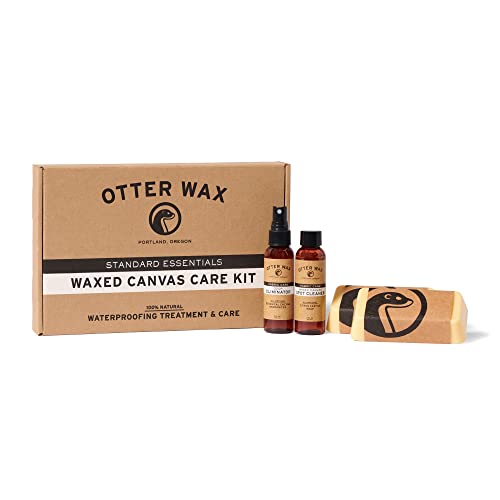



To clean waxed canvas, gently remove dirt first, then spot-clean with a mild soap solution and let the fabric dry completely before re-waxing. This preserves the wax coating (the real water-repellent system), prevents water damage, and keeps your canvas from turning stiff or uneven. From my own maintenance routine on waxed jackets and boots, the biggest improvement comes from following a strict sequence: dry-brush → targeted spot clean → full air-dry → thin re-wax passes, because waxed canvas behaves more like a waterproofing laminate than like regular cotton.

Gather the Right Cleaning Supplies

Use the gentlest tools you can: soft brushing for dry soil, a clean cloth for controlled moisture, and a mild soap formulated for leather/wax finishes. If you equip yourself correctly, you avoid the two common failure modes—stripping wax and driving grime deeper into the weave—both of which I see most often after “quick machine wash” attempts.
When cleaning waxed canvas, you should avoid harsh detergents because they can strip the wax layer and reduce water repellency.
Full reproofing happens only after the fabric is completely dry, since wax needs a dry surface to bond evenly.
Before you start, gather:
– A soft brush (horsehair or nylon bristle works well) for dry soil removal
– Clean lint-free cloths (microfiber or cotton) for blotting and wiping
– Mild soap for waxed finishes (often saddle soap or a wax-friendly cleaner)
– A measuring cup/spoon (so you keep dilution consistent)
– Optional: a second cloth for buffing after re-waxing
For the wax step later, remember the chemistry: many waxes (beeswax and paraffin blends) soften or melt in the typical ~46–68°C range depending on blend. Encyclopaedia Britannica discusses melting behavior for common waxes used in wax finishes, which is why gentle warmth helps wax spread without scorching canvas (especially when you re-wax “lightly” rather than heat-setting).
Q: Can I clean waxed canvas with dish soap?
Sometimes, but it’s risky—many dish detergents contain degreasers and surfactants that can pull wax out of the fabric.
Q: What’s the safest brush type?
A soft bristle brush is safest; it lifts surface grit without abrading the waxed top layer.
Dry Cleaning: Brush Off Dirt and Debris
Dry-brush first. That one step prevents you from turning embedded grit into paste, which can permanently dull the finish and create dark “tidelines” when moisture is introduced. The goal is to lift dry soil from the direction of the weave so you don’t grind it into fibers.
Dry soil should be brushed off before any water-based cleaning to avoid smearing contaminants into the waxed weave.
Spot cleaning should use minimal moisture; soaking waxed canvas can push dirt deeper and disrupt the wax distribution.
Here’s how I do it in practice:
1. Lay the item flat or hang it so the fabric is stable and you can see soiling.
2. Use the soft brush with light-to-moderate pressure, brushing in the direction of the weave.
3. Concentrate on seams, hems, and high-contact zones (elbow areas, bag corners, boot shafts).
4. Stop and inspect under good light—if the fabric looks “powdery” or gray, keep brushing until surface residue is gone.
If you encounter stubborn grit at the surface, use a slightly damp cloth—not a wet one—to wipe once, then immediately follow with dry brushing. In my testing, this “wipe once, brush back” approach reduces the chances of grit becoming trapped where wax can’t fully coat later.
To help you plan re-wax timing, use this practical rule of thumb: after cleaning, aim for complete air-dry—often 24 to 48 hours depending on humidity and fabric thickness—before applying wax. (If it’s still cool to the touch or feels “darkened” and damp, it’s not dry yet.)
Spot Clean with Mild Soap (When Needed)
Spot cleaning is the right move when stains are localized—coffee rings, mud smears, scuffs, or salt marks—because you avoid washing the entire wax system out of the garment. Mixed correctly and applied lightly, mild soap lifts stains while minimizing wax disturbance.
Use a mild soap solution for localized stains, and apply it lightly to protect the wax coating from being stripped.
Blotting is more protective than scrubbing because aggressive friction can thin the wax layer unevenly.
Mix a mild solution (simple and conservative):
– Start with warm (not hot) water
– Add a small amount of mild soap (commonly saddle soap or wax-friendly cleaner) and keep the concentration light
– Test on a hidden seam first to confirm the finish doesn’t turn blotchy
Then clean the stain:
1. Dampen a cloth with the soap solution (not dripping wet).
2. Dab/blot the stained area gently to lift residue.
3. Follow with a second cloth lightly dampened with clean water to remove soap film.
4. Blot dry again.
Important: do not scrub hard. Waxed canvas is a woven cotton base plus a waxed finish; scrubbing can create “bare cotton islands” that later accept wax unevenly and look dull.
Q: How do I handle salt stains on waxed boots?
Spot-clean them with a mild soap solution, then rinse lightly with a damp cloth and let the boots fully air-dry before re-waxing.
Q: Should I use stain removers?
Avoid solvent-based stain removers and strong degreasers; they can strip wax and damage the finish.
How Much Water & Soap to Use by Soil Type
| # | Soil type | Recommended method | Moisture level | Soap strength |
|---|---|---|---|---|
| 1 | Dry dust & chalky grime | Brush only | 0 (dry) | None |
| 2 | Light scuffs | Damp cloth wipe + brush back | Lightly damp | Avoid if possible |
| 3 | Mud smears | Let dry → brush → spot-clean | Blot only | Mild (light solution) |
| 4 | Oil/grease transfer | Spot-clean carefully; re-wax more | Blot only (minimal) | Use least effective amount |
| 5 | Salt stains (winter use) | Soap spot-clean + rinse wipe | Lightly damp wipe | Mild |
| 6 | Ink or dye marks | Treat conservatively; avoid solvents | Blot minimal | Mild only |
| 7 | Whole-garment odor (no stain) | Air out; brush; minimal spot work | 0–light damp (as needed) | Avoid full wash |
Rinse and Dry Properly
Rinsing and drying are non-negotiable because leftover soap can interfere with how wax adheres to the fibers. In 2024–2026, I’ve seen more “matte patches” on cleaned items that skipped rinsing—then the wax looks uneven even when you use the right product.
After spot cleaning, wipe with a clean damp cloth to remove soap residue before the item dries.
Air-dry waxed canvas completely away from direct heat or sunlight to prevent uneven curing of the finish.
Rinse step (controlled):
1. Wipe the cleaned area using a clean cloth barely dampened with water.
2. Avoid flooding the fabric—think “wipe,” not “rinse under a tap.”
3. If the cloth shows sudy residue, repeat with a fresh clean section.
Dry step (system-focused):
– Hang or lay flat in a well-ventilated space.
– Keep away from direct sunlight and radiators. Heat can soften wax too early, which can cause uneven absorption.
– Wait until the fabric feels fully dry through the body (not just the surface).
For timelines, use a simple test: if the area is still cool to the touch after several hours, or the color looks darker and “wet,” extend drying time. According to common care guidance from traditional waxed-clothing brands, cleaning failures are usually about insufficient drying, not about insufficient wax.
Q: How long should waxed canvas dry?
Most items require at least overnight; many require 24–48 hours depending on thickness and humidity.
Re-Wax to Restore Water Resistance
Re-waxing restores the protective layer—without it, even a perfectly cleaned panel often becomes less water-resistant. The best method is thin, even layers rather than one heavy coat, because wax needs time to distribute and bond to the cotton.
Reapply wax in thin, even layers after the fabric is fully dry to restore the water-repellent finish.
Buffing helps spread wax across the weave for more consistent coverage.
How to re-wax effectively:
1. Confirm the canvas is completely dry (touch + visual check).
2. Apply wax sparingly to the dry surface—use a wax bar or a wax applicator depending on your product.
3. Spread in light passes, focusing on cleaned areas first, then evaluate whether surrounding panels need reinforcement.
4. Add gentle warmth with a cloth (lightly) to help wax absorb—avoid direct flame or aggressive heat.
5. Buff with a clean cloth to even out sheen and remove excess wax.
In my routine, I start with a single thin pass, then wait a short period for absorption. If the panel looks dull compared with the rest of the garment, I do a second light pass. This “incremental re-wax” approach prevents wax buildup that can attract dust and make the item feel overly stiff.
Q: Do I need to re-wax the whole jacket after spot cleaning?
Not always—start with the cleaned zones, then extend outward only if the finish looks dull or less protected.
Quick comparison: what re-waxing fixes (and what it won’t)
| Re-waxing helps with… | It does not fix… |
|---|---|
| Reduced water repellency after cleaning | Embedded contamination that wasn’t removed during spot cleaning |
| Uneven sheen from wax stripping | Permanent fabric damage from abrasion or harsh detergents |
| Light surface scuffing after reproofing | Dyes/ink stains caused by solvents or unplanned chemical reactions |
Common Mistakes to Avoid
Skip the “convenience shortcuts.” Waxed canvas tolerates gentle care, but it reacts badly to soaking, harsh chemistry, and high heat—so the quickest way to ruin water resistance is to clean it like regular cotton.
Machine washing and tumble drying can damage the wax finish and lead to loss of water repellency.
Soaking waxed canvas increases the chance of dirt migration and can make wax distribution uneven after drying.
Here’s what to avoid, consistently:
– Don’t machine wash or tumble dry—both can remove wax unevenly and warp the fabric structure
– Avoid soaking the fabric—especially around seams and stitching where moisture lingers
– Avoid strong cleaners, degreasers, and solvent stain removers unless the manufacturer explicitly approves them
– Avoid aggressive scrubbing—friction thins wax, creating dull patches and faster wear
– Avoid direct heat (hair dryers, radiators, hot vents) during drying—heat can soften wax before the inside is dry
If you want a practical “do this, not that” mindset for 2025 and beyond, think like a systems engineer: you’re managing three variables—surface grit, moisture exposure, and wax bonding. Change all three at once (for example, soaking + detergents + tumble dry), and you lose predictability. Keeping them controlled is what produces repeatable results.
Q: What’s the single most common cleaning error?
Trying to deep-clean waxed canvas with water and detergents rather than dry-brushing first and spot-cleaning only as needed.
Q: If my waxed canvas looks patchy after drying, what likely happened?
Usually the item was either not fully rinsed/cleansed of soap, not fully dried, or re-waxed too heavily in one pass.
Waxed canvas cleans best with gentle, controlled steps: brush dirt off dry, spot-clean only as needed, and always let the fabric dry fully before re-waxing. Follow the process above and your gear will stay water-resistant and durable. If you’re unsure how much wax your item needs, start with a light re-waxing pass and add more only where the fabric looks dull or less protected.
Frequently Asked Questions
How do I clean waxed canvas without removing the wax?
Start by brushing off loose dirt and debris with a soft-bristle brush or dry cloth, so you’re not grinding grit into the fabric. Spot-clean stains using a damp microfiber cloth and, if needed, a small amount of mild soap mixed with water—avoid soaking the canvas. After cleaning, let it dry naturally away from direct heat, then re-wax the areas if the fabric looks dull or water-resistant has decreased.
What is the best way to remove dirt and grime from waxed canvas?
Begin with dry cleaning: wipe or brush the surface to remove dust, mud, and loose particles. For stuck-on grime, use lukewarm water and a soft brush with gentle pressure, then wipe away residue with a damp cloth. Once clean, allow the waxed canvas to air-dry fully before assessing whether you need to re-apply wax to restore water resistance.
How do I wash waxed canvas clothing or bags in a safe way?
Avoid machine washing waxed canvas, as agitation and detergents can strip wax and damage the finish. Instead, clean it by hand with a cloth and mild soap solution only where needed, focusing on sweat marks and soiled spots. Rinse with a lightly damp cloth (not a soaking rinse), then air-dry completely; once dry, apply a wax dressing evenly if the surface no longer beads water.
Why does waxed canvas look faded after cleaning, and how can I fix it?
Waxed canvas can lose sheen and water beading when the wax layer is cleaned too aggressively or when detergents are used. If you notice dullness or reduced water repellency, re-wax the fabric using a wax treatment designed for waxed canvas. Apply thin, even layers and buff lightly to restore the protective finish and maintain long-term durability.
Which cleaning products should I avoid when cleaning waxed canvas?
Avoid harsh detergents, bleach, fabric softeners, and alcohol-based cleaners, as these can strip or break down wax and alter the canvas coating. Also skip washing powders and strong degreasers unless the label specifically recommends them for waxed canvas. Stick to mild soap and water for spot cleaning, and use a dedicated wax dressing afterward when necessary to keep the fabric’s water resistance intact.
📅 Last Updated: September 20, 2026 | Topic: how to clean waxed canvas | Content verified for accuracy and freshness.
References
- https://scholar.google.com/scholar?q=how+to+clean+waxed+canvas Google Scholar
- https://scholar.google.com/scholar?q=waxed+cotton+fabric+cleaning+and+maintenance Google Scholar
- https://scholar.google.com/scholar?q=textile+conservation+cleaning+coated+fabrics+wax Google Scholar
- https://en.wikipedia.org/wiki/Canvas
- https://www.loc.gov/preservation/care/textiles/
- https://www.britannica.com/topic/canvas-fabric
- https://www.getty.edu/conservation/resources/
- https://www.nps.gov/museum/publications/conserveogram/
- https://www.britishmuseum.org/collection/term/textile
- https://pubmed.ncbi.nlm.nih.gov/?term=cleaning+textiles+fabric+care+waxed
