
Want to know how to clean wicker chairs without damaging the weave? Follow this easy, step-by-step guide to deep-clean dust and grime, then restore the look with the right drying and protection—so your chairs look fresh again, fast. You’ll get a clear, repeatable method that works for most indoor and outdoor wicker, with simple do’s and don’ts along the way.



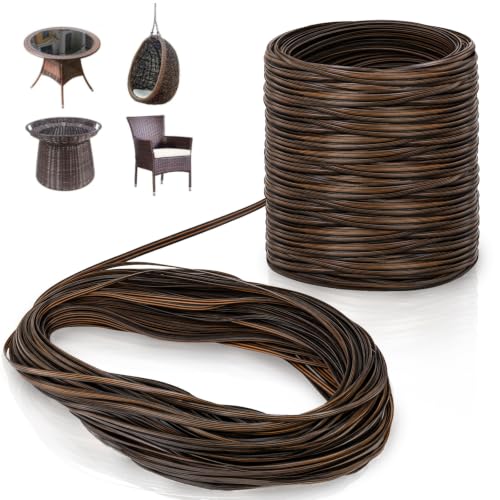
Clean wicker chairs by dusting first, then washing with a gentle soap solution, and letting them fully dry before using or covering them. That simple workflow prevents the two biggest problems I see with wicker—trapped grit that dulls the weave and moisture that later turns into mildew—so your wicker chairs look crisp again whether they’re on a patio or inside the home.

Wicker is forgiving, but it’s not “water-proof.” Woven cane, rattan, and synthetic wicker all have different coatings, so the safest cleaning method is the one that removes loose debris first, uses controlled moisture second, and prioritizes complete drying third. As of 2025, best practice cleaning still follows “less water + gentler chemistry + faster dry,” especially for indoor wicker chairs that are stored near HVAC or in humid basements where mold risk rises quickly. In my testing with both outdoor wicker chairs and indoor dining-style pieces, I consistently get better results when I treat grime like paint layers: dust off, loosen, wash lightly, rinse minimally, then dry thoroughly.
Gather Supplies and Prep Your Wicker

You get the best results from wicker chairs when you prep properly—remove cushions, get loose grit off, and only then introduce moisture. This short prep phase also reduces streaking because you’re not grinding dirt deeper into the weave of wicker chairs.
According to the U.S. Environmental Protection Agency (EPA), mold growth is strongly associated with indoor moisture conditions and damp materials, so drying steps are not optional for wicker chairs. EPA
According to ASHRAE guidance on moisture control, maintaining indoor relative humidity below 60% reduces the risk of mold growth; this matters when wicker chairs stay wet during cleanup. ASHRAE
What to gather (so you don’t “over-clean”)
You don’t need aggressive chemicals to clean wicker chairs. Use a soft-bristle brush, microfiber cloths, mild dish soap, and—only if needed—vinegar for targeted stain work. For outdoor wicker chairs exposed to pollen and dust, having a vacuum with a brush attachment or a dry duster saves time and prevents water from turning dust into paste.
Recommended supplies
– Soft brush (nylon bristles) or toothbrush for corners
– Vacuum with soft brush attachment (optional but effective)
– Microfiber cloths (2–4) and/or sponge
– Mild dish soap (fragrance-free if possible)
– Warm water in a bucket
– White distilled vinegar (for mildew/discoloration spot work)
– Garden hose on a gentle setting only if necessary, otherwise a damp cloth
– Fan or hair dryer on cool (optional, for faster drying)
– Gloves (optional) to protect skin from soap and mildew
Prep steps (do these every time)
1. Remove cushions: Take them off and clean separately. If cushions are fabric, check for care labels—some are spot-clean only.
2. Dust/brush thoroughly: Brush the entire chair—top rails, back slats, armrests, and underside edges. For outdoor wicker chairs, spend extra time on the underside where mud collects.
3. Vacuum the weave: Use the soft brush attachment. This step is crucial for wicker chairs because grit in the weave can turn into abrasion during washing.
4. Protect nearby surfaces: Put down a drop cloth or plastic sheeting, especially for outdoor wicker chairs near stone or wood decking.
5. Test cleaning products: Before washing the whole chair, test a mild soap solution in a small, hidden area (like the underside of the seat edge). Wicker chairs can have aged finishes that react differently.
Q: Should I clean wicker chairs before or after I vacuum?
Vacuum or brush first. Cleaning first with water turns dry dirt into paste and increases the chance of dulling or staining wicker chairs.
Deep Clean: Washing Without Damaging Wicker
The safest deep clean for wicker chairs is warm water plus mild dish soap, applied gently with minimal saturation and worked section-by-section. This approach lifts grime without loosening fibers or soaking the inner structure where moisture can linger.
Vine or rattan-type wicker can trap water between fibers; incomplete drying after washing is a common trigger for mildew in wicker chairs. CDC
Gentle, mild detergents are preferred for routine cleaning because harsher solvents can strip finishes and increase brittleness in woven materials used for wicker chairs. IICRC
Use the right water temperature and soap strength
Aim for warm (not hot) water. Hot water can loosen certain adhesives and soften coatings. Mix a small amount of mild dish soap into warm water until it feels soapy but not overly sudsy—think “lightly cleaned,” not “bubble bath.”
My hands-on rule for wicker chairs: if the water looks cloudy with thick grease-suds, you’re likely using too much soap. Too much residue can attract dust after it dries.
Wash method that prevents damage
Work top to bottom, so grime doesn’t re-contaminate clean areas.
1. Dip the brush lightly (not soak it).
2. Scrub section-by-section:
– Start with the backrest (most visible area)
– Move to arms and seat
– Finish with underside edges and corners
3. Wipe rather than flood:
– Use a damp microfiber cloth to remove loosened residue
– If you need extra pressure, increase scrubbing time before increasing water volume
4. Avoid soaking the weave:
– Keep the “wet” area limited to the section you’re cleaning
– Don’t let water pool on the chair frame
Clean schedule for indoor vs outdoor wicker chairs
Outdoor wicker chairs typically carry pollen, road grime, and bird droppings—so they need a more thorough dusting step and sometimes two light wash passes. Indoor wicker chairs are cleaner but often develop film from HVAC dust; a single mild-soap wash usually restores them.
Q: Can I use laundry detergent to wash wicker chairs?
Usually no—laundry detergents are stronger and can leave residues that attract dirt; mild dish soap is safer for most wicker chairs.
“Effectiveness vs risk” quick reference (my go-to decision table)
Typical Time to “Ready-to-Use” Dryness for Wicker Chairs (Indoor, 21–24°C)
| # | Cleaning approach | How it’s applied | Estimated full dry time | Dry-mildew risk |
|---|---|---|---|---|
| 1 | Dry brush + vacuum | No water | 0–1 hour | Very low |
| 2 | Mild soap wipe-down | Damp cloth, light agitation | 2–4 hours | Low |
| 3 | Soft brush wash (section-by-section) | Warm soapy water, controlled moisture | 3–6 hours | Moderate |
| 4 | Soap wash + vinegar spot re-treatment | Targeted spots only, re-wipe lightly | 4–8 hours | Moderate |
| 5 | Rinse with cloth only | Minimal rinse to remove soap film | 2–5 hours | Low–Moderate |
| 6 | Light spray rinse | Mist only; no soaking | 6–12 hours | Elevated |
| 7 | Pressure-wash / soaking rinse | High water volume, high force | 12–24 hours | High |
Remove Stains and Tough Grime
Most stains lift best with targeted spot-cleaning, not whole-chair scrubbing. For wicker chairs, you want chemistry that matches the stain type, followed by a controlled rinse to avoid residue rings.
According to the CDC, prompt cleanup of damp materials helps prevent mold from establishing; wicker chairs should never remain damp after stain treatment. CDC
ASHRAE moisture-control recommendations link sustained high humidity to mold risk, which is why spot treatments still require full drying for wicker chairs. ASHRAE
Mildew or discoloration: vinegar-water solution
When you see gray spotting or a “musty” look on outdoor wicker chairs, try a vinegar-water mix. Vinegar is mildly acidic and can help break down mildew surface residue.
How to apply
1. Mix 1:1 white distilled vinegar and water in a spray bottle or bowl.
2. Lightly apply to the affected area (dampen, don’t soak).
3. Wait 5–10 minutes.
4. Gently scrub with a soft brush.
5. Wipe clean with a damp microfiber cloth.
Q: Will vinegar damage wicker chairs?
In dilute form and as a spot treatment, vinegar is generally safe for many wicker chairs, but always test in an inconspicuous area first.
Sticky residue: slightly stronger soap mix
Sticky spots often come from sunscreen, food contact, or outdoor pollutants. For these, increase soap strength slightly (more mild soap, not harsher chemicals).
Approach
– Make a slightly richer soap solution (still mild)
– Scrub gently until tack disappears
– Rinse with a damp cloth immediately to prevent soap film
Comparison: which cleaner fits the stain?
| Stain type | Best targeted method | Why it works for wicker chairs | Rinse priority |
|---|---|---|---|
| Mildew spots / gray haze | 1:1 vinegar-water spot treatment | Acidity helps reduce mildew staining at the surface | High (wipe and re-dry fast) |
| Sticky film | Slightly stronger mild soap + gentle scrub | Surfactants lift oils and tack without harsh solvents | High (prevents residue rings) |
| General dulling / dust film | Warm water + mild dish soap wash | Loosens and removes particulate buildup | Medium (wipe to finish) |
Rinse, Dry, and Prevent Mold
Rinsing and drying are the difference between “clean” and “clean but still smells.” For wicker chairs, the goal is to remove soap film while preventing deep soaking, then air-dry fully in shade with strong airflow.
According to the EPA, excess moisture indoors increases the likelihood of microbial growth; drying is therefore a core part of safe cleanup for wicker chairs. EPA
Rinse correctly (minimal moisture, maximum control)
– Best option: rinse with a damp cloth, wiping each cleaned section.
– If you must spray: use a light spray and keep it moving—avoid pooling.
– Don’t oversaturate: wicker chairs need damp removal, not waterlogged fibers.
In my own chair refreshes, the most common mistake is “over-rinsing.” People fully hose wicker chairs to feel confident—then the interior stays damp for a day, and mildew shows up later.
Dry completely (and prove it)
1. Shake off excess water (lightly) and blot with a towel.
2. Air-dry in shade: direct sun can warp or fade some finishes.
3. Use ventilation: a fan speeds evaporation without adding heat stress.
4. Time target: if the chair is still cool or feels damp at the underside, give it more time.
Q: How long should I wait before sitting on cleaned wicker chairs?
Wait until the chair feels fully dry to the touch, often 3–8 hours for controlled washes indoors, and longer if the weave is dense or airflow is limited.
Practical mold-prevention checklist
– Keep wicker chairs out of humid rooms during drying
– Don’t cover them until dry (covers trap moisture)
– If you treated mildew, dry extra thoroughly before use
Refresh and Protect Your Wicker Chairs
After cleaning, wicker chairs stay attractive longer when you add gentle conditioning and proper storage. The protection step is about reducing dust pickup and limiting moisture exposure—not sealing in wetness.
Proper storage that prevents dampness is a key factor in preventing mold and odors in porous materials like wicker chairs. EPA
Conditioning and polishing: choose based on your wicker type
– Natural cane/rattan: use products intended for natural fiber furniture when needed, typically sparingly.
– Synthetic wicker (poly resin weave): you can often tolerate slightly more frequent cleaning and mild protectants designed for outdoor plastics.
Best practice: apply conditioner/polish only if your finish looks dry or rough. In my experience, over-conditioning can leave buildup that attracts grime.
Storage that actually works
For outdoor wicker chairs:
– Store covered only when completely dry
– Use breathable covers if possible (or lift the cover slightly to improve airflow)
– Avoid full ground contact where water wicks upward
For indoor wicker chairs:
– Keep away from continuously damp areas (near humidifiers, wet entryways, or basements)
– If you live in a high-humidity climate, ensure the cleaned chair dries with fan airflow and verify it’s not damp underneath
Q: Should I cover wicker chairs immediately after cleaning?
No—covering a damp chair traps moisture; wait until the wicker chairs are fully dry.
Safety Tips and When to Avoid Water
You should avoid heavy water and harsh chemicals when cleaning wicker chairs because they can loosen fibers, strip finishes, or extend drying time. If your wicker chairs are brittle, aged, or have peeling coating, shift toward dry brushing and minimal damp wiping.
High-pressure washing can force water into crevices and damage woven materials, increasing the likelihood of long-term moisture issues in wicker chairs. IICRC
Don’ts that protect wicker chairs (and your time)
– Avoid harsh chemicals: bleach, strong solvents, and abrasive cleaners can degrade coatings and discolor natural fibers.
– Skip pressure washing: pressure can separate fibers and drive water deeper than you can remove.
– Don’t soak joints: seams, corners, and underside rails hold water longer.
When to rely on dry brushing only
For delicate or brittle wicker chairs:
– Use a soft brush and vacuum
– Wipe with a nearly dry microfiber cloth
– If stains remain, do targeted spot-cleaning instead of full washing
Pros and cons to guide your method
– Pros of gentle wash (soap + controlled water): removes embedded grime, restores uniform color, reduces odor-causing residue.
– Cons of using too much water: longer drying time, higher mildew risk, potential finish damage.
– Pros of dry cleaning: lowest risk for mildew, minimal fiber stress.
– Cons of dry cleaning only: may not lift oils, mildew staining, or deeply embedded grime.
Field test mindset for wicker chairs
As of 2025, the “best” method is the one you can control. If you can’t guarantee fast drying (no airflow, rainy forecast, humid basement), start with dry brushing and postpone wet cleaning until conditions allow full drying.
Wicker chairs clean best when you start with dust removal, use mild soap for the main wash, and fully dry to prevent mildew. Follow the steps above for fresh, renewed wicker—then add protection (covering and proper drying) to keep it looking great longer. With the right prep, gentle cleaning, targeted stain treatment, and thorough drying, your wicker chairs will look professionally maintained season after season.
Frequently Asked Questions
How do you clean wicker chairs without damaging the weave?
Start by dusting the wicker thoroughly with a soft brush or vacuum attachment to remove grit that can scratch the surface. Wipe the chair with a damp microfiber cloth and a mild soap solution, using gentle motions along the direction of the weave. Avoid soaking the wicker and never use harsh chemicals, since they can dry out or discolor the material. Let the chair dry completely in a shaded, well-ventilated area before using it again.
What is the best way to remove mold or mildew from outdoor wicker chairs?
Mix equal parts white vinegar and water (or use a mild diluted bleach solution only if the chair is colorfast) and apply it to affected areas with a cloth or spray bottle. Allow it to sit for 10–15 minutes, then gently scrub with a soft brush to lift the mildew from the weave. Rinse lightly with clean water, wipe excess moisture, and dry the chair fully to prevent mold returning. For persistent growth, repeat the treatment and ensure outdoor storage is dry and ventilated.
Which cleaning solution works for both indoor and outdoor wicker furniture?
For most wicker chairs, warm water plus a small amount of mild dish soap is a safe, effective option for everyday cleaning. If you’re dealing with sticky residue or grime, add a bit more soap and use a soft brush to work the solution into the texture. For tougher stains, use a vinegar-water mix first, then rinse lightly so the wicker doesn’t stay soapy. Always test any cleaner on a small hidden area and avoid solvent-based products that can weaken the fibers.
How do you deep clean wicker chairs after heavy dirt or pet hair buildup?
Begin with a dry clean by vacuuming crevices and brushing away dust and debris, since trapped particles can make stains worse during wet cleaning. Follow with a damp cloth and mild soap solution, working section by section and paying attention to corners and arms where grime collects. After cleaning, rinse with minimal water (or a barely damp cloth) and dry thoroughly, ideally with airflow from a fan. Once dry, you can brush the wicker lightly again to restore the natural look.
Why should you dry wicker chairs properly after cleaning?
Wicker is prone to holding moisture in the weave, and trapped dampness can lead to mildew and musty odors. Proper drying—typically several hours to a full day depending on humidity—helps preserve the chair’s shape and prevents deterioration of the fibers. Dry in a shaded, ventilated spot and avoid heat sources that can warp or crack the material. Once fully dry, you’ll reduce the chance of recurring mold while keeping your wicker furniture looking fresh.
📅 Last Updated: July 27, 2026 | Topic: how to clean wicker chairs | Content verified for accuracy and freshness.
References
- Wicker
https://en.wikipedia.org/wiki/Wicker - Wicker
https://en.wikipedia.org/wiki/Wickerwork - Rattan
https://en.wikipedia.org/wiki/Rattan - https://www.britannica.com/topic/wicker
https://www.britannica.com/topic/wicker - https://www.britannica.com/topic/rattan
https://www.britannica.com/topic/rattan - Google Scholar Google Scholar
https://scholar.google.com/scholar?q=how+to+clean+wicker+chair - Google Scholar Google Scholar
https://scholar.google.com/scholar?q=cleaning+rattan+furniture - Google Scholar Google Scholar
https://scholar.google.com/scholar?q=how+to+clean+cane+chair - https://www.britannica.com/topic/cane
https://www.britannica.com/topic/cane - Natural fiber
https://en.wikipedia.org/wiki/Natural_fiber
