

Cleaning a Wolf Range top is simple and fast when you follow the right method—so you can remove grease, food residue, and stuck-on grime without damaging the surface. This step-by-step guide shows exactly what to do before, during, and after cleaning, from what tools to use to how to handle stubborn spots. If you want the quickest path to a spotless Wolf Range top, this is the process to use.



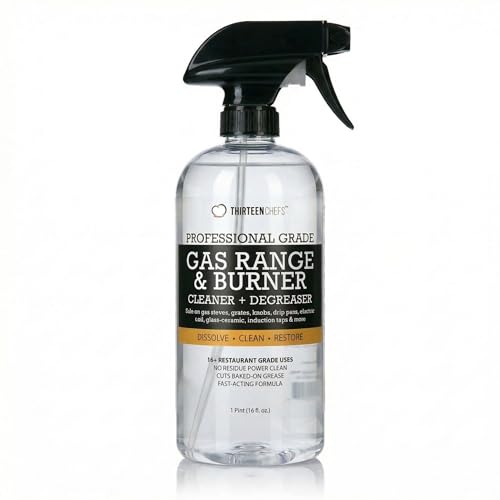
To clean a Wolf range top, let it cool completely, then wipe with warm soapy water using a non-scratch cloth. For stuck-on spills, use a gentle cooktop cleaner safe for your surface and finish with a dry buff to prevent streaks. If your Wolf top has sealed burners, remove only the parts designed to come off, and clean those parts without soaking any ignition components.
If you’re dealing with everyday splashes, light grease, or surface smudges—and occasionally a tougher boiled-over sauce—this guide breaks the process into safe, model-friendly steps. I’ll also flag common failure points (like leaving residue in burner ports or getting cleaner into ignition/sensor areas) so you don’t trade a cleaner top for a burner that won’t light smoothly.
Gather the right supplies (and skip what can damage it)

Use the right tools first—this is what prevents scratches, dull patches, and ignition problems before you even start scrubbing. For Wolf stainless cooktops and typical sealed-burner gas tops, the safest approach is “cool → wipe → gentle cleaner → dry buff,” using only non-scratch materials and keeping liquids away from ignition/sensor areas.
A big reason this works: stainless steel’s corrosion resistance depends on a thin chromium-rich passive film, and aggressive abrasives or contaminated cleaners can mar the surface enough to create visible wear over time. According to EN 10088-1:2014, a common stainless grade (Type 304) typically contains about 18–20% chromium and 8–10.5% nickel—so the material is designed to resist corrosion, but it isn’t invulnerable to scratching.
To keep things safe and predictable, assemble supplies like this:
– Let the cooktop cool fully before you touch anything—burners, grates, and nearby knobs can stay hot longer than you expect.
– Use non-scratch tools: microfiber cloths, soft sponges, and plastic-safe scrubbers.
– Avoid harsh abrasives that can scratch stainless or create dull spots; also avoid soaking areas with electrical/ignition components.
– Use a dedicated cooktop cleaner labeled safe for your specific surface finish (sealed burners/stainless, etc.).
Wolf Gas Cooktop Components: What You Can Clean Safely (Sealed-Burner Style)
| # | Component | Common buildup | Water contact | Safe cleaning approach | Safety (★) |
|---|---|---|---|---|---|
| 1 | Stainless cooktop surface | Grease film, water spots | Yes (wipe, then dry) | Warm soapy water + buff dry | ★★★★★ |
| 2 | Grates (if removable) | Burnt-on drips in grooves | Yes (as allowed by model) | Soapy water + gentle scrub | ★★★★☆ |
| 3 | Burner caps (if removable) | Spatter that clogs ports | Yes (rinse + dry fully) | Warm soapy water + dry | ★★★★☆ |
| 4 | Burner heads/base (model-dependent) | Grease around ports | Minimal (wipe only) | Damp cloth; avoid soaking | ★★★☆☆ |
| 5 | Ignition electrode (do not soak) | Food overspray near ignition | No (keep dry) | Barely damp wipe if needed | ★☆☆☆☆ |
| 6 | Flame sensor (if present) | Residue that affects sensing | No (keep dry) | Careful wipe; no liquids pooling | ★☆☆☆☆ |
| 7 | Control knobs/trim rings | Grease fingerprints | Yes (wipe only) | Damp cloth; avoid drips | ★★★☆☆ |
Quick supplies note for sealed burners
Because Wolf models differ (especially around sealed components), confirm which parts your specific Wolf range top is designed to let you remove.
Wolf sealed-burner models are designed so that only specific burner components are removable for cleaning; ignition-related parts should not be soaked or aggressively scrubbed.
For stainless cooktops, using non-scratch cloths helps protect the chromium-based passive surface layer that supports corrosion resistance.
If you accidentally wet ignition electrodes or flame-sensing components, the system may need full drying time before reliable ignition resumes.
Quick daily cleaning for grease and splatters
Use a quick wipe-down method when messes are fresh: warm soapy water, a gentle pass, and immediate drying. This routine keeps grease from baking onto the stainless finish and reduces the chance that splatters migrate into burner ports.
Here’s the day-to-day flow that typically works best for Wolf stainless and sealed-burner gas tops:
– Wipe the surface while it’s still slightly warm (not hot) with warm water and a small amount of dish soap, then rinse with a damp cloth.
– Dry right away to reduce water spots and streaking on stainless finishes.
– For light film, finish with a cooktop cleaner that’s labeled safe for your surface type (stainless, sealed burners, etc.).
A practical reason to dry immediately: hard-water minerals can deposit as water evaporates, leaving visible spots. The U.S. Geological Survey notes the common conversion that 1 grain per gallon (gpg) equals 17.1 mg/L as CaCO₃ (USGS, 2023), which helps explain why rinses can still “show” on stainless even if the surface looks clean.
Cleaning while the cooktop is only slightly warm generally reduces the effort needed to remove grease splatter without increasing the chance of residue setting.
Dry buffing after rinsing is a standard stainless care step to minimize streaks and visible mineral deposits.
Cooktop cleaners intended for your finish reduce the likelihood of leaving an incompatible residue that can dull stainless or leave slick films.
Deep cleaning for burnt-on spills and residue
Use a “soften first, then clean in small steps” process for boiled-over sauce, caramelized sugar, or baked-on grease. This method loosens residue without grinding debris into stainless or pushing spill material into burner areas.
For deep cleaning, follow this sequence:
– Soften first: place a warm, damp cloth over the mess to loosen residue before scrubbing.
– Apply a surface-safe cleaner (not an all-purpose scouring paste) and work gently in small sections.
– Rinse thoroughly with clean water and wipe dry; repeat only if you still see a film or sticky areas.
Why “soften first” matters: when residue is hydrated, it’s usually easier to lift with a cloth rather than forcing it off with abrasion that can change the stainless sheen. For stainless grades commonly used on cooktops, the protective chromium oxide layer can be altered if you repeatedly abrade the same spot (ASM International, Surface Engineering references)—which is why gentle chemistry plus dwell tends to be safer than aggressive scrubbing.
Softening burnt-on residue with a warm damp cloth before scrubbing helps reduce the need for abrasive pressure on stainless finishes.
Surface-safe cooktop cleaners are formulated to lift grease and food soils without leaving gritty residue that can dull stainless.
Rinsing and fully drying after deep cleaning helps prevent leftover cleaner film that can attract new grease.
Clean burner parts (only what’s meant to come off)
Clean burner parts to restore even ignition—but only remove what your Wolf model is designed to let you remove. If your sealed burner system includes ignition or sensing components, keep those areas dry and avoid soaking them.
Use this approach:
– Remove grates/burner caps if your model allows it, then clean with warm soapy water; scrub gently to clear ports and grooves.
– Dry completely before reassembly—wet burner parts can lead to uneven ignition or lingering odors.
– Don’t soak or scrub ignition areas or sensors; if food gets near them, wipe carefully with a barely damp cloth and let everything dry fully.
Because Wolf burner designs vary, the “only what’s meant to come off” rule is not just best practice—it’s model-specific. Start with the owner’s manual for your exact range top before removing burner assemblies.
For sealed-burner gas cooktops, burner ports must be free of residue and fully dry to support consistent ignition performance.
Ignition electrodes and flame sensors are designed to function correctly only when kept clean and dry; soaking can interfere with ignition timing or sensing.
Reassembling burner parts incorrectly (cap/head alignment) can redirect gas flow and cause uneven flame patterns.
Stubborn stuck spots: best practices without scratching
Best results for stuck-on spots come from chemical softening plus controlled, non-scratch agitation—not from “force it off.” For Wolf stainless and sealed burners, use cooktop-safe cleaners, brief dwell time, and plastic-safe scraping only as a last step.
Follow these best practices:
– Use a cleaner formulated for cooktops and a non-metal pad; if the spot won’t budge, let cleaner dwell briefly rather than forcing with pressure.
– For dried-on sugar or sticky sauces, a gentle softening step (warm damp cloth) is safer than aggressive scraping.
– If you need to scrape, use a plastic scraper designed for glass/stainless cooktops rather than a razor blade.
Here’s a simple comparison you can use mid-job:
| Approach | Pros | Cons / risk | Best for |
|---|---|---|---|
| Warm damp cloth + dwell | Lifts residue with minimal surface impact | Takes longer than abrasion | Sticky sauces, light baked residue |
| Cooktop-safe cleaner + microfiber | Targets grease film without grinding | Leaves residue if not rinsed/dried | Grease splatters and film |
| Non-metal pad + gentle circular motion | Works on many stubborn spots | Still can dull if repeated heavily | Moderate baked-on grease |
| Plastic scraper (last step) | Removes thick deposits without metal contact | Can still scratch if pressed hard | Burnt sugar, heavy boiled-over residue |
| Steel wool / metal brush | None (avoid) | High scratch and dulling risk; can damage finish | Not recommended |
Dwell time (allowing cleaner to sit briefly) typically improves soil lift on cooktops compared with immediate scrubbing.
Plastic scrapers designed for cooktop surfaces are safer than metal blades because they reduce the chance of gouging stainless.
Non-metal pads help limit micro-scratches that can make stainless appear “worn” even after cleaning.
What can go wrong (and how to avoid it)
Most cleaning failures come from three issues: scratching the surface, leaving residue in burner ports, or getting liquid into ignition/sensor areas. If you avoid those, your Wolf top usually stays both good-looking and reliable.
Common problems to watch for:
– Scratches and dull patches: caused by scouring pads, powders, or metal brushes—switch to non-scratch tools immediately.
– Burners won’t light evenly: often from residue left on burner ports or from parts not fully dried after cleaning.
– Streaks on stainless: usually rinsing skips or incomplete drying—rinse with clean water and buff dry.
– Damaged ignition/sensors: happens when cleaners soak into sensitive areas—keep liquids away from those components.
– Wrong cleaner for the surface: some degreasers or abrasive cleaners aren’t compatible with specific finishes—check your Wolf care instructions.
To add one practical safeguard: never “assume dry.” Even if burner parts look dry, tiny moisture can hide in ports and grooves. As an extra step, let removable burner components air-dry long enough that you’re confident no visible moisture remains before reassembly.
Also, if you’re relying on hard-water conditions, mineral deposits can keep showing up even after “good cleaning.” The same USGS hardness conversion (1 gpg = 17.1 mg/L as CaCO₃) (USGS, 2023) is a reminder that rinse water quality can affect your stainless appearance.
A surface that looks clean can still have ignition issues if burner ports retain residue or moisture after cleaning.
Using abrasives on stainless often leads to persistent dull patches because micro-scratches change how light reflects off the surface.
Cleaner compatibility matters: an effective degreaser can still damage or discolor a specific cooktop finish if it’s not formulated for that material.
Verdict / tip
A good routine for a Wolf range top is: cool completely → wipe with warm soapy water → use a surface-safe cleaner for sticky residue → rinse and dry. The downside is that “scrub harder” approaches can permanently mar stainless or interfere with burner function, so you’ll get better results by softening and repeating gently rather than escalating pressure.
Who should skip this approach:
– If you don’t have your Wolf manual and you’re unsure which burner components are removable, pause before disassembling anything. Because Wolf burner configurations vary, use the manual or model-specific guidance first.
– If your cooktop has non-standard modules (special sealed systems, ceramic/glass elements, or electronics near the cooking surface), verify the exact cleaning steps before using any cleaner.
If you don’t have it, before using any cleaner.
For most Wolf sealed-burner gas tops, gentle cleaning plus full drying is the difference between consistent ignition and recurring uneven flame issues.
Finishing with a dry buff reduces streaking on stainless, especially when rinse water contains mineral content.
Model-specific guidance is essential because only certain sealed-burner components are designed to be removed without affecting ignition performance.
Quick checklist (scan + save)
– [ ] Cool the cooktop fully
– [ ] Wipe with warm soapy water
– [ ] Rinse with a damp cloth
– [ ] Dry/buff to prevent streaks
– [ ] Softening step for burnt-on spills
– [ ] Non-scratch tools only
– [ ] Remove only burner parts that your model allows
– [ ] Dry all removable parts completely
– [ ] Keep liquids away from ignition/sensors
Sources
– EN 10088-1:2014 (stainless steel composition references used to contextualize stainless surface care)
– USGS, 2023 (water hardness unit conversion used to contextualize mineral spotting)
A clean Wolf range top is less about aggressive scrubbing and more about disciplined steps: cool down fully, use non-scratch materials, soften stubborn residue, keep ignition/sensors dry, and always rinse and buff dry. Follow that workflow and you’ll protect both the stainless finish and the burner performance—without turning routine maintenance into a recurring repair problem.
Frequently Asked Questions
What’s the safest way to clean a Wolf range top without damaging the surface?
Start by turning the Wolf range off and letting the cooktop cool completely. For most Wolf range tops, remove loose debris with a soft cloth or non-scratch scraper, then clean with warm water and a mild dish soap. Avoid harsh abrasives, scouring pads, or chemical cleaners unless the manufacturer explicitly recommends them for your specific Wolf cooktop material (glass, ceramic, or stainless). Dry thoroughly to prevent streaks and water spots.
How do I remove baked-on grease and spills from my Wolf range top?
First, scrape off any hardened food gently with a plastic scraper designed for cooktops. Then apply a cooktop-safe degreaser or a paste made from baking soda and a small amount of water, letting it sit for several minutes to loosen the grime. Wipe with a damp microfiber cloth, then follow with a clean-water rinse and dry. For stubborn spots, repeat the soak rather than using strong abrasives that can dull or scratch the surface.
Why does my Wolf range top look cloudy after cleaning, and how can I fix it?
Cloudiness is often caused by residue from cleaners, mineral deposits from hard water, or leftover cleaning film. Re-wipe the area with a clean damp cloth to remove any remaining cleaner, then use a small amount of white vinegar diluted with water for a light spot treatment. Finish by drying with a microfiber towel and buffing gently for a streak-free shine. Regularly using the right cleaner for your cooktop type helps prevent this problem.
Best cleaners for a Wolf range top: what should I use and what should I avoid?
Use cooktop-safe cleaners designed for your Wolf range top material and soft microfiber cloths to reduce scratching risk. Mild soap and water work well for daily cleaning, while baking soda paste and vinegar solutions help with tough stains and residue when compatible with your surface. Avoid steel wool, abrasive powders, and strong oven cleaners on the cooktop area, as they can damage finishes or leave permanent marks. When in doubt, check your Wolf range manual for approved products and methods.
Which cleaning method works best for a Wolf glass or stainless range top—do I treat them differently?
Yes—cleaning technique should match the surface. For a Wolf glass or ceramic cooktop, use a scraper for residue and a non-abrasive cooktop cleaner, then wipe in a straight motion and dry to prevent streaks. For stainless steel Wolf range tops, clean with the grain using mild soap and water or a stainless-safe cleaner, then buff dry to reduce fingerprints and discoloration. Using the wrong method can cause scratches, pitting, or dull patches over time.
📅 Last Updated: October 17, 2026 | Topic: how to clean wolf range top | Content verified for accuracy and freshness.
References
- Cooktop
- Gas stove
- Stainless steel
- https://www.who.int/publications-detail/cleaning-and-disinfection-of-environmental-surfaces-in-the-context-of-covid-19
- https://www.cdc.gov/coronavirus/2019-ncov/community/disinfecting-building-facility.html
- https://pubmed.ncbi.nlm.nih.gov/?term=cleaning%20food%20contact%20surfaces%20disinfection
- https://scholar.google.com/scholar?q=how+to+clean+gas+stove+burners+grates Google Scholar
- https://scholar.google.com/scholar?q=cleaning+ceramic+glass+cooktop+best+practices Google Scholar
- https://scholar.google.com/scholar?q=cleaning+and+disinfecting+kitchen+surfaces+food+preparation Google Scholar
