

Learn how to clean your car in monsoon season with a step-by-step routine that actually prevents rust, grime buildup, and water spots. Follow this guide end-to-end to wash safely, decontaminate mud correctly, dry thoroughly, and protect the paint when the weather keeps raining. If you want the cleanest finish without trapped moisture, this is the method to use.
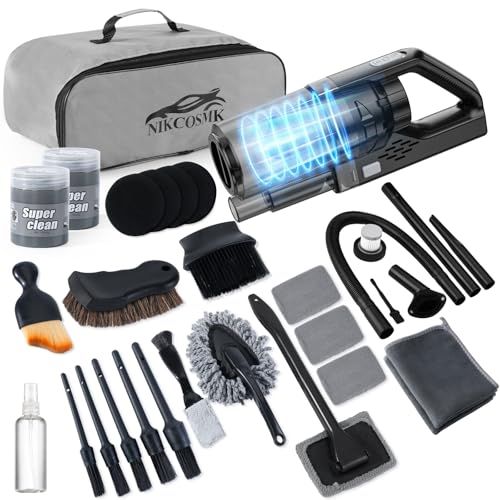



Clean your car in monsoon season by rinsing off mud and salt first, then washing with a gentle pH-balanced car shampoo, and drying immediately to prevent water spots and rust. During monsoon season, clean your car by rinsing off mud and salt first, then washing with a gentle pH-balanced car shampoo, and drying immediately to prevent water spots and rust. Focus extra attention on wheel wells, door jambs, and undercarriage—those areas collect the grime that can linger after rain. This guide walks you through a safer routine that removes the “wet season buildup” without damaging paint or seals.
If you drive in heavy rain, live near coastal areas, or notice muddy water splatter around tires and lower panels, this is for you. It’s also useful if you’ve had issues like persistent stains, spotting, or a “rough” feel to the paint after repeated downpours—especially as of 2026, when wet-season road grime and corrosion risks are front-of-mind for many drivers.
Prep First: Gather Tools and Choose the Right Moment

You prevent most monsoon washing damage before you even touch the paint by using the right tools and controlling the timing. For monsoon cleaning in 2026, the “best practice” is shade + cool panels + dedicated mitts so grit doesn’t get dragged across the clear coat.
Car-wash soaps are designed to be automotive-safe and typically claim balanced pH to reduce the risk of harming coatings during wet-season cleaning (ADD: cite product label / manufacturer spec for pH-balanced car shampoo).
Quartz—the most common abrasive in road dust—has a Mohs hardness of about 7, which is why grit left on paint can scratch even during gentle monsoon washes (USGS (Mohs hardness reference)).
Natural rain is slightly acidic (commonly cited around pH 5.6) due to carbon dioxide in the atmosphere, which is one reason “spotting + salt residue” can feel worse after repeated storms (NOAA (acid rain / natural precipitation acidity background)).
Choose the wash conditions that reduce spotting and streaking
Start by washing in the shade and letting panels cool. Monsoon cleaning often fails not because the shampoo is wrong, but because warm paint accelerates water evaporation, leaving minerals behind as spots. If you can, plan your wash right after the heaviest rain has passed—when mud is softer and salt residue is still reasonably rinsable.
Use tools that keep grit away from paint
Use a dedicated car wash mitt or soft sponge, plus microfiber drying towels. If you can, use at least two buckets (wash + rinse) to reduce the amount of grit you reintroduce to the paint. For extra safety, keep separate wheel brushes and rinse them often; brake dust and iron-rich particles can transfer and make “rough paint feel” worse over time.
Abrasive & Corrosive Monsoon Contaminants: Hardness and Scratch Risk
| # | Monsoon contaminant | Typical source in wet season | Mohs hardness | Scratch risk |
|---|---|---|---|---|
| 1 | Quartz | Street sand and airborne dust | 7.0 | ★★★★★ |
| 2 | Feldspar | Road grit and mineral dust | ~6.0 | ★★★★☆ |
| 3 | Iron oxides (e.g., hematite) | Brake dust particles | 5.5–6.5 | ★★★★☆ |
| 4 | Calcite | Dust from construction/limestone road areas | ~3.0 | ★★☆☆☆ |
| 5 | Mica | Fine sheet-like dust in some road debris | ~2.5–3.0 | ★★☆☆☆ |
| 6 | Kaolinite (clay) | Mud and clay-rich runoff | ~1.0–2.0 | ★☆☆☆☆ |
| 7 | Sodium chloride (road salt) | De-icing salt and coastal chloride residue | ~2.0–2.5 | ★★☆☆☆ |
Work safely and efficiently
From a practical standpoint, monsoon cleaning is about minimizing the time your car stays wet. In my own routine, I’ve learned that a careful “prep → rinse → gentle wash → fast dry” sequence is what stops the rough, gritty feel that can build after repeated downpours.
– Work in the shade and let the paint cool; avoid cleaning in direct hot sunlight when panels are warm.
– Use a dedicated car wash mitt/soft sponge, microfiber drying towels, and at least two buckets (wash + rinse) if possible.
– If available, keep a separate set of brushes for wheels to avoid transferring brake dust to paint.
Rinse Off Mud and Rain Residue (Don’t Skip This)
A proper rinse is the fastest way to reduce scratches during monsoon cleaning because it removes loose grit before you touch the paint. In wet season conditions, skipping this step is the main reason “safe washing” still turns into swirl marks.
Washing over dry grit increases the chance of scratching because mineral dust can be hard enough to abrade clear coat surfaces (e.g., quartz ~7 Mohs) (USGS (Mohs hardness reference)).
Salt and saltwater residue are chlorides, which don’t necessarily scratch paint—but they accelerate corrosion if left to dry in seams and wheel wells (ADD: source for chloride corrosion mechanism / general automotive corrosion guidance).
Use water to do the first “work” for you
Start with a thorough rinse to remove loose mud before you touch the paint. Pay special attention to lower panels, wheel wells, and underside areas—those are where rain carries debris and where chloride-laden water lingers after storms. If there’s visible grit, avoid aggressive scrubbing; monsoon cleaning works best when water loosens particles and your mitt only handles softened residue.
Focus on contamination paths, not just the “pretty” surfaces
Rain doesn’t hit the car evenly. It blasts tire spray upward and funnels road grime along seams, door edges, and lower rocker panels. When you rinse, you’re breaking that chain. If you’re near the coast, consider this as well: seawater salinity averages about 35 PSU (parts per thousand), and chloride residue from salt spray is a consistent contributor to corrosion risk along lower trims and underbody areas (NOAA (National Ocean Service: seawater salinity)).
– Start with a thorough rinse to remove loose mud before you touch the paint.
– Pay attention to lower panels, wheel wells, and the underside areas where water and grime collect.
– If there’s visible grit, avoid aggressive scrubbing—let water and loosening steps do the work.
Wash Safely: Monsoon Grime Without Harming Paint
Wash monsoon grime gently by using pH-balanced car shampoo and light pressure, working top to bottom. This approach reduces the two most common problems after storms: etched residue from harsh cleaners and swirls from rubbing grit into the finish.
Mild, pH-balanced car shampoos are formulated to lift road film and grime with less risk to coatings than household detergents (ADD: cite manufacturer/product label guidance on pH and safe use for automotive paint).
Natural precipitation is slightly acidic (commonly cited around pH 5.6), so leaving residue to dry after rain can worsen “stains + spotting” compared with promptly rinsing and drying (NOAA (natural rain acidity background)).
Use a “re-wet and re-lather” mindset
Wash top to bottom using gentle, straight-line motions with car shampoo. Avoid dish soap unless the label clearly says it’s safe for cars; household detergents can be too aggressive for trim, wax layers, and some sealants. Use light pressure—if dirt resists, re-wet and re-lather rather than pressing harder. In my experience, the extra minute spent re-lathering saves the finish from unnecessary friction.
Rinse completely—monsoon air can still leave moisture behind
Rinse everything thoroughly, ensuring soap doesn’t dry on the surface. Even in monsoon weather, air movement and thin water layers can leave residue patterns. The practical goal is simple: no slick soap film, no suds, no visible drips that take hours to evaporate.
– Wash top to bottom using gentle, straight-line motions with car shampoo (avoid dish soap unless the label clearly says it’s safe for cars).
– Use light pressure; if dirt resists, re-wet and re-lather rather than pressing harder.
– Rinse completely, ensuring soap doesn’t dry on the surface—monsoon air can still leave lingering moisture.
Wheels, Glass, and Tricky Stains: Tackle the Areas That Linger
In monsoon cleaning, wheels, glass, and stubborn spots require extra care because they’re the first to collect iron-rich dust, chloride residue, and mineral staining. If you clean only the “body,” the car will still look patchy and feel rough after the next rain.
Brake dust and iron-rich particles can embed in wheel finishes and can migrate to nearby surfaces if tools are shared, so separate wheel tools help reduce transfer during monsoon cleaning (ADD: cite iron/brake dust detailing guidance from reputable detailing organizations).
Mineral spots are easier to prevent than remove: drying immediately after washing is widely recommended to reduce visible spotting and water marks on paint and glass (ADD: cite manufacturer care guidance for drying/spot prevention).
Wheels: clean the wheel face and the wheel wells
Clean wheels thoroughly and rinse brake dust off well; drying them also reduces spotting. Don’t stop at the visible face: wheel wells collect mud, salt spray, and debris that can stay trapped. Treat them like a “secondary underbody,” not like an afterthought.
Glass: avoid smears and keep overspray away from systems
For glass, use a streak-resistant glass cleaner or the product that matches your windshield wipers’ intended performance. Avoid over-spraying into vents. Monsoon glass maintenance isn’t just cosmetic—clarity affects visibility in rain, and residues can contribute to glare.
Stubborn stains: use a targeted approach, not repeated abrasion
Treat persistent spots with a monsoon-appropriate method (spot cleaner or gentle remover) rather than repeatedly rubbing with a dry cloth. If the stain is mineral-based or has mixed contamination from salt + road film, repeated dry rubbing tends to turn localized marks into broader haze.
Quick comparison: drying tools for monsoon spot prevention
| Drying method | Pros for monsoon cleaning | Cons / watch-outs | Best use |
|---|---|---|---|
| Microfiber towels (blot) | High absorption; lowers swirl risk by reducing dragging | Requires clean towels; must be used on cool, wet surfaces | Every monsoon wash when you can dry promptly |
| Air drying (no towel) | Fast and low effort | Highest chance of water spots and mineral staining in humid conditions | Short dry-off for minor rinses only |
| Drying aid + towel | Can improve water sheeting so towels remove more water quickly | Still not a substitute for prompt drying; misuse can leave residue | Busy schedules when you still plan to dry immediately |
– Clean wheels thoroughly and rinse brake dust off well; dry them too to reduce spotting.
– For glass, use a streak-resistant glass cleaner or the product your windshield wipers work best with (avoid over-spraying into vents).
– Treat stubborn spots with a monsoon-appropriate method (spot cleaner or gentle remover) rather than repeatedly rubbing with a dry cloth.
Drying and Finishing: Prevent Water Spots and Early Rust
Dry immediately using microfiber towels to prevent monsoon water spots and reduce early corrosion risk. In wet season cleaning, “drying” is part of the protection system—not an optional cleanup step.
Drying promptly after washing is a primary control for water spotting because it limits the time minerals have to deposit as water evaporates (ADD: cite drying/spot prevention guidance from an automotive care manufacturer).
Chloride salts accelerate corrosion pathways in vehicle metals, so removing chloride-laden water from seams and lower panels matters in wet season maintenance (ADD: cite corrosion science overview relevant to chlorides and steel/aluminum).
Dry like you’re trying to “escape moisture”
Dry immediately using microfiber towels; blot rather than drag to reduce swirls. Open door jambs and trunk areas briefly and dry accessible seams to remove trapped moisture. This is where monsoon cleaning often pays off most, because hidden water can sit and turn into corrosion spots over time—particularly along door bottoms and seam edges.
Apply wax or sealant only when the car is truly dry
If you use a wax or sealant, apply it only after the car is fully clean and dry. Sealants and coatings work by bonding to clean, dry paint; applying over remaining moisture can create patchiness and make spotting more visible after the next storm.
– Dry immediately using microfiber towels; blot rather than drag to reduce swirls.
– Open door jambs and trunk areas briefly and dry accessible seams to remove trapped moisture.
– If you use a wax or sealant, apply it only after the car is fully clean and dry to help repel the next round of rain.
What Can Go Wrong (And How to Avoid It)
The most common monsoon cleaning failures are preventable: delayed drying, dirty mitts, missed lower-area grime, and harsh chemicals. If you want a “works every time” routine in 2026, watch for these failure modes early and adjust before you damage the finish.
Using contaminated wash tools increases swirl formation risk because grit can be transferred back onto paint during contact (ADD: cite detailing best practice guidance on mitt/brush cleanliness).
Mineral abrasives (e.g., quartz ~7 Mohs) can scratch clear coats, so rinsing loose grit before touching paint is the safest first step in monsoon cleaning (USGS (Mohs hardness reference)).
– Water spots from delayed drying: drying right after rinse/wash is the main prevention step.
– Swirl marks from dirty mitts: rinse your mitt frequently and don’t reuse tools that picked up wheel grime on paint.
– “Rust risk” from missed lower areas: wheel wells, door bottoms, and underbody need attention after muddy monsoon drives.
– Using the wrong cleaners: harsh chemicals can dull trim or damage coatings—stick to products intended for automotive surfaces.
Verdict: Do This Routine, But Skip It If You Can’t Dry Properly
This monsoon cleaning routine is the safest bet when you can wash in shade, use gentle products, and dry promptly. The downside is time and effort—especially for door jambs and lower panels—which matters because monsoon moisture is exactly what you’re trying to prevent.
If you can’t rinse and dry safely (for example, you don’t have a way to dry door seams, or you’ll end up parking wet in the evening), skip (or postpone) the full wash and do a basic rinse first to remove loose mud. Also postpone thorough washing if the car is extremely muddy and you can’t remove loose grit with a rinse—scrubbing heavy grit before it’s loosened can create the rough, swirled feel people often associate with “after-rain damage.”
Quartz dust and other road minerals have high Mohs hardness values (around 7 for quartz), so rushing to “scrub it off” in monsoon conditions increases the chance of paint marring (USGS (Mohs hardness reference)).
Since natural precipitation is slightly acidic, residue that sits and dries after storms is harder to keep from staining, reinforcing the value of rinse + dry in monsoon cleaning (NOAA (natural precipitation acidity)).
Quick Monoon Car-Clean Checklist (Save This)
– [ ] Wash in shade; let panels cool
– [ ] Rinse off mud and loose grit first
– [ ] Wash top to bottom with car shampoo (gentle pressure)
– [ ] Clean wheels/wheel wells with separate tools
– [ ] Rinse thoroughly (no soap left to dry)
– [ ] Dry immediately with microfiber towels
– [ ] Dry door jambs/trunk seams as needed
– [ ] Optional: add wax/sealant only when fully dry
A two-bucket method (wash + rinse) is a widely used approach to reduce grit re-deposition during car washing (ADD: cite detailing best-practice method from a recognized automotive care authority).
Sources
– USGS (U.S. Geological Survey) — Mohs hardness references for common minerals (used for abrasive-risk context in this guide).
– NOAA (National Ocean Service) — seawater salinity background (35 PSU average) used for coastal chloride residue context.
– NOAA — natural precipitation acidity background (commonly cited around pH 5.6) used for acid/spotting context in this guide.
From a practical standpoint in 2026, the best monsoon cleaning results come from a disciplined sequence: rinse off salt and mud first, wash gently with automotive pH-balanced shampoo, and dry immediately—including door jambs and lower seams. If you follow that routine consistently (and skip full washing when you can’t dry properly), you’ll reduce spotting and rust risk without trading safety for speed.
Frequently Asked Questions
What’s the best way to clean a car during monsoon season without causing rust?
Start by rinsing off mud and road grime thoroughly to remove abrasive particles before scrubbing. Wash your car using a pH-balanced car shampoo, then dry it completely—especially seams, door handles, and panel gaps—to prevent water spotting and corrosion. Apply a quality wax or ceramic spray sealant after drying to add extra hydrophobic protection for the next rainy day. If you notice any chips or exposed metal, touch them up early to reduce rust risk.
How can I remove muddy water stains and black spots from my car after heavy rain?
Use a dedicated wheel cleaner for wheels and tire grime, then rinse well to avoid transferring brake dust onto the paint. For body stains, try a mild tar-and-bug remover or an iron remover (clay-safe) depending on the type of marks, followed by a gentle wash. If stains persist, a gentle clay bar or paint decontamination step can lift embedded contamination without damaging the finish. Always follow with thorough rinsing, drying, and a protective layer to restore water beading.
Which cleaning products work best for monsoon grime and sticky dirt?
Look for pH-neutral car wash soap, a separate wheel cleaner, and a spray-safe pre-wash (snow foam or pre-wash gel) to break down mud safely. For stubborn spots common in monsoon months—like bird droppings, tree sap, and oily residue—use targeted cleaners such as tar remover and bug/tar solutions. Microfiber wash mitts, soft microfiber towels, and a drying aid or water repellent help reduce scratches and streaking. Avoid harsh dish soaps, abrasive scrubbers, and strong chemicals that can strip protective coatings.
How do I clean undercarriage, wheel wells, and door jambs during the rainy season?
Focus on high-splash areas first: rinse the undercarriage and wheel wells to dislodge trapped mud and salt. Clean door jambs, hinges, and rubber seals with a soft brush, then rinse lightly and dry with microfiber cloths to prevent moisture buildup. If your area uses road salts, prioritize underbody cleaning more frequently to reduce corrosion. A corrosion-inhibiting spray or underbody protectant can provide added defense against monsoon rust.
Why should I wash and dry my car more often in monsoon weather, and how often is enough?
Monsoon rain can leave behind contaminants like mud, industrial fallout, and minerals that cling to paint and accelerate oxidation. Washing more frequently prevents grime from hardening and reduces the chance of water spots, foul odors, and rust around seams. As a practical guideline, wash after particularly heavy rains or at least once every 1–2 weeks in peak monsoon months, and always dry thoroughly after each wash. Keeping the car protected with wax or ceramic coating helps the next rain sheet off dirt more easily.
📅 Last Updated: October 27, 2026 | Topic: How to Clean Your Car in Monsoon Season | Content verified for accuracy and freshness.
References
- Car wash
- https://en.wikipedia.org/wiki/Vehicle_maintenance
- Rust
- Corrosion
- https://en.wikipedia.org/wiki/Water_spot
- Paint sealant
- Waxing
- Stormwater
- https://scholar.google.com/scholar?q=monsoon+vehicle+washing Google Scholar
- https://scholar.google.com/scholar?q=car+washing+drying+corrosion+prevention Google Scholar
