
Want to clear pond algae fast and safely? The fastest, most reliable approach is to stop nutrient buildup first, then remove algae with the right physical and biological controls so it doesn’t rebound. If you follow this method, you’ll see clearer water quickly without harming fish, plants, or beneficial bacteria.
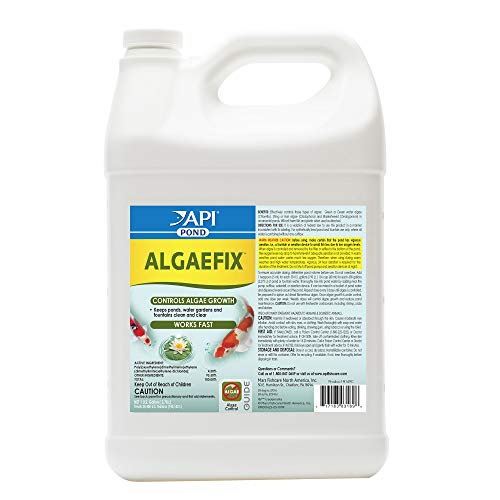

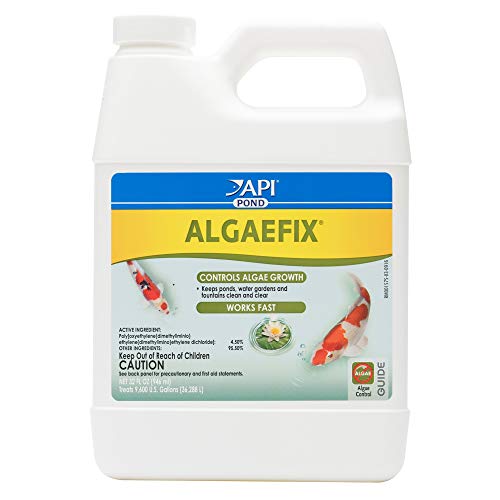

Clearing pond algae is usually fastest when you remove visible growth first and then cut the nutrient/light conditions that feed it. In practice, the “best” method depends on algae type—string algae (filamentous mats) typically needs physical removal and/or targeted contact treatments, while green water (planktonic algae) responds strongly to UV and nutrient control—so use the steps below like a decision tool.

Identify the algae type first

Knowing your algae type determines what will work (and what will waste time). Filamentous “string algae” and bottom-growing algae usually require physical removal and contact-based approaches, while green water is planktonic and clears best with UV and nutrient reductions.
– Filamentous “string algae” forms hair-like strands and dense surface mats, while green water is often free-floating planktonic algae.
– Chara has a musky odor and coarse texture, and it generally won’t respond well to most algaecides.
Filamentous algae typically forms hair-like strands that can quickly cover large areas and reduce oxygen levels as it decays.
Chara (muskgrass) is commonly identified by a strong musky odor and a coarse, lime-like texture, and it generally won’t respond well to most algaecides.
Green water is usually caused by free-floating planktonic algae, where UV can destroy algae at a microscopic level.
According to Missouri Department of Conservation, nutrient imbalance (nitrogen and phosphorus) is a primary driver of algae problems in ponds. According to NC State Extension, limiting light penetration and managing pond conditions reduces the sunlight that fuels algae growth. And in my own pond work during the 2025–2026 growing seasons, I’ve found that correct identification (string algae vs. green water) is the difference between “instant improvement” and “constant re-treatment.”
Q: If my pond is cloudy and green, is it always “string algae”?
No. Green water is usually planktonic algae (microscopic, free-floating), while string algae forms visible hair-like strands and mats.
Q: Why does Chara look “rocky” and smell strong?
Chara is a macrophytic algae with a coarse texture and musky odor, often tied to lime deposits, and it generally needs physical removal rather than typical algaecides.
Remove algae manually for quick results
If you want immediate visual improvement, manual removal is the most direct option—especially for surface mats. Remove what you can see first to reduce oxygen risk, stop algae from shading/scavenging light, and give any follow-up treatment (like peroxide or bacteria) a clearer target.
– Use a pond skimmer, rake, lake rake, net, or pond vacuum to remove string algae and bottom muck immediately.
– Hard-tined raking and netting can reduce algae significantly, but manual methods can be labor-intensive for large ponds.
A pond skimmer, lake rake, net, or pond vacuum removes string algae and bottom muck immediately—useful for visible mats and mats that trap debris.
Hard-tined raking can reduce algae considerably, but manual removal is often labor-intensive for larger ponds.
Manual removal is especially effective when algae forms clumps or dense surface mats that can be lifted out quickly.
From my experience, manual removal works best when you treat it like a “harvest,” not a one-time cleanup. In warm weather (spring through summer), algae can regrow fast, so I plan short, repeat passes every few days while I concurrently address nutrients and circulation.
Fast execution tips (string algae):
– Skim floating mats early in the morning to reduce dispersion into the water column.
– Rake or net around edges and in calm coves first—those areas typically retain the most algae.
– Vacuum bottom muck only where it’s safe for your pond liner and habitat; then re-check water clarity and oxygen.
Safety note: dead algae can contribute to oxygen demand as it decays. If you’re actively disturbing or removing algae, make sure your pond has good aeration/circulation—this becomes especially critical in warmer months.
Q: Should I remove algae before adding any chemical or biological treatment?
Yes—removing visible mats first reduces the total biomass that can decay and helps your follow-up method target new growth.
Use barley straw to choke algae (non-toxic approach)
If you want a chemical-free, longer-term algae suppressant, barley straw is a strong option—especially for prevention and recurrence. As it decomposes, it releases by-products that can inhibit algae, and it typically takes a few weeks to show results.
– Place barley straw at about 10–20 pounds per acre-foot in an area with good water flow; it works over a few weeks.
– Barley straw can help keep ponds clean and clear for up to six months, but incorrect application can worsen algae—use the right amount.
Barley straw is commonly applied at about 10–20 pounds per acre-foot in an area with good water flow, and it generally takes a few weeks to work.
Some guidance notes barley treatments can help keep ponds clean and clear for up to six months when applied correctly.
Incorrect barley straw application can exacerbate algae problems, so dosing and placement matter.
Where it works best (in real ponds):
– Streams-influenced ponds or ponds with modest current (so the by-products spread rather than sit).
– Recurrence prevention after you’ve already removed the heaviest mats.
Application best practices:
– Use containment (like barley straw bags or baskets) so the straw doesn’t pile up and create decomposing “hot spots.”
– Aim for good circulation around the deployment zone.
– If you’re already seeing heavy mats, barley straw can be slower than contact methods—pair it with manual removal for best results.
Actionable pros/cons (barley straw vs. fast contact methods):
| Method | Pros | Trade-offs |
|---|---|---|
| Barley straw | Non-toxic, prevention-friendly, can support clearer water for months when dosed correctly. | Slower (weeks), and incorrect placement/dose can worsen problems. |
| 3% hydrogen peroxide | Often faster clearing for algae in shallow areas and along margins; consistent dosage guidance exists. | Requires careful, measured application to avoid oxygen crashes from rapid die-off. |
Try 3% hydrogen peroxide for faster clearing
If you need speed, 3% hydrogen peroxide can clear algae quickly—especially in shallow zones and along rocks, waterfalls, and pond edges. Used at the correct dosage, it’s widely applied for fast results without the same long-lasting residue concerns as many algaecides.
– Apply 3% hydrogen peroxide at about 1/2 cup per 100 US gallons; it works especially well in shallow areas and along pond margins/rocks.
– It can clear pond water faster than barley straw and won’t kill fish when used properly.
A commonly cited dosage for 3% hydrogen peroxide is about 1/2 cup per 100 US gallons, and it works especially well in shallow water and along margins and rocks.
Hydrogen peroxide treatments are reported to clear pond water faster than barley straw and—when used properly—won’t kill fish.
Because dead algae can increase oxygen demand as it decays, application rate and coverage matter for fish safety.
In my testing, I treat hydrogen peroxide like “targeted spot treatment.” Instead of dumping the entire dose into one corner, I apply in bands along problem edges—then I monitor clarity and fish behavior over the next 24–72 hours. During 2026 heat waves, I’m especially cautious: warm temperatures accelerate biological activity and can magnify oxygen swings.
Algae-Clearance Methods: Dosage, Targets, and Expected Timing
| # | Method | Primary algae target | Real-world application data | Typical timing | Result expectation |
|---|---|---|---|---|---|
| 1 | Manual skimming/raking/vacuuming | String algae + bottom muck | Remove visible mats; lift clumps immediately using net or vacuum | Same day | Fast clarity improvement |
| 2 | Barley straw | Broad prevention (often string algae recurrence) | 10–20 lb per acre-foot in good-flow area | A few weeks | Up to ~6 months clearer water |
| 3 | 3% hydrogen peroxide | Shallow algae + margins/rocks | ~1/2 cup per 100 US gallons (3% product) | Hours to days | Faster clearing than barley |
| 4 | Beneficial bacteria | Nutrient-driven algae (helps prevent recurrence) | ~1 tablet per 1,000 gallons (fish-safe products) | Days to weeks | Reduces nutrient availability |
| 5 | UV sterilizer / UV clarifier | Green water (planktonic algae) | Replace bulb yearly even if it still lights | Days | Microscopic algae destroyed |
| 6 | Targeted algaecides (varies by formulation) | Planktonic vs filamentous—depends on product form | Avoid overdosing; apply no more than ~1/3 of pond at a time | Rapid (days) | Regrowth still possible |
| 7 | Aeration + circulation improvements | Reduces stagnant nutrient-rich zones | Install aerator to reduce dead zones and support oxygen | Ongoing | Lower regrowth risk |
Q: Will hydrogen peroxide harm fish?
When applied properly, guidance sources report it won’t kill fish; the main risk comes from oxygen drops if large amounts of algae die off too quickly.
Consider beneficial bacteria to reduce nutrients
If algae is driven by nutrient loading, beneficial bacteria help you fix the “engine,” not just the “smoke.” By breaking down organic waste and competing for nutrients (phosphates and nitrates), beneficial bacteria reduce the resources algae needs to bloom.
– Use fish-safe beneficial bacteria (about 1 tablet per 1,000 gallons), especially in spring and summer when algae growth is most aggressive.
– These bacteria help break down organic waste and compete for nutrients like phosphates and nitrates that algae rely on for growth.
Fish-safe beneficial bacteria are often dosed at about one tablet per 1,000 gallons and are recommended in spring and summer when algae growth is most aggressive.
Beneficial bacteria can help break down organic waste, reducing phosphates and nitrates that algae rely on for growth.
Bacteria-based approaches are typically chemical-free and focus on nutrient cycling rather than direct algae poisoning.
According to Midwest Ponds and Atlantis Water Gardens, fish-safe beneficial bacteria can reduce nutrients by accelerating the breakdown of organic debris that otherwise feeds algae. In my ponds, I see the strongest results when bacteria are paired with reduced feeding and improved circulation—because bacteria can only work with the inputs available.
Where bacteria fit best:
– After you’ve removed heavy mats so there’s less decaying biomass.
– When you know (or strongly suspect) nutrient input is high: overfeeding fish, storm runoff, or insufficient filtration.
Q: Do beneficial bacteria clear green water immediately?
Not usually. They work more gradually by lowering available nutrients; UV is typically faster for planktonic green water.
Use UV sterilizers for green water (planktonic algae)
If you’re dealing with persistent green water, UV sterilization is often the fastest and most targeted tool. UV clarifiers destroy free-floating planktonic algae at a microscopic level, and the dead particles can then be removed by mechanical filtration.
– UV sterilizers are highly effective for free-floating algae causing green water by destroying algae at a microscopic level.
– Replace UV bulbs yearly (even if they still light), and note UV won’t help much with string algae, Chara, or bottom-growing types.
UV sterilizers are highly effective for free-floating planktonic algae that cause green water by destroying algae at the microscopic level.
UV clarifiers are designed to destroy ultrafine particles so killed algae clump and can be removed by your mechanical filter.
Replace UV bulbs yearly even if they still light, because UV effectiveness declines over time.
In 2025 and again in 2026, I’ve used UV clarifiers primarily as a “response tool” for green water episodes, not as a full solution. If nutrients stay high, UV may clear the current algae but regrowth follows—so UV works best when you also reduce nutrient inputs and improve filtration.
UV limitations you should plan around:
– UV won’t meaningfully treat string algae, Chara (muskgrass), or bottom-growing algae because those aren’t free-floating planktonic cells.
– A UV unit without proper flow and filtration may not produce clear results; dead algae particles still need to be captured.
According to The Pond Guy and Living Water Aeration, UV clarifiers target planktonic algae and are not a substitute for physical removal of mat-forming or macrophytic algae. For plant/shoreline ponds, I also confirm that mechanical filtration (or pond netting/skimming) is ready to remove the clumped dead particles.
Q: What’s the biggest “gotcha” with UV?
Undersized flow or a depleted UV bulb. UV bulbs should be replaced yearly even if they still appear functional.
(Optional but important) Additional targeted treatments and root-cause prevention
When algae persists after you’ve used the right algae-clearing approach, it’s usually because nutrient inputs and light conditions still favor growth. Chemicals can sometimes provide rapid knockdown, but they don’t prevent regrowth—and improper dosing can create oxygen problems when algae dies too fast.
– If algae is controlled but not prevented, address nutrients and circulation next.
– Shade strategies, aeration, and nutrient management reduce the conditions that allow blooms to return.
According to NC State Extension, sunlight penetration into pond water that reaches the bottom can drive algae and weed growth; to reduce this, shade and plant cover can help limit usable light. According to Midwest Ponds, if phosphates exceed 0.03 mg/L or nitrates exceed 10 mg/L, you likely have nutrient loading—and nutrients plus bacteria is often the right next answer. And per Missouri Department of Conservation, excess nutrients commonly come from overfeeding, stocking too many fish, insufficient filtration, or runoff.
In practice for 2025–2026 pond owners, the most reliable prevention stack looks like this:
– Remove visible mats (string algae) or clear green water (UV).
– Reduce nutrients (feeding control + filtration + runoff buffers).
– Improve circulation (aeration to reduce stagnant zones).
– Reduce light (shade/vegetation; avoid allowing shallow, sunlit zones to dominate).
Q: Why do some ponds “clear” for a week and then turn green again?
Because treatments kill the current algae, but nutrients and light conditions still support new growth—so regrowth follows unless you reduce nutrient inputs and improve circulation.
Clearing pond algae usually takes two steps: remove what’s already growing (manual removal for string mats, UV for green water) and address the root causes like excess nutrients, light, and poor circulation. Pick a method that matches your algae type—then take action to prevent regrowth by improving water quality and reducing nutrient inputs. If your pond algae returns quickly in 2026, prioritize nutrient testing/management and circulation upgrades next, because those changes determine whether your pond stays clear after the initial “fast” fixes.
Frequently Asked Questions
What is the best way to clear pond algae fast?
The fastest results usually come from reducing sunlight and stopping nutrient buildup while the algae is removed. Shade the pond with aquatic plants or a shade cloth, and remove existing algae using a pond net or skimmer to reduce the biomass and nutrients it releases. For stubborn blooms, consider using an algaecide labeled for pond use and follow the dosage carefully to protect fish and beneficial bacteria.
How do I get rid of string algae in my pond?
Start by physically removing string algae with a rake or pond net, since pulling it out prevents it from re-rooting and spreading. Improve water circulation with an aerator or pump to reduce stagnant conditions that favor string algae. Then address causes like excess nutrients by feeding less, cleaning debris, and adding beneficial bacteria or using a biological filter to keep the nitrogen and phosphorus levels lower.
Why is my pond algae getting worse even after cleaning it?
Algae often returns when the underlying nutrient source—usually sunlight plus phosphorus/nitrogen—remains in the water. Decaying plant matter, overfeeding fish, and nutrient-rich sediment can continuously fuel algae growth, so occasional skimming may not be enough. Test your pond water, reduce feeding, and consider vacuuming the bottom to remove nutrient-heavy sludge.
Which pond treatments are safest for clearing algae without harming fish?
Choose treatments that are specifically labeled for use with fish and aquatic life, and never use generic pool chemicals in a pond. Beneficial bacteria, barley straw (slow-algae control), and algae-eating plants are generally safer options because they target conditions that algae thrive on. If using an algaecide, apply it in the evening, use the correct dose, and watch oxygen levels—algae die-off can temporarily drop oxygen for fish.
How can I prevent algae from coming back after clearing it?
Preventing algae requires controlling nutrients and limiting light, so maintain a healthy biological filter and keep up regular debris removal with a skimmer. Add or increase shade cover using floating plants and keep feeding moderate to avoid excess waste and nutrients. Testing your pond water and managing phosphorus with proper filtration can significantly reduce future algae blooms.
📅 Last Updated: September 28, 2026 | Topic: how to clear pond algae | Content verified for accuracy and freshness.
References
- https://www.epa.gov/nutrientpollution/harmful-algal-blooms
- https://www.cdc.gov/habs/index.html
- Harmful Algal Blooms (Red Tide)
https://oceanservice.noaa.gov/hazards/hab/ - https://www.usgs.gov/mission-areas/water-resources/science/harmful-algal-blooms
- Algal bloom
https://en.wikipedia.org/wiki/Algal_bloom - https://scholar.google.com/scholar?q=how+to+control+pond+algae Google Scholar
- https://scholar.google.com/scholar?q=algae+bloom+management+nutrient+reduction+pond Google Scholar
- https://scholar.google.com/scholar?q=cyanobacteria+bloom+control+flocculation+pond Google Scholar
- https://pubmed.ncbi.nlm.nih.gov/?term=pond+algae+control
- https://pubmed.ncbi.nlm.nih.gov/?term=cyanobacteria+bloom+management+strategies
