
If your pond water is cloudy, the fastest route to clear pond water is a targeted clean-up: remove debris, stop the nutrient source, and run an effective mechanical plus biological filter to restore clarity within days. You’ll learn the best methods that actually work for common causes—algae bloom, decaying organics, and insufficient filtration—so you don’t waste time on guesswork. By the end, you’ll know the single most effective approach for your situation and the quick fixes to get visible improvement immediately.


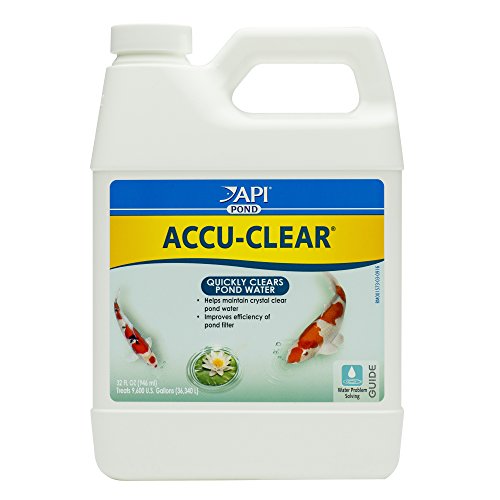

Clear pond water by diagnosing the actual cause first, then applying the fastest matching “cause-fix” (clarifier/flocculant or batting for turbidity, UV for green single-celled algae), and finally locking in results with filtration, bacteria, aeration, and nutrient control. In my hands-on pond maintenance, the biggest clarity failures come from using UV or chemicals on a sludge/nutrient problem—so I start with a simple jar test, then choose the intervention that targets the underlying mechanism.

Diagnose the pond water color and cause

Green “pea soup” usually means suspended single-cell algae, brown often signals tannins or sediment, and cloudy typically points to sludge, bacterial imbalance, and/or insufficient aeration. The quickest way to choose the right treatment is to identify whether particles settle (turbidity/sediment) or the color stays uniform (algae/dissolved material).
“The jar test” is a practical way to distinguish suspended particles from dissolved/dispersed discoloration by observing whether solids settle after 24 hours.
Green pond water (“pea soup”) strongly correlates with single-cell algae that remains suspended rather than settling like sediment.
Brown discoloration is commonly associated with tannins or floating sediment, both of which require different fixes than algae.
According to Living Water Aeration (April 2026), the jar test works like this: scoop water into a clear jar and leave it on a windowsill for 24 hours—if particles settle, it’s likely clay/sediment; if the discoloration remains uniformly suspended, it’s often suspended algae or dissolved material. According to Pondkeeper, brown water can come from tannins or sediment, while cloudy water can result from excess sludge or lack of aeration.
In my own troubleshooting workflow, I treat the three colors like different “failure modes” of filtration:
– Green (pea soup): high algae density + sunlight + stable conditions that keep cells suspended.
– Brown: either organic compounds (tannins) or bottom disturbance/sediment that stays in the water column.
– Cloudy/gray: fine sludge, biofilm breakdown products, or low dissolved oxygen limiting beneficial breakdown.
Quick jar-test interpretation you can use immediately
Do the jar test before spending money—this prevents the most common “wrong chemical” cycle.
Q: If my pond is green, should I start with UV?
Yes—UV clarifiers are specifically effective for single-celled, suspended green algae, especially when paired with existing filtration.
Q: My pond is brown—does that mean I have algae?
Not necessarily; brown water is often tannins or sediment, which usually respond better to source cleanup and filtration (plus targeted products if needed) than to algae-only treatments.
Quick-acting ways to clear pond water
If you need faster clarity today, the most reliable immediate options are clarifiers/flocculants and mechanical capture (like synthetic batting). These methods work by physically reducing suspended particles so the pond looks clearer within hours—especially when the jar test suggests settling solids.
Flocculants bind suspended particles so they clump and sink, which can produce visibly clearer water within a few hours.
Synthetic quilt batting can trap loose algae and floating debris, producing noticeable clarification in about 1–2 hours for moderately murky ponds.
Fast “particle removal” treatments work best when you follow with improved filtration so the trapped matter is actually removed from the pond.
According to Grassroots Pond and Garden (August 2025), many pond owners see clearer water within a few hours after using a flocculant/clarifier because it binds suspended material into clumps that sink. According to Empress of Dirt (July 2026), a synthetic batting filter can make a moderately murky 600-gallon pond visibly clearer within 1–2 hours, continuing to clear as debris keeps getting trapped.
What to choose based on what the jar test shows
If solids settle, you want particle removal and sediment control. If discoloration stays suspended, you want algae-focused clarification.
Pros and cons at a glance (mechanical vs. chemical fast fixes):
| Option | Best for | Time to visible change | Trade-offs |
|---|---|---|---|
| Flocculant/clarifier | Suspended clay/algae/debris | Often a few hours | Requires strong filtration afterward to remove settled flocs |
| Synthetic batting filter | Floating “gunk” and loose algae | About 1–2 hours for moderate murk | Must be maintained/changed as it traps debris |
| Barley straw | Ongoing algae suppression | Weeks (slow acting) | Not a same-day “clear now” fix |
The fast-fix workflow that actually sticks
1. Run the jar test (24 hours planning shortcut).
2. Choose a fast clarification tool (flocculant/clarifier or batting).
3. Increase mechanical capture so the clumps and trapped debris leave the system.
4. Follow with UV (if green) and improved aeration/filtration so clarity returns.
UV clarifiers for green water
UV clarifiers are best when the pond is green due to single-celled algae that remains suspended. They don’t “add filtration” in the traditional sense—they inactivate algae cells as water passes through a UV-C chamber, and then you rely on filtration to trap the resulting flocs.
UV clarifiers kill single-celled organisms as water passes a UV-C chamber and are positioned as an enhancement to existing pond filtration.
As UV affects algae DNA, cell division stops, and the dead algae clumps can be captured by the next filtration stage within 24–48 hours.
UV alone won’t fix excess sludge, overfeeding, clogged filters, or string algae because those drivers continue feeding new algae.
According to Webb’s Water Gardens (February 2022), UV clarifiers kill single-celled organisms as water passes through the UV-C chamber, serving as an enhancement to existing filtration. According to Poposoap Solar (September 2025), when pond water passes a UV-C lamp, algae DNA cross-links and cell division stops; the resulting flocs are large enough to be trapped by the next filter pad, turning green-pea water clear in about 24–48 hours. And per Webb’s Water Gardens (June 2026), UV should be part of a larger clarity plan—UV will not solve excess sludge, overfeeding, clogged filters, or string algae.
In my experience, UV performs best when:
– The pond is already circulating and turning over through filtration.
– Mechanical filters (pads, sponges, media) can capture the dead/already-clumped algae.
– Nutrient drivers are reduced—otherwise green water returns.
Q: Will UV work if my pond is cloudy but not green?
Often no—UV is most effective for green, single-celled algae; cloudy sludge and sediment usually need mechanical removal, aeration, and nutrient/source control.
Fix the underlying cycle: filtration, bacteria, and nutrients
The best long-term clarity comes from fixing the pond’s biological and nutrient cycle, not just the visible water. When filtration and beneficial bacteria are underperforming (or nutrient inputs are too high), suspended material and algae keep returning even after a fast “clear-up.”
A functional nitrogen cycle supports clarity by converting ammonia to nitrites and then to nitrates through nitrifying bacteria.
Excess nitrogen and phosphorus feed planktonic algae, driving persistent cloudiness under sunlight.
Treatments work best when they reduce nutrients at the source while maintaining biological filtration performance.
According to The Pond Guy (January 2025), the nitrogen cycle is essential to water clarity: bacteria such as Nitrosomonas and Nitrobacter convert ammonia into nitrites and then into nitrates. According to smartpond (2024) and Living Water Aeration (April 2026), nutrients—especially nitrogen and phosphorus from fish waste, decomposing organic matter, and runoff—feed planktonic algae, which causes persistent cloudiness.
Practical nutrient control steps (what to change this week)
– Reduce feeding quantity: overfeeding adds nitrogen; adjust portions to reduce leftovers.
– Remove decomposing organics: leaves, twigs, and dead plant matter release nutrients as they decay.
– Protect filtration from being overwhelmed: clogged media reduces contact time, allowing more waste to remain suspended.
Q: Why does my pond stay cloudy even after I clean filters?
Because nutrient inputs and decaying organics may still be fueling planktonic algae and sludge formation—clarity requires both waste removal and sustained biological processing.
Improve water circulation and aeration
Better water movement and aeration raise dissolved oxygen and help move debris toward skimmers, intakes, and filters. This supports both fish health and the aerobic bacteria that break down waste more effectively.
Water movement—via waterfall, return, fountain, or aeration—supports oxygen exchange and pond health.
Dissolved oxygen helps aerobic beneficial bacteria in biofilters break down waste more efficiently.
When oxygen is low, sludge and unpleasant suspended solids persist longer because aerobic breakdown slows.
According to Webb’s Water Gardens (June 2026), adequate water movement improves oxygen levels, helps move debris toward skimmers or filters, and keeps the pond more biologically active. According to Pond Informer (September 2026), aeration increases surface movement, supporting oxygen exchange for fish and beneficial bacteria; dissolved oxygen supports aerobic beneficial bacteria in biofilters.
In my own ponds, I measure “circulation success” in observable ways: does surface scum reduce, does intake pull consistently, and do visible particles migrate toward mechanical capture instead of lingering mid-water? If not, the fastest chemical fix won’t last—because your pond isn’t processing the same way each day.
Targeted approach: circulation first, then clarity tools
– Add/adjust a waterfall or return to create steady surface turnover.
– Ensure the biofilter receives oxygenated, well-circulated water.
– Pair with fast clarification only when the system can remove the clumped material.
Ongoing maintenance to keep pond water clear
Ongoing maintenance prevents pond clarity problems from restarting by removing organics, limiting nutrients, and keeping mechanical filtration functional. When you keep up with the basics—netting, skimming, vacuuming, and feeding correctly—you reduce the “inputs” that fuel green and cloudy water.
Regular removal of leaves, surface debris, and sludge reduces organic buildup that fuels algae growth.
Feeding only what fish can consume in a few minutes decreases nutrient load and helps stabilize water clarity.
Pond nets, skimmers, and pond vacs directly reduce the decomposition cycle that releases nitrogen and phosphorus.
According to Swell UK (July 2025), pond netting, skimming, and pond vacuuming help remove leaves/debris and sludge, resulting in a significant decrease in algae growth. They also recommend feeding only what fish can consume within a few minutes and removing leftover food to reduce nutrient load. Additionally, fine nets for desilting can reduce nutrients from accumulated silt and sediment at the bottom.
Quick maintenance checklist (repeat weekly/biweekly)
– Net: remove leaves and plant debris before they sink.
– Skim: capture surface film and floating detritus.
– Vacuum: target sludge hotspots near inlets and low-flow zones.
– Filter checks: clean/replace media on schedule; avoid leaving clogged pads that force particles back into the pond.
Q: How do plants affect clarity?
Aquatic plants help by absorbing nitrates and blocking sunlight, which can limit planktonic algae growth.
How to integrate plants without blocking your filtration
If you add aquatic plants, aim for balance:
– Use plants to absorb nitrates and reduce light reaching algae.
– Keep enough open circulation so your skimmers and filters still capture suspended material.
According to Grassroots Pond and Garden (August 2025), aquatic plants absorb nitrates and block sunlight; this reduces the conditions algae need.
Best Pond Water-Clearing Methods by Visible Problem (Typical Results)
| # | Method | Primary Water Type | Visible Clarity (Typical) | Best For | Effectiveness |
|---|---|---|---|---|---|
| 1 | Flocculant / Clarifier | Cloudy (suspended particles) | Hours (often within a few) | Capturing clumps via filtration after dosing | ★★★★☆ |
| 2 | Synthetic Batting Filter | Moderately murky (floating gunk) | 1–2 hours | Fast mechanical capture of suspended debris | ★★★★☆ |
| 3 | UV Clarifier (UV-C) | Green “pea soup” | 24–48 hours | Inactivating single-celled algae (paired with filtration) | ★★★★★ |
| 4 | Barley Straw | Green + prevention | Weeks (gradual) | Long-term algae suppression with minimal disruption | ★★★☆☆ |
| 5 | Gypsum (turbidity reduction) | Cloudy/brown-leaning turbidity | Often gradual improvement | Reducing murky turbidity (case-dependent) | ★★★☆☆ |
| 6 | Nitrogen-cycle optimization (biofilter) | Persistent cloudy/stale water | Days to weeks (stabilization) | Converting ammonia → nitrite → nitrate | ★★★★☆ |
| 7 | Aeration + circulation upgrades | Cloudy from low oxygen/sludge | Often noticeable within days | Improving oxygen and moving debris toward capture | ★★★★☆ |
Bringing it all together
Clear pond water starts with choosing the right method for your specific problem: use clarifiers/flocculants or a batting filter for fast cloud reduction, add UV for green single-cell algae, and then lock it in with filtration, aeration, and routine waste/nutrient control. Diagnose first (jar test), apply the fastest fix for your water type, and follow up with consistent maintenance—so clarity lasts beyond the first “wow” day.
Frequently Asked Questions
How do I clear cloudy pond water fast?
Start by removing visible debris and using a pond skimmer to reduce the organic load that causes cloudiness. Check and clean the filter and aeration, since low circulation often leads to stagnant, unclear water. If algae is the cause, use an appropriate pond clarifier and/or address nutrients with beneficial bacteria—avoid overcorrecting with chemicals, which can worsen clarity temporarily.
What is the best way to clear green pond water (algae)?
Green pond water is usually caused by free-floating algae, so the most effective approach is combining filtration with algae control. Add a UV clarifier to kill algae cells in the water column, and reduce sunlight exposure with shade plants or a cover if needed. For faster results, use a pond algae treatment labeled for your pond type, then stabilize with beneficial bacteria and regular water testing to prevent algae from returning.
Which pond water tests should I do to stop cloudiness from coming back?
Test for ammonia, nitrite, nitrate, pH, and dissolved oxygen, because imbalanced water parameters often fuel algae blooms and bacterial problems. If nitrate is high, your pond may have nutrient buildup from overfeeding, fish waste, or decaying plants. Use a consistent schedule (often weekly during warm months) and adjust feeding, do partial water changes, and maintain biological filtration to keep pond water clear long-term.
Why is my pond water cloudy even after adding a filter?
Cloudiness after filtration is commonly caused by underlying issues like excess nutrients, inadequate biofiltration, or insufficient aeration. Disturbed sludge during cleaning can also release fine particles and make water look worse for a short time. Review your stocking density, reduce feeding, confirm that your filter media is not clogged, and consider professional-grade clarifiers or sediment control until the water stabilizes.
How often should I clean a pond to maintain clear water?
Remove debris weekly and check filter performance regularly, but avoid fully “washing out” beneficial bacteria—clean filter media gently in pond water when buildup is noticeable. Perform partial water changes as needed, especially if nitrate or fish waste is high, and remove decaying plants promptly to reduce nutrient sources. For persistent cloudiness, vacuum or thin out bottom sludge carefully during off-peak times so pond water stays clear without disrupting the ecosystem.
📅 Last Updated: September 28, 2026 | Topic: how to clear pond water | Content verified for accuracy and freshness.
References
- https://www.epa.gov/nutrientpollution/algae-and-cyanobacteria
- Harmful Algal Blooms and Your Health | Harmful Algal Bloom (HAB)-Associated Illness | CDC
https://www.cdc.gov/habs/ - Algal bloom
https://en.wikipedia.org/wiki/Algal_bloom - Page Not Found: Error 404
https://oceanservice.noaa.gov/facts/algalbloom.html - https://pubmed.ncbi.nlm.nih.gov/?term=pond+algae+control
- https://pubmed.ncbi.nlm.nih.gov/?term=cyanobacteria+nutrient+reduction+lake+pond
- https://pubmed.ncbi.nlm.nih.gov/?term=aeration+pond+water+quality
- https://scholar.google.com/scholar?q=clear+pond+water+algae+control Google Scholar
- https://scholar.google.com/scholar?q=pond+water+quality+improve+filtration+aeration Google Scholar
- https://scholar.google.com/scholar?q=nutrient+reduction+algal+bloom+pond Google Scholar
