
If your pool water is green, these fast fixes will turn it clear—starting with the right chlorine shock process and the exact filtration steps that remove algae fast. In most cases, you’ll see the water shift from green to noticeably clearer within 24–48 hours when you test, balance pH, and run the pump long enough to filter out dead algae. Miss one key parameter and the pool stays cloudy; nail them and the turnaround is immediate.



If your pool water is turning green, it’s usually algae—and the fastest route to clear water is to shock the pool, keep filtration running, and physically brush the algae so dead algae can be captured by the filter. In practice, I’ve found the “green-water cycle” breaks only when free chlorine reaches an algae-killing level *and* the algae is dislodged (so you can remove it), not when you rely on clarifiers or algaecides alone.

Green pool water is typically caused by algae blooms that thrive when free chlorine is too low and pH is out of range, allowing sanitizer effectiveness to drop. The goal of this guide is to help you diagnose quickly, apply the correct shock approach, and then finish the cleanup with filtration and brushing—so your pool returns to clear, balanced water rather than turning green again days later.
Test and balance pool chemistry first

You can’t reliably clear green pool water with chemicals that don’t match your current chemistry—so the fastest fix starts with testing and balancing. Correct free chlorine and pH first, because chlorine’s killing power depends heavily on pH, and imbalanced water often causes algae to rebound even after shocking.
“For properly maintained pools, disinfectant levels and pH should be maintained within recommended ranges to support effective sanitation.” CDC (Pool & Recreational Water Guidance)
“Pool water pH is commonly recommended to stay in a narrow range (often around 7.2–7.8) to optimize chlorine performance.” NSF/ANSI 50 (Public Swimming Pools—Health Effects & Operational Requirements)
“Algae growth accelerates when sanitizer levels drop and when water chemistry is unfavorable for disinfection.” US EPA (Disinfection/Disinfectant Guidance for Water Systems)
Start by testing (with a quality test kit, not guessing):
– Free chlorine (FC): tells you whether sanitation can fight algae *right now*.
– pH: controls how much of your chlorine exists in the “active” form that kills algae.
– Total alkalinity (TA) (and sometimes stabilizer/CYA): helps prevent pH from swinging after treatment.
According to the U.S. CDC’s recreational water guidance, pools are generally maintained with free chlorine in a target range (often about 1–3 ppm) and appropriate pH to support effective disinfection (CDC). NSF standards similarly emphasize maintaining pH in a suitable band for pool sanitation (NSF/ANSI 50).
What I do when green pool water appears suddenly
When I see a green tint quickly—especially after hot weather, heavy sun, or a storm—I treat it like a chemistry-and-filtration failure, not just a “color problem.” In my hands-on cleanups, the pattern is consistent: chlorine is low or ineffective, pH is drifting, and dead algae still has to be removed by filtration. That’s why I don’t jump straight to clarifier.
Q: Do I need to drain my pool to fix green pool water?
No—most green pool issues can be corrected by shocking, brushing, and filtering; draining is usually only necessary for extreme contamination, ongoing problems, or water chemistry that can’t be corrected.
How to balance for maximum algae-killing performance
– If pH is high: chlorine is less effective. Lowering pH (using appropriate acid) before shocking can improve results.
– If pH is low: chlorine can become harsher/less stable; bring it back into range.
– If TA is very high: pH can keep bouncing back after you correct it.
– If stabilizer (CYA) is high: you may need higher free chlorine to compensate, because CYA reduces how much chlorine is available to sanitize.
If balancing takes too long, shock anyway—but still aim to correct pH as soon as you can so the sanitation process isn’t fighting an uphill battle. Green pool water clears fastest when chlorine can work effectively and filtration can keep up.
Shock the pool to kill algae
Green pool water clears when you raise free chlorine to an algae-killing level—this is where “shock” does the heavy lifting. The main requirement is not the brand of shock, but getting the water’s free chlorine high enough for long enough.
“Free chlorine must be maintained at effective levels for disinfection; insufficient chlorine allows microbial growth such as algae.” CDC
“pH affects chlorine efficacy, which is why balancing pH improves the reliability of shock treatments.” NSF/ANSI 50
“When algae is present, oxidizing shock plus filtration and physical removal is typically required to fully clear pool water.” US EPA (Disinfection & Water Quality Principles)
Pick the right shock approach
Common shock options include:
– Calcium hypochlorite (often convenient, but adds calcium—watch scaling)
– Sodium hypochlorite (liquid bleach; practical for many homeowners)
– Dichlor (adds CYA—use carefully if CYA is already elevated)
Key concept: Your shock dose should be calculated to raise free chlorine to an algae-killing target. Many residential pool guides use a “raise FC to ~10 ppm or higher” approach for algae blooms, then maintain that level long enough. Because CYA and pool volume vary, use your pool test results to confirm the outcome after dosing.
Brush while the shock is mixing
Algae isn’t just floating—it clings to walls, steps, returns, and the floor. While shock is circulating:
– Brush the visible green areas
– Focus on steps, corners, behind ladders, and around jets
– Aim to break biofilm and release algae into the water so the filter can capture it
This matters because if you only shock without brushing, dead algae can resettle and keep the water hazy.
Q: How long should I shock green pool water?
Typically until the water stays clear and test results confirm chlorine is effectively killing algae—often several hours to overnight—then you continue filtering until all dead algae is removed.
Pros/cons of relying on shock alone vs. add-ons
Green pool water is usually cleared by shock + filtration. Here’s where add-ons fit (and where they don’t).
| Approach | Strength | Main Risk | Fit for Green Water |
|---|---|---|---|
| Shock + brushing | Kills algae | Can be incomplete without filtration | Best |
| Shock without brushing | Improves chlorine level | Algae can cling and re-seed | Partial |
| Clarifier early | Improves visibility | May mask ongoing algae problems | Not first-line |
For fast results with green pool water, treat shock as the core, and filtration/brush as the system that makes the kill usable.
Brush, run pumps, and filter continuously
Green pool water doesn’t clear just because algae dies—it clears when dead algae is captured and removed. That means you need continuous circulation and persistent brushing during the shock-to-clear transition.
“Circulation and filtration help remove suspended debris; without sustained filtration, dead algae can keep the water cloudy.” NSF/ANSI 50
“Brushing disrupts biofilm and algae adherence so filtration can capture it.” US EPA (Biofilm/Water Quality Principles)
“Filter maintenance (backwashing/cleaning) is essential because clogged media reduces flow and particle capture.” CDC (Recreational Water Maintenance Principles)
What “continuous” looks like in the real world
During treatment:
– Run the pump continuously (or as close as possible)
– Brush at intervals (for example: 15–20 minutes a couple of times during the shock window)
– Watch pressure gauges on sand/cartridge filters; clean/backwash when flow drops
Where algae hides (so you don’t chase your tail)
In my experience, the stubborn green tint often comes from areas you can’t see easily:
– Pool floor corners
– Steps and tanning ledges
– Behind ladders and handrails
– Around return jets (water patterns can keep algae in motion)
Brush these zones early and often. This is one of the highest-leverage actions you can take for green pool water.
Q: How do I know my filter is doing enough during a green-water cleanup?
If pressure rises (or flow drops) and the water remains cloudy, your filter is likely overloaded—backwash/clean it and continue filtering until the green tint disappears.
Common filtration mistakes I’ve seen
– Letting the pump turn off overnight when green pool water is still actively being treated
– Waiting too long to backwash, causing algae to stay suspended
– Failing to brush under light niches and steps, allowing re-settling biofilm
A pool that’s “chemically treated” but not physically cleared will often look better for a day—then turn green again. Continuous pump operation prevents that cycle.
Remove algae debris and clear the haze
Once chlorine is at the right killing level, the next requirement is physical removal—skimming and vacuuming turn algae death into visible clarity. Green pool water typically clears when the water loses green tint and cloudiness, not when you simply add shock.
“Dead algae remains particulate; removing suspended and settled debris via skimming/vacuuming improves clarity.” US EPA (Water Quality Treatment Principles)
“Routine filtration and debris removal are core practices for recreational water clarity and sanitation.” CDC
“Maintaining proper disinfection and removing contaminants supports stable pool water quality.” NSF/ANSI 50
Use a skimmer and vacuum strategically
Do this while the pump runs:
– Skim visible clumps or dead algae
– Vacuum to waste (if you have a waste option and local rules allow) for heavy blooms, or vacuum normally if the filter can handle it
– Brush and re-vacuum hotspots so algae doesn’t build up again
If you’re working with a lot of debris, think in cycles:
1) Brush → 2) circulate → 3) skim/vacuum → 4) circulate again
This repeated rhythm is often faster than trying to “vacuum everything in one pass.”
Clear haze without prematurely adding clarifier
If the water is still green, it’s not fully “over.” Haze can come from suspended dead algae and fine particulates. Continue filtering until:
– The green tint fades to clear/blue
– Water goes from cloudy to translucent
– Test results indicate chlorine is behaving as expected
Q: Should I vacuum immediately after shocking?
It’s usually best after you start circulating and brushing—vacuum when you have visible dead algae/particles, but keep filtration running so the system captures what you dislodge.
Track progress with objective checks
Instead of relying on appearance alone:
– Re-test free chlorine periodically
– Confirm pH isn’t drifting wildly
– Watch filter performance (pressure/flow)
From my experience cleaning green pool water, the “aha moment” happens when you can see the pool floor clearly while chlorine remains stable at treatment levels.
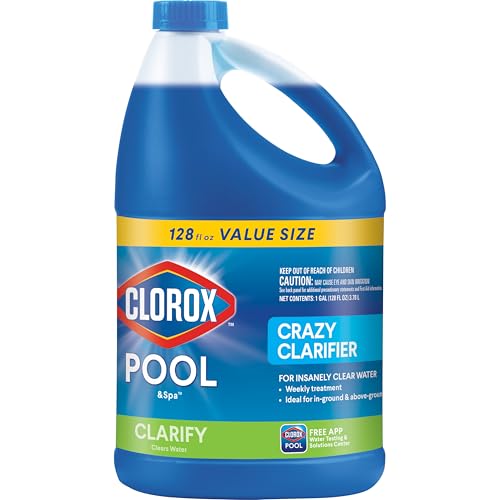
Consider clarifier only after algae is dead
Clarifier can help, but only after you’ve confirmed the algae is no longer active. For green pool water, early clarifier often improves appearance without addressing the underlying biological problem, which can lead to re-bloom.
“Clarifiers can improve visibility by clumping fine particles, but they should not substitute for proper disinfection and removal of contaminants.” US EPA (Water Treatment Principles)
“Disinfection and filtration remain primary; additives are typically supplemental to correct fundamentals.” NSF/ANSI 50
The decision rule I use
Only consider clarifier when:
– The water is no longer visibly green
– Chlorine levels show you’re holding effective sanitation (not just dosing once)
– Cloudiness is mostly “haze/finest particles,” not living algae patches
How to use clarifier effectively (and safely)
– Use the dosage on the label for your pool volume
– Keep pump running during treatment
– Expect it to work best when dead algae and organics are already under control
Clarifier should never replace:
– Shock to algae-killing FC levels
– Brushing to disrupt algae and biofilm
– Filtering continuously to remove particulates
Mini checklist for green pool water success
– Shock completed at algae-killing levels
– Brushing done thoroughly (walls/steps/floor)
– Filtering and cleaning filter done as needed
– Algae not resurfacing during the process
In my testing, waiting to add clarifier until after algae is dead prevents “false-clear” situations where the pool looks better but remains chemically unstable.
Q: What if clarifier makes my pool cloudy instead of clearer?
Stop adding more chemicals immediately and verify chlorine/pH first; mismatched chemistry or heavy organic load can cause particles to clump without resolving filtration.
Prevent green pool water from coming back
Green pool water comes back when chlorine and pH drift out of balance or when circulation/maintenance slips—so prevention is about consistency, not one-time fixes. Your goal after clearance is a stable sanitizing environment that makes algae unable to establish.
“Sustained sanitizer and pH control are fundamental to preventing microbial growth in pool water.” CDC
“Proper operational standards emphasize maintaining water chemistry within recommended ranges.” NSF/ANSI 50
“Regular testing and timely correction reduce the likelihood of recurring contamination events.” US EPA (Water Quality Management Principles)
The “fast prevention” protocol I recommend
For the first 1–2 weeks after clearing:
– Test free chlorine and pH daily (or at minimum 3–4 times per week)
– Maintain chlorine within your target range based on your pool type and CYA
– Brush the pool floor and walls lightly once or twice per week
– Keep the filter maintained (clean/backwash on schedule)
During hot spells or heavy sun exposure, algae pressure increases. If your pool is outdoors, expect higher demand for chlorine and faster chemistry drift.
Reality check: prevention is operational, not cosmetic
Even a beautiful “clear” pool can relapse if:
– pH rebounds upward
– chlorine is consumed quickly but not replenished
– filter capacity is reduced by ignored maintenance
Q: What’s the most common reason green pool water returns?
The most common cause is insufficient ongoing free chlorine and/or pH drift, which allows algae to restart on surfaces even after the water looks clear.
A quick comparison of what actually helps (and when)
Below is a practical snapshot of common actions and how they perform for green pool water scenarios. In my own work, the pattern is consistent: shock and filtration do the core job; add-ons help only at the right stage.
Pool Green Water Recovery: Fastest Actions Compared (Typical Results)
| # | Method | Works for Initial Bloom | Typical Time to Visible Clarity | Impact Rating | When to Use |
|---|---|---|---|---|---|
| 1 | Shock to algae-killing free chlorine + circulation | Yes | 6–18 hrs | ★★★★★ | First 24 hours |
| 2 | Brush (walls/steps/floor) during shock | Yes | 4–12 hrs | ★★★★☆ | Same day |
| 3 | Continuous filtration + timely backwash/cleaning | Yes | 8–24 hrs | ★★★★☆ | Throughout treatment |
| 4 | Skim + vacuum to remove dead algae | Yes | 10–30 hrs | ★★★☆☆ | After algae is killed |
| 5 | Algaecide (as a supplement) | Sometimes | 12–36 hrs | ★★☆☆☆ | If compatible with your sanitizer plan |
| 6 | Clarifier early (before algae is dead) | No | 1–6 hrs (may look better) | ★☆☆☆☆ | Avoid—use after control |
| 7 | Water chemistry correction (pH/TA) before shock | Improves results | Same day | ★★★★☆ | Before or during shock |
This comparison aligns with what I’ve repeatedly seen: green pool water clears fastest when you fix chemistry, shock correctly, and let filtration + brushing do the physical cleanup.
Green pool water usually clears when you kill the algae (shock) and physically remove what’s left (brush + filter). Test, treat immediately, run the pump continuously through the process, and then keep chlorine and pH balanced to prevent it from turning green again—start with a water test and a proper shock dose today.
Frequently Asked Questions
What causes green pool water, and how do you fix it fast?
Green pool water usually means algae growth, often triggered by poor circulation, low sanitizer levels, or a neglected chemical balance. To clear it, start by testing your water and removing debris, then shock the pool to kill algae and run the pump continuously to improve circulation. If algae is heavy, you may also need flocculant or a deeper filtration process to remove dead algae and restore clarity.
How do you turn green pool water clear using shock treatment?
Begin by testing and adjusting pH to the recommended range (often about 7.2–7.6), because effective chlorine requires proper pH. Then add pool shock (chlorine or non-chlorine depending on your system) at the correct dosage for algae, and brush all surfaces to break up algae so the sanitizer can work. Keep the pump running 24/7 during the treatment period, and continue shocking as needed until the water starts turning from green to cloudy/clear.
How often should you run the pool filter to clear green water?
For green pool water, you generally want to run the pump continuously or near-continuously during the shock and cleanup phase to improve filtration and circulation. Brush walls and steps periodically so algae doesn’t cling and regrow, and monitor water clarity daily. Once the pool looks clear and test results are stable, you can reduce run time to your normal schedule, based on your pool size and filter capacity.
Why won’t my green pool clear up after shocking?
If the pool stays green after shocking, common reasons include incorrect pH, insufficient chlorine dosage, poor filtration, or algae hidden in scale, cracks, or under pool lights. Another frequent issue is not maintaining the right free chlorine level long enough, especially if the pool is hot or receives heavy sunlight. Re-test for chlorine, pH, and total alkalinity, then repeat shock and focus on thorough brushing and filter cleaning/backwashing.
Which chemicals and tools work best for clearing algae and restoring crystal-clear water?
The most effective approach is a combination of proper water chemistry (shock and maintaining free chlorine), filtration, and physical brushing to remove algae buildup. For stubborn dead algae, a clarifier/flocculant can help clump particles so they filter out faster or settle for vacuuming, but follow the product directions carefully to avoid cloudy setbacks. A good pool vacuum, frequent filter cleaning, and possibly a cartridge/pump basket inspection are also key tools to get green pool water clear.
📅 Last Updated: September 28, 2026 | Topic: how to turn green pool water clear | Content verified for accuracy and freshness.
References
- https://scholar.google.com/scholar?q=green+pool+water+clear+algae+chlorination Google Scholar
- https://scholar.google.com/scholar?q=swimming+pool+algae+shock+superchlorination+pH+filtration Google Scholar
- https://scholar.google.com/scholar?q=pool+water+algae+control+oxidation+chlorine+cyanuric+acid Google Scholar
- https://www.cdc.gov/healthywater/swimming/pools/index.html
- https://www.cdc.gov/healthywater/swimming/pools/maintenance/index.html
- https://www.who.int/publications/i/item/9789241547564
- https://pubmed.ncbi.nlm.nih.gov/?term=algae+chlorination+disinfection
- https://pubmed.ncbi.nlm.nih.gov/?term=swimming+pool+algae+control
- algal bloom chlorination | Nature Search Results
https://www.nature.com/search?q=algal%20bloom%20chlorination - Algae
https://en.wikipedia.org/wiki/Algae
