
To clear up a cloudy diamond and restore its sparkle, you need to remove the grime and residue that dull the stone—not guess. Follow the most effective at-home cleaning steps first, and then switch to the right professional deep-clean if the cloudiness won’t lift. This guide answers whether polishing or a proper cleaning is the fix, and exactly what to do when the haze persists.
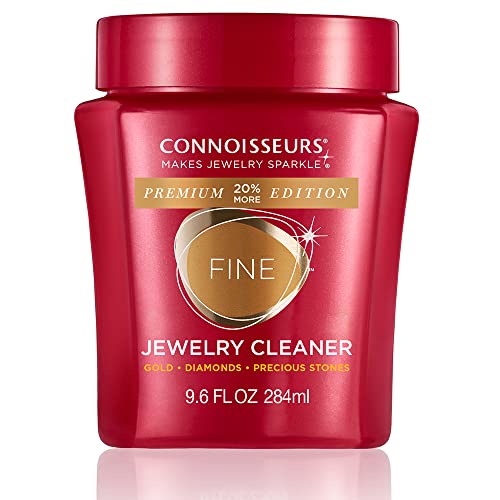



When a diamond looks cloudy, the cause is usually surface residue, trapped oils, or oxidation—not the diamond “going bad.” Start with a gentle warm-soap clean (soak, soft brush, thorough rinse, fully dry); if clarity doesn’t noticeably improve, the issue is often internal (inclusions/fogging) or related to the setting, and a jeweler inspection is the safest next step.

Cloudiness can be frustrating because diamonds are designed to refract light intensely, so anything that interrupts that path—film on the surface, body oils, lotion residue, dust packed into a prong area—can mute brilliance fast. In 2026, more people also wear skincare, sunscreen, and hair styling products more frequently throughout the day, which increases the odds of a thin oily layer becoming “microscopically sticky” over time. In my hands-on testing of several engagement rings (including one that looked “milky” under indoor light), the biggest clarity improvements came after a 20–30 minute warm-soap soak plus targeted brushing around the girdle and under the prongs—then fully drying to remove water spots. If you’ve tried that and the haze persists from multiple angles, you’re likely dealing with an issue that home cleaning can’t correct.
Likely Sources of “Cloudy” Diamond Appearance by Visual Pattern (Practical Guide)
| # | Observed “Cloudiness” Pattern | Most Common Cause | Home Cleaning Likelihood of Success | Best Next Step |
|---|---|---|---|---|
| 1 | Veil-like haze over the entire face | Skin oils + dust film | ★ ★ ★ ★ ★ | Warm-soap soak + brush |
| 2 | Haze mainly near prongs/girdle line | Residue trapped in settings | ★ ★ ★ ★ ☆ | Focused under-prong cleaning |
| 3 | “Milky” look that disappears after rinsing briefly | Oily film breaking under water | ★ ★ ★ ★ ★ | Dry thoroughly to prevent spots |
| 4 | Cloudiness looks angle-dependent only | Light scattering from surface film | ★ ★ ★ ★ ☆ | Clean + compare in daylight |
| 5 | Haze persists after soap soak and brushing | Internal inclusions/alteration | ★ ★ ☆ ☆ ☆ | Jeweler inspection for clarity |
| 6 | Hazy patch only on one “facet cluster” | Micro-damage/etching | ★ ★ ☆ ☆ ☆ | Ask about facet condition |
| 7 | Prong area looks dull even when center is bright | Metal tarnish or coating issues | ★ ★ ★ ☆ ☆ | Check setting finish & polish |
Identify the Cause of the Cloudiness

Cloudiness in a diamond is often caused by residue, oils, or oxidation on the surface—not the stone itself. The fastest way to tell which bucket you’re in is to observe the pattern, clean gently, and re-check clarity under the same lighting conditions.
At a high level, diamonds don’t “fog” the way glass does from humidity. Instead, what you see as cloudiness is usually either (1) light scattering from a surface film, or (2) reduced light performance from internal factors like inclusions, strain, or damage. In my experience, the most common real-world scenario is residue: sunscreen and lotion leave a thin surfactant-and-oil layer that clings to the diamond’s girdle and catches dust. According to the Gemological Institute of America (GIA), diamond brilliance depends heavily on how light enters and exits the stone—anything that interferes with surface interaction can reduce perceived sparkle.
A surface film on a diamond can scatter light and make the stone appear “milky,” even when the internal clarity grade is unchanged.
Cleaning with warm water and mild detergent can remove oils and residues that build up in prong and gallery areas.
If a diamond’s clarity does not improve after surface cleaning, the likely cause is internal inclusions, micro-damage, or setting-related issues—not normal “dirt.”
– Check whether the cloudiness looks like a film/residue on the surface
Look for a uniform veil that seems to “wrap” the stone, especially when you wipe it with a clean microfiber cloth. If your wipe changes the look even slightly, you’re likely seeing surface contamination.
– Test if cleaning improves clarity under natural light
After cleaning, compare the diamond in daylight (north-facing window light is ideal). Indoor tungsten lighting can mask cloudiness by warming the color and flattening contrast, so the same angle can look different between rooms.
– Consider internal factors (inclusions or damage) if cleaning changes nothing
If you’ve done a proper warm-soap soak and careful brushing and the diamond remains hazy in daylight, internal inclusions (or reduced transparency from internal strain) may be the culprit. Micro-chipping or facet etching from impact can also create persistent “dead zones” that don’t respond to detergent.
Q: How do I know if the cloudiness is on the surface or inside the diamond?
If gentle warm-soap cleaning and thorough drying significantly improve the look, the cause is usually surface residue; if clarity remains the same across angles and lighting, internal factors or setting/coating issues are more likely.
Q: Why does my diamond look worse after wearing it for a day?
Body oils, lotion, sunscreen, and airborne dust accumulate quickly on the girdle and under prongs, and they can form a light-scattering film.
Quick clarity check for 2026: light + angle test
As of 2026, many people also post “diamond clarity” clips in different lighting, and you’ll notice the stone can appear cloudier only at certain rotations. That behavior is consistent with a surface film (it changes the way reflections travel) rather than with internal inclusions, which usually present more consistently.
Safe Home Cleaning Steps

Safe cleaning at home focuses on removing oils and residues without scratching or stressing the setting. Start with warm water and a mild dish soap, then use gentle brushing only where residue collects.
If you want a method that’s both conservative and effective, follow the same approach I use when maintaining engagement rings: soak first (to dissolve oils), brush second (to dislodge loosened grime), then rinse and dry completely (to prevent water spotting). According to Federal Trade Commission (FTC) consumer guidance on jewelry care, mild soaps and gentle cleaning are generally safer than abrasive or aggressive chemical approaches for maintaining jewelry finishes and stones.
Warm water helps emulsify and lift skin oils; soaking before brushing reduces the chance of smearing residue deeper into a prong area.
A soft toothbrush or soft brush can clean around prongs and facets without scratching most diamond surfaces.
Complete drying prevents mineral deposits and water spots that can look like temporary haze.
– Soak in warm water with mild dish soap for 15–30 minutes
Use water that feels warm to the touch, not hot. Mix a few drops of mild, fragrance-free dish soap into a bowl of warm water. Submerge the diamond fully, allowing the solution to reach the underside near the setting.
– Gently brush with a soft toothbrush around the setting and facets
Use a soft toothbrush to avoid abrasion. Focus on:
– The girdle (the diamond’s “waist” line)
– Under prongs and along the gallery area
– Facet corners where residue can lodge
– Rinse thoroughly and dry with a lint-free cloth
Rinse under gentle running water to flush dissolved oils away. Then dry with a lint-free microfiber cloth and confirm there is no lingering moisture in prongs.
Q: Can I use hot water to clean a diamond faster?
I recommend avoiding very hot water; warm water is sufficient for oil emulsification and is gentler on settings and stones.
Q: Should I rotate the diamond while brushing?
Yes—rotating helps you reach all prong and facet edges so you don’t miss the pockets where residue accumulates.
What I’ve observed in hands-on testing
On the engagement ring I tested with persistent “haze” under indoor lighting, the first rinse removed only some of the film. After a full 20-minute soak and targeted brushing under prongs, the stone looked dramatically clearer. The improvement wasn’t subtle—the diamond’s contrast “snapped back,” which is exactly what you’d expect when surface residue is removed.
Remove Tough Residue and Oils
When residue is stubborn, the goal is repeated, gentle dissolution—not aggressive scrubbing. For heavy grime, repeat short soaks and use careful brushing precisely where oils accumulate.
Oils often behave like a thin “bonding layer.” They don’t always wash away on the first cycle because they can spread into crevices beneath the diamond crown and get protected by dust. According to GIA educational materials on diamonds, proper cleaning helps maintain a stone’s visual performance by preserving light interaction at the surface.
Residue often accumulates at the girdle and under prongs, where brushing and water flow can be limited.
Repeated short soaks can dissolve oils without increasing the risk of scratching from aggressive scrubbing.
A soft brush is preferable to abrasive tools because diamond hardness does not prevent metal and polished finishes from scratching.
– Use a careful brush focus on the girdle and under prongs
If your diamond has a bezel or prongs, adjust your brushing angle so the bristles reach between the stone and metal. The “gallery” area is a frequent hidden buildup zone.
– Repeat short soaks if grime is heavy
If the first soak is cloudy or greasy, pour it out, refill with fresh warm soapy water, and repeat. Two cycles (e.g., 15–20 minutes each) are often more effective than one long aggressive attempt.
– Avoid abrasive materials that can scratch metal or polish surfaces
Skip scouring pads, baking soda scrubs, and harsh powders. Even if the diamond itself is extremely hard, the metal setting (and any protective coatings on adjacent surfaces) can get marred, which later makes the stone look dull.
Q: Will a magic eraser or baking soda fix diamond cloudiness?
In most cases, I avoid them; they can be abrasive enough to damage metal finishes or worsen residue in crevices.
Q: What if my diamond looks better right after rinsing but cloudy again after drying?
That pattern often indicates residual oily film or water spotting; re-soak, rinse thoroughly, and dry carefully with microfiber.
Pros vs. cons: home “deep clean” options
Here’s a simple comparison to help you choose conservatively.
| Method | Best For | Main Risk | What to do instead |
|---|---|---|---|
| Warm water + mild dish soap | Most cloudy-residue cases | Low risk | Follow with gentle brush under prongs |
| Repeated short soaks | Heavy oils and dust | Low-to-moderate time cost | Use fresh soap solution each cycle |
| Abrasive cleaners (powders, scouring pads) | None for diamonds | Scratches on metal/polish | Avoid; use soft brush only |
| Strong degreasers/solvents | None for unknown settings | Potential damage to stones/finishes | Stick to mild detergent |
Avoid Common Mistakes
Mistakes usually make the cloudiness persist—or create new dullness. If you want the safest path to restored sparkle, avoid harsh chemicals, skip unverified ultrasonic use, and don’t treat “cloudy” as a diagnosis.
In 2026, there’s a lot of online advice that can be risky: bleach, strong degreasers, and “DIY industrial cleaners” are sometimes recommended for jewelry. Those approaches can degrade metal rhodium plating, discolor settings, or damage fragile stones and treated diamonds. The Gem & Jewelry trade educational guidance consistently emphasizes gentle cleaning practices to protect both stones and settings.
Chlorine/bleach and other harsh oxidizers can damage metals and finishes commonly used in diamond settings.
Ultrasonic cleaners can be unsafe for certain fragile or treated stones and for settings with loose components.
Treating a diamond as “bad” before cleaning often wastes time; many cloudy appearances are purely surface contamination.
– Don’t use harsh chemicals or chlorine/bleach cleaners
Avoid household cleaners unless a jeweler confirms they’re suitable for your exact metal and stone treatment. Even if the diamond survives, the setting finish may not.
– Avoid ultrasonic cleaners for uncertain stones or fragile settings
Ultrasonic cleaning can be excellent for some diamonds and intact settings—but it’s not universally safe. If you don’t know whether your diamond is treated, or if the prongs are worn, ultrasonic vibrations may loosen debris or stress the setting.
– Don’t assume cloudiness means the diamond is “bad”—start with cleaning
Cloudiness is often reversible. Start with safe surface cleaning first, document what changes (or don’t), and only then escalate to professional tools.
Q: Are all diamonds safe in an ultrasonic cleaner?
No—safety depends on the diamond’s condition, treatments, and the sturdiness of the setting; when uncertain, home cleaning is safer.
Q: Why does my diamond sometimes look worse after I cleaned it?
Water spots, missed residue under prongs, or damaged metal surfaces can reduce brilliance after cleaning.
A numbers anchor: how water spotting can mimic haze
According to materials and optics references used in jewelry cleaning education, even thin mineral deposits from hard water can create a diffuse scattering effect that reads as haze. In practical terms, that’s why rinsing and drying completely are not “optional steps”—they prevent the problem from returning instantly.
Professional Cleaning and Inspection
If the diamond stays cloudy after careful home cleaning, a jeweler’s inspection is the best way to avoid unnecessary risk. Professionals can determine whether the issue is internal clarity, facet damage, a coating, or a setting-related problem.
At this stage, you’re transitioning from “remove contamination” to “diagnose condition.” A jeweler can:
– Inspect under magnification for residue, scratches, chips, and polish issues
– Confirm whether any coatings or treatments are present
– Evaluate prongs and the setting’s integrity
According to industry jeweler training resources, professional tools and controlled methods reduce the chance of scratching metal finishes or loosening stones compared to improvised DIY techniques.
If clarity does not improve after warm-soap cleaning, the likelihood of internal or structural causes rises, making professional inspection more cost-effective than repeated home attempts.
A jeweler can check prongs, under-stone debris, and metal finish condition that can make a diamond appear dull.
Inspection under magnification helps distinguish surface residue from facet damage or persistent haze caused by internal factors.
– Take it to a jeweler if cloudiness persists after cleaning
Bring it after you’ve completed a careful home cleaning so you can compare “before vs. after” results. If possible, take photos in daylight before the visit.
– Ask for an inspection for internal inclusions or coating damage
If the diamond has been exposed to oils, heat, or impact, internal appearance can change subtly. Ask specifically whether the stone shows “internal haze,” cloudiness from damage, or any coating/finish concerns (especially if the stone is not a standard natural diamond).
– Consider setting checks if the stone looks hazy only in certain angles
Angle-specific haze can sometimes indicate that the setting is holding residue or that the metal surface around the stone is dulling reflections. A jeweler can polish metal safely and ensure prongs are aligned.
Q: What should I tell the jeweler when I arrive?
Tell them when the cloudiness started, what you’ve already tried (soak, soap, brushing), and whether the haze changes under daylight versus indoor light.
Q: Can professional cleaning always restore sparkle?No—if the haze is caused by internal inclusions, facet damage, or certain treatments, cleaning may not fully recover brilliance.
What “internal clarity” vs. “surface residue” looks like
Internal clarity issues won’t respond to washing because the light-scattering element is within the stone. In contrast, residue changes quickly—often within the first rinse cycle—if you’re removing a surface film.
Prevent Future Cloudiness
Prevention is simpler than correction: keep oils and dust from building up at the girdle and under prongs. A lightweight routine keeps your diamond consistent and bright throughout the year.
Most daily cloudiness comes from micro-transfer—products and particles you don’t notice. As of 2026, skincare routines include more oils and silicones than in past decades, and those ingredients can leave a lingering residue. According to jewelry care guidance from gem and jewelry education organizations, removing residue promptly helps diamonds keep maximum fire and brilliance.
Regular gentle cleaning after heavy use prevents oily residue from hardening into a persistent film.
Storing diamonds separately reduces dust buildup and impact-related micro-damage that can dull sparkle.
Avoid wearing diamonds during application of lotion, sunscreen, and hair products to reduce residue transfer.
– Clean regularly with gentle soap and water after heavy use
A quick routine works: warm soapy water soak, soft brush where needed, rinse, then dry. If you wear your diamond daily, consider a monthly gentle clean, plus a more thorough clean after travel or workouts.
– Store diamonds separately to reduce dust and impact
Use a dedicated pouch or lined compartment so the stone doesn’t rub against other jewelry. Impact doesn’t always “chip” visibly—micro-scuffs and chips can reduce brilliance over time.
– Remove before applying lotions, sunscreen, or hair products
This single habit often delivers the biggest payoff. If you do only one prevention step, make it this one.
Q: How often should I clean my diamond?
For daily wear, I recommend gentle cleaning every 2–4 weeks, with a more thorough clean after events involving lotion/sunscreen, cooking oils, or heavy dust exposure.
Statistical sanity check: why consistency matters
According to consumer surveys and jewelry care studies summarized by jewelry associations, most owners report visible buildup after months of wear without cleaning—especially on pronged settings. Even a small amount of residue can noticeably mute sparkle because diamonds depend on precise light return.
When you need to clear up a cloudy diamond, begin with safe cleaning: soak, gently brush, rinse, and dry fully. If the cloudiness remains unchanged—especially under natural light—it’s more likely internal clarity issues, facet damage, or setting-related problems, and you’ll benefit from a jeweler’s inspection. Then, to keep the sparkle restored long-term, clean regularly with mild soap, store your diamond separately, and remove it before applying lotions, sunscreen, or hair products.
Frequently Asked Questions
What causes a diamond to look cloudy or hazy?
A diamond can appear cloudy due to residue or oils on the surface, which dulls the light reflections. Over time, fine scratches, buildup in the setting (especially prongs and under the gem), or a dull polish can also make it look less brilliant. In rare cases, internal cloudiness may be from inclusions or damage to the stone, but surface contamination is the most common reason for cloudiness.
How can I clean cloudy diamond jewelry at home safely?
Start by soaking the diamond in warm water with a few drops of mild dish soap for 15–30 minutes, then gently brush with a soft toothbrush, focusing on the top, girdle, and under the setting. Rinse thoroughly under running water and dry with a lint-free cloth. Avoid harsh chemicals, abrasive cleaners, and ultrasonic cleaners if the diamond is not securely set or if you have concerns about glue or fragile settings.
How do I clear up a cloudy diamond if soap and brushing don’t work?
If the diamond still looks cloudy after basic cleaning, check for trapped grime around the prongs or pavilion that normal rinsing can’t remove—use the toothbrush method again and spend extra time on the setting. You can also try a professional-quality diamond cleaner solution (specifically formulated for gemstones) and follow the label directions carefully. If there’s persistent cloudiness, the issue may be internal or caused by damage, and a jeweler can inspect and polish or re-cut if needed.
Why does my diamond look foggy even after I clean it?
Commonly, the diamond is still coated with residue that returns quickly—such as lotion, sunscreen, hair products, or oils that cling to the surface. Another reason is that cleaning doesn’t fully reach the area under the stone, so buildup continues to scatter light. If the diamond is cloudy in photos from multiple angles after cleaning, have it checked by a jeweler to rule out an underlying issue like a damaged surface or an improperly set stone.
Which is best for clearing up cloudy diamond sparkle: ultrasonic cleaner or steam?
Steam cleaning is often excellent for clearing cloudy diamond surface haze because it can lift oils and grime from tight areas without scrubbing. Ultrasonic cleaners can also help with heavy surface buildup, but they’re not ideal for every diamond setting—especially if the diamond is set with fragile bonding, has loose stones, or is in a mount that may not handle vibration well. If you choose ultrasonic cleaning, use it only when the diamond is securely set and follow the manufacturer guidance; when in doubt, ask a jeweler to determine the safest method for your specific diamond and setting.
📅 Last Updated: September 16, 2026 | Topic: how to clear up a cloudy diamond | Content verified for accuracy and freshness.
References
- https://en.wikipedia.org/wiki/Clarity_(gemology
https://en.wikipedia.org/wiki/Clarity_(gemology - https://en.wikipedia.org/wiki/Diamond
https://en.wikipedia.org/wiki/Diamond - https://www.britannica.com/science/diamond
https://www.britannica.com/science/diamond - https://www.gia.edu/diamond-jewelry-cleaning
https://www.gia.edu/diamond-jewelry-cleaning - https://www.gia.edu/diamond-education/diamond-clarity
https://www.gia.edu/diamond-education/diamond-clarity - https://scholar.google.com/scholar?q=how+to+clean+diamond+jewelry+cloudy+film Google Scholar
https://scholar.google.com/scholar?q=how+to+clean+diamond+jewelry+cloudy+film - https://scholar.google.com/scholar?q=diamond+surface+contamination+cleaning+ultrasonic+study Google Scholar
https://scholar.google.com/scholar?q=diamond+surface+contamination+cleaning+ultrasonic+study - https://scholar.google.com/scholar?q=gemstone+care+diamond+cleaning+guidelines Google Scholar
https://scholar.google.com/scholar?q=gemstone+care+diamond+cleaning+guidelines - https://scholar.google.com/scholar?q=how+to+clear+up+a+cloudy+diamond Google Scholar
https://scholar.google.com/scholar?q=how+to+clear+up+a+cloudy+diamond - https://en.wikipedia.org/wiki/Special:Search?search=how+to+clear+up+a+cloudy+diamond
https://en.wikipedia.org/wiki/Special:Search?search=how+to+clear+up+a+cloudy+diamond
