
Want to clear up muddy pond water fast? Start with the most reliable path: stop the source of sediment, then run mechanical filtration plus proper pond aeration to keep fine particles from settling back. This guide gives practical, step-by-step fixes so you can make pond water clearer within days—without guessing.


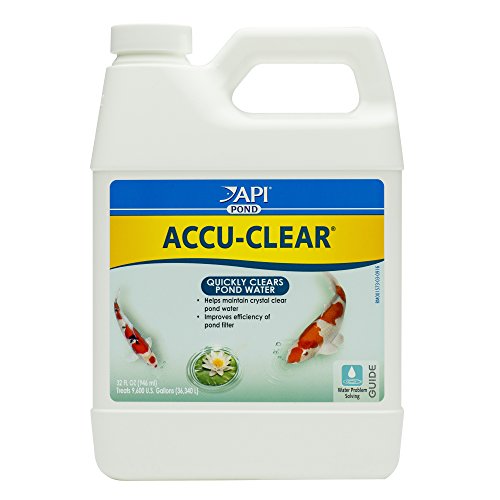

Clear muddy pond water by (1) stopping the sediment source and (2) using the right targeted treatment based on whether you’re dealing with settling clay or continuous stirring—then reassess with a simple jar test. In practice, the fastest results usually come from combining disturbance control (erosion, animals, shoreline damage) with a chemistry-driven approach (gypsum for clay turbidity, alum only when conditions and alkalinity are appropriate) rather than relying on one “magic” product.

Diagnose the cause of muddy pond water

The right fix depends on whether sediment is continuously being stirred (wave action, bottom-feeding fish, animals, livestock, shoreline sloughing) or whether it’s simply suspended and would settle if disturbance stopped. That diagnosis step prevents wasted treatments and helps you predict how long clarity will take to improve.
A jar test using pond water in a mason jar for 24–48 hours is commonly recommended to determine whether the water clears when sediment is left undisturbed (University of Arkansas at Pine Bluff).
If pond water clears in a jar test, disturbance is likely keeping particles suspended; if it does not, low hardness and/or ongoing conditions may be contributing (University of Arkansas at Pine Bluff).
Muddy pond water is often dominated by suspended clay particles that repel each other electrically, which helps keep turbidity from settling on its own.
In my own pond management work, I’ve seen how skipping diagnosis turns into trial-and-error: one pond received alum repeatedly even though the real issue was wind-driven shoreline erosion. Once we installed a vegetated buffer and reduced bare soil, the “chemical problem” disappeared—literally the next morning.
Do a jar test (the quickest truth)
1. Fill a clean mason jar 3/4 full with pond water.
2. Place it somewhere shaded and undisturbed.
3. Wait 24–48 hours.
Interpretation:
– Clears in the jar: something is likely stirring sediment (fish/wildlife, waves/wind, shoreline sloughing, livestock wading).
– Doesn’t clear: you may be dealing with low water hardness (and/or persistent mixing), meaning clarification may require both treatment and source control.
According to University of Arkansas at Pine Bluff, the jar test is designed to separate “would settle” from “stays suspended,” which is exactly what you need to decide between treatment and disturbance control.
Use a simple disturbance checklist
Re-check the pond where turbidity often originates:
– Nearshore: Is vegetation missing? Are banks collapsing after rain?
– Wind-exposed shallows: Are there lots of shallow flats that waves churn?
– Bottom behavior: Do you see active feeding at dawn/dusk? Signs of crayfish mounds? Muskrat activity?
– Livestock/lawn runoff: Are cows, horses, or goats accessing the edge? Is sediment washing in after storms?
Q: How long should I wait before deciding the jar test “failed”?
Wait 24–48 hours; if it hasn’t cleared by then, you should assume ongoing conditions are preventing settling and move toward both diagnosis and source control (University of Arkansas at Pine Bluff).
Q: If it clears in the jar, is chemical treatment still necessary?
Often no—if the jar clears, the priority is removing the stirring source (erosion, fish activity, wave action, livestock). Treatment can be added later if clarity remains inadequate.
What to do with the diagnosis: treatment vs. disturbance control
Here’s a practical comparison to keep your plan evidence-based:
| Situation from jar test | Most likely cause | First priority |
|---|---|---|
| Clears in 24–48 hours | Sediment is being continually stirred | Stop disturbance (shoreline, animals, wave churn) |
| Doesn’t clear in 24–48 hours | Clay turbidity and/or low hardness | Combine source control with targeted treatment |
Stop the sediment from entering or staying suspended
Stop the sediment source first—because if clay and silt keep entering the pond or being churned, no treatment will permanently “win.” Soil erosion and shoreline disturbance are the most common drivers, and they’re also the easiest to reduce with vegetation and simple access controls.
Soil erosion is identified as the most common cause of muddy pond water (University of Florida/IFAS).
A thick vegetated buffer strip—often around 100 feet—reduces sediment input and stabilizes pond edges (Missouri Department of Conservation).
Wind can churn shallow pond areas and push exposed soil into the water, so windbreaks and buffer vegetation materially reduce turbidity (University of Florida/IFAS).
Control erosion at the edge (the “sediment doorway”)
Most muddy water issues are really sediment transport problems:
– Rainfall runs off bare soil and delivers fine clay/silt into the pond.
– Unstable banks collapse and continuously re-suspend material.
– Wind-driven waves keep particles in suspension.
Action steps that work in real ponds:
– Maintain a thick vegetation buffer: Aim for about 100′ wide of dense cover around the pond perimeter (Missouri Department of Conservation).
– Reduce bare ground: Plant grasses and stabilize exposed areas immediately.
– Plant windbreaks (trees/shrubs/tall vegetation) where wind churns shallow water (University of Florida/IFAS).
Fence out livestock (if they can reach the pond)
Livestock access is a common “hidden variable.” When animals trample shoreline vegetation and wade into the pond, they stir bottom sediment and remove the very plants meant to hold soil.
According to Missouri Department of Conservation, fencing livestock out is recommended when fish production is a priority. When practical, separate drinking access from the pond itself so animals hydrate from external structures rather than entering the water.
Q: What’s the fastest visible win after erosion control?
Often nearshore clarity improves after the next rain event or after wind settles—especially where you removed bare ground and re-established vegetation.
Reduce fish- and wildlife-caused turbidity
Reduce stirring from bottom disturbance by identifying which species are turning the pond bottom and then managing those populations. If your jar test clears, this section can be the difference between “temporary improvement” and sustained clarity.
Feeding and bottom-disturbing fish such as carp and bullhead can suspend clay and sediment, keeping water turbid (Missouri Department of Conservation).
Crayfish, burrowing aquatic insects (e.g., mayflies), muskrats, and livestock can disturb bottom sediment and contribute to muddy water (Missouri Department of Conservation).
Channel catfish stocked solely or in excess numbers can be a turbidity source (Missouri Department of Conservation).
What to look for in the field
– Carp-style rooting: muddy “clouds” after fish movements.
– Crayfish activity: characteristic burrows and frequent disturbance near edges.
– Muskrat signs: visible slides/feeds and shoreline damage.
– Insect burrowing: small, frequent bottom disturbances that keep fine particles afloat.
From a management perspective, this is where predator-prey balance matters. If bottom disruptors dominate, turbidity becomes a repeated cycle.
Species management that targets turbidity
A practical approach many pond managers use:
– Remove problem fish (e.g., carp, bullheads) and/or reduce excessive numbers.
– Introduce or strengthen predatory fish depending on your goals (for example, largemouth bass or channel catfish are often used to reduce crayfish and overall turbidity drivers).
– Monitor response by running the jar test again weekly after changes.
Q: Can wildlife alone keep a pond muddy even after erosion control?
Yes—crayfish, burrowing insects, and mammals like muskrats can continually re-suspend sediment, so you may need targeted wildlife or fish management alongside shoreline fixes.
Pros/cons tradeoff: disturbance management vs. chemical reliance
| Option | Pros | Cons |
|---|---|---|
| Fish/animal management | Reduces continuous stirring; supports long-term clarity | May require harvest/stocking time and ongoing monitoring |
| Chemical treatments | Can rapidly coagulate clay if conditions fit | Won’t fix new sediment inputs; alum is sensitive to alkalinity |
Use chemical treatments when clay turbidity is the issue
Use gypsum or alum only when you’ve confirmed (via jar test and disturbance checks) that clay turbidity is a major driver and that you’ve addressed ongoing sediment sources as much as possible. Chemical treatments work best as a targeted tool, not as a substitute for erosion and disturbance control.
Gypsum is recommended at about 500 pounds per acre-foot to treat clay turbidity by helping clay particles settle (Missouri Department of Conservation).
Alum is commonly applied as 5 pounds of commercial alum crystals per acre-foot, but high rates can be risky in low-alkalinity water (LSU AgCenter).
If gypsum doesn’t clear the pond in four weeks and no wave/erosion source remains, a second dose at about one-quarter rate (125 pounds per acre-foot) is recommended (Missouri Department of Conservation).
Gypsum for clay turbidity (most common “treatment win”)
What it does: Gypsum (hydrated calcium sulfate) helps clay flocculate—attraction increases so clay settles out of suspension. This is specifically suited to clay-driven turbidity.
Typical dosing (per acre-foot):
– Apply 500 lb/acre-foot as the initial dose (Missouri Department of Conservation).
– Reassess after four weeks.
– If still not clear and there’s no remaining erosion/wave source, apply a second dose at 1/4 rate = 125 lb/acre-foot (Missouri Department of Conservation).
Application method: Spread evenly—commonly with a small shovel or broadcast seeder (Missouri Department of Conservation).
Alum (use with care—alkalinity matters)
What it does: Alum coagulates suspended particles, but it’s acidic. In waters with low alkalinity, alum can stress or harm fish.
Typical starting rate:
– 5 lb commercial alum crystals per acre-foot (LSU AgCenter).
Safety note:
– Higher rates have been used (up to 50 lb/acre-foot in some circumstances), but LSU AgCenter cautions that high rates are risky in low-alkalinity water and can cause fish mortality (LSU AgCenter).
How long should you wait for results?
A disciplined treatment schedule improves outcomes:
– Confirm “source control” actions were completed first (buffers, fencing, reduced wave churn).
– Apply chemical treatment evenly.
– Track clarity changes weekly and plan reassessment windows:
– Gypsum: evaluate around the 4-week mark (Missouri Department of Conservation).
Q: Can gypsum make muddy water clearer overnight?
It can reduce turbidity relatively quickly, but practical guidance emphasizes reassessment over weeks—especially because settling depends on ongoing stirring being controlled (Missouri Department of Conservation).
Q: When should I avoid alum?
Avoid or carefully vet alum when pond alkalinity is low or fish are sensitive, because alum is acidic and high rates can harm fish (LSU AgCenter).
Pond Turbidity Fixes Compared (Clay vs. Continuous Disturbance)
| # | Treatment / Action | Main Turbidity Target | Dose or Rule of Thumb | Reassess Timing | Overall Fit Rating |
|---|---|---|---|---|---|
| 1 | Gypsum (hydrated calcium sulfate) | Clay turbidity | 500 lb/acre-foot initial | 4 weeks | ★★★★☆ |
| 2 | Gypsum follow-up dose | Clay turbidity (if source removed) | 125 lb/acre-foot (1/4 rate) | After 4 weeks | ★★★☆☆ |
| 3 | Alum (commercial crystals) | Clay coagulation | 5 lb/acre-foot start | Close monitoring required | ★★☆☆☆ |
| 4 | Vegetated buffer (100′ band) | Sediment entry prevention | ~100 ft wide thick vegetation | After soil stabilization | ★★★★★ |
| 5 | Fish/animal disturbance reduction | Sediment suspension (biological mixing) | Remove bottom-disturbers + boost predators | Depends on stock changes | ★★★★☆ |
| 6 | Hay/manure (alum-like “biological settling” assist) | Suspended nutrient/sediment pathways | 7–10 bales or ~1 ton/acre | Every 3 weeks | ★☆☆☆☆ |
| 7 | Aeration (air pump/airstone) | Mixing to reduce “cloudy” conditions | Aerate pond water | Ongoing | ★★★☆☆ |
Prevent and manage erosion and shoreline disturbance
Prevent muddy water by treating erosion and shoreline damage as part of the pond’s operating system, not a one-time landscaping project. This section usually delivers the most durable clarity because it cuts sediment input—the “upstream” cause of turbidity.
Planting grasses/vegetation around a pond and minimizing bare soil (including cover crops nearby) is described as the best way to reduce erosion (University of Florida/IFAS).
Windbreaks can reduce turbidity because wind pushes exposed soil into ponds and churns sediment in shallow areas (University of Florida/IFAS).
Stabilizing pond shorelines reduces repeated sediment sloughing that keeps clay suspended during wind events (Missouri Department of Conservation).
Practical shoreline stabilization plan
– Sod and grasses on bare ground: Re-vegetate immediately; even a quick cover crop reduces sediment delivery.
– Cover crops in adjacent fields: If your pond receives runoff from tilled land, cover crops cut soil movement in storms.
– Re-grade unstable banks: If banks are collapsing, plants alone won’t fix the physics—address the slope or flow paths first.
– Break up wind exposure: Add vegetation and improve fetch conditions so waves don’t repeatedly churn sediment.
Q&A: how to know if you’re winning
Q: How can I tell erosion control is working before I run chemicals?
Look for reduced nearshore staining after rains and reduced visible bank sloughing; clarity often improves locally even before the whole pond clears.
Q: Should I prioritize deeper water zones or the banks first?
Prioritize banks and runoff paths first, because sediment entry and re-suspension at the shoreline typically drives most ongoing turbidity.
Consider long-term and “big fix” options
If you’ve stopped sediment entry and reduced stirring but the pond remains persistently silty, long-term measures like dredging, bottom stabilization, or aeration can help. These options are typically more expensive or labor-intensive, but they target the sediment “store” that keeps releasing fines over time.
Dredging can remove sediment causing silty water, but it is costly, time-consuming, and often must be repeated (University of Florida/IFAS).
A longer-term strategy is stabilizing the pond bottom with plants to prevent erosion and keep soil in place (University of Florida/IFAS).
Adding an air pump/airstone can help cloudy/turbid pond conditions by improving pond mixing (Permies Forum).
Dredging (powerful, but not always permanent)
Dredging removes the accumulated sediment layer—useful when turbidity persists despite controlling erosion and fish activity. However:
– Cost and logistics are significant
– You may need repeat dredging as new sediment builds back up over time (University of Florida/IFAS)
Common dredging approaches include:
– Pond vacuum, excavator, or dredge pump for different pond sizes (Pond Haven)
– Hydraulic dredging that works like a vacuum and filters/sends material into containment (e.g., Geo-bags) (e.g., described by Mossy Oak)
– Planning for disposal is often the biggest constraint
Bottom stabilization and aeration
For ponds where the sediment layer isn’t so thick that dredging is immediately necessary:
– Bottom-stabilizing plants reduce erosion and limit re-suspension (long-term clarity strategy).
– Aeration improves mixing and can reduce “cloudiness” conditions, especially in ponds with stratification or low circulation (Permies Forum).
Remember the ecological downside of persistent turbidity
Muddy water reduces sunlight penetration, which reduces algae and plant growth—key base-of-food-chain organisms that support fish health. According to University of Florida/IFAS, less sunlight can mean reduced available fish food since algae/plants need light to grow.
Q: Does better clarity automatically improve fish health?
Usually yes—because reduced turbidity improves light availability for algae and aquatic plants, strengthening the pond’s food base (University of Florida/IFAS).
Conclusion
Muddy pond water clears best when you (1) diagnose whether sediment is settling or being continuously stirred, (2) remove the main disturbance source (erosion, fish/wildlife activity, livestock access, wave churn, shoreline damage), and then (3) apply targeted clarification—most commonly gypsum for clay turbidity at 500 lb/acre-foot with a reassessment around four weeks. When conditions fit and alkalinity risks are managed, alum can coagulate particles, but it requires careful monitoring; otherwise, focus on proven upstream fixes like vegetated buffers and disturbance control. For persistent silty bottoms, consider long-term stabilization, aeration, or dredging—and choose based on cost, repeatability, and how much sediment “storage” you’re actually dealing with.
Frequently Asked Questions
What causes muddy pond water and how can I fix it fast?
Muddy pond water is usually caused by excess sediment stirred up by fish, wind, runoff, or decaying organic matter. Start by identifying the source—look for exposed banks, eroding areas, or fish digging—and stop further sediment input with temporary measures like silt fencing or floating barriers. Then reduce ongoing stirring (lower fish density, add shoreline plants) and improve filtration to clear suspended particles gradually.
How do I clear up muddy pond water without harming my fish?
Use gentle, fish-safe clarification methods first: run an appropriately sized pond filter, add an air stone for circulation, and consider biological or mechanical filtration to trap fine silt. Avoid aggressive chemical treatments unless you’re experienced, because some pond clarifiers and flocculants can rapidly change water chemistry and stress aquatic life. If you use clarifiers, follow label directions carefully and test water parameters before and after treatment.
How can I stop sediment from building up in my pond so the water stays clear?
Preventing re-muddying is key—control runoff by diverting stormwater away from the pond and stabilize eroding banks with plants, geotextile fabric, or rock. Install a bottom intake or add a sediment-trapping zone (like a shallow forebay) so the pond doesn’t receive constant loads of mud. Regularly remove debris and manage vegetation to reduce organic decay that contributes to cloudy pond water.
Which pond filtration and aeration setup works best for muddy pond water?
For clear pond water, combine mechanical filtration (to remove fine particles) with biological filtration (to reduce nutrients that drive cloudiness). A settling filter, drum filter, or frequent-backwash system can be effective for suspended sediment, while proper aeration increases circulation and helps prevent dead zones. Place intakes and returns to avoid creating strong currents that stir up bottom sediment.
Best methods to remove bottom silt and reduce cloudiness in a muddy pond?
Bottom silt often can’t be “clarified” overnight—removing existing sediment is usually the fastest long-term fix. Options include partial dredging, vacuuming during low water periods, or installing a forebay/settling basin to capture incoming mud. After sediment removal, maintain clear-water conditions with shoreline vegetation, controlled feeding, and consistent filtration to prevent new silt from rebuilding the problem.
📅 Last Updated: September 28, 2026 | Topic: how to clear up muddy pond water | Content verified for accuracy and freshness.
References
- https://scholar.google.com/scholar?q=muddy+pond+water+turbidity+causes+and+removal Google Scholar
- https://scholar.google.com/scholar?q=pond+turbidity+management+sediment+suspended+solids Google Scholar
- https://scholar.google.com/scholar?q=algae+water+clarity+pond+eutrophication+nutrient+reduction Google Scholar
- Turbidity
https://en.wikipedia.org/wiki/Turbidity - Eutrophication
https://en.wikipedia.org/wiki/Eutrophication - https://www.usgs.gov/special-topics/water-science-school/science/turbidity
- https://www.epa.gov/caddis-vol1/turbidity
- https://pubmed.ncbi.nlm.nih.gov/?term=pond+turbidity+suspended+solids+water+clarity
- https://pubmed.ncbi.nlm.nih.gov/?term=pond+water+quality+phytoplankton+eutrophication+turbidity
- Guidelines for drinking-water quality, 4th edition
https://www.who.int/publications/i/item/9789241548151
