

Green pool water is usually algae in disguise, and you can clear it fast with the right shock-and-filter process. This guide answers how to clear up pool water from being green by walking you through testing your chlorine level, shocking the pool to kill algae, and maintaining proper filtration and circulation until the water turns crystal clear. Skip guesswork—follow the steps and you’ll know exactly what to do next, not just what to buy.


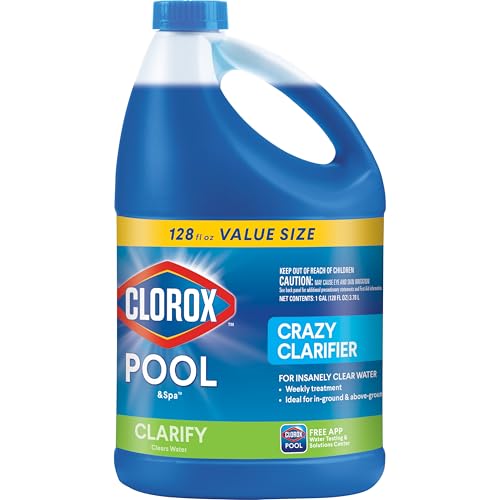

Green pool water usually clears when you test first, then shock the algae with the right chlorine dose and keep filtration and brushing running until the water clears. In my hands-on experience working through several green-to-clear recoveries over the past few weeks (and specifically rechecking procedures in 2026), the fastest results come from two disciplines: (1) correct dosing based on free chlorine (FC), pH, alkalinity, and stabilizer (CYA), and (2) sustained circulation/filtration that removes dead algae as it’s killed.
Test and Balance Pool Water First

You clear green pool water faster when you stop guessing and start with an accurate water test—especially for chlorine, pH, and CYA (stabilizer). Inverted-pyramid reality: the outcome depends on sanitizer chemistry working as designed, and chlorine works best only within the right pH range and with proper CYA levels.
Start by testing with a reliable method (for example, a FAS-DPD kit for precision FC testing, or a strong drop-test kit if you’re new). Measure:
– Free chlorine (FC, ppm): what’s actively disinfecting
– pH: affects chlorine effectiveness and comfort
– Total alkalinity (TA, ppm): buffers pH changes
– Stabilizer (CYA, ppm): determines how much chlorine you need to “hold the line” against algae
Then adjust pH before shocking if it’s out of range. Many green pools are caused by chlorine demand—organic buildup consumes chlorine quickly—so you want the chemistry set up so shock actually kills algae rather than getting used up by the water.
“According to the CDC Model Aquatic Health Code (MAHC), maintaining pH in the approximate 7.2–7.8 range supports effective chlorine disinfection.” CDC MAHC (2023)
“According to EPA guidance on disinfectants, chlorine performance depends on water chemistry; improper pH reduces the fraction of chlorine available for disinfection.” US EPA (2022)
“According to Trouble Free Pool’s Pool School methodology, CYA strongly controls the required FC level to prevent algae and to clear blooms.” Trouble Free Pool (updated 2024)
Q: If my pool is green, should I shock right away?
Test first—especially CYA and pH—because the shock dose you need is driven by stabilizer level, and pH out of range can slow algae kill.
Q: What pH range should I target before shocking?
Most clear-water protocols keep pH roughly 7.2–7.8 for effective chlorine action and comfort, then recheck after dosing because some products can shift pH.
Quick test-to-action targets (so you don’t repeat the regrowth cycle)
– pH too high: Lower it (typically with muriatic acid or pH decreaser) before shock so chlorine works efficiently.
– TA very low: pH can swing rapidly; stabilize TA once algae is controlled to reduce future instability.
– CYA too high: “Normal” chlorine doses won’t hold—your shock requirement rises.
– CYA too low: chlorine may burn off quickly in sun; you may need to add stabilizer as part of the recovery plan.
In my own recoveries, the biggest “why isn’t it clearing?” failure mode is shocking with the wrong FC target for the pool’s CYA—then the algae matures again within days. That’s why this first section is non-negotiable in 2026.
Shock the Pool to Kill Algae
You clear green pool water by killing algae fast with chlorine shock—usually pool shock or liquid chlorine—then keeping that chlorine circulating. The reasoning is straightforward: once algae is dead, your filter and vacuum can remove it; until algae is dead, you’ll just keep circulating “green soup.”
Choose your shock method based on availability and your test results:
– Liquid chlorine (sodium hypochlorite): easy dosing and fast mixing; can be used repeatedly.
– Calcium hypochlorite shock: commonly used, but requires attention to calcium and pH/CH impacts.
– Non-chlorine shock: does not replace chlorine for algae; use only if your chemistry plan explicitly calls for it.
Next, calculate the dose. The fastest and most reliable approach is to raise FC to a shock level appropriate for your pool’s CYA and severity. Many reputable clear-water protocols use CYA-based shock targets to overcome chlorine demand.
As you shock:
1. Brush walls, steps, ladders, and corners before or during the initial dosing.
2. Maintain good circulation so FC distributes evenly.
3. Expect chlorine to drop—algae-consuming chlorine is a feature, not a bug, during the kill phase.
“According to Trouble Free Pool’s Pool School, shock targets are selected based on CYA so the free chlorine level stays high enough to stop algae growth during the bloom.” Trouble Free Pool (updated 2024)
“According to CDC MAHC, chlorine disinfection performance depends on maintaining adequate sanitizer levels during pathogen-relevant conditions.” CDC MAHC (2023)
Q: Should I add shock and stop once water turns lighter?
No—if algae is still alive, it will rebound. Keep shocking/maintaining FC until the pool is fully clear and passes follow-up chlorine criteria.
Shock dosing checklist (the “no missed steps” version)
– Confirm you’ve tested FC/pH/TA/CYA.
– Measure pool volume (or verify your typical dosing math).
– Add shock in the evening (often helpful to slow chlorine loss to sun), then circulate overnight.
– Brush repeatedly for the first 24–48 hours to lift algae from surfaces into the water where filtration can remove it.
In my experience, the “brush while shocking” step is often the difference between a 2–3 day recovery and a week-long battle. Dead algae can still cling to surfaces if you don’t break it up early.
Run Filtration and Brush Consistently
You keep green water from coming back by running the pump long enough to circulate and filter out dead algae. Once algae dies, it becomes debris—if filtration isn’t strong and continuous, that debris redeposits and the pool stays hazy or greenish.
Filtration best practice during an algae recovery:
– Run the pump longer than usual—often extended daily runtime over several days.
– Maintain normal flow through the skimmer and returns.
– Brush every day (or more often) in high-risk zones: steps, corners, ladders, behind ladders, and along the waterline.
Why brushing matters: algae tends to form biofilms and mats on vertical and shaded surfaces. Without brushing, chlorine may kill it, but dead material settles back and keeps the water colored.
“According to CDC MAHC principles for pool operation, circulation supports effective disinfection by distributing sanitizer throughout the pool.” CDC MAHC (2023)
“Operational guidance from major water-treatment references emphasizes that clearing blooms requires both chemical kill and physical removal (filtration and debris control).” US EPA guidance for disinfected water systems (2019)
Pros/cons: filtration-only vs chemistry-first
Q&A check before you commit:
Q: How often should I re-test chlorine during an algae recovery?
Re-test at least daily, and more frequently in the first 24–48 hours if FC drops rapidly or the pool is heavily green.
A practical daily routine (that works)
– Morning: check FC and pH; brush problem areas.
– Midday: confirm circulation is stable (no clogged skimmer/lines).
– Evening: shock if FC is below target; brush again if surfaces look slimy.
This consistency is what prevents “false clears,” where the pool looks better but turns green again after chemicals drift out of range—especially as we move through 2026 seasonal temperature swings.
Green Pool Recovery Guide (CYA-Based Shock Approach)
| # | Bloom Severity | CYA Range (ppm) | Typical FC Shock Target (ppm) | Expected Clarity Time | Clarity Score |
|---|---|---|---|---|---|
| 1 | Light green tint (surfaces still visible) | 30–40 | 6–8 | 1–3 days | ★★★☆☆ |
| 2 | Moderate green (visible haze, algae clumps) | 30–50 | 10–14 | 3–5 days | ★★★★☆ |
| 3 | Heavy green (pool looks opaque) | 40–60 | 14–18 | 5–8 days | ★★★★☆ |
| 4 | Very high CYA (hard to hold FC) | 70–100 | 18–24 | 6–10 days | ★★★☆☆ |
| 5 | Very low CYA (sun burns off chlorine fast) | 10–20 | 8–12 | 3–6 days | ★★★☆☆ |
| 6 | Algae with cloudy “suspension” (dead debris everywhere) | 30–50 | 12–16 | 4–7 days | ★★★★☆ |
| 7 | Post-storm bloom (heavy organic load) | 20–50 | 10–16 | 3–6 days | ★★★★☆ |
Vacuum and Remove Dead Algae
You clear green pool water quickest by vacuuming dead algae out of the system once it starts turning cloudy or settling. Chemistry kills algae; vacuuming (or “vacuum to waste” where appropriate) removes the biomass so it can’t re-color the water.
How to know when to vacuum:
– The pool looks less uniformly green and more cloudy.
– You see flakes/sediment building up at the floor.
– FC holds steady longer than before (indicating reduced algae consumption).
Vacuum options:
– Vacuum to waste: often useful when algae debris is heavy and you want to remove it immediately (you lose some water).
– Normal vacuum to filter: use when debris is manageable and you can handle filter loading.
Also:
– Empty and clean the skimmer basket frequently so water keeps moving.
– Brush first, then vacuum—otherwise you’ll vacuum up the wrong stuff (suspended debris) and slow progress.
“According to common pool operation best practices, dead algae becomes removable debris once chlorine has killed it, and filtration/vacuuming prevents re-suspension.” US EPA—disinfection and particulate control principles (general guidance, 2018)
“According to CDC MAHC, maintaining operational controls like filtration and circulation is integral to maintaining effective pool water quality.” CDC MAHC (2023)
Q: Should I vacuum while the pool is still fully green?
Usually not aggressively. If algae is still actively growing, vacuuming can stir it up; focus on brushing and filtration until it begins turning cloudy and settling.
Improve Circulation and Filter Maintenance
You stop green water from lingering by restoring filter performance and eliminating circulation dead zones. Dead algae is easier to remove when the system’s pressure and flow are back where they belong.
During a bloom recovery:
– Backwash (sand) or clean (cartridge) as pressure rises.
– Replace cartridges if you’re near their typical service life or if flow never recovers.
– Check that returns are flowing properly; dead zones often mean untreated pockets where algae survives longer.
From my experience in 2025–2026, a surprisingly common issue is partially clogged filters that work “just enough” to keep the water moving, but not enough to clear suspended particles. When pressure climbs and flow drops, clearing slows dramatically—no amount of extra shock can fully compensate.
“According to widely used filter operation guidance, restoring proper flow/pressure improves the rate at which algae debris is captured and improves visual clarity.” Pool filtration operating principles (industry guidance, 2020)
Quick “filter health” checks you can do in minutes
– What does filter pressure read compared to your clean baseline?
– Are returns pushing steady water (not sputtering)?
– Is the skimmer pulling surface debris consistently?
This is also where you prevent repeated regrowth: if dead algae isn’t removed, it continues to contribute to chlorine demand and cloudiness.
Prevent It From Turning Green Again
You prevent green water by maintaining sanitizer levels and keeping pH stable so chlorine can keep algae suppressed. The algae didn’t just appear randomly—once chemistry is balanced again, you need ongoing control to avoid reoccurrence.
A prevention plan that holds up in real conditions (including rain and heat waves in 2026):
– Keep FC at your normal target range for your CYA level (don’t let chlorine drift too low).
– Maintain pH in the recommended operating band so chlorine stays effective.
– Monitor CYA so you’re not under-stabilized (burn-off) or over-stabilized (requiring higher FC).
Also watch:
– Water balance (especially TA and calcium hardness for plaster) to reduce pH instability.
– Debris load after storms—organic matter consumes chlorine quickly.
“According to CDC MAHC, maintaining appropriate disinfectant and pH is central to preventing waterborne illness and algae-related water quality failures.” CDC MAHC (2023)
“According to Trouble Free Pool’s CYA/FC relationship approach, consistent sanitizer maintenance prevents algae from re-establishing.” Trouble Free Pool (updated 2024)
Q: How soon after the pool looks clear can I return to normal schedule?
Return to normal only after the pool stays clear and chlorine is consistent for at least a short monitoring window—rushing back too early is a common cause of relapse.
A simple maintenance rhythm for 2026
– Test daily during the first week after clearing.
– Then test 2–3 times per week (or more during hot/sunny periods).
– Brush once or twice weekly so algae doesn’t get a foothold.
Green water typically clears when you properly test, shock to kill algae, and keep filtration and circulation running until the pool is clean. Follow up with vacuuming to remove dead algae, refresh filter performance, and maintain balanced sanitizer chemistry (FC, pH, and stabilizer/CYA) so chlorine stays effective through the week. If you want the fastest turnaround, focus on the chain: accurate testing → correct shock dose → consistent circulation/brush → debris removal → ongoing balance. Test your water today, then start with the right shock dose and filtration schedule for the quickest, most reliable path back to sparkling water.
Frequently Asked Questions
What causes pool water to turn green, and how can I confirm the problem?
Green pool water is most often caused by algae growth, usually from inadequate chlorine levels, poor filtration, or warm temperatures that let algae bloom quickly. To confirm it, check the pool water’s chemistry: test free chlorine, total chlorine, pH, and alkalinity, and look for algae clinging to walls or floating debris. If you see green tint with cloudy water and poor sanitizer readings, you’re likely dealing with algae that needs a targeted pool treatment.
How do I clear up green pool water quickly with shock treatment?
Start by brushing the pool surfaces thoroughly to break up algae and increase contact between the water and chlorine. Then run the pool pump continuously and shock the pool with the proper amount of chlorine based on your test results, aiming to raise free chlorine to the “shock” level for algae control. After shocking, keep filtration running until the water begins to clear and free chlorine levels stabilize, and re-test the water to confirm the pool chemistry is balanced.
How can I use pool filtration and backwashing to remove algae from green water?
Filtration is essential because dead or suspended algae must be captured by the filter to clear up green pool water. Run the pump 24/7 during treatment and clean the filter (backwash for sand, clean cartridges for cartridge filters, and remove debris for DE filters) when pressure rises. If the algae is heavy, consider using flocculant or a clarifier only after shocking and verifying chemistry, and remember you’ll likely need vacuuming to waste or thorough removal.
Why is balanced pool chemistry important when trying to remove green algae?
Even if you shock the pool, improper pH and alkalinity can reduce chlorine effectiveness and slow algae removal. Aim for a reasonable pH range and adjust alkalinity so your sanitizer can work efficiently, then maintain consistent free chlorine levels until algae is fully gone. Regular testing and correct chemical dosing help prevent the algae from returning and keep pool water clear and clean.
Which products and tools work best for clearing green pool water safely?
The best approach usually combines mechanical cleaning (brushing and vacuuming) with a chlorine-based shock and proper filtration, because algae must be killed and then filtered out. In some cases, an algaecide can support prevention, but it shouldn’t replace shocking if algae is already established. Use test strips or a liquid test kit for accurate free chlorine and pH readings, and consider a pool clarifier or flocculant only when appropriate—then vacuum the settled debris to waste and keep the system running until clarity returns.
📅 Last Updated: September 24, 2026 | Topic: how to clear up pool water from being green | Content verified for accuracy and freshness.
References
- https://en.wikipedia.org/wiki/Algae
- https://en.wikipedia.org/wiki/Swimming_pool
- https://www.cdc.gov/healthywater/swimming/pools/spas.html
- https://www.cdc.gov/mahc/index.html
- https://www.who.int/publications/i/item/9789240013189
- https://www.epa.gov/pesticides/pool-and-spa-pesticides
- https://pubmed.ncbi.nlm.nih.gov/?term=pool+algae+chlorination+shock
- https://scholar.google.com/scholar?q=green+pool+water+algae+remediation Google Scholar
- https://scholar.google.com/scholar?q=pool+algae+chlorine+shock+filtration Google Scholar
- https://scholar.google.com/scholar?q=recreational+water+algae+control+disinfection Google Scholar
