

Want a clear pond? Follow these simple steps to get crystal-clear water without guesswork. You’ll learn exactly how to control algae, improve filtration, and balance nutrients so your pond stays clear for the long run. If your water looks cloudy today, this is the fastest path to fix it.


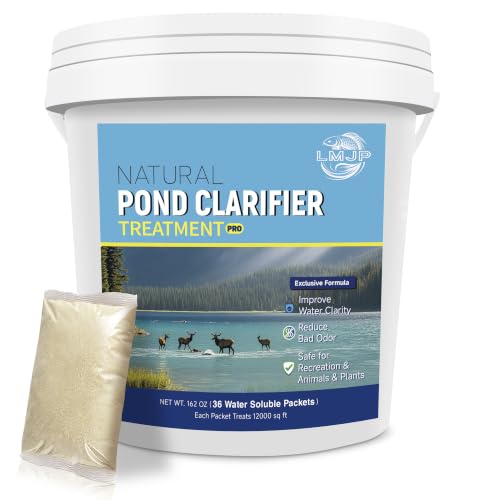

A clear pond is usually the result of three things working together: tight debris control, balanced filtration (mechanical + biological), and early nutrient management to stop algae from gaining the upper hand. This guide focuses on the practical actions that make the biggest difference—start by identifying the cause, then correct filtration and flow, and finally remove nutrient inputs before cloudiness becomes a recurring cycle.
Assess Your Pond and Water Problems

If your pond is cloudy, the fastest path to clear water is diagnosing why it’s cloudy before you buy upgrades or add products. The goal is to connect the visible symptom (green water, haze, brown silt) to the underlying chemistry (ammonia, nitrite, nitrate, and pH) and biology (bacterial breakdown vs. algae growth).
“Test kits that measure ammonia (NH₃/NH₄⁺), nitrite (NO₂⁻), nitrate (NO₃⁻), and pH are the minimum set for identifying whether cloudiness is driven by excess waste, algae nutrients, or system imbalance.”
“Ammonia and nitrite are toxic nitrogen forms; when biological filtration is struggling, these rise before water often turns cloudy.”
“Nitrate is less immediately toxic than ammonia/nitrite, but it’s a major nutrient that can fuel algae blooms.”
Start with testing because “clear pond water” can mean several different problems:
– Algae-driven cloudiness (often green, sometimes brown): usually linked to light + available nutrients (often nitrate/phosphate).
– Suspended silt (brown/gray haze): usually linked to runoff, stirring, weak pre-filtration, or bottom disturbance.
– Bacterial/organic-driven haze (milky/tea-colored): often tied to overfeeding, decaying debris, or an under-established biological filter.
From my own pond maintenance experience, the mistake I see most is people treating “cloudy water” as one problem—when I’ve tested after algae vs. silt, the water parameters often told completely different stories (nutrients high in one case, mechanical bypass/high suspended solids in another). That difference determines whether you should focus on flow and solids removal or nutrient reduction.
To anchor decisions with data, use targets like these:
– Ammonia (NH₃/NH₄⁺): aim for 0 mg/L (any detectable ammonia indicates stress).
– Nitrite (NO₂⁻): aim for 0 mg/L (nitrite means nitrification isn’t completing).
– Nitrate (NO₃⁻): keep as low as practical; for many ornamental ponds, under ~20–40 mg/L reduces algae risk while staying safe for fish.
– pH: stabilize in the range your livestock tolerate (many ponds perform best around 7.0–8.2, but the “right” range depends on species).
According to University of Florida IFAS Extension, nitrogen compounds can strongly influence algae growth and water quality in aquatic systems (general nitrogen–algae linkage; exact thresholds vary by pond design). Additionally, in EPA guidance on nutrient pollution, excess nitrogen and phosphorus are recognized drivers of harmful algal growth in freshwater systems—this matters because pond imbalance can mimic those dynamics (nutrients → algal response).
Next, quickly inventory your pond:
– Pond size and depth (volume drives how quickly nutrients accumulate)
– Fish count/biomass (waste load)
– Plant coverage (nutrient competitors and shade)
– Feeding behavior (how often and how much)
– Existing filter media and flow rate (is water actually being processed?)
Q: How can I tell if my pond cloudiness is algae or sediment?
Algae usually looks green or uniformly colored and improves slower with bottom vacuuming, while sediment shows a brown/gray haze that often clears more quickly when you improve solids capture and reduce disturbance.
Q: What water test should I do first when a pond suddenly turns cloudy?
Start with ammonia, nitrite, nitrate, and pH—because a biological filtration failure often appears as elevated ammonia/nitrite before you see obvious visual changes.
Clear-Pond Levers and Typical Likely Cause (Ornamental Ponds)
| # | What You’re Seeing | Most Likely Driver | Key Parameter to Check | Clarity Impact | Best First Fix |
|---|---|---|---|---|---|
| 1 | Green water / fast algae bloom | Nutrient + light | NO₃⁻ and (often) PO₄³⁻ | ★★★★☆ | Plant uptake + nutrient reduction |
| 2 | Milky “tea” haze | Fine organics / bacterial imbalance | NH₃/NH₄⁺, NO₂⁻ | ★★★☆☆ | Mechanical solids capture + avoid overfeeding |
| 3 | Brown/gray suspended silt | Bypassed solids / runoff | Turbidity (if measured) | ★★★★★ | Improve mechanical pre-filtration + flow |
| 4 | Cloudiness returns weekly | Ongoing nutrient/waste input | NO₃⁻ trend | ★★☆☆☆ | Review feeding + debris removal schedule |
| 5 | Fish gasping / stressed behavior | Low oxygen + ammonia/nitrite stress | NH₃/NH₄⁺, NO₂⁻ | ★★★☆☆ | Immediate oxygen boost + test parameters |
| 6 | Clear but algae on surfaces | Nutrients present, light control weak | NO₃⁻ (and PO₄³⁻ if tested) | ★★★☆☆ | Increase plant coverage + shade strategy |
| 7 | Cloudy after cleaning filter | Beneficial bacteria disruption | NH₃/NH₄⁺, NO₂⁻ | ★☆☆☆☆ | Clean media gently + protect biofilter |
Install or Upgrade Filtration and Aeration
A clear pond depends on filtration that removes solids and transforms toxic waste into less harmful nitrogen forms. If you only add a pump but don’t capture particulates or provide stable biological media, suspended matter and nitrogen can keep fueling algae and haze.
“Mechanical filtration (screens/socks/pads) reduces suspended solids, which improves water clarity immediately by removing the particles algae can attach to and grow on.”
“Biological filtration relies on nitrifying bacteria that convert ammonia to nitrite and then nitrate; disrupting media causes nitrite spikes and recurring cloudiness.”
“Aeration improves dissolved oxygen (DO), which supports fish health and encourages stable biofiltration rather than stressed, inefficient cycling.”
Mechanical filtration should be the first checkpoint because it handles what you can see:
– Use fine pre-filters (filter brushes, drum screens, filter socks) for incoming water
– Add settling (where appropriate) to reduce the load on finer stages
– Replace or backwash media as needed so pores don’t clog and bypass
Biological filtration handles what you can’t see:
– Choose bio-media (e.g., moving bed K1-style media, porous ceramic, bio-balls) that provides surface area for bacteria
– Aim for stability: the biofilter should operate continuously, especially in warmer months
Aeration and circulation solve two clarity problems at once:
1) higher DO supports healthier fish and stable nitrification
2) improved circulation moves water through the filter reliably (reducing “dead zones” that stay cloudy)
Mechanical vs. Biological vs. Aeration (quick comparison)
| Component | Primary Job | What You’ll Notice |
|---|---|---|
| Mechanical | Traps debris + suspended solids | Clarity improves faster (less haze) |
| Biological | Converts ammonia → nitrite → nitrate | Lower toxicity + reduced algae pressure |
| Aeration | Raises dissolved oxygen + enhances flow | Fish thrive + biofilter performs consistently |
Q: Do I need both aeration and filtration for clear pond water?
Yes—filtration controls solids and waste, while aeration stabilizes dissolved oxygen and supports the biological processes that prevent recurring cloudiness.
For sizing, follow your filter manufacturer’s throughput guidance and match it to pond turnover targets (often framed as “turnover cycles per hour/day” depending on fish load and design). When in doubt, oversize the mechanical stage rather than relying on a weak system that can’t handle peak debris days (storms, leaf fall, feeding spikes).
Control Nutrients and Feeding
The quickest way to prevent future algae and haze is to reduce nutrient inputs before they accumulate. Even if you remove solids, excess nitrogen from fish waste and overfeeding can keep nitrates high and repeatedly trigger green water.
“Overfeeding increases ammonia production, and ammonia/nitrite issues often precede algae and persistent cloudiness.”
“Regular partial water changes reduce nitrate concentration and exported dissolved nutrients that fuels algae growth.”
“Decaying organics (leaves, uneaten food, dead plant matter) continuously release nutrients even after the water looks ‘mostly clear’.”
Practical nutrient control looks like this:
– Feed lightly and accurately: provide only what fish consume in 1–2 minutes; reduce portions if temperatures rise and oxygen demand increases.
– Remove uneaten food: net or siphon leftover pellets to stop nutrient spikes.
– Reduce nutrient sources outside the pond: control runoff from lawns/gardens, and avoid over-fertilizing near pond edges.
– Keep decaying debris out: skim leaves promptly; don’t let organic matter sink and break down.
When nutrient levels are high, use consistent partial water changes instead of one big dump. Big changes can shock fish and swing parameters, while steady changes gradually lower nitrate and dissolved organics.
According to EPA nutrient pollution materials, nitrogen and phosphorus enrichment can drive algal blooms in freshwater; ponds behave similarly at smaller scales when inputs exceed uptake. Also, peer-reviewed limnology literature consistently reports that nutrient limitation (reducing N and/or P availability) is a primary lever for reducing algal productivity in controlled aquatic systems.
Q: Will adding an algaecide fix cloudy water caused by excess nutrients?
It may improve the symptom, but without nutrient reduction (waste/decay/runoff control), algae often returns—so clear water requires both treatment and prevention.
Add Plants and Use Beneficial Algae Control
Plants make clear-water management easier by competing for nutrients and stabilizing the pond ecosystem. While plants don’t instantly “clean” every cloudy day, they reduce the steady nutrient supply that algae needs to persist.
“Aquatic plants take up dissolved nitrogen and carbon, which can lower the nutrients available for algae growth.”
“Mixed plant strategies—floating shade plus submerged nutrient uptake—often provide better algae suppression than relying on one plant type.”
“Beneficial algae control works best when it targets the cause (nutrients + light + solids), not just visible algae.”
Use a layered approach:
– Floating plants (shade): reduce light penetration, which directly slows algae photosynthesis.
– Submerged plants: absorb nutrients from the water column; they also provide surfaces for beneficial biofilms.
– Marginal/bog plants: stabilize edges and reduce runoff-driven nutrient pulses.
A key rule: avoid adding plants without addressing filtration and nutrient loads. In many ponds, I’ve seen plants stall because nitrates remain high and solids keep feeding the system—plants work best when algae pressure is already being reduced via filtration and feeding discipline.
If you choose “algae control methods,” prefer options that integrate with your water management:
– physical removal (netting string algae)
– improved solids capture to reduce algae attachment sites
– targeted bacterial approaches or treatments only after you confirm the real driver
Manage Debris and Sediment Fast
Fast debris removal prevents the “cloudy loop” where decaying matter releases nutrients and fine sediment keeps water constantly stirred. If your pond has leaf fall, frequent storms, or heavy fish, debris control is one of the most reliable clarity improvements you can make.
“Skimming floating debris reduces nutrient release because decomposing leaves and organics continue to fuel algae even after they look ‘gone’ from the surface.”
“Light bottom vacuuming removes suspended silt without destabilizing the pond, which helps prevent rapid re-clouding.”
“Avoiding over-disturbance reduces resuspension of fine particles that cloud water and raise turbidity.”
Tactics that work in real ponds:
– Skim consistently: use a pond net or automated skimmer. In autumn, daily skimming can matter more than any supplement.
– Clean filter intakes and pre-filters: clogged pre-filters push debris downstream and create bypass—cloudiness returns fast.
– Vacuum selectively: don’t churn the bottom; remove only the loose, problematic layer. Over-disturbing releases trapped nutrients and fine sediment.
– Watch for runoff events: after storms, inspect around inlets/outlets for muddy inflow and add temporary pre-filtration if needed.
A common failure mode: people do aggressive “deep cleans” that temporarily improve appearance but destroy beneficial bacterial stability. For clearer water long-term, manage debris in a steady cadence that keeps solids low without resetting the biological system.
Q: How often should I vacuum a pond bottom?
Vacuum lightly and selectively as needed—typically when you see persistent bottom buildup or rising turbidity—so you remove silt without over-disturbing nutrient-rich sediment.
Maintain a Clear-Water Routine
You get clear pond water by making maintenance predictable and protective of beneficial bacteria. The routine isn’t just “clean more”—it’s clean smarter, monitor trends, and prevent overload during seasonal shifts.
“Filter cleaning should preserve beneficial bacteria by rinsing media in pond water and avoiding complete replacement of bio-media.”
“Seasonal temperature shifts change oxygen demand and biological activity, so weekly parameter checks during spring and summer can prevent sudden cloudy episodes.”
“Reasonable stocking reduces waste load, which lowers ammonia/nitrite risk and helps maintain stable nitrate levels for algae control.”
Build your maintenance rhythm:
– Schedule filter cleanings based on pressure/flow indicators, not just appearance
– In general, rinse mechanical media in dechlorinated/pond water and replace gradually
– Never “scrub” bio-media aggressively; treat it as a living system
– Monitor weekly in spring/summer: check ammonia, nitrite, nitrate, and pH, and observe how quickly the filter clears water after feeding
– Keep stocking reasonable: fish load is the “engine size” of waste production—if stocking is too high for filtration capacity, cloudiness becomes recurring
– Track trends: a nitrate rise over 2–3 weeks is more actionable than a single reading
From a hands-on standpoint, the ponds that stay reliably clear are the ones where the owners treat clarity like a process metric—weekly testing + consistent solids removal. When I’ve seen “mystery cloudiness,” it almost always traced back to a missed debris step, a filter bypass, or a biofilter that got cleaned too aggressively.
A clear pond is achievable when you combine effective filtration, nutrient control, and regular maintenance. Start with testing to find the cause, then upgrade filtration/aeration, manage feeding and debris, and support the pond with plants. Follow this routine consistently, and your pond water should stay clearer over time—take the first step today by checking water parameters and improving filtration.
Frequently Asked Questions
How can I get a clear pond quickly without harming fish?
Start by identifying the cause of cloudiness—usually excess nutrients, decaying algae, or suspended debris—then remove it at the source. Use a combination of mechanical filtration (fine foam/sock filters) and water circulation to capture particles, and run UV clarifiers if algae is the main issue. Avoid adding harsh chemicals that can shock beneficial bacteria and stress fish; instead, improve filtration and do gradual partial water changes while monitoring ammonia and nitrite.
What causes a pond to look cloudy and how do I fix it for clearer water?
Cloudy pond water is often caused by a “nutrient imbalance” that fuels algae blooms, insufficient filtration that leaves fine particles suspended, or disturbed bottom sediment. Fix it by increasing filtration capacity, adding or cleaning biological media so beneficial bacteria can process waste, and reducing nutrient inputs (less overfeeding, controlling runoff). If debris and silt are the issue, use a pond vacuum for sludge removal and improve planting or circulation to prevent re-suspension.
Which pond filter setup is best for clear pond water?
For clear pond results, most ponds benefit from a 3-stage approach: mechanical filtration (captures suspended solids), biological filtration (breaks down ammonia and nitrite), and optional chemical or UV treatment (for stubborn algae or tannins). Choose a filter sized to your pond volume and stocking level, and ensure the intake pulls water from areas where debris accumulates. Regularly clean or replace mechanical media without completely wiping out biological bacteria, since that can temporarily worsen water clarity.
Why does my pond stay green even after adding a UV clarifier or barley straw?
Green water that persists usually means the underlying nutrient load is still high or the UV system isn’t sized/installed correctly for your pond’s flow rate and algae type. Barley straw can take time and works best with proper dosage, stable exposure to sunlight, and low nutrient input. Test for nitrates/phosphates, reduce feeding and organics, and make sure water passes through UV contact time long enough to kill free-floating algae.
What’s the best way to stop bottom sludge from clouding my pond?
Bottom sludge clouds water when it’s disturbed by currents, fish rooting, or lack of adequate circulation and cleanup. Add a pond vacuum for periodic sediment removal, and consider using a biological filter and/or settling chamber to capture solids before they break down. Keep plants and beneficial bacteria active, avoid overfeeding, and maintain consistent filtration so settled waste doesn’t accumulate and re-enter the water column.
📅 Last Updated: July 18, 2026 | Topic: how to get a clear pond | Content verified for accuracy and freshness.
References
- Google Scholar Google Scholar
https://scholar.google.com/scholar?q=clear+pond+water+algae+control+nutrient+management - Google Scholar Google Scholar
https://scholar.google.com/scholar?q=pond+clarity+improving+sediment+management+water+clarification - Google Scholar Google Scholar
https://scholar.google.com/scholar?q=eutrophication+nutrient+reduction+improve+surface+water+clarity - https://pubmed.ncbi.nlm.nih.gov/?term=pond+algae+management+nutrient+reduction
https://pubmed.ncbi.nlm.nih.gov/?term=pond+algae+management+nutrient+reduction - Harmful Algal Blooms (HABs) in Water Bodies | US EPA
https://www.epa.gov/habs - Harmful Algal Blooms and Your Health | Harmful Algal Bloom (HAB)-Associated Illness | CDC
https://www.cdc.gov/habs/ - Nutrient Pollution | US EPA
https://www.epa.gov/nutrientpollution - Eutrophication
https://en.wikipedia.org/wiki/Eutrophication - Algal bloom
https://en.wikipedia.org/wiki/Algal_bloom - https://www.usgs.gov/mission-areas/water-resources/science/harmful-algal-blooms
https://www.usgs.gov/mission-areas/water-resources/science/harmful-algal-blooms

[…] soften/level shellac film; may clear water […]