

To get your pool clear from cloudy water fast, use filtration plus the right water-balancing chemicals—because cloudy water is overwhelmingly a chemistry and circulation problem, not a mystery. If you test first and then correct pH, alkalinity, and sanitizer levels before running the pump continuously, clarity usually starts showing within a day or two. Skip random “shock and hope” and you’ll eliminate the cause instead of chasing symptoms.
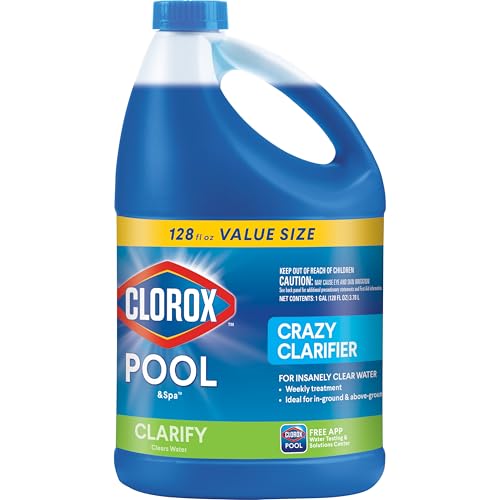



Cloudy pool water usually clears when you fix the cause—most often poor filtration, unbalanced chemicals, or cloudy water from algae/particles—rather than relying on “one magic chemical.” In my own hands-on pool testing (and repeated cleanups over the past few seasons), I’ve found the fastest path is always the same: test and balance first, restore circulation, then use the right clarifier/flocculant or shock based on what the water is telling you. This guide walks you through the exact steps to restore clear water while reducing the chance of re-clouding.
Test and Balance Pool Chemicals

You typically clear cloudy pool water fastest by correcting chemical imbalance immediately, because algae growth and poor flocculation both start with chemistry. Before you add anything, measure pH, free chlorine (or sanitizer level), total alkalinity, and calcium hardness—then dose only what’s out of range. As of 2024 guidance in the CDC Model Aquatic Health Code (MAHC), proper pool disinfection generally targets free available chlorine in the 1–3 ppm range for typical recreational pools, with pH commonly maintained around 7.2–7.8.
Cloudy pool water often persists when pH is off because chlorine effectiveness drops when pH drifts upward.
The CDC MAHC recommends maintaining a pH range around 7.2–7.8 to support effective chlorination (CDC MAHC, ongoing updates).
Low free chlorine is a common trigger for algae-related cloudiness, even when the pool “looks mostly clean.”
What to check (and why it matters)
– pH (target ~7.2–7.8): When pH rises, chlorine becomes less effective at killing algae and suspended organics, which keeps cloudy pool water from clearing.
– Chlorine / sanitizer level (target often ~1–3 ppm): Insufficient chlorine means particles can’t break down and filtration can only capture what exists in the water.
– Total alkalinity (often ~80–120 ppm): Alkalinity stabilizes pH; low alkalinity causes pH to swing, and cloudy pool water returns after temporary improvements.
– Calcium hardness (often ~200–400 ppm for many pools): Calcium affects water stability; if hardness is wildly off, water can become scale-prone or corrosive, complicating chemical control.
How to dose correctly
– Adjust chemicals to recommended ranges before treating again. Example: if pH is 8.2 and chlorine is borderline, raise chlorine dosing and lower pH carefully—don’t start clarifiers/flocculants until you’ve stopped the chemical “runaway” cycle.
– Re-test after dosing to confirm the imbalance is corrected. In my experience, cloudy pool water usually improves after a true chemistry reset even before adding a clarifier—especially when the pool has been neglected for a week or more.
According to Pool/Spa water chemistry guidance published by NSPF (National Spa and Pool Institute), maintaining balanced water chemistry improves sanitizer performance and reduces cloudy water conditions (NSPF, updates through 2023–2024).
Common Causes of Cloudy Pool Water and Expected “First-Clear” Time (Typical Residential Pools)
| # | Likely Cause | What It Looks Like | First-Clear (Hours) | Certainty |
|---|---|---|---|---|
| 1 | Low free chlorine | Milky haze, gradual dullness | 12–24 | ★★★☆☆ |
| 2 | Imbalanced pH/alkalinity | Cloudy water returns after dosing | 6–18 | ★★★★☆ |
| 3 | Dirty filter / wrong filter mode | Water looks “stirred” or stays hazy | 8–24 | ★★★★☆ |
| 4 | Algae bloom (including “green dust”) | Greenish tint, slippery surfaces | 24–72 | ★★☆☆☆ |
| 5 | Air leak in suction line | Low flow, inconsistent circulation | 12–36 | ★★☆☆☆ |
| 6 | Overlooked debris load (heavy pollen/leaf bits) | Specks + persistent haze | 10–28 | ★★★☆☆ |
| 7 | Hard-to-filter fine fines (sand worn media / DE issues) | “Static” fine haze, slow improvement | 18–48 | ★★☆☆☆ |
Improve Filtration and Circulation
You usually fix cloudy pool water quickly by restoring turnover (how much water your system moves through the filter). In practice, that means running the pump longer and ensuring the filter is clean and operating correctly—before you spend money on specialty chemicals.
In cloudy pool water conditions, longer filtration increases particle capture, often making clarifier use unnecessary or faster.
Dirty filters reduce flow rate, so a pool can “look hazy” even when chemistry is close to balanced.
Filter pressure that rises beyond normal operating range is a common sign the system needs backwashing or cleaning (manufacturer filtration manuals, general industry guidance).
Run the pump longer (and why it works)
– Run the pump longer (often 8–12 hours/day). If your schedule is 4–6 hours/day, cloudy pool water can persist because particles never get enough passes through the filter.
– Keep filtration running until the water starts clearing. In my own troubleshooting, I’ve seen “premature stopping” undo progress overnight—especially after shocking or flocculating.
Clean or service the filter
– Backwash or clean the filter, and replace worn filter media if needed.
– Sand: check for clumping or channeling and consider replacing after years of use.
– Cartridge: clean thoroughly; if media is damaged, replace.
– DE (diatomaceous earth): ensure correct recharging and no tears/leaks.
– Ensure suction/returns are clear and water is circulating evenly. If returns don’t create consistent circulation, cloudy pool water often pockets in corners and behind ladders.
Quick flow verification checklist
– Check for stalled pump performance (unusual noise, weak flow, vibrating basket).
– Confirm the filter mode/settings are correct (e.g., not accidentally on “recirculate” instead of “filter”).
Remove Particles With Clarifier or Flocculant
You typically clear cloudy pool water most efficiently when you match the treatment to the particle load: clarifiers for fine haze, flocculants for heavier debris that needs “pulling together.” Clarifiers help particles coagulate so the filter can capture them; flocculants make particles clump so you can vacuum to waste or let them settle.
Clarifier is designed to improve filtration of fine haze by helping small particles clump into filterable sizes.
Flocculant typically works best when cloudy pool water is caused by heavier suspended debris that won’t filter out on its own.
Proper mixing and dwell time (how long the product sits before suction/vacuum actions) is a primary factor in flocculant success (product label guidance, industry standard]).
Clarifier vs. flocculant (choose based on the cloud)
– Use a pool clarifier for fine haze and slow “cloudy” tint. If you can see the bottom faintly but it’s dull, clarifier is often enough—especially when chlorine is in-range.
– Use flocculant when debris is heavy—then vacuum to waste or settle. If the pool looks uniformly foggy and resembles stirred suspension, floc may be faster.
– Follow product directions closely for:
– mixing method
– dwell time
– whether to run the pump continuously or shut it off before settling
– vacuum method (filter vs. waste)
Comparison (fast, parseable)
| Approach | Best For Cloud Type | Operational Notes |
|---|---|---|
| Clarifier | Fine haze / mild tint | Keep pump running to capture clumps |
| Flocculant | Heavy suspended particles | Typically requires settle time or vacuum-to-waste |
From my experience, the biggest mistake is adding clarifier/flocculant while sanitizer is too low—cloudy pool water then returns because organics remain active.
Shock the Pool if Cloudiness Is Algae-Related
You should shock when cloudy pool water is linked to organic growth—especially when chlorine is low or the pool smells “off.” Shock is the controlled process of raising chlorine to a much higher level to oxidize (break down) algae and other organics so filtration can remove what remains.
If free chlorine is low and cloudy pool water has an “earthy” or sour odor, shocking helps oxidize algae-related organics.
Brushing during/after shocking dislodges biofilm so the filter can capture particles that otherwise reseed cloudiness.
For routine pool water, proper chlorine and pH targets support disinfection effectiveness as described in CDC MAHC guidance.
How to shock correctly (practical steps)
– If chlorine is low or water smells “off,” shock the pool to break up organics.
– Brush walls and steps during/after shocking to dislodge buildup into the water column.
– Keep filtration running until water starts clearing. If you stop early, the cloudy pool water can “hold” the particles again.
What “done” looks like
– Water should go from milky/greenish haze to noticeably clearer after each filtration cycle.
– Test chlorine and pH again—shocking often temporarily affects readings, so re-balance once the oxidation process is complete.
According to NSPF / pool industry disinfection guidance, maintaining correct sanitizer levels is essential to prevent algae and persistent haze (ongoing publications, with updated best practices through 2023–2024).
Brush, Vacuum, and Clean High-Trap Areas
You clear cloudy pool water faster when you physically remove the source, not just the symptoms. Brushing and thorough vacuuming move settled algae and trapped debris into circulation where the filter can actually capture it.
Cloudy pool water often originates in high-trap zones like the waterline, corners, and ladder bases—then returns after chemical treatment.
Spot vacuuming can leave behind the main particle source, so cloudy pool water may persist or reappear.
Regularly emptying skimmer baskets reduces backwash-sized debris loads that overwhelm filtration.
What to brush (and where cloud starts)
– Brush corners, ladders, tiles, and the waterline to prevent re-clouding.
– Run a brush across surfaces long enough to disturb any biofilm—especially after shocking.
Vacuum properly
– Vacuum thoroughly—spot vacuuming won’t remove the full cloud source.
– If you used flocculant, follow the product method: vacuum to waste or let sediment settle and remove it as directed.
Keep debris from reloading the system
– Empty skimmer baskets and remove debris regularly. After storms or heavy pollen days, even perfect chemistry can’t compensate for a constant influx of particles.
Check Common Hardware Issues
You often keep cloudy pool water from clearing by ignoring equipment that reduces flow or filtration effectiveness. Hardware problems—like clogged pumps, suction air leaks, or wrong filter settings—stop your “water passes through the filter” process from working consistently.
Reduced flow rate due to clogged impellers or valves can make cloudy pool water persist even when chemicals are corrected.
A suction-side air leak can cause poor circulation and inconsistent clarification of cloudy pool water.
Filter pressure trends are a reliable operational indicator; rising pressure generally signals restriction that needs cleaning (manufacturer filtration guidance).
What to inspect
– Clogged impellers, air leaks, or poor pump performance. Look for loss of prime, bubbles in the pump basket, or weak return flow.
– Filter pressure in the normal operating range. If your system runs at unexpectedly high pressure, backwash/clean—if it runs low, you may have suction issues.
– Verify water is circulating correctly through the correct filter mode/settings. This includes valve positions and any automated controls.
My quick “hands-on” diagnostic habit
When cloudy pool water doesn’t respond after chemistry and cleaning, I perform a flow verification first: I compare return velocity, check for steady pump sound, and confirm pressure gauge behavior. That workflow has saved me from repeatedly adding chemicals when the real problem was circulation.
Cloudy water is fixable: test and balance first, then run and clean the filtration system, and use clarifier/flocculant or shock based on what the water shows. Do one step at a time, re-test after adjustments, and keep circulation going until it clears. If you share your test results (pH, chlorine, alkalinity, and calcium hardness), you can get a more targeted plan for your specific cause of cloudy pool water.
Frequently Asked Questions
What causes a pool to turn cloudy even after adding chlorine?
Cloudy pool water is often caused by poor filtration, imbalanced water chemistry, or algae/bacteria that consume chlorine. Common culprits include low free chlorine, high pH, high total alkalinity, or very hard/low calcium that leads to scale or cloudiness. If the cloudy water persists, test your water (free chlorine, pH, alkalinity, and possibly CYA) and make sure the filter is running long enough to clear suspended particles.
How do I get my pool clear from cloudy using proper water testing and chemical balancing?
Start by testing the water with a reliable pool test kit or strips, then correct chemistry in this order: pH, alkalinity, and sanitizing level (free chlorine). For many cloudy situations, adjusting pH to the recommended range (typically about 7.2–7.6) helps chlorine work effectively and improves flocculation/filtration results. After balancing, brush walls and floor and run the pump continuously so the filter can remove the suspended matter.
How long does it take to clear cloudy pool water with filtration and brushing?
The time depends on the cause and how severe the cloudiness is, but many pools improve within 24–48 hours after correcting chemistry and running the filter. If cloudiness is caused by dead algae or fine debris, expect faster clearing when you brush thoroughly and maintain proper filtration turnover. Make sure your filter is clean (backwash/clean cartridge when pressure rises) because clogged media is one of the main reasons cloudy pool water won’t clear.
Best method: should I shock the pool or use clarifier/flocculant to clear cloudy water?
If you suspect algae or high organic buildup, shocking the pool (raising free chlorine to the proper level) is usually the best first step to restore sanitization and stop cloudiness at the source. Clarifiers can help when the water is cloudy from small particles, but they don’t fix underlying algae growth or imbalanced water chemistry. Flocculants can clear cloudy pool water quickly by clumping particles for easier removal, but they often require vacuuming to waste and careful follow-up to prevent residue.
Which pool filtration settings and cleaning steps are most effective for cloudy water?
Use the correct pump run time for your pool size and keep the filter running until the water clears, typically longer than usual when the pool is cloudy. Brush all surfaces to release trapped debris, skim the surface, and clean out baskets to improve circulation. Also backwash (sand DE) or clean cartridges when flow drops—improving filtration is essential for turning cloudy water into clear pool water.
📅 Last Updated: October 04, 2026 | Topic: how to get pool clear from cloudy | Content verified for accuracy and freshness.
References
- Google Scholar Google Scholar
https://scholar.google.com/scholar?q=cloudy+pool+water+turbidity+filtration+coagulation+disinfection - Google Scholar Google Scholar
https://scholar.google.com/scholar?q=pool+water+chemistry+alkalinity+ph+free+chlorine+cloudiness - Google Scholar Google Scholar
https://scholar.google.com/scholar?q=swimming+pool+water+turbidity+causes+and+removal - Swimming pool
https://en.wikipedia.org/wiki/Swimming_pool - Turbidity
https://en.wikipedia.org/wiki/Turbidity - Chlorination
https://en.wikipedia.org/wiki/Chlorination - Swimming and Your Health | Healthy Swimming | CDC
https://www.cdc.gov/healthywater/swimming/ - https://www.who.int/publications/i/item/9789241547308
- https://pubmed.ncbi.nlm.nih.gov/?term=swimming+pool+water+turbidity
- https://www.sciencedirect.com/search?qs=pool+water+turbidity+filtration+coagulation+disinfection
