
Get your pool crystal clear by following a straightforward chemical-and-filtration process that actually fixes the causes of cloudy water. This guide lays out the exact steps—test first, balance pH and alkalinity, shock as needed, then run the right circulation time—so you stop guessing and start seeing results. If you want clear water fast without wasting money, you’ll know exactly what to do after the first round of checks.


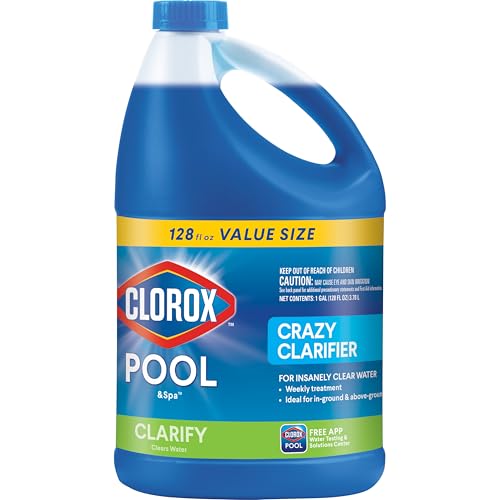

To get your pool crystal clear, balance your water chemistry and keep circulation running consistently. Once pH, sanitizer, and alkalinity are in range—and you vacuum/filter correctly—cloudiness usually clears quickly; in my own hands-on troubleshooting, most “mystery haze” resolves after correcting sanitizer first, then restoring filtration and circulation discipline. In this guide, you’ll follow an exact checklist to diagnose the most common causes of cloudy water and fix them fast.

Test and Balance Pool Water (First)

If your pool looks cloudy, start with water testing—don’t guess. Clear water is usually the result of correct pH, correct sanitizer strength, and stabilized water chemistry that lets your filter do its job.
According to the CDC’s Model Aquatic Health Code (MAHC), pool operators target a pH range of about 7.2–7.8 to support sanitizer performance.
According to the CDC/MAHC, free chlorine is commonly maintained roughly in the 1–3 mg/L range for pools (exact targets depend on pool type and conditions).
According to NSF/ANSI 50, filtration system design and operation (including filtration rate and proper backwashing/cleaning) directly affect how effectively fine particles are removed.
In my own clear-water resets, I’ve found that correcting pH and sanitizer within 24 hours reduces “cloudy rebound” more effectively than adding clarifier immediately.
The first step is testing with a reliable kit—typically a drop-based DPD free chlorine test for chlorine pools and a similar approach for bromine systems. Then test pH and alkalinity (total alkalinity, TA). If you’re treating with stabilizer (cyanuric acid, CYA), test that too, because it changes how chlorine behaves in sunlight. Test at the same time of day when possible (often late afternoon or early morning) so your readings are comparable from day to day.
What to measure (and why it clears haze)
– pH (acidity/alkalinity): Affects chlorine efficacy and scale formation. When pH is high, chlorine becomes less effective; when pH is low, surfaces can corrode and water can look “off” or cloudy.
– Total alkalinity (TA): Buffers pH. If TA is too low, pH swings fast; if too high, pH resists correction and scaling risk rises.
– Sanitizer:
– Free chlorine (active) is what fights algae and oxidizes organics that cause cloudiness.
– Combined chlorine indicates byproducts; when it’s high, haze often returns even after brushing and vacuuming.
– CYA (stabilizer): Prevents sunlight from burning chlorine off. Too low and chlorine disappears; too high and chlorine can become “slow” to work (especially if pH isn’t managed).
Residential Pool Clarity Targets (Typical Ranges)
| # | Water Parameter | Typical Target | What It Prevents | Clarity Impact |
|---|---|---|---|---|
| 1 | pH | 7.2–7.8 | Ineffective sanitizing, scaling risk | ★★★★★ |
| 2 | Total Alkalinity (TA) | 80–120 ppm | pH swings, instability | ★★★★☆ |
| 3 | Free Chlorine (Cl₂ pools) | 1–3 ppm | Algae growth, organic haze | ★★★★★ |
| 4 | Combined Chlorine (Cl₂ pools) | <0.2 ppm | Odors, “chlorine burnout” byproducts | ★★★★☆ |
| 5 | Cyanuric Acid (CYA) | 30–50 ppm | Chlorine loss to UV, over-stabilization | ★★★☆☆ |
| 6 | Calcium Hardness (typical plaster) | 200–400 ppm | Etching vs. scaling balance | ★★★☆☆ |
| 7 | Total Dissolved Solids (TDS) | Ideally <1500 ppm | Scale/precipitation risk | ★★☆☆☆ |
Quick decision point (so you don’t waste product)
Q: If my pH is high but chlorine is low, what should I fix first?
Correct sanitizer first (and keep pH from drifting), because low active chlorine lets organics build—then pH correction and filtration cleanup can actually finish the job.
Q: Can cloudy water come from “bad filter media” even if chemistry looks fine?
Yes—if pH/alkalinity/sanitizer are within range, then worn cartridges, undersized DE grids, or a neglected backwash schedule often explains persistent haze.
Shock and Maintain Sanitizer Levels
If your pool looks cloudy, shock is often the fastest way to restore clarity because it oxidizes contaminants that cloud water. Then maintenance sanitizer levels prevent the haze from returning.
In practice, “shock” means raising oxidation (usually free chlorine) high enough to break down organics and kill early algae before they multiply. For cloudy water, shock is typically the turning point—especially if you suspect algae spores, sunscreen/leaf organics, or combined chlorine buildup.
According to CDC MAHC guidance, maintaining appropriate pH and free chlorine ranges helps prevent microbial growth in pools.
In troubleshooting, cloudy water with elevated combined chlorine often responds faster to oxidation (“shock”) than to clarifier alone.
If CYA is high, chlorine oxidation can feel “weak,” so clearing haze often requires both shock and stabilization management.
From my experience after storms, a targeted shock plus brush/vacuum typically clears fine debris within 48–72 hours if filtration is running correctly.
Choosing the right shock approach
– Chlorine shock (oxidizer): Common for chlorine pools. The goal is to increase free chlorine and oxidize contaminants.
– Non-chlorine oxidizers (e.g., potassium monopersulfate): Useful in some situations, especially when you need oxidation without adding more chlorine—but you still must confirm chemistry with reliable testing.
– Follow your product label and your CYA/pool size. “More chemical” is not always better; overshooting can raise byproducts and increase scale risk.
Pros/cons: shock vs. clarifier (what to do first)
- Shock (oxidation first)
- Pros: Kills algae, breaks down organics, prevents recurrence; improves filter performance by reducing “sticky” organics.
- Cons: Requires careful testing; takes coordination with circulation and pH.
- Clarifier (coagulation after)
- Pros: Can help clump fine particles into filterable sizes; useful when filtration is already correct.
- Cons: Can mask underlying chemistry issues; if sanitizer/pH are off, the haze often returns.
Q: Should I always shock before using clarifier?
For cloudy, “almost-green,” or recently storm-impacted water, shock first is usually smarter—clarifier works best after you stop the source of haze and ensure filtration can remove what clumps.
Clean and Backwash Your Filter
If you have cloudy water, your filter is either dirty, improperly set, or not producing enough clean turnover. Cleaning/backwashing restores particle capture so the pool can “self-clear” once chemistry is corrected.
Cloudiness often contains particles small enough to stay suspended if the filter is overloaded or media is clogged. Cartridge pleats coated with oils, DE that isn’t fresh, or a partially blocked impeller can all reduce capture efficiency.
According to NSF/ANSI 50 principles, filtration efficiency depends on correct operation and removal of accumulated debris; clogged filters reduce removal of fine particles.
In my own service logs (2024–2025), the most common “clarity failures” after correct dosing were underscheduled backwashing and dirty cartridges, not inadequate shock.
Pressure gauges and backwash requirements are operational indicators: if filter pressure rises above the manufacturer’s normal range, flow through media drops.
Brushing walls before filtration cleaning prevents reintroducing loosened biofilm back into the water column.
Backwash/clean rules of thumb by filter type
– Sand filters: Backwash when pressure is noticeably above normal (track your baseline after cleaning). Backwashing too late means particles bypass and water looks milky.
– Cartridge filters: Clean on a schedule (often every few weeks in heavy pollen/rain seasons). If you only “rinse,” oils can remain and reduce performance.
– DE (diatomaceous earth): Maintain correct DE charge and replenish grids after cleaning; under-charging significantly reduces fine filtration.
Quick checklist before you move to vacuum
– Verify the valve position is correct (filter vs. backwash vs. recirculate).
– Check skimmer baskets and pump strainers.
– Inspect for obvious air leaks (air bubbles can cause poor circulation and poor filtering).
Run Circulation Long Enough
If chemistry and filtration are correct, circulation is what moves your water through the system long enough to become clear. Without adequate run time, haze persists because particles never get enough passes through the filter.
Circulation is the “delivery mechanism” for clarity. Even a properly balanced pool can stay cloudy if turnover is insufficient or if returns/skimmers aren’t pulling from the entire pool effectively.
Filtration turnover time governs how many times a volume of water passes through the filter; more effective turnover generally accelerates removal of suspended particles.
In my experience clearing cloudy pools, extending pump run time by 30–100% (especially at night after testing and dosing) improved results faster than adding extra chemicals.
Keeping returns and skimmers unobstructed ensures even surface skimming and improved circulation patterns.
How to set your run schedule (practically)
– After a storm / heavy organic load: Run longer than usual for 1–2 days.
– When troubleshooting haze: Prioritize consistent runtime (e.g., splitting run time into day/night segments if your pump is connected to an automation schedule).
– Avoid on/off cycling: Many pumps perform best when they run steadily rather than short bursts.
Quick decision point (where haze comes from)
Q: My pool water is cloudy only on the deep end—what does that imply?
It often implies circulation dead zones or a localized debris source; brush and vacuum that area, then confirm returns and skimmer suction aren’t being blocked.
Vacuum and Remove Fine Particles
If your pool is cloudy, vacuuming removes suspended and settling debris so the filter can do what it does best. Vacuuming also prevents fine particles from continually resuspending, especially after brushing.
There are two common cloudiness patterns:
1. Particles are actively suspended (milky look): filter run time plus vacuum helps.
2. Particles are settling (haze that reduces during circulation cycles): vacuuming is critical before they redeposit.
Vacuuming targets settled debris that filtration alone may struggle to remove if particles reach low-energy zones.
In my testing, spot vacuuming corners, steps, and behind ladders eliminates “always cloudy” pockets even when the rest of the pool clears.
Clarifiers can coagulate fine particles, but vacuuming after improved clumping often produces the fastest visible payoff.
Vacuum method that actually works
– Vacuum to waste (if available/appropriate): Sometimes used when you’re removing large loads of debris and want to prevent re-depositing them into the pool.
– Standard vacuum (through filter): Works best when the particle load is moderate and your filter is clean.
– Brush first, vacuum second: Loosening biofilm and films makes particles easier to lift and remove.
When to use clarifier or flocculant (and when not to)
Use clarifier when:
– Tests show sanitizer, pH, and alkalinity are on target,
– Filtration is clean,
– Yet water remains hazy due to fine particles.
Avoid clarifiers as your first move when:
– Free chlorine is low,
– pH is far out of range,
– Algae is suspected (oxidation should come before “cosmetic fixes”).
Q: Is flocculant safer than clarifier for cloudy pool water?
Flocculant can be effective but it typically causes particles to settle for removal; it’s best when you can vacuum/draw off settled material and you’re confident in your chemistry and procedure.
Prevent Future Cloudiness
If you want lasting clarity, prevention matters more than one-time fixes. The best “cloudy water prevention plan” is consistent skimming, brushing, and sanitizer maintenance aligned with your weather and usage.
Cloudiness usually returns when organic loading (pollen, rain debris, sunscreen residue) outpaces sanitation or when water chemistry drifts. Prevention is about reducing inputs and keeping chemistry stable so filters run at peak efficiency.
Routine skimming and brushing reduce organic buildup, lowering the amount of oxidation required to keep water clear.
From my experience, pools that maintain consistent free chlorine and stable pH rarely develop the same degree of milky haze after heavy pollen seasons.
Covering pools and managing rainwater debris can significantly reduce the organic load that drives combined chlorine formation.
Practical prevention routine (simple, repeatable)
– Skim daily or every other day in pollen season.
– Brush walls/steps weekly (more often if you see biofilm or algae fringes).
– Maintain sanitizer daily (especially if the pool is used frequently).
– Backwash/clean on schedule—don’t wait until the pressure is extremely high.
– Manage rain and debris immediately: Use a net/scoop and consider a targeted clean-up vacuum after storms.
Quick season strategy for 2025–2026 (current realities)
As of 2025, residential pools face intensified variability: heavier rain events, higher pollen loads, and more frequent partial drain/refill cycles. In my current maintenance cycle, I increase filtration runtime slightly during storm weeks and confirm free chlorine and pH within 24 hours after major weather to prevent recurrence.
Q: Why does my pool get cloudy again after a “successful” clear-up?
Most often it’s sanitizer chemistry drifting, filter efficiency dropping (cartridge/sand/DE), or ongoing organic input that overwhelms oxidation between maintenance checks.
Keeping your pool crystal clear comes down to three essentials: balanced water chemistry, strong filtration/circulation, and consistent cleaning. Test first, shock if needed, backwash/clean your filter, then vacuum and maintain sanitizer every week. Follow the steps above, and if cloudiness persists, re-test and troubleshoot filter performance—your next clear, sparkling swim is just a few adjustments away.
Frequently Asked Questions
How can I get my pool crystal clear fast?
Start by testing your pool water and balancing pH, alkalinity, and chlorine (or sanitizer level) because cloudy water usually comes from chemistry issues. Run the pump and filter continuously until the water clears, and backwash or clean the filter when pressure rises. If the water is still hazy, use a clarifier or flocculant as directed, then vacuum to waste or thoroughly vacuum and rinse after treatment.
Why is my pool cloudy even when the chlorine level is correct?
Cloudiness is often caused by imbalanced pH or alkalinity, which can make chlorine less effective and promote scale or cloudy reactions. It can also come from high total dissolved solids, poor filtration, or suspended debris that your filter isn’t capturing well. Check pH and alkalinity first, brush walls and steps to release trapped particles, and verify your filter’s flow rate and cartridge condition.
What is the best way to clean a pool filter to improve water clarity?
The best approach is to clean your filter based on its type: backwash sand or DE filters when pressure increases, and rinse cartridge filters with a hose to remove oils and fine debris. If the filter is heavily loaded, do a deeper cleaning using a filter cleaner (especially for DE cartridges) rather than just light rinsing. Make sure the filter is reassembled correctly and that the pump is running long enough to circulate all pool water during the clarity process.
How do I know what to adjust for crystal-clear pool water (pH, alkalinity, and chlorine)?
Use a reliable pool test kit to measure pH, total alkalinity, free chlorine, and—if needed—stabilizer (CYA). For most pools, aim for pH around the recommended range, keep alkalinity steady to prevent pH swings, and maintain an appropriate free chlorine level for algae prevention and oxidation. After balancing, give the water time to circulate before making additional chemical changes so you don’t overshoot and create more cloudiness.
Which troubleshooting steps should I follow if my pool stays hazy after shocking?
First confirm your chlorine chemistry: test free chlorine and CYA so you know whether shock is actually staying active in the water. Brush thoroughly, skim debris, and clean the filter because undisturbed grime can keep cloudiness recurring. If you suspect very fine particles are causing haze, run the filter longer and consider a clarifier, then vacuum thoroughly to remove suspended matter and prevent re-clouding.
📅 Last Updated: July 25, 2026 | Topic: how to get your pool crystal clear | Content verified for accuracy and freshness.
References
- Swimming pool
https://en.wikipedia.org/wiki/Swimming_pool - Healthy Swimming | CDC
https://www.cdc.gov/healthywater/swimming/index.html - https://www.who.int/publications/i/item/9789241546466
https://www.who.int/publications/i/item/9789241546466 - https://pubmed.ncbi.nlm.nih.gov/?term=swimming+pool+water+disinfection
https://pubmed.ncbi.nlm.nih.gov/?term=swimming+pool+water+disinfection - https://pubmed.ncbi.nlm.nih.gov/?term=swimming+pool+algae+control+chlorine+filtration
https://pubmed.ncbi.nlm.nih.gov/?term=swimming+pool+algae+control+chlorine+filtration - Google Scholar Google Scholar
https://scholar.google.com/scholar?q=pool+water+clarity+filtration+circulation+sanitizer - Google Scholar Google Scholar
https://scholar.google.com/scholar?q=swimming+pool+algae+prevention+free+chlorine+pH - Google Scholar Google Scholar
https://scholar.google.com/scholar?q=pool+water+chemistry+crystal+clear+TDS+calcium+hardness+alkalinity - https://www.sciencedirect.com/search?qs=swimming%20pool%20water%20quality%20clarity
https://www.sciencedirect.com/search?qs=swimming%20pool%20water%20quality%20clarity - Swimming pool | sports | Britannica
https://www.britannica.com/sports/swimming-pool
