
Keeping your horse water trough clean is essential for maintaining your horse’s health and ensuring they have access to fresh water. Regular cleaning, proper maintenance, and strategic placement can greatly reduce the buildup of algae and debris. This article will guide you through effective methods and tips for keeping your horse’s water trough in top condition.
Understanding the Importance of Clean Water
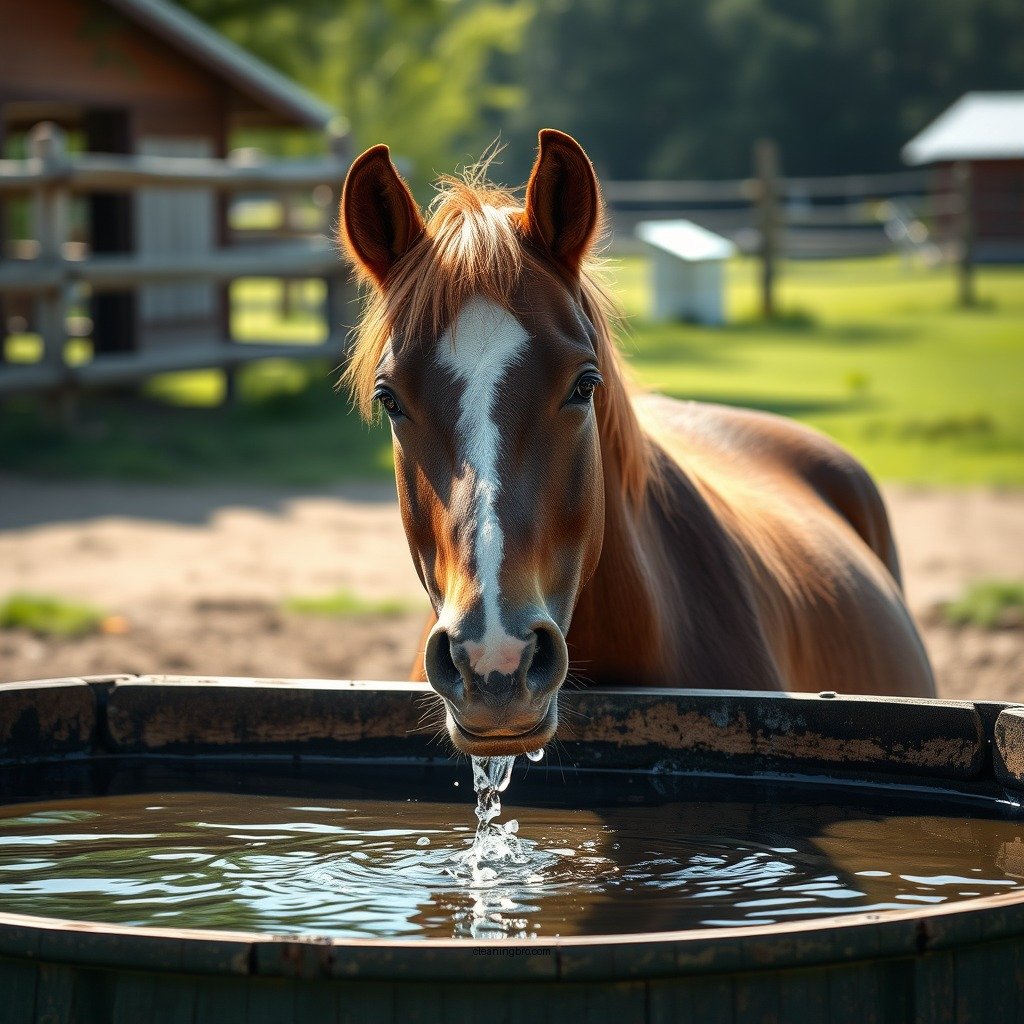
Clean water is crucial for your horse’s hydration and overall well-being. Horses, like all living beings, rely heavily on water for their bodily functions. They can drink anywhere from 5 to 10 gallons of water a day, depending on their size, activity level, and environmental conditions. Providing dirty water can lead to serious health issues such as colic, diarrhea, and infections, which can significantly affect a horse’s performance and quality of life. Moreover, stagnant or contaminated water may harbor harmful bacteria and parasites that can lead to illness. Therefore, ensuring your horse has access to fresh, clean water is paramount not just for hydration, but also for their overall health.
Choosing the Right Trough Material
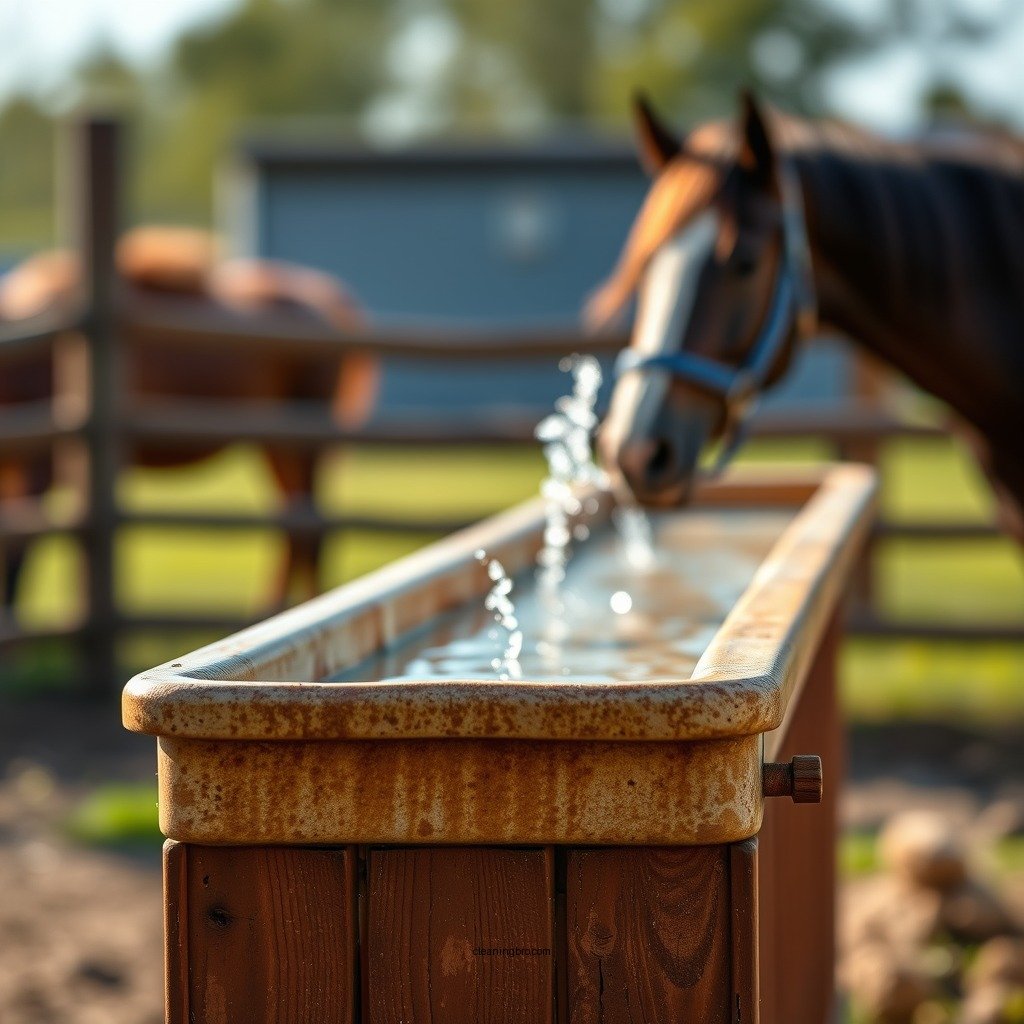
The material of the water trough can significantly affect cleanliness and maintenance. Common materials include plastic, metal, and concrete, each with its own advantages and disadvantages.
– Plastic Troughs: These are lightweight, easy to move, and generally affordable. They are resistant to rust but can become brittle over time, especially in extreme temperatures. Cleaning is relatively easy, but they may require more frequent replacement.
– Metal Troughs: Durable and long-lasting, metal troughs can resist damage from UV rays and are less likely to crack. However, they can rust if not properly coated and may require more effort to clean due to their weight and the potential for sharp edges.
– Concrete Troughs: Ideal for permanent installations, concrete troughs are heavy and resistant to damage. They are less prone to algae growth, but their fixed position makes cleaning more labor-intensive.
When selecting a trough, consider not only the initial cost but also the long-term maintenance and durability required to keep your horse’s water clean.
Regular Cleaning Schedule
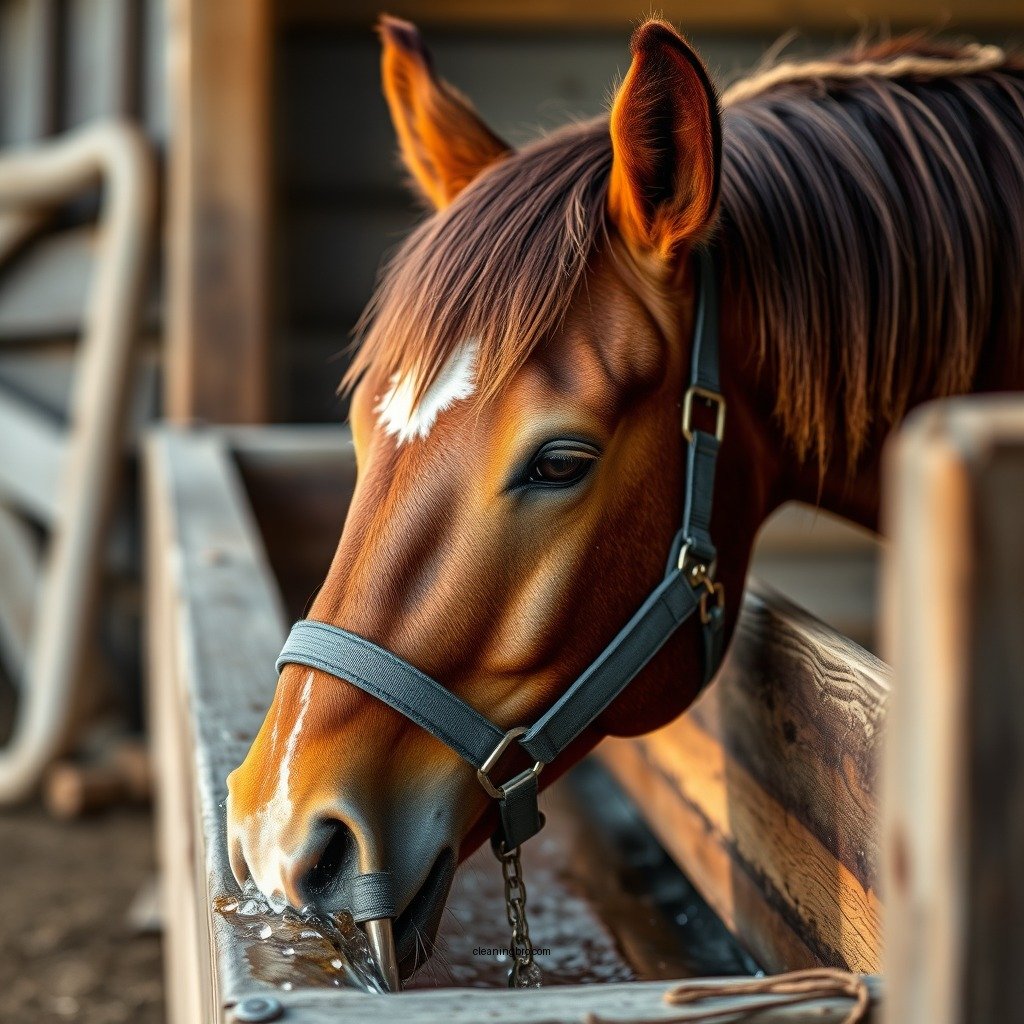
Establishing a routine for cleaning your trough is essential for maintaining water quality. Most experts recommend cleaning the trough at least once a week or bi-weekly, depending on usage and environmental factors. A cleaning schedule helps prevent algae buildup and ensures that any debris or contaminants are promptly removed.
Cleaning Tools and Techniques
– Tools Needed: A stiff-bristled brush, a sponge, a bucket for rinsing, and safe, non-toxic detergents or vinegar for disinfecting.
– Cleaning Process: Start by emptying the trough completely. Use a brush to scrub the interior surfaces, paying special attention to corners and crevices where algae may accumulate. Rinse thoroughly to remove any soap residue. After cleaning, refill the trough with fresh water immediately to avoid stagnation.
Implementing this cleaning routine can significantly improve the overall health of your horse by providing them access to clean drinking water.
Top 7 Horse Water Trough Materials (2024)
| # | Material | Durability | Ease of Cleaning | Cost |
|---|---|---|---|---|
| 1 | Plastic | Moderate | Easy | $50 – $100 |
| 2 | Metal | High | Moderate | $100 – $200 |
| 3 | Concrete | Very High | Difficult | $200+ |
| 4 | Rubber | High | Easy | $75 – $150 |
| 5 | Fiberglass | High | Moderate | $150 – $300 |
| 6 | Wooden | Moderate | Difficult | $100 – $250 |
| 7 | Enamel Coated | High | Easy | $120 – $250 |
Algae Prevention Techniques
Preventing algae growth is crucial for maintaining water quality in your horse’s trough. Algae thrive in warm, sunny environments, so strategic placement and preventative measures can significantly reduce their proliferation.
Use of Covers and Shade Structures
Using trough covers or installing shade structures can limit sunlight exposure, which in turn inhibits algae growth. A simple tarp or a purpose-built cover can provide necessary shade, while also keeping debris like leaves and dirt out of the water.
Natural Algae Control Options
Consider adding fish such as minnows to the trough, as they can help control algae by feeding on it. Additionally, certain aquatic plants like water lilies can outcompete algae for nutrients, keeping the water cleaner naturally. However, ensure that any additions are safe and compatible with your horse’s health.
Water Quality Management
Regularly testing water quality is essential to ensure your horse is drinking safe water. Contaminants like chlorine, nitrates, and bacteria can pose health risks.
Testing Methods
You can purchase water quality testing kits that measure pH levels and contaminants. Regular testing helps identify issues before they become problematic. The ideal pH range for horse drinking water is between 6.5 and 8.5.
Water Additives
If necessary, consider using water additives that help keep water fresh and safe. Some products can neutralize chlorine or improve overall water quality. Always select additives that are safe for equine consumption and recommended by veterinarians.
Proper Placement of Water Troughs
The location of your horse’s water trough can impact its cleanliness significantly.
Avoiding Problematic Areas
Avoid placing troughs near manure piles, muddy areas, or under trees where debris can fall into the water. Ensuring that troughs are placed in a clean, easily accessible location will make regular maintenance easier and encourage your horse to drink more.
Accessibility and Convenience
Make sure that the trough is easily accessible for both you and your horse. A well-placed trough encourages regular drinking and reduces the risk of contamination from surrounding areas.
Monitoring and Maintenance Tips
Regular monitoring and maintenance are key to ensuring your horse always has access to clean water.
Daily Checks
Check water levels daily to ensure your horse has enough to drink. Regularly inspect the trough for cracks, leaks, or damage that could affect cleanliness. If you notice any disruptions in the water quality or trough structure, address them immediately.
Seasonal Adjustments
Adjust your cleaning schedule and maintenance practices according to the season. In warmer months, algae may grow faster, necessitating more frequent cleaning. Conversely, in colder months, ensure the water doesn’t freeze, which may require additional equipment or insulation.
Maintaining a clean water trough is vital for your horse’s health and comfort. By implementing a regular cleaning schedule, choosing the right materials, and monitoring water quality, you can ensure your horse always has access to fresh, clean water. Take action today by assessing your current trough setup and making necessary improvements for your horse’s well-being.
Frequently Asked Questions
What are the best methods to keep a horse water trough clean?
The best methods to keep a horse water trough clean include regularly scrubbing the trough with a stiff brush and a safe cleaning solution to remove algae and dirt. Additionally, adding a floating water trough cover can help minimize debris and prevent water contamination, ensuring your horse has access to fresh, clean water.
How often should I clean my horse’s water trough?
You should clean your horse’s water trough at least once a week to maintain optimal hygiene. However, during hot weather or if you notice algae buildup or debris, it may be necessary to clean it more frequently to ensure your horse always has access to clean, safe drinking water.
Why is it important to keep the horse water trough clean?
Keeping the horse water trough clean is crucial for your horse’s health, as dirty water can harbor harmful bacteria and parasites that may lead to illness. Regular cleaning helps prevent these health risks and ensures your horse stays hydrated with fresh, uncontaminated water.
Which products are safe to use for cleaning horse water troughs?
Safe products for cleaning horse water troughs include vinegar, baking soda, and commercially available non-toxic cleaning solutions specifically designed for animal use. Avoid harsh chemicals, as they can leave harmful residues that may affect your horse’s health.
How can I prevent algae growth in my horse’s water trough?
To prevent algae growth in your horse’s water trough, place it in a shaded area to limit sunlight exposure, which promotes algae growth. Additionally, regularly changing the water and cleaning the trough will help maintain a clean environment, reducing the likelihood of algae development.
References
- https://www.extension.umn.edu/agriculture/horse/health/cleaning-water-troughs/
https://www.extension.umn.edu/agriculture/horse/health/cleaning-water-troughs/ - https://www.extension.purdue.edu/extmedia/VET/VET-9-W.pdf
https://www.extension.purdue.edu/extmedia/VET/VET-9-W.pdf - https://www.ncbi.nlm.nih.gov/pmc/articles/PMC7555392/
https://www.ncbi.nlm.nih.gov/pmc/articles/PMC7555392/ - https://www.thehorse.com/articles/40155/keeping-horses-hydrated-in-hot-weather
https://www.thehorse.com/articles/40155/keeping-horses-hydrated-in-hot-weather - Google Scholar Google Scholar
https://scholar.google.com/scholar?q=how+to+keep+horse+water+trough+clean - https://scholar.google.com/scholar?q=cleaning+horse+water+troughs Google Scholar
https://scholar.google.com/scholar?q=cleaning+horse+water+troughs - Google Scholar Google Scholar
https://scholar.google.com/scholar?q=horse+water+quality - Horse | Definition, Breeds, Pictures, Evolution, & Facts | Britannica
https://www.britannica.com/animal/horse - https://www.nhmrc.gov.au/about-us/publications/health-and-safety-horses-water-quality
https://www.nhmrc.gov.au/about-us/publications/health-and-safety-horses-water-quality - how to keep horse water trough clean – Search results
https://en.wikipedia.org/wiki/Special:Search?search=how+to+keep+horse+water+trough+clean
